


Levi Coffin Operates Underground Railroad Station
The wagon wheels sank into the frozen ruts outside Newport before the first light showed. I held the reins loose and listened for the sound of another set of hooves behind us on the Madison trace. The three men and two women in the box had not spoken since we left the last thicket. Their breath came in short clouds that the canvas cover could not hold in.
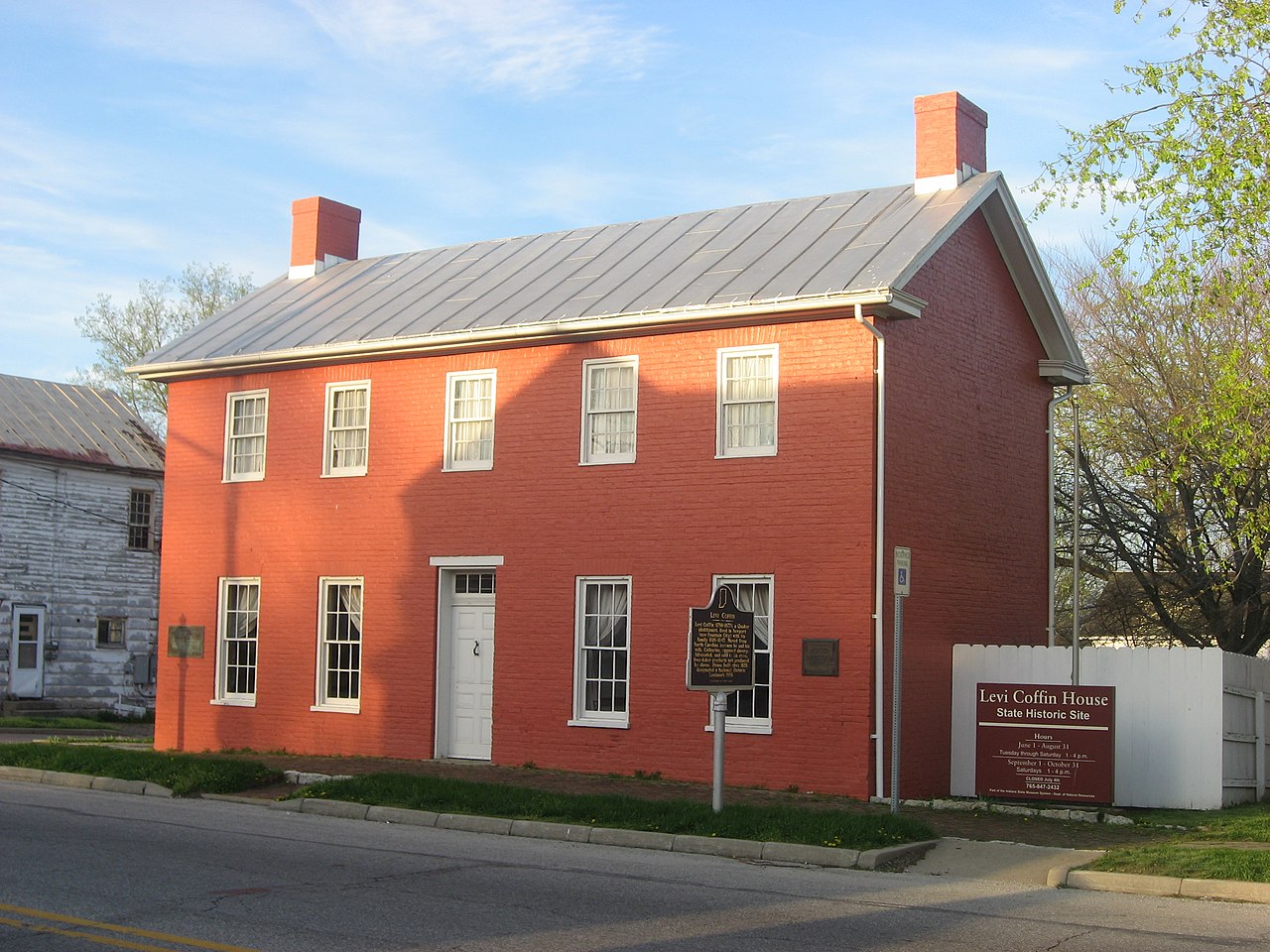
Levi Coffin met us at the barn door with a lantern held low. He wore the same broad-brimmed hat he kept for mill work, and his coat was already dusted with linseed meal from the day’s pressing. He counted heads once, then nodded toward the kitchen lean-to where Catharine had left the door unlatched. The fugitives climbed down stiffly. One man’s feet left dark prints on the packed earth; the soles of his shoes had worn through weeks earlier.
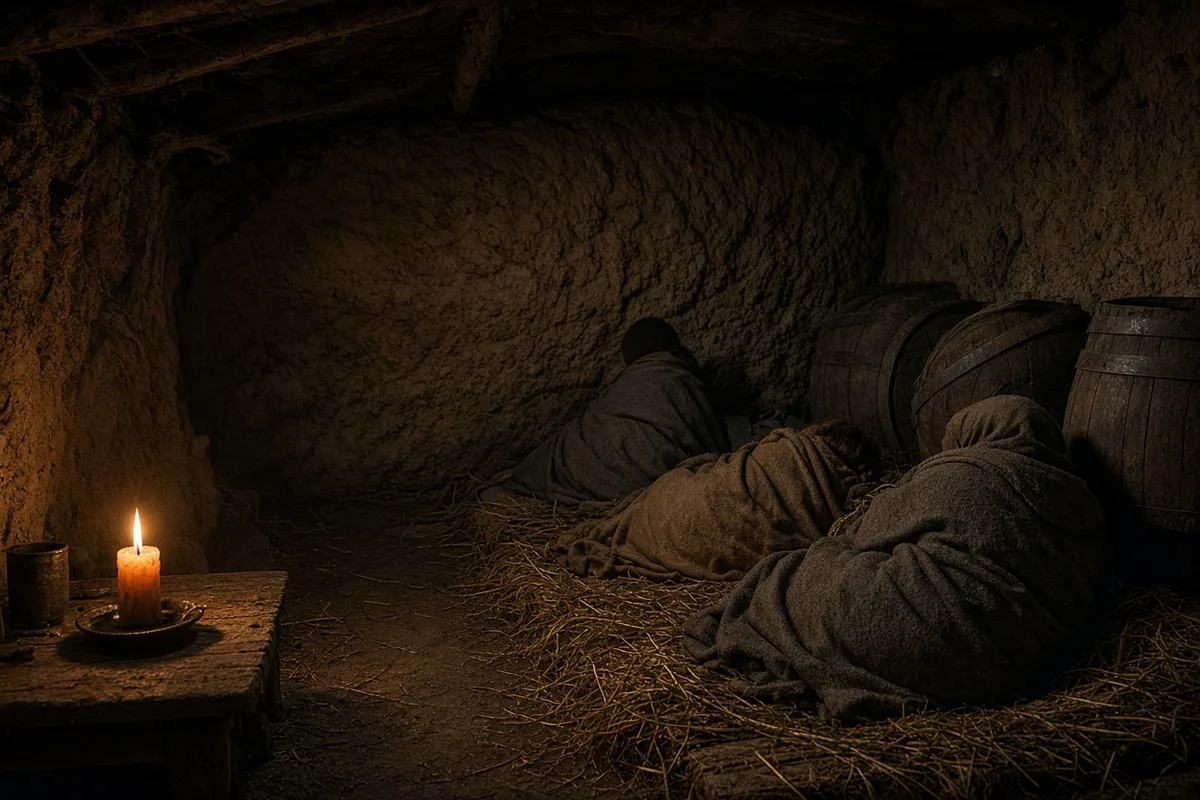
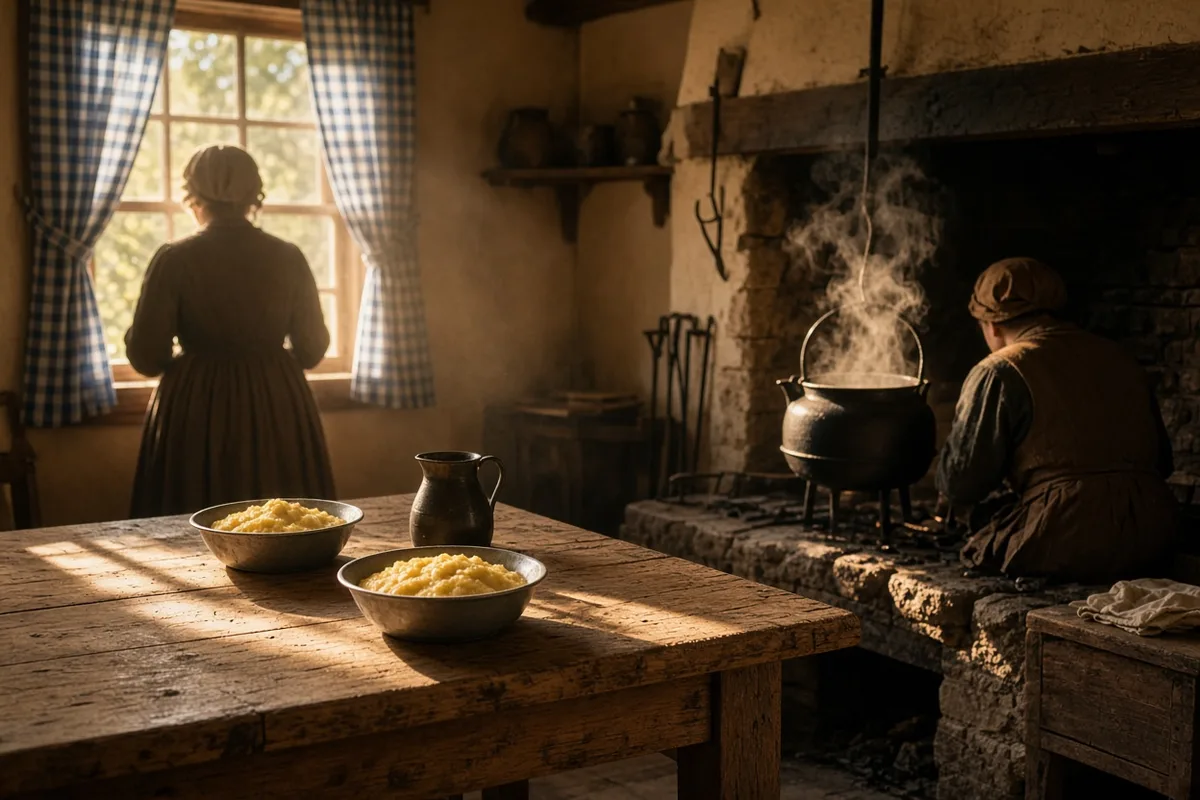
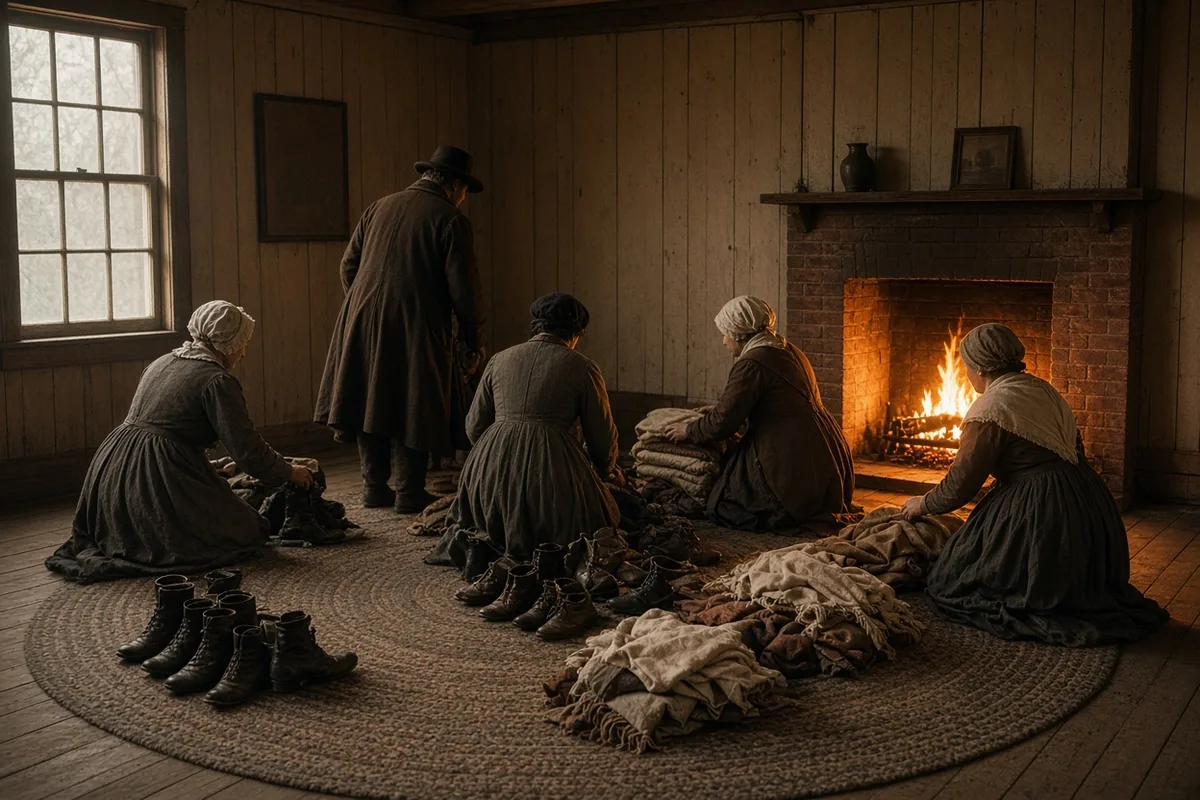
Inside, the table was already set with cold cornbread and a kettle of broth kept warm on the back of the stove. Catharine moved between the newcomers without raising her voice. She handed out woolen shirts she had cut from bolts the week before and asked each person their name only once, writing the answers on a scrap of paper she folded into her apron. Levi stayed near the window, watching the road. He told me to unhitch the team but leave the harness on the near horse in case we needed to move again before noon.

By midday the house had filled with neighbors who had once kept their distance. Two Friends from the meeting brought a bolt of cloth and a sack of meal. They did not stay long. One of them asked Levi whether the risk had grown too great now that the new law was talked about in every county seat. Levi answered that the Bible did not measure risk by statute. The men left the goods on the porch and walked back toward their own fields.
That evening another party arrived from the Cincinnati line, eight people this time, led by a free man from the colored settlement south of town. They had crossed the river two nights earlier and had walked the rest of the way with only the North Star and the sound of the wagons ahead of them. Levi took their names at the door and sent me to the barn for extra blankets. The oil mill had run late, and the air still carried the sharp smell of crushed flaxseed.

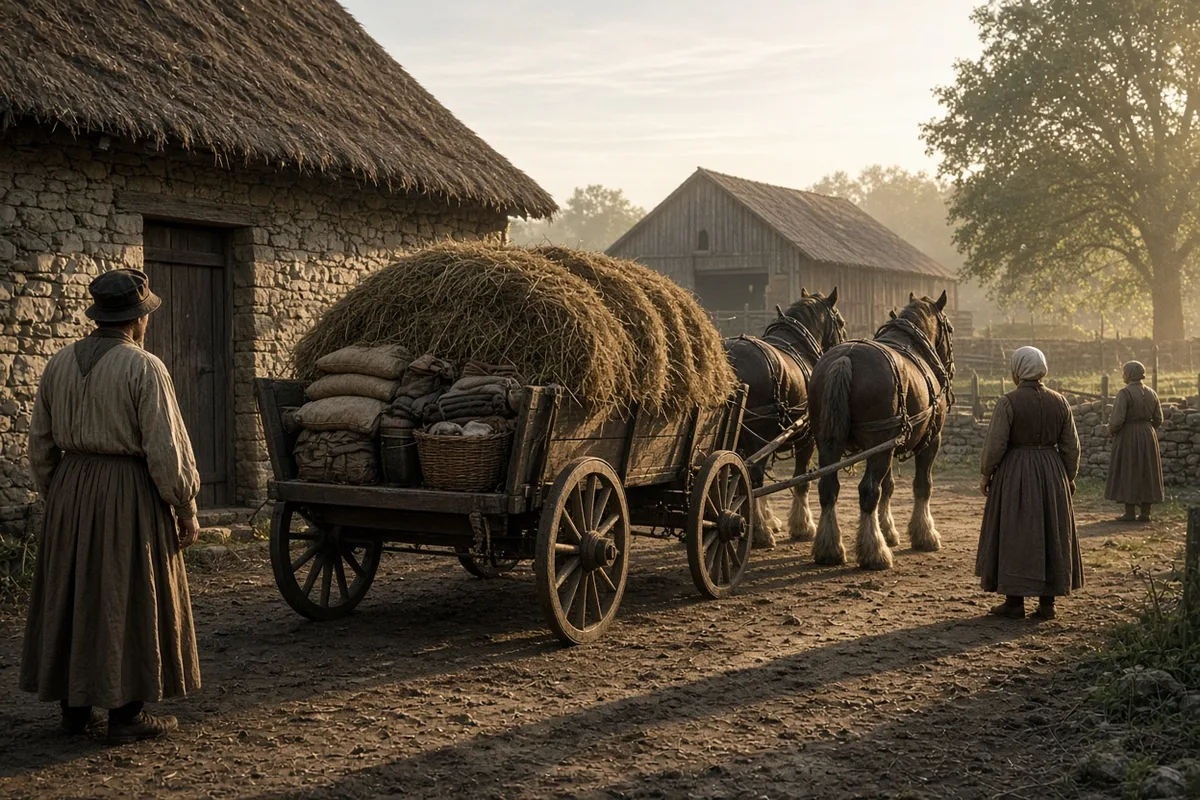
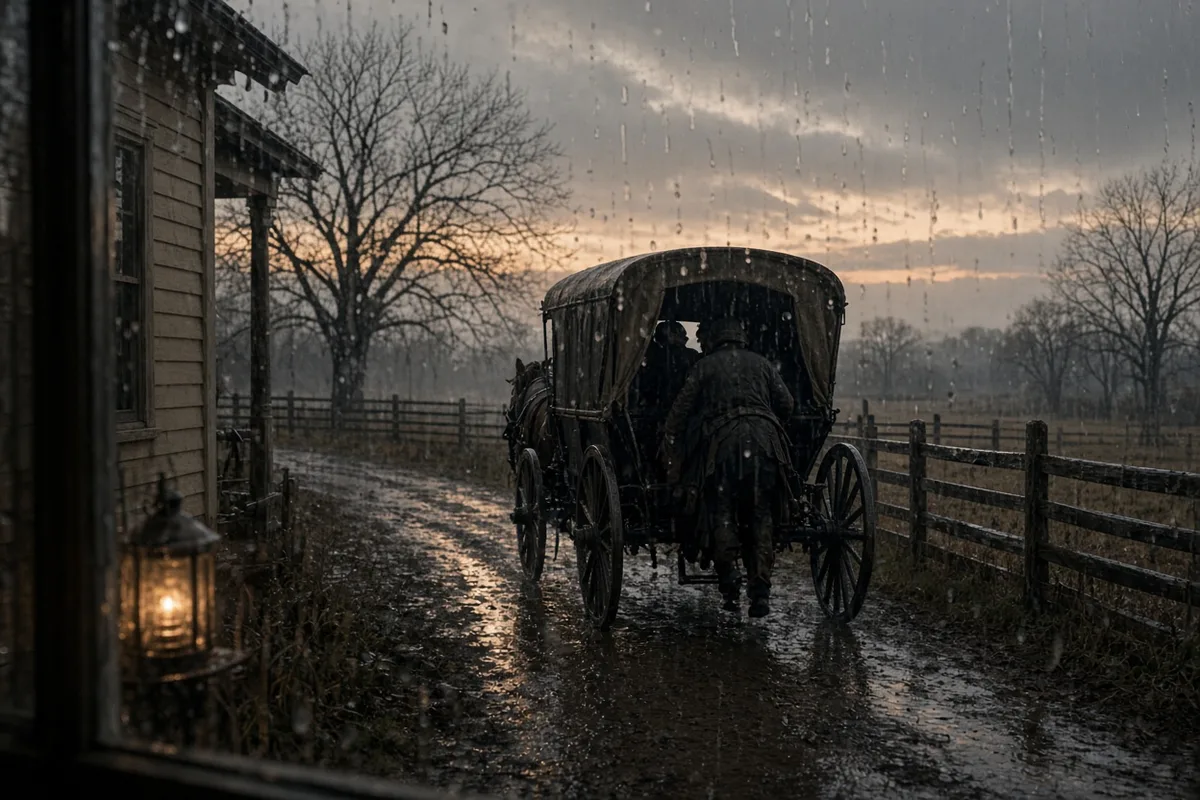
We loaded the first group after dark. The wagon bed had been lined with straw to muffle sound. Levi walked each person to the tailgate and told them where the next stop would be and who would meet them. He did not promise safety, only the next stretch of road. Catharine stood on the porch with a lamp screened by her hand. When the wagon pulled out, she closed the door without looking after it.
The night was clear and the ground hard enough that the wheels did not mire. I drove with one hand on the brake and kept the horses to the edge of the fields where the grass muffled the sound. Halfway to the next station a light appeared on the ridge ahead. I pulled into a stand of cedars and waited. The light passed along the main road and did not turn. When it was gone I counted to two hundred before I moved again.

At the handoff point the conductor took the reins from me without speaking. He had already turned the wagon around and was gone before I finished buckling the lead horse’s bridle. I walked the three miles back to Newport along the fence lines, keeping low where the moonlight caught the open ground.
Levi was still awake when I reached the house. He sat at the kitchen table with a ledger open, entering the night’s expenses in a hand that never hurried. He asked whether the horses had favored the left front leg again. I told him they had not. He closed the book and pushed a plate of cold meat toward me. We ate without speaking of the people who had passed through.
By the end of that week three more parties had come through the same door. One of them included a woman carrying an infant wrapped in a man’s coat. Catharine took the child first, warmed milk in a cup, and showed the mother how to feed it without waking the others already asleep on the floor. Levi arranged for an extra wagon the next night because the group was too large for one team.
The pattern held through the winter. Wagons left after dark and returned empty before dawn. The oil mill ran during the day as usual. Levi kept the same measured pace whether he was pressing seed or counting heads at the kitchen table. Catharine kept the same quiet supply of shirts and broth. The road stayed busy. Some weeks brought only a handful of travelers; others brought enough that we needed two teams and a borrowed wagon from a neighbor who still would not speak of the work by name.
When spring came the ground softened and the night journeys grew slower. Levi bought an additional horse to replace one that had gone lame in the mud. He paid for it from the mill receipts without recording the purchase in the ledger he showed to customers. The new horse learned the route quickly and did not shy at the sound of distant dogs.
The last time I drove that winter the sky was clear and the air carried the smell of thawing fields. The wagon carried four men who had come from the Jeffersonville line. They spoke among themselves in low voices about the names of towns they hoped to reach before summer. I did not ask where they had started or who had owned them. When we reached the handoff point the conductor counted them into the next wagon and told me the road ahead was clear for three miles. I turned back alone.
Levi was waiting at the barn when I returned the team. He checked each horse’s legs by lantern light and then hung the harness on its peg. Before he closed the door he looked once toward the road that led south. Nothing moved on it. He nodded and walked toward the house where Catharine had left a lamp burning in the window.
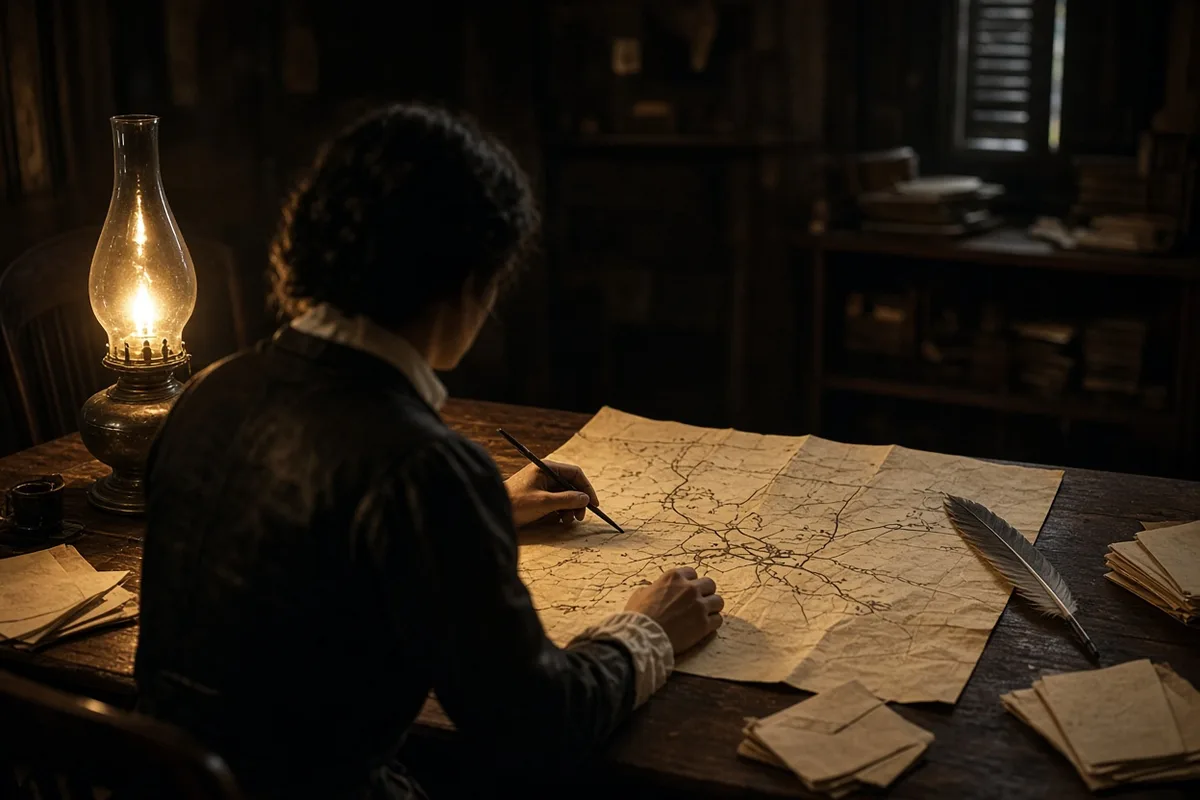
Levi set the lantern on the bench inside the barn and checked the feed bins before he bolted the door. The new horse stood in the third stall and shifted its weight when the light passed over its shoulder. Catharine had already banked the stove and left two plates on the table when we entered the kitchen. She asked whether the handoff had gone without delay and whether the conductor had mentioned the name of the next station beyond the White River crossing. Levi answered that the man had said only that the road to the next safe house near Spartansburg remained open for the next three nights. He opened the ledger again and entered the cost of the extra oats under the column dated March 12, 1843.
Spring planting began the following week and the mill ran every day except First Day. Levi recorded in the daybook that thirty-two bushels of flaxseed arrived from the farm of Benjamin Bond on the 19th and that the press yielded eleven gallons of oil after the third pressing. Between those entries he noted the arrival of a man named Isaac from Louisville who carried a pass dated February 4 and who left on the night of the 22nd with directions to the home of John Charles in Dublin. Catharine cut six shirts from the bolt the Friends had left and marked the hems with the initials of each recipient so the garments could be returned if the travelers reached the next station safely. One woman asked for a needle and thread to repair a tear in her skirt before the wagon departed; Catharine gave her both and a small square of linen for patching.
By the middle of April the river rose and the Madison trace became difficult to follow at night. Levi hired a man named Thomas to drive an extra wagon on the nights when more than ten people waited in the lean-to. Thomas received two dollars for each trip and was told to return before first light without speaking to anyone on the road. On the 28th a party of seven arrived from the Cincinnati line led by a free man named William who carried a letter from a contact in Hamilton County dated the 15th. The letter stated that the group had crossed at Lawrenceburg and needed immediate forwarding because slave catchers had been seen at the ferry landing. Levi sent them north the same night with instructions to reach the home of Samuel Edgerton near Winchester before dawn.
The Fugitive Slave Law of 1850 changed the pattern of arrivals. Levi noted in the ledger on September 20 that the number of travelers had dropped to four in the preceding month and that two of those had turned back after hearing of the new penalties. He wrote that the risk now extended to those who merely gave food or shelter and that the fine could reach one thousand dollars for each person assisted. Despite the entry, a woman named Harriet arrived on October 3 with two children and asked for passage to the settlement near Newport in Wayne County. Catharine kept the children inside during daylight hours and fed them from the same kettle used for the mill hands. Levi arranged for the group to travel with a load of oil barrels so the wagon would appear to be making a regular delivery.
In 1847 Levi and Catharine moved the household to Cincinnati and opened a store at the corner of Fifth and Race Streets. The oil mill in Newport continued under the care of a nephew who sent weekly reports of receipts and of any travelers who still stopped at the old door. Levi kept a separate ledger in Cincinnati that recorded assistance given to 312 people between January 1848 and December 1852. One entry dated March 1856 described the case of Margaret Garner, who reached the city with her four children after crossing the frozen Ohio River; Levi supplied clothing and arranged a lawyer before federal marshals took the family into custody. The store books show that he paid twenty-three dollars for legal fees in that month and noted the date of the trial as March 11.
After the war ended Levi returned to Newport only once, in June 1867, to visit the graves of two relatives buried in the Friends cemetery on the east edge of town. He stayed three days and examined the old barn, now used for storing seed. The nephew reported that no travelers had come through the house since 1863 because the rail lines had replaced the wagon routes. Levi wrote in a letter to a cousin dated June 14 that the road south appeared unchanged but that the lantern no longer burned in the kitchen window after dark. He returned to Cincinnati the following week and resumed work at the store until his health declined in 1876.
The house at 115 North Mill Street in Fountain City remained in family hands until 1897, when it was sold to a local merchant who used the kitchen lean-to as a woodshed. In 1961 the Wayne County Historical Society purchased the property and began restoration using the original floor plans drawn by Levi in 1839. The barn still stands behind the house, its pegs holding harnesses dated 1842 and 1845 according to the brass stamps on the buckles. Visitors today enter through the same door Catharine left unlatched and can see the scrap of paper on which she wrote the names of arriving travelers, preserved under glass in the front room. The last recorded image of Levi shows him seated at a table in Cincinnati in 1876, his hand resting on the open pages of the ledger that listed the final expenses of the Cincinnati store.