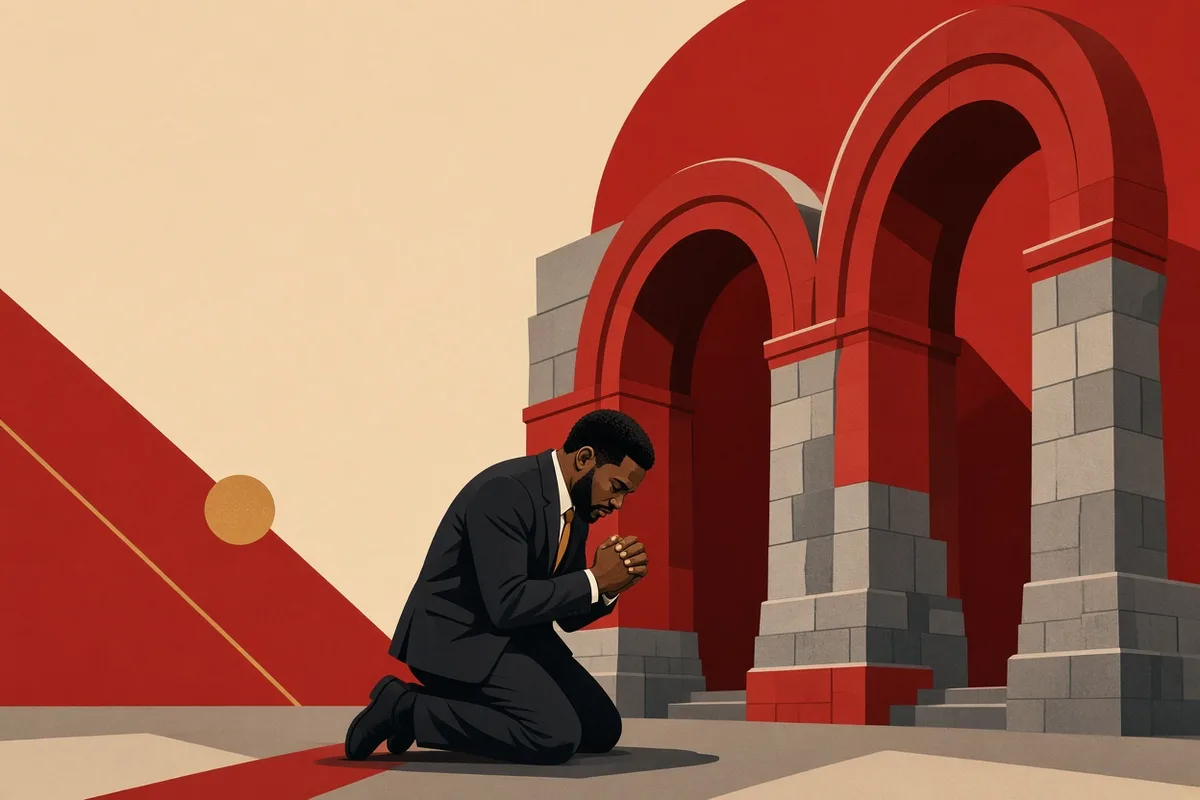



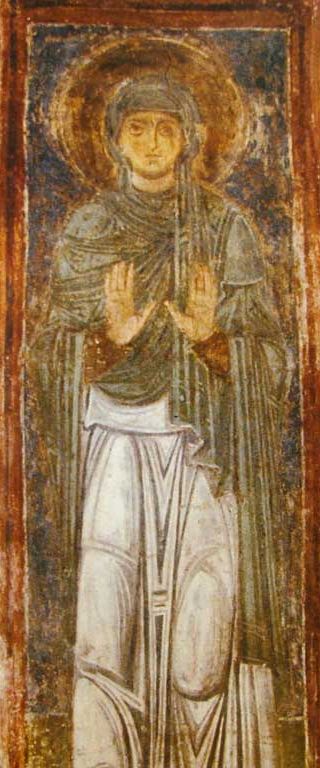
Macrina the Younger Turns Family Estate into Monastery
The river ran low that summer, its banks cracked where the reeds had been cut for the winter mats. I stood knee-deep in the shallows with two other women, rinsing the last of the wool, when Macrina came down the path from the house. She carried no basket, only a folded length of coarse cloth over one arm. Emmelia walked a few steps behind her, slower now, one hand on the younger woman’s shoulder for balance.
We kept working. Macrina stopped at the water’s edge and watched the current pull a loose thread from the cloth she held. “We will not need the fine looms again,” she said. Her voice carried across the water without effort. Emmelia said nothing at first, only looked at the house above us, its shutters already half-closed against the heat.
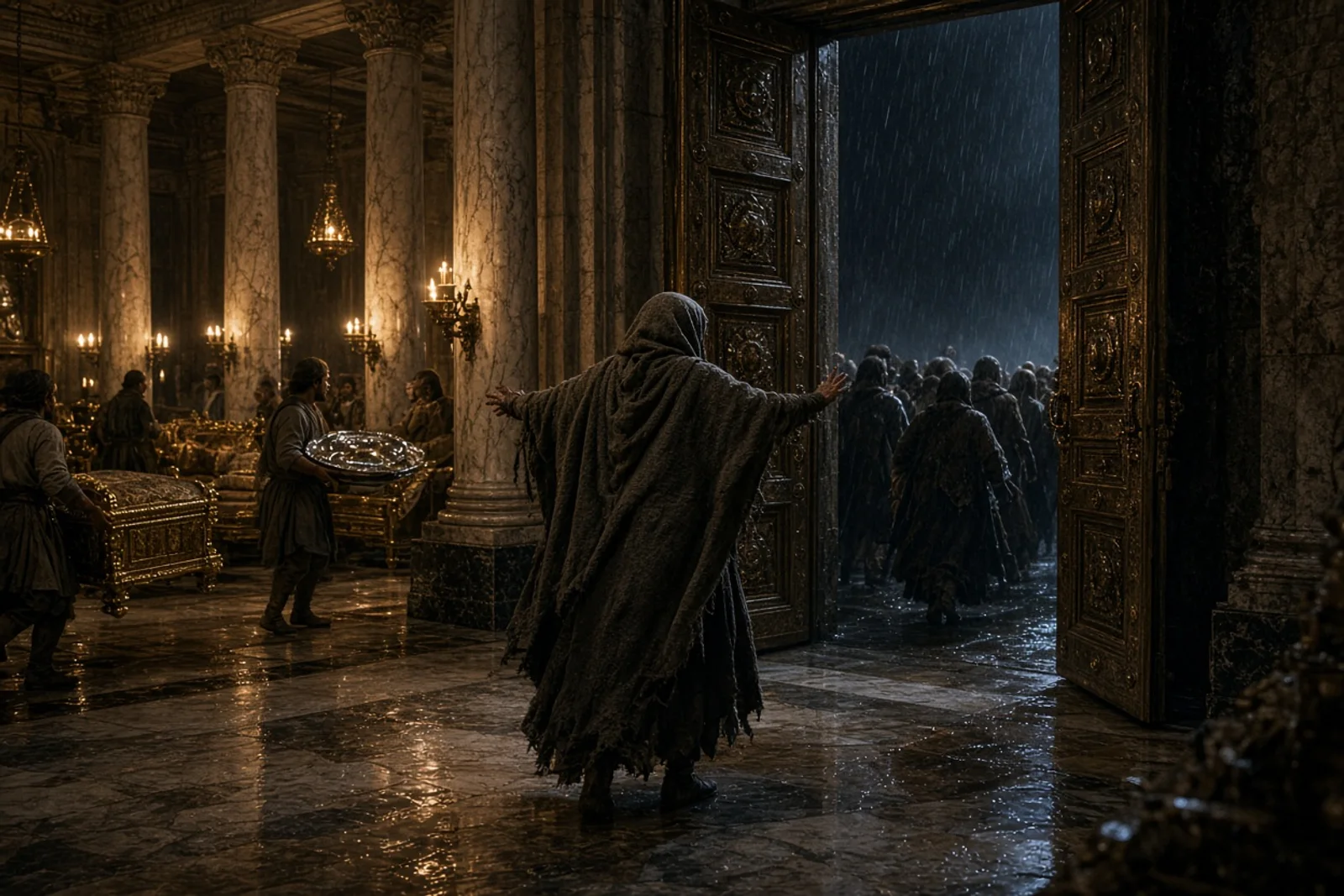
By the next morning the dining hall had been emptied of its couches. The long table remained, but the silver dishes were gone, packed into chests that Basil’s men carried away to Caesarea. In their place stood plain benches and a single copper bowl for the common meal. I helped carry the benches in. Macrina marked each one with a piece of chalk so the same women would sit together each day and learn one another’s names.
Peter, still a boy then, followed his sister from room to room. He carried the smaller chests. When she stopped to speak with the older servants, he waited without fidgeting, eyes on the floor. One afternoon she took him aside near the chapel wall and told him he would learn letters from the Psalms only, nothing else. He nodded once and went back to his task.
The women who had come from the village arrived in small groups. Some brought their own blankets. Others arrived with nothing but the clothes on their backs. Macrina met each one at the gate and asked only two questions: whether they could keep silence after the evening bell and whether they were willing to share whatever they had. Most answered yes. A few turned back before the sun set.

Emmelia’s strength left her by degrees. She still rose for the first prayers, but afterward she sat in the shade of the portico while Macrina moved through the work. One evening, when the lamps were already lit, Emmelia called her daughter to the bench beside her. They spoke quietly. I was close enough to hear Emmelia say that the estate now belonged to the women who prayed there, not to any single name. Macrina answered that she would keep it so.
Basil visited once that year, between journeys. He walked the grounds with his sister, stopping at each new building. The bathhouse had been turned into a storehouse for grain; the old guest rooms now held pallets for the sick. He asked whether any of the women wished to leave. Macrina said none had asked. He left at dawn the next day without further comment.
The first winter under the new rule was hard. Snow reached the lower windows. We rose before light to break the ice on the water jars. Macrina moved among the pallets each night, checking for fever. When one of the older women died, she washed the body herself and laid it in the chapel before the others woke.
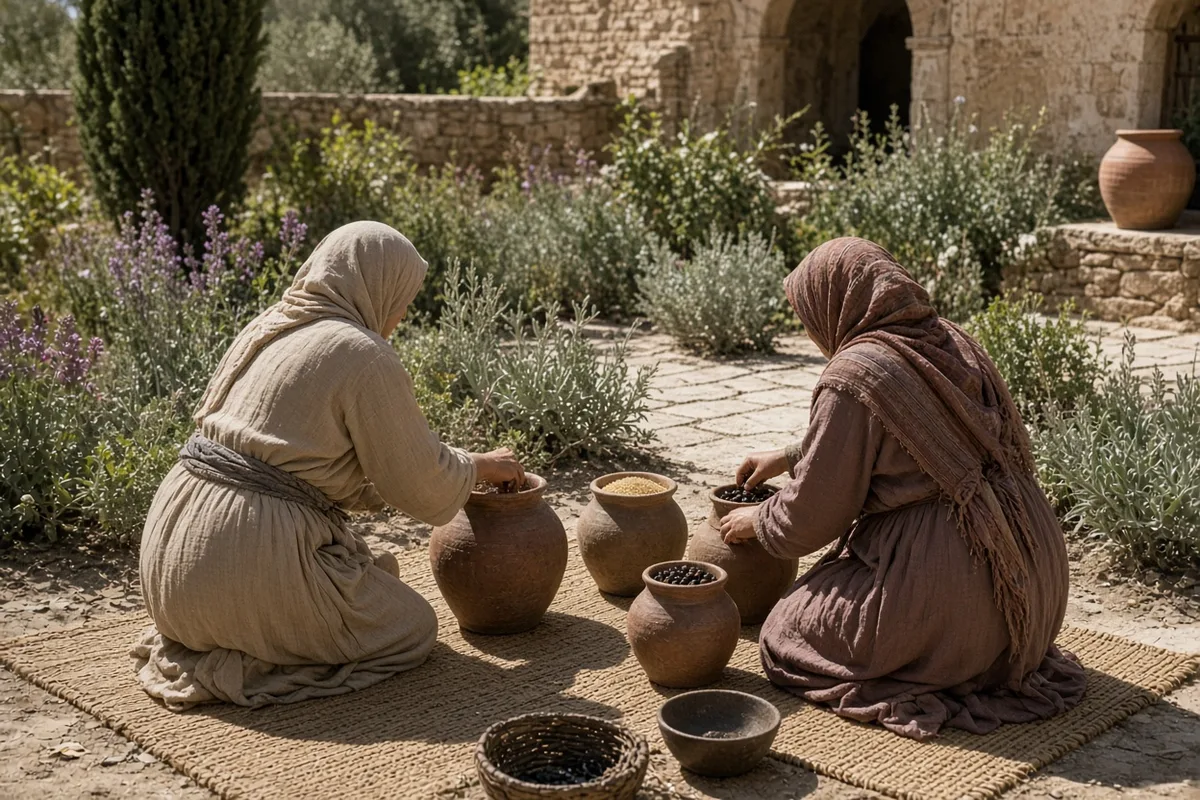
By spring the garden plots had been marked out behind the chapel. Every woman who could stand took a row. Macrina worked at the end of the longest row, sleeves rolled above her elbows, the same as the rest. The soil there had never been turned before. We broke it with wooden spades because the iron ones had been given away.
Emmelia died in the autumn after that. She held Macrina’s hand and Peter’s until the end. The burial was in the family plot beside the river, as she had asked. Afterward Macrina returned to the common room and told the women that the rule would not change. The same prayers, the same meals, the same silence at night.
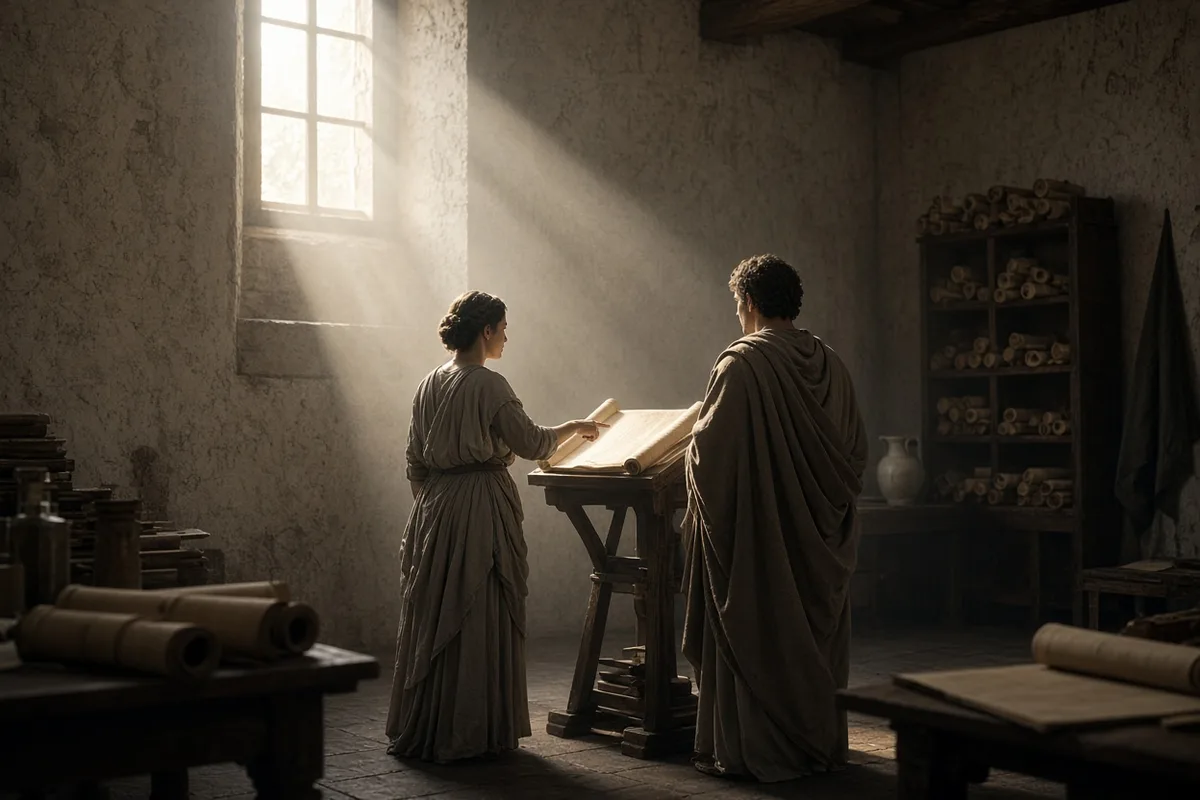
I stayed. Most of us stayed. The ones who had come with nothing now kept the keys to the storehouse in turn. The ones who had come with land signed it over to the community in the presence of a priest from Neocaesarea. Macrina recorded each name in a small book she kept under her pallet.
The year turned again. The river rose and fell. The women who had once served in the great house now taught the newcomers how to card wool and bake the flat loaves. Macrina walked the same paths she had always walked, only now the paths belonged to all of us who remained.
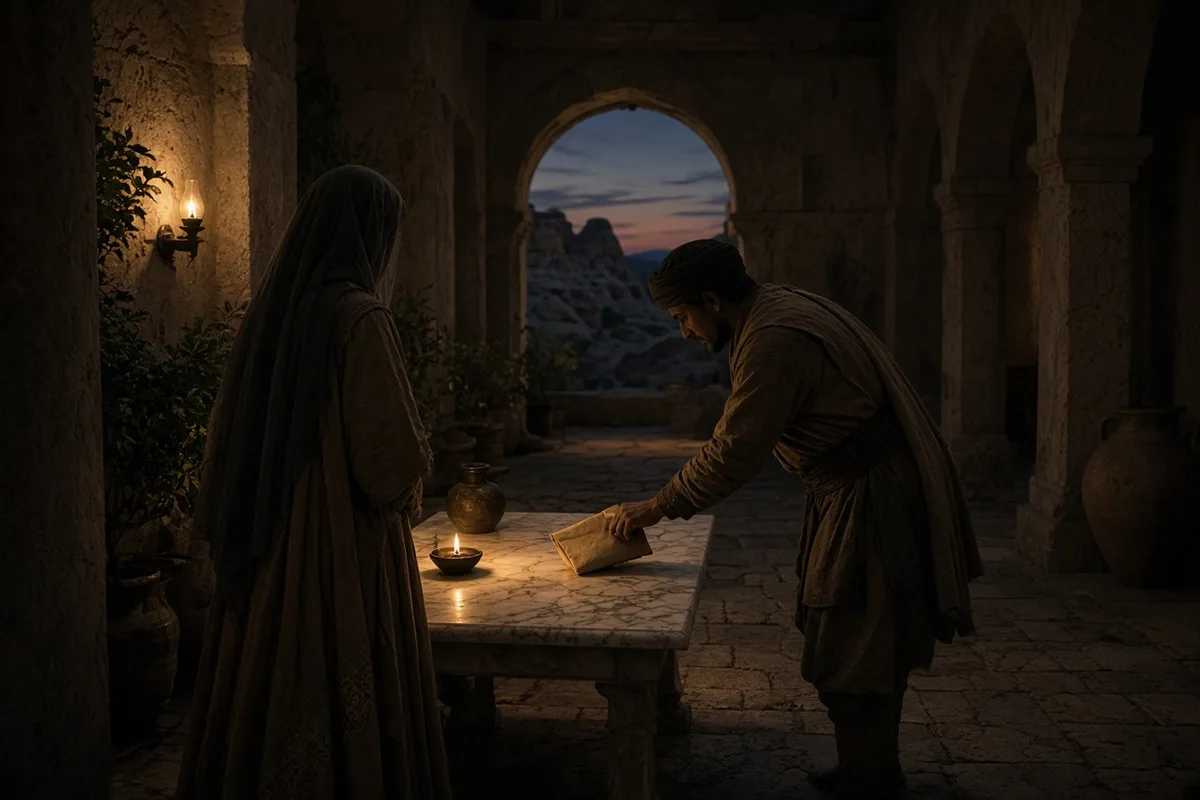
The year after that brought Gregory from Nyssa with two deacons and a letter from the bishop of Sebaste asking whether any of the women at Annisa could be spared to instruct the sisters at the new house on the Lycus. Macrina met him at the gate on the twenty-third day of the third month and answered that none would be sent until the rule had stood unchanged for five full years. Gregory stayed twelve days. He walked the rows with her each morning and asked the names of the women who had signed their fields to the community. One of them, a widow from Zela named Theosebia, showed him the book where Macrina had written the date and the size of each parcel: forty-two iugera in all, entered in the month when the first snow had fallen after Emmelia’s burial. Gregory noted the entries on a separate leaf and left it with the priest at Neocaesarea before he returned south.
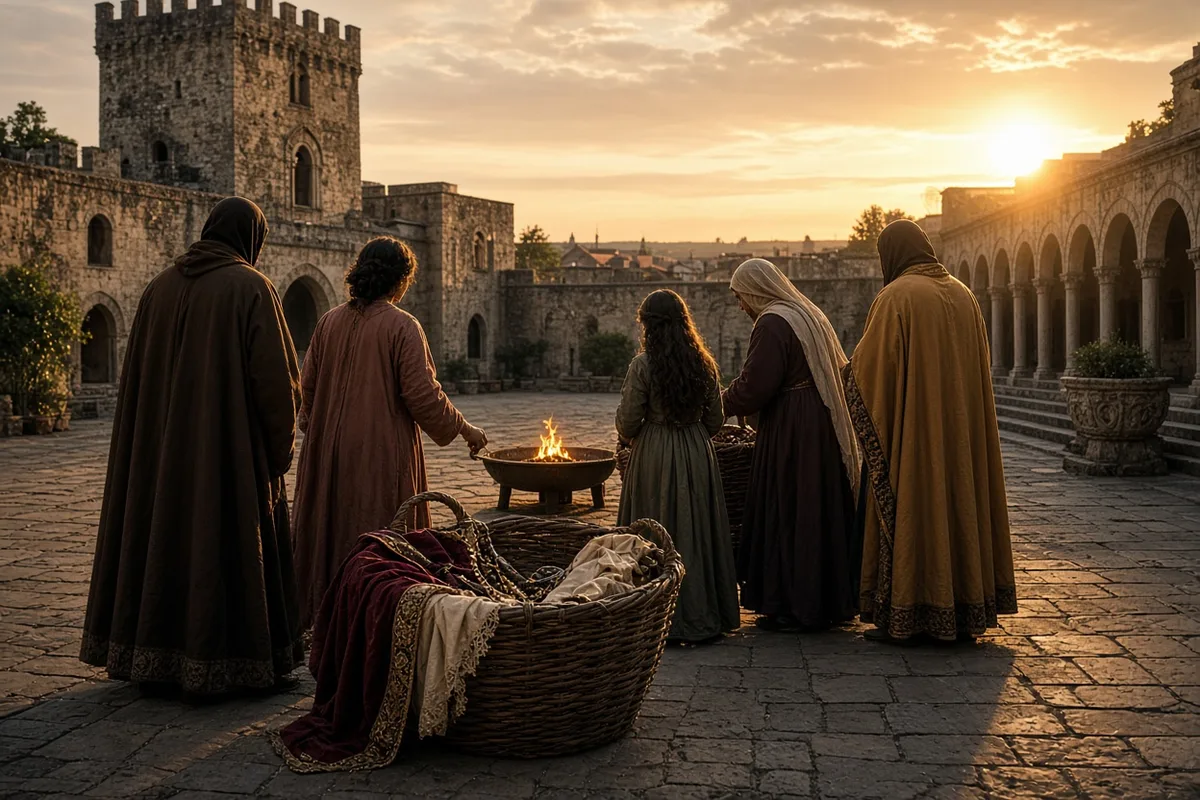
Three winters later the river froze solid enough for carts to cross on the ice. Macrina ordered the storehouse opened on the sixth day of the first month and measured out grain for the village families whose own stores had run out. She kept a tally on the same board used for the common loaves, marking each measure with a notch so that the number given away could be replaced from the next harvest. Peter arrived from Sebaste at the end of that month with news that Basil had died in Caesarea. He brought the cloak Basil had worn on his last visit and placed it on the bench where Macrina sat after evening prayers. She folded it once and set it inside the chest that held the community’s deeds, then told the women the next day’s work would begin an hour earlier to make up the time lost in mourning.
By the eighth year the number of women had reached sixty-three. Macrina divided them into groups of seven for the night watches, each group responsible for keeping the lamps lit in the chapel and the water jars filled before the first bell. She herself took the middle watch on the nights when fever moved through the pallets. On the seventeenth day of the ninth month a girl from Amasea arrived carrying a letter from her father, a magistrate who offered twenty solidi if his daughter could be received without the usual questions about silence and shared property. Macrina read the letter aloud to the assembled women, then returned it to the girl and said the community accepted only what could be placed in the common chest without condition. The girl stayed, and her name was added to the book beneath the entry for the fields at Zela.
Gregory came again in the spring of the tenth year, this time alone, and remained through the summer to help rebuild the south wall of the chapel after the winter rains had undermined the foundation stones. He brought with him the written account he had begun of their sister’s life and read portions of it aloud in the common room after the evening meal. One passage described the day Macrina had refused the silver dishes Basil sent from Caesarea; she corrected the wording in his presence, saying the dishes had not been refused but sent on to the poorhouse at Neocaesarea, and she asked him to note the exact number: seventeen pieces, each weighed before they left the house. Gregory altered the page that evening and left the corrected sheet on the bench for any of the women to read.
In the twelfth year Macrina fell ill on the feast of the martyrs at Sebaste. She continued to mark the benches with chalk each morning until the fever kept her on the pallet nearest the door. Peter came from Sebaste with two priests and stayed until the end. On the nineteenth day of the seventh month she asked to be carried to the chapel so she could hear the night office. The women lifted the pallet and set it before the altar. Before the final psalm she spoke to those nearest her, saying the words Gregory later recorded in the letter he sent to the monk Olympius: “I have kept the rule as it was given, and the names in the book are the proof.” She died before dawn. Peter washed the body and laid it in the family plot beside Emmelia, then returned to Sebaste the same day.
The community continued under the rule Macrina had set. The women who kept the keys to the storehouse changed every third month, and the book of names was recopied when the original pages grew thin. Peter visited once each year until his own death at Sebaste in the twenty-third year after Macrina’s. After that the visits stopped, yet the same number of women remained at Annisa, and the same fields were worked. The chapel wall Gregory had helped repair stood another forty years before it was replaced with stone taken from the old bathhouse foundation.
When I was the last of the original women still able to rise for the first prayers, a traveler from Constantinople stopped at the gate and asked to see the house where Macrina had lived. He was shown the common room and the book of names, now kept in a wooden box beside the altar. He copied three entries onto a tablet and left before the evening bell. The woman who took the keys from me the following spring was the daughter of the widow from Zela. She recorded my name in the book on the page after the entry for the forty-two iugera, then walked with me to the river path where the reeds had grown back. I watched her return to the gate before I turned toward the plot where the markers for Emmelia and Macrina stood above the water line.
The stone marker for Emmelia bore the date of her burial on the nineteenth day of the ninth month, cut by a mason from Amasea who charged three solidi paid from the common chest. Macrina’s marker stood a pace to the left, its inscription limited to her name and the year of her death, entered by Peter before he returned to Sebaste. I remained at the river path until the bell for the third hour, then walked back through the garden rows where the widow’s daughter from Zela had already begun turning the soil with the wooden spade once used by Macrina.
In the fourteenth year after Emmelia’s death the priest from Neocaesarea brought a copy of the letter Gregory had sent to the monk Olympius, dated the twenty-fifth day of the eighth month. The letter recorded Macrina’s final words as “I have kept the rule as it was given,” and it listed the forty-two iugera at Zela together with the seventeen silver dishes sent onward to the poorhouse. The priest read the passage aloud in the common room, then added his own note that the community at Annisa now numbered seventy-one women, each assigned a place at the benches marked in chalk.
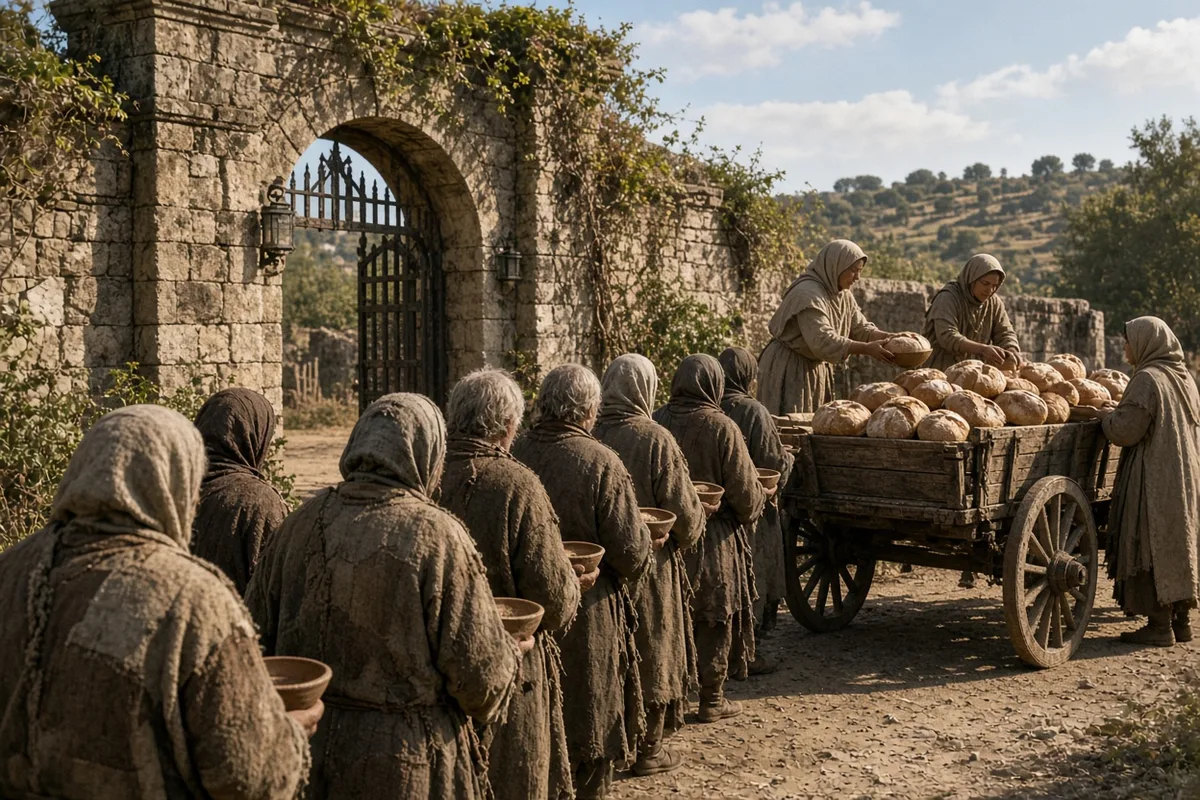
The daughter of Theosebia from Zela, named Theodosia in the book on the page following the original entry, took charge of the storehouse keys in the seventeenth year. She measured out twenty-six measures of grain on the sixth day of the first month for the families whose carts crossed the frozen river, marking each notch on the same board Macrina had used. The tally showed that the amount replaced from the next harvest reached forty measures by the feast of the martyrs at Sebaste, entered in the recopied book beside the names of the seven women who kept the night watches that season.
A deacon from the house on the Lycus arrived in the twenty-first year carrying a request for two women to instruct the sisters there in the rule of silence after the evening bell. Theodosia met him at the gate and answered that none would be sent until the five-year period had been observed again under the new keepers of the keys. He stayed seven days, walked the rows with her each morning, and copied the names of the women who had signed additional parcels: nineteen iugera from a widow at Amasea and twelve from a family at Zela, both recorded on the leaf he carried back to the bishop.
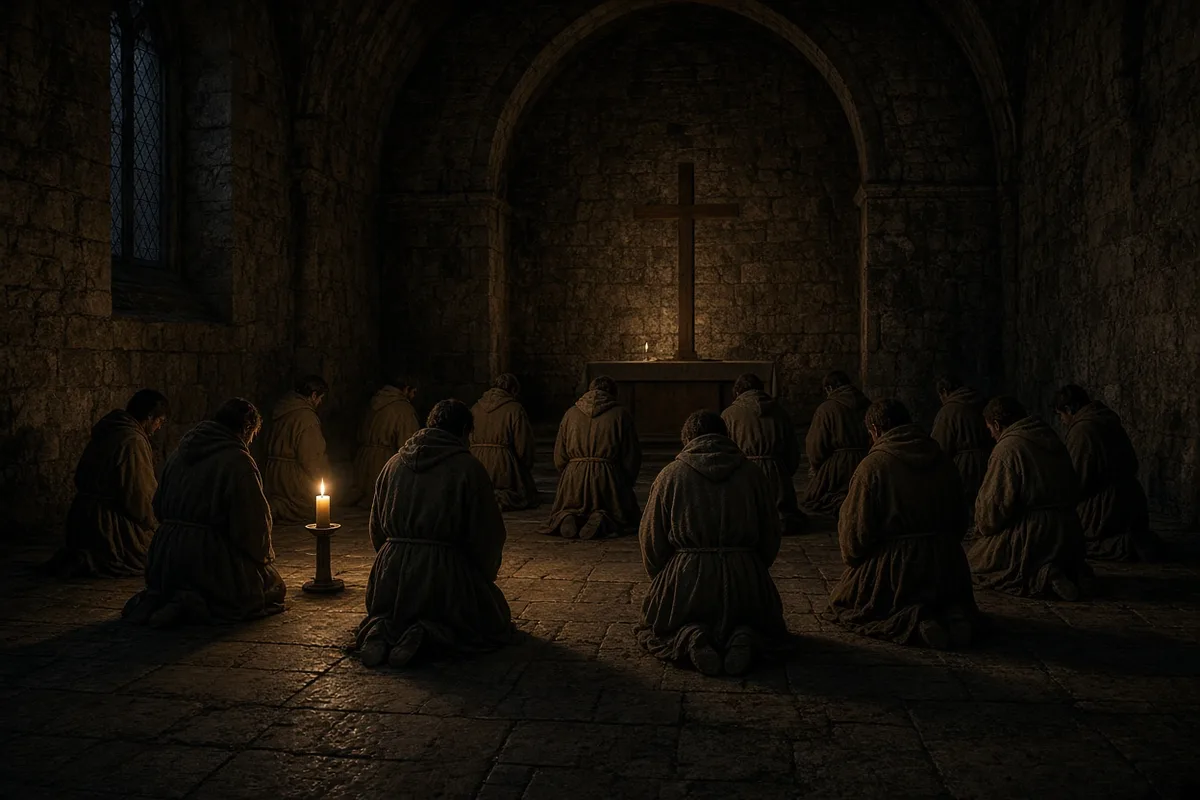
By the thirtieth year the chapel wall built from the bathhouse stones had been replaced twice, the second time with blocks hauled from the quarry at Neocaesarea at a cost of eight solidi recorded in the margin of the book. The number of women stood at fifty-eight, divided again into groups of seven for the watches, with Theodosia taking the middle watch on nights when fever passed through the pallets. She washed the body of the last woman who had arrived with land and laid it in the family plot before the others woke, then returned to the common room to mark the benches for the next day’s seating.
I reached the age when I could no longer rise for the first prayers in the thirty-seventh year after Macrina’s death. Theodosia recorded my name on the page after the entry for the forty-two iugera, noting the date as the twelfth day of the fourth month and the fact that I had remained since the summer the river ran low. She walked with me once more to the river path where the reeds stood above the water line, then turned back to the gate while I sat on the bench near the markers until the bell sounded for the evening meal.
The woman who received the keys after Theodosia added three further entries in the book before the pages were placed in the wooden box beside the altar: the name of a girl from Sebaste on the twenty-third day of the sixth month in the forty-second year, the size of a new parcel of nine iugera from a family at Amasea in the forty-fifth year, and the final tally of grain given to the village on the sixth day of the first month in the forty-ninth year, measured at thirty-one measures and replaced by harvest. The last image I held was of that box, its lid closed, resting on the bench where Basil had once placed his cloak.