



Malaysia Rohingya Face Worship Restrictions, Detention Fears
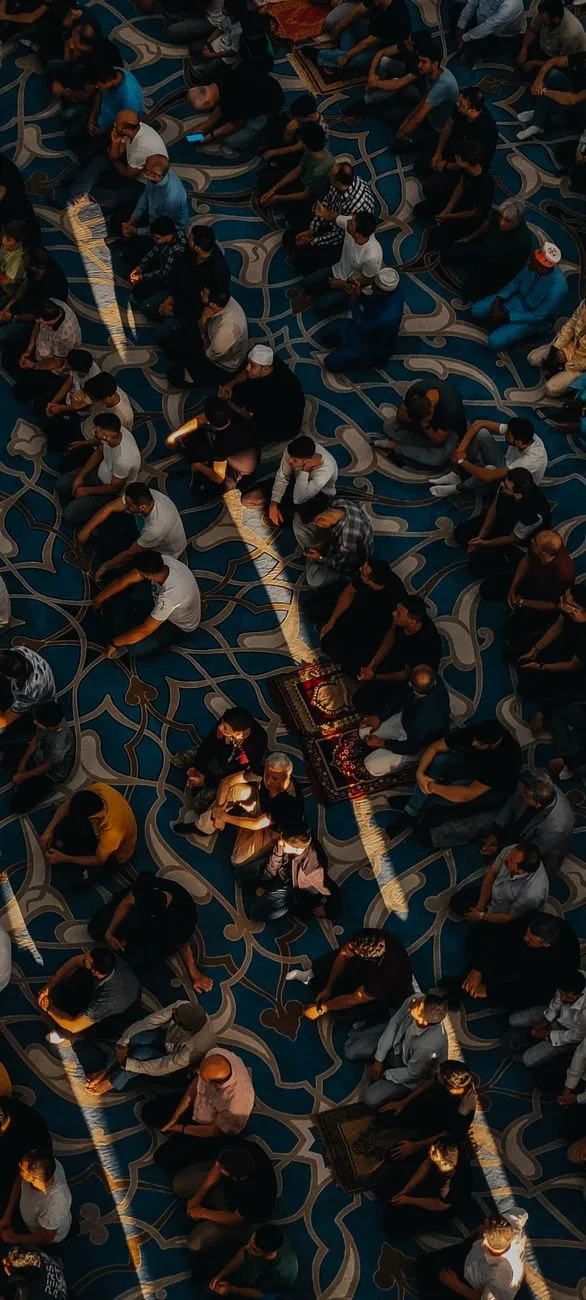
Mohammed Rafique learned his wife had died without being able to say goodbye. He fled Myanmar in 2009; his wife and five children stayed in Bangladesh while he continued to Malaysia. He earns 30 ringgit (USD 7.50) a day collecting scrap and mostly prays at home for fear of immigration authorities. Nur Sadek fled in 2017 after soldiers opened fire and bullets struck his tin roof; he left with only the clothes he wore. His mother died in Bangladesh, and he said visiting her grave "has become like a dream for me." About 126,000 Rohingya were registered with UNHCR in Malaysia as of February 2026. Malaysia does not legally recognize refugees, limiting worship, education, health care and fair wages. CSW, diagnosing the tension, said religious solidarity is often overtaken by social and cultural differences between the groups and that Rohingya cannot register their own places of worship. Sadek said most lack their own imam because mosques are run by Malay imams. His group, Rohingya Rights Response, has documented unwelcome banners at some mosques. Nurul Hakim fled in 2010 via Thailand and can pray freely, yet misses praying with his villagers. Zahidah Begum fled in 2013; her father, an imam who taught daily from 8 a.m. to 4 p.m., broke his leg escaping a raid and later died in Bangladesh from an untreated infected injury. "I don't know what the future holds for us," she said. About 700,000 Rohingya fled the 2017 crackdown into Bangladesh.

