



China's Mao nostalgia surges among youth who never lived under him
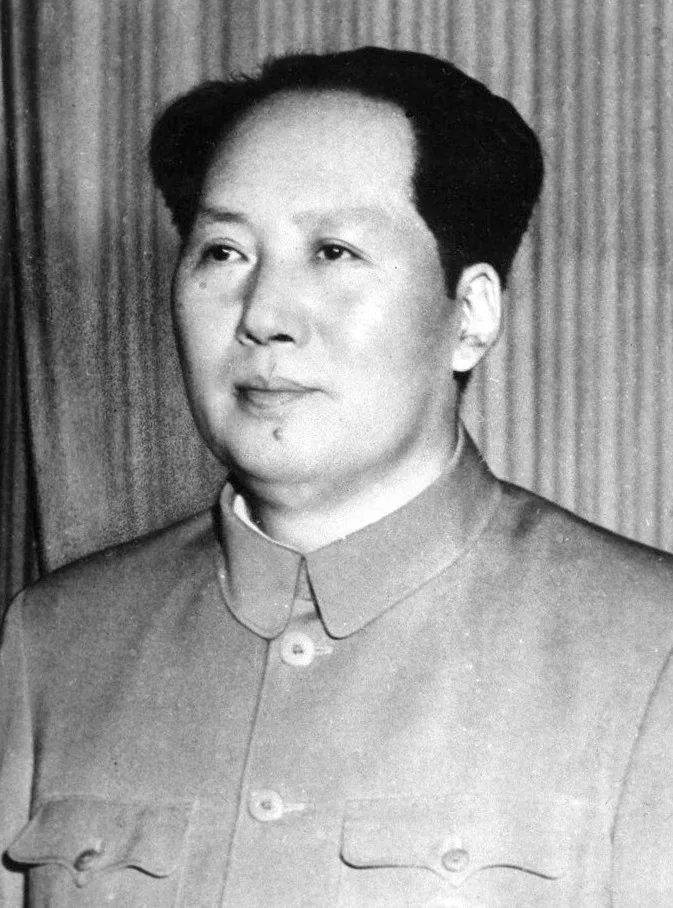
Nostalgia for Mao Zedong’s egalitarian ideals is resurfacing in China as economic growth slows and concerns about inequality, long working hours and intense competition deepen. In Nanjie village, residents retain a cooperative ownership model that provides free housing, while Mao’s murals, statues and socialist slogans attract tourists and admiration, including from younger Chinese who did not experience his rule. Dazhai, another former Mao-era model village, similarly draws visitors who remember the period as one of collective purpose despite widespread poverty. Mao remains officially honored as a revolutionary leader, but the Communist Party has also acknowledged that the Cultural Revolution was a grave mistake, while public discussion of the era’s darker episodes remains constrained. Historians attribute mass starvation and millions of deaths to Mao-era policies, whereas defenders of the revolution emphasize improvements in life expectancy, public health and economic development after 1949. The renewed idealization therefore reflects both contemporary frustrations and a selective, sanitized memory of a period marked by major social gains as well as severe repression and catastrophe.