



Marcus Aurelius drilled Stoicism as daily self-therapy under fire
In 60 seconds
- A frail asthmatic boy wept when succession was forced on him; a loan of Epictetus from Rusticus turned him from rhetoric toward philosophy as a discipline of living.
- Composure came less from willpower than from sorting controllable effort from uncontrollable outcomes during years of stalled Danube wars.
- Rehearsing loss, illness, and death in advance blunted their shock and paired with gratitude for what still remained.
- The view from above shrank insults and setbacks inside cosmic time without denying they mattered.
- Catching the value judgment behind a raw impression is the same mechanism later built into cognitive therapy thought records.
- During the Antonine Plague and Avidius Cassius’s coup, Marcus kept governing and refused revenge, treating calm as trained skill.
The big idea
Robertson argues that the Meditations is not a philosophical treatise but Marcus Aurelius’s private notebook of psychological exercises, used daily to survive grief, war, plague, and betrayal. He shows those exercises—control-sorting, loss rehearsal, cosmic perspective, judgment-catching, death contemplation—mapping closely onto tools of modern cognitive behavioral therapy when tested against real crises of the reign.
The book in brief
Robertson opens on a frail, asthmatic child steered into imperial succession by Hadrian’s arrangement with Antoninus Pius. Marcus never wanted the throne; he preferred philosophy and reportedly wept when told he would inherit. The hinge is a book loan: tutor Junius Rusticus handed him Epictetus’s Discourses, transcribed from a former slave’s lectures. That encounter pulled him off Fronto’s rhetoric and toward philosophy as a daily discipline aimed at the gap between an event and a person’s reaction to it. Hardship was already ordinary—his father’s early death, recurring illness—so resilience felt necessary rather than decorative.
From Epictetus comes the working habit that structures the Meditations: sort what is up to you from what is not. Faced with military setbacks, insults, or incompetence, Marcus asked which slice he could actually steer—his effort, honesty, judgment—and which he could not—enemy tactics, Senate gossip, another man’s character. Decades commanding along the Danube during the Marcomannic Wars supplied the concrete drill: campaigns dragged on, plague thinned the ranks, outcomes piled up outside his reach. Notebooks show him redirecting attention to the quality of his own decisions, the only place effort could land. Robertson links the move to Albert Ellis’s rational emotive behavior therapy, which openly credited Epictetus.
Preparation for the uncontrollable came next. Marcus lost at least eight of his thirteen or fourteen children. The Meditations show him rehearsing such blows beforehand—reminding himself that everyone he loved was mortal and everything he owned was on loan—so real misfortune arrived familiar rather than unthinkable. The exercise paired with gratitude for what remained, raising present appreciation instead of low-grade dread. A companion move, the view from above, pictured the empire and then the earth as a small object inside vast time; an insult or stalled campaign shrank without being denied. Both habits could be run mid-crisis.
Underneath sits the core mechanism: separate the bare impression from the value judgment layered onto it. A courtier’s rudeness is words and movements; the sting is the added verdict that it is intolerable. Marcus’s repetitive journaling drilled that catch the way an athlete drills a movement. Robertson draws the straight line to Aaron Beck’s cognitive therapy and its thought records. The Antonine Plague, likely smallpox, starting around 165 CE, then tested the whole kit at scale—by some estimates killing several million, gutting the legions, killing advisers and possibly co-emperor Lucius Verus. Marcus governed from camps at Aquileia and the Danube, conscripted slaves, gladiators, and bandits, used price controls, and kept deciding rather than consulting oracles or retreating into denial.
Betrayal supplied the sharpest interpersonal test. In 175 CE Avidius Cassius declared himself emperor on a false rumor of Marcus’s death. Recorded response was regret at losing the chance to pardon, not a demand for vengeance; Cassius died by his own soldiers’ hands, and Marcus burned the correspondence unread and treated the family with restraint. Wrongdoing, on the Stoic reading, springs from confused judgments about the good, which removes anger’s usual fuel. The arc ends with daily death contemplation as exposure, then Marcus’s own death in 180 CE near Vindobona, reportedly calm after decades of rehearsal. The Meditations themselves—no chapters, constant repetition, addressed to no one, original title roughly “notes to himself”—confirm the thesis: a private therapy notebook whose act of writing was the point, ancestor to modern thought records and structured self-reflection.
Context
Donald Robertson, a Stoicism scholar and working psychotherapist, published the book in 2019 to ground Stoic ideas in one documented life rather than abstract maxims and to show their overlap with evidence-based psychology. His dual training is most visible where he treats the Meditations as a case file of technique instead of philosophy to admire. The aim is practical: historically tested methods for grief, illness, betrayal, and sustained pressure.
The key ideas

1
Forged in illness and duty
Marcus’s Stoicism was a survival toolkit built from chronic illness and an unwanted destiny, which is why it still reads as practical psychology rather than antique moralizing.
Robertson starts with the body and the trap of succession, not with doctrine. A sickly asthmatic child is adopted into Hadrian’s arrangement with Antoninus Pius. He prefers philosophy; he weeps when power is confirmed as his future. Early death of his father and his own recurring illness already saturate the education, so talk of resilience is not ornament.
The real turn is small and concrete: Junius Rusticus loans him Epictetus’s Discourses. Rhetoric under Fronto gives way to philosophy understood as a discipline of living. Robertson uses the shift to state the book’s through-line—Stoicism as exercises rehearsed daily, aimed at the gap between what happens and how one reacts.
Method follows at once. Each later chapter will pair a documented episode from the reign with one Stoic technique and its modern cognitive-behavioral cousin. The promise is not an emotionless sage but a working method built by someone who needed it for decades under real pressure.
In practice: Marcus reportedly wept when told he would inherit the throne, then reoriented after Rusticus handed him Epictetus rather than more rhetoric.

2
Sort what you can steer
Most of Marcus’s composure came from the repeated habit of separating his own judgments and actions from outcomes, reputation, and other people’s choices.
Up to you
Your effort, honesty, judgment, and next action
Not up to you
Enemy tactics, Senate gossip, others’ character, final outcomes
The doctrine that structures nearly every Meditations entry is simple: some things are up to us, some are not. Robertson refuses to leave it as a slogan. He turns it into a working question asked under load.
A military reverse, a rival’s insult, a subordinate’s failure—Marcus’s practice was to isolate the slice he could actually move. Effort, honesty, and judgment sat inside the circle. Enemy tactics, Senate gossip, and another man’s character sat outside. Energy spent on the outside was energy wasted; the discipline was catching the waste and correcting course, not reaching a final calm.
Robertson ties the same split to Albert Ellis’s rational emotive behavior therapy, which explicitly named Epictetus as ancestor, and to the modern habit of labeling which parts of a stressor are actionable versus which must be tolerated. Redirection, not resignation, is the point.
In practice: During the long Marcomannic Wars on the Danube, campaigns stalled for years and plague thinned the ranks; notebooks show Marcus returning attention to the quality of his own decisions because that was the only place effort could land.
3
Rehearse loss before it lands
Deliberately imagining loss, illness, and failure in advance blunts real misfortune by making it familiar, then pairs with gratitude so the exercise raises appreciation rather than dread.
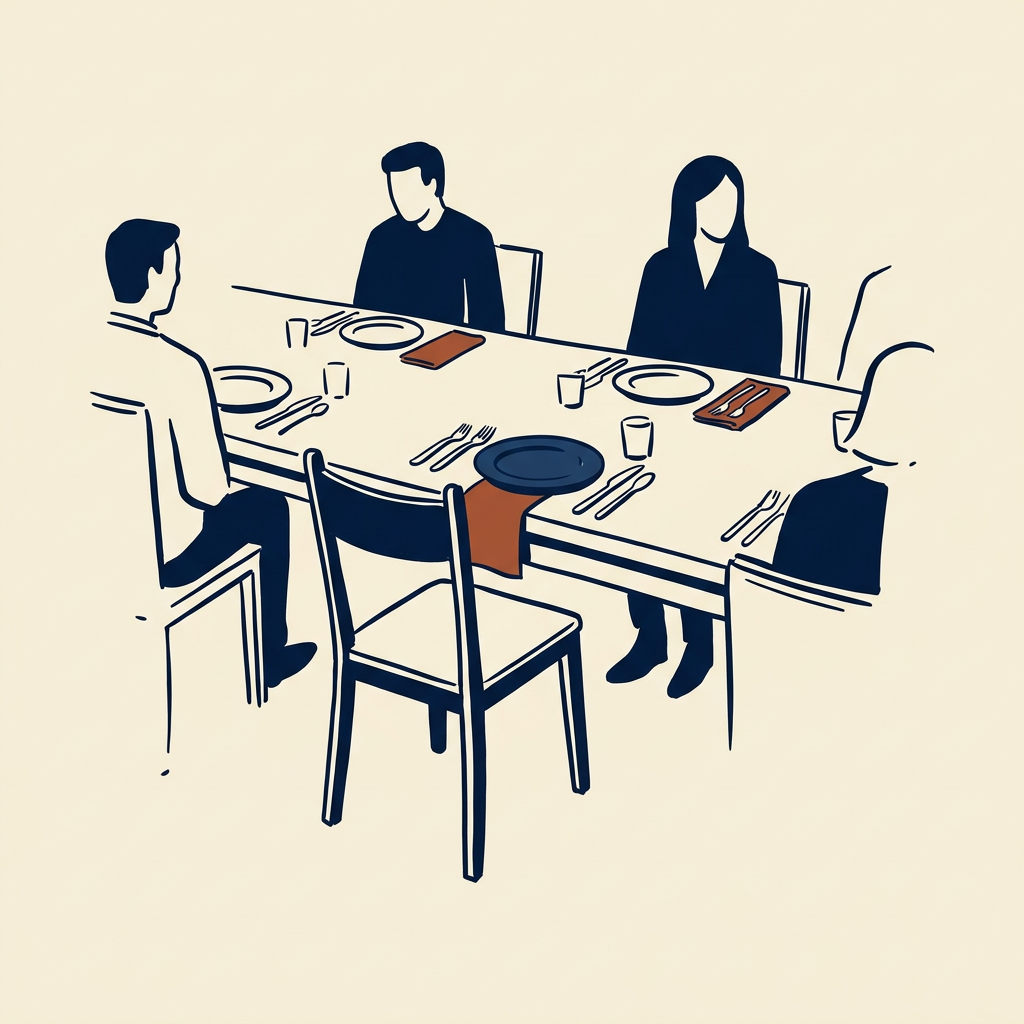
Once the control split is clear, Robertson turns to what sits outside it. Premeditatio malorum—premeditation of evils—is the inoculation. Marcus reminds himself that colleagues may betray, campaigns may fail, he himself may die today, and everyone he loves is mortal.
Robertson frames the move as exposure: run the feared scene in a controlled way so the nervous system’s shock response drops when the scene arrives for real. Avoidance, not contemplation, is what leaves a person with no practiced reply.
The objection is obvious—won’t this breed constant low-grade dread? Robertson’s answer is the paired turn back to gratitude. After imagining the loss of a spouse or a limb, attention returns to what is still present, undiminished. The design is more life now, not less.
In practice: Marcus lost at least eight of his thirteen or fourteen children; the notebooks show him mentally rehearsing such blows so they would not arrive as unthinkable.

4
Widen the frame from above
Mentally picturing events from a vast height and long timescale shrinks personal grievances without requiring suppression or denial of emotion.
- Cosmic spanEarth and deep time as the widest frame
- Empire as objectThe whole realm seen small from height
- One reign’s flickerA single rule as brief inside history
- This hour’s stingInsult, fever, or setback returned to scale
Rehearsal alone does not finish every feeling. Marcus repeatedly pictures the empire, then the whole earth, as a small object seen from height, and his own reign as a brief flicker inside cosmic time.
Robertson treats this as a cognitive exercise, not poetry. When a courtier’s insult or a stalled campaign bites, deliberately widen the frame: this army, this fever, this hour is one instant inside a life inside history and nature. The recalibration is useful information, not a claim that the pain is unreal.
He matches it to modern distancing work—view the distress from far away or from years later—to lower charge without pretending the event never happened. Because it can be run in the middle of a crisis, it became one of Marcus’s most frequent tools.
In practice: Exhausted by a stalled campaign or stung by court rudeness, Marcus would picture the scene as one flicker inside an immense span so the grievance shrank to size.

5
Catch the judgment mid-flight
Distress is produced less by events than by the value judgments layered onto bare impressions—the same mechanism Aaron Beck later placed at the center of cognitive therapy.
Here Robertson names the engine under the earlier techniques. The Stoic line, associated with Epictetus, holds that it is not things but judgments about things that disturb us. Marcus practiced catching the automatic reaction while it was still forming.
Pause. What bare fact occurred? What interpretive label snapped on top? A courtier’s rudeness, stripped down, is a sequence of words and movements; the sting is the verdict that it is shameful or intolerable. Journaling served as the drill—restating the same insight in slightly different words entry after entry—because insight alone does not rewire habit; repetition does.
Robertson’s dual training as scholar and working therapist shows clearest here. He reads the Meditations as a case file of technique, functionally kin to a modern thought record that isolates automatic thoughts and tests them against evidence.
In practice: Faced with what felt like disaster or insult, Marcus separated the raw sequence of events from the added label, then asked which part was actually causing the distress.
6
Keep governing through plague
Stoic acceptance of bodily fragility, rather than denial or false optimism, is what let Marcus keep functioning as ruler during a mass-mortality catastrophe.
Technique now meets a sustained real-world test. The Antonine Plague, likely smallpox, sweeps the empire from around 165 CE. Ranks gut; advisers die; co-emperor Lucius Verus may be among the dead. Marcus still has northern wars to fight.
He governs from military camps at Aquileia and along the Danube. He conscripts slaves, gladiators, and bandits to keep an army in the field. He turns to practical measures such as price controls on food during shortages instead of oracles, blame on divine anger, or retreat from responsibility.
Robertson’s claim is blunt: training that treats the body as fragile and disease as ordinary in nature prevents the paralysis that hits someone who expects the world to be fair. The same kit is built for prolonged physical threat in a reader’s life, not only for minor social irritations—which is part of why the philosophy outlasted its first setting.
In practice: While plague killed soldiers and advisers, Marcus kept issuing orders and managing depleted legions rather than freezing or fleeing into superstition.
7
Answer betrayal without revenge
Marcus’s non-retaliatory response to Avidius Cassius’s coup shows Stoic cosmopolitanism working as a practical anger-defusing technique, not empty sentiment.
Expected reply
Fury, vengeance, and a wide purge of anyone implicated
Recorded reply
Regret at lost pardon, letters burned unread, family treated with restraint
In 175 CE the general Avidius Cassius, acting on a false rumor that Marcus was dead, declares himself emperor. This is about as severe a provocation as the Roman world offered a sitting ruler.
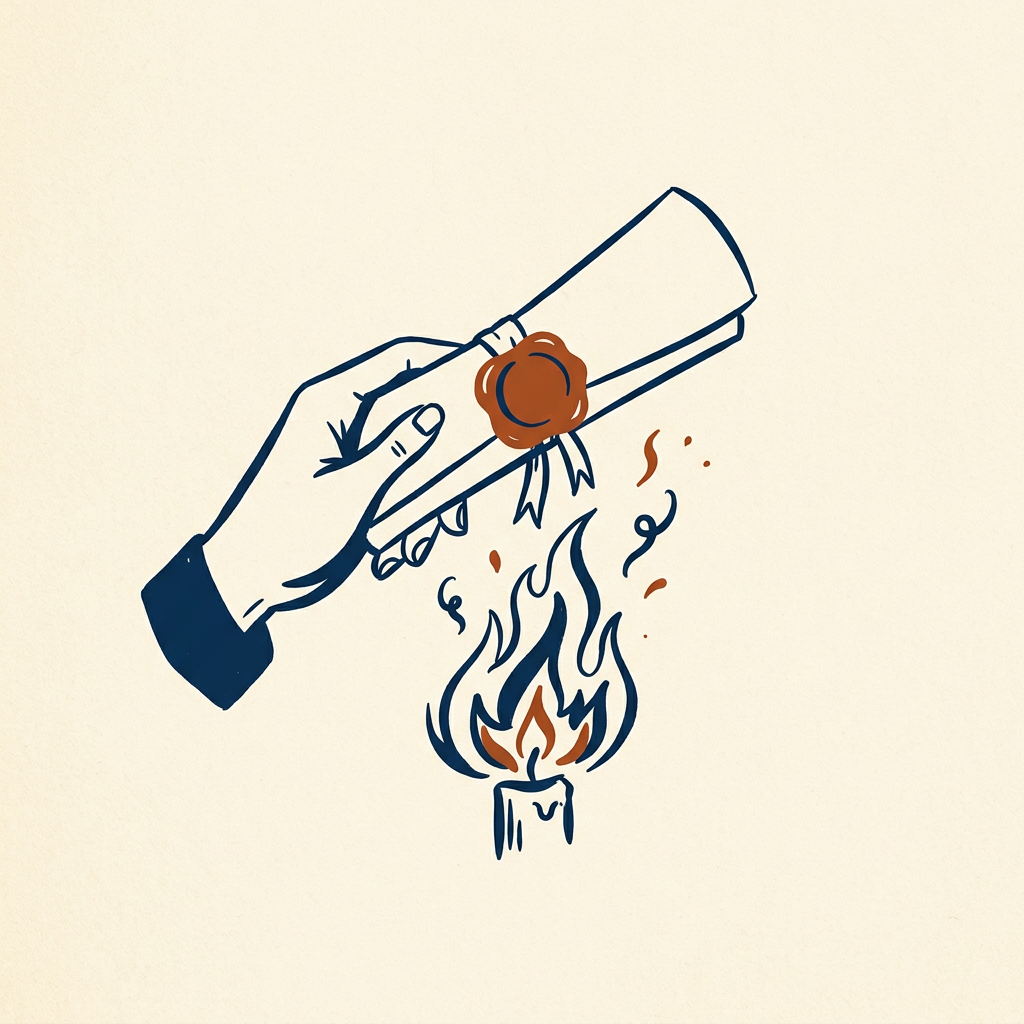
Recorded reaction is not fury. Marcus reportedly regrets losing the chance to demonstrate that a philosopher-emperor could pardon a wrong. Cassius is killed by his own soldiers before Marcus arrives. Marcus is said to burn Cassius’s correspondence unread rather than hunt co-conspirators, and to treat the rebel’s family with restraint.
Robertson ties the restraint to the doctrine that other people’s wrongdoing stems from confused judgments about what is good, not pure malice. Seeing that removes anger’s usual fuel. Modern anger work that asks for the perpetrator’s perspective without excusing the harm runs on the same logic: protect your own judgment from hijack.
In practice: After the coup collapsed, Marcus burned Cassius’s letters unread and spared a purge of those who might have been named inside them.

8
Meet death in advance
Daily contemplation of his own death worked as repeated exposure that reduced fear and increased present engagement, culminating in a reportedly calm death on campaign.
- daily practiceRemind himself he could die that very day
- alongside dutyTurn attention back to people and tasks still present
- 180 CEDies on campaign near Vindobona, likely plague-related
- final hoursTradition: calm instructions, no visible terror
The arc ends where the notebooks constantly return: you could die today, and living well does not require living long. Robertson reads the reminders as deliberate exposure to a feared thought until panic loosens its grip.
Far from despair, the rehearsal sits beside renewed attention to duty and to the people still present. Confronting mortality directly, rather than dodging the topic, can heighten present-moment use of the time left.
Marcus dies in 180 CE at a military camp near Vindobona, likely from plague-related illness during renewed fighting against Germanic tribes. Later historians describe him calmly instructing attendants and his son’s guards with no visible terror. Robertson notes that death-bed scenes are often morally embellished, yet the private pattern across the Meditations supports equanimity as a trained disposition, not a pose added after the fact.
In practice: In his final days near Vindobona he is reported to have given calm instructions to attendants and guards after decades of rehearsing the same fact.
9
A notebook, not a treatise
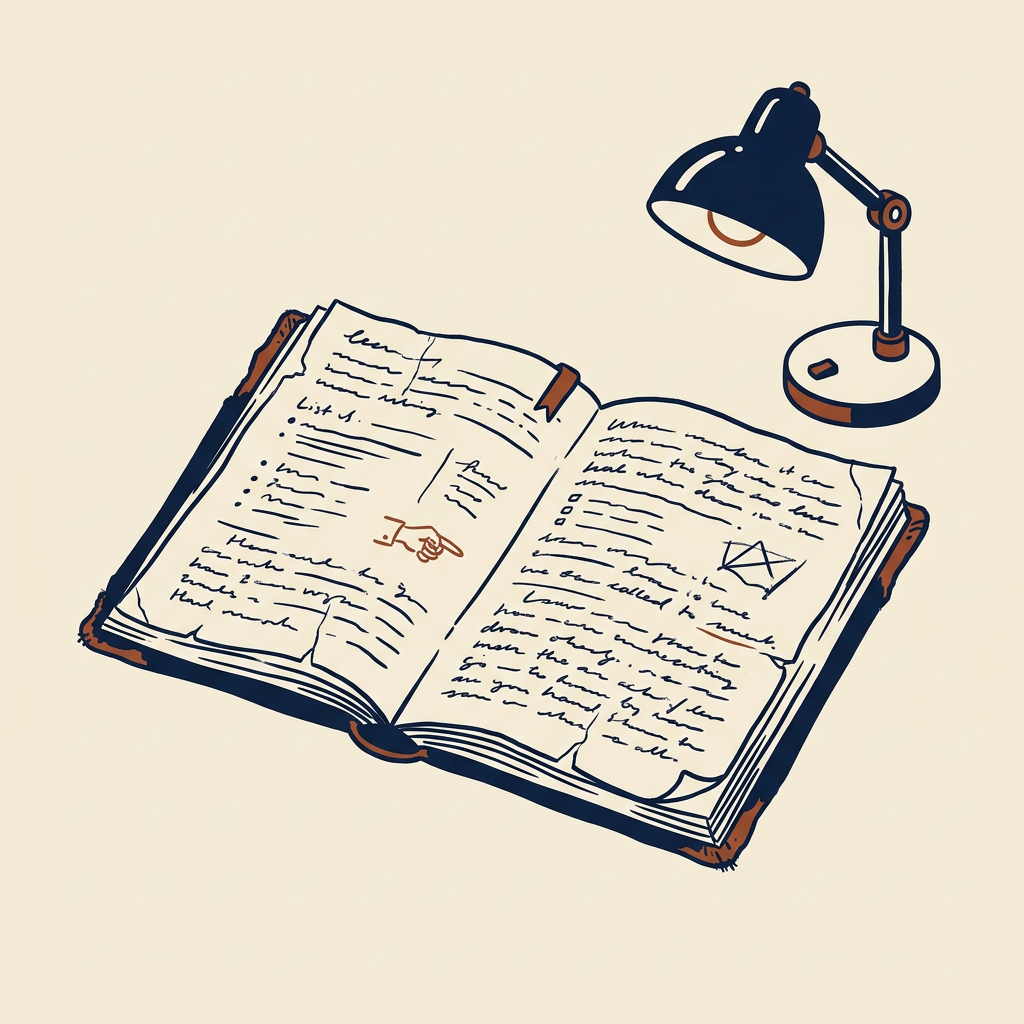
The Meditations’ repetitive, unpolished, address-less form is strongest proof it was Marcus’s private exercise journal, which is why it still functions like a therapy workbook.
The final step back explains the strange primary source itself. No chapter structure, constant repetition, no reader addressed, likely never meant for publication. The original Greek title translates roughly to notes to himself.
Robertson leans on Pierre Hadot’s account of ancient philosophy as spiritual exercises rather than a body of doctrine to defend. Writing down faults, rehearsing arguments against one’s own excuses, revisiting core principles so they stay reachable under stress—that is the real content. The act of writing is the practice.
This framing justifies the whole book’s method of pairing biography with technique. Read as finished philosophy, the Meditations look odd and repetitive. Read as a working notebook, the oddness is the evidence. Modern cognitive-behavioral thought records, gratitude journaling, and structured self-reflection are, whether users know it or not, direct descendants of exactly this kind of private written drill.
In practice: Marcus restates the same insights in slightly different words entry after entry, drilling a cognitive skill the way an athlete drills a single movement.
Key terms
- dichotomy of control The split between what is up to you—your judgments and actions—and what is not: outcomes, reputation, other people’s choices.
- premeditatio malorum Deliberately imagining loss, illness, or failure in advance so real misfortune arrives familiar rather than shattering.
- view from above Picturing a grievance from great height and long timescale until it shrinks to proportion without being denied.
- impressions vs judgments Bare facts of what happened, separated from the value labels you immediately stick on them that actually cause the sting.
- cosmopolitanism Seeing other people as members of a shared human community whose wrongs often come from confused judgment, which drains anger’s fuel.
- spiritual exercises Hadot’s name for ancient philosophy practiced as repeated drills—writing, rehearsing, reframing—rather than beliefs held in the abstract.
- notes to himself Rough sense of the Meditations’ original title: a private working journal, not a book written for an audience.
What to do
- Start a ten-minute daily write-up that sorts one recent stress into what you controlled and what you did not, then name one action still available.
- Before a hard event this week, spend two minutes picturing the worst plausible outcome in concrete detail, then list what would remain unaffected.
- When someone’s behavior spikes a reaction, write the bare facts on one line and your judgment on the next, and mark which line carries the distress.
- Keep every entry in one place and reread the week’s pages once instead of writing once and forgetting.
- After any loss-rehearsal, name three things still present you would miss if they were gone tomorrow.
Questions to think with
- Which recurring worry of yours is actually spent on something outside your control, and what effort could move back inside the circle?
- If you rehearsed one concrete loss you dread, what present good might come back into sharper view afterward?
- When you last felt insulted, what was the bare sequence of events and what verdict did you add?
- Does calm ever risk becoming a way to tolerate a harm you should still resist?
- What would change in your week if death were allowed onto the page for two honest minutes a day?
The other side
The strongest fair criticism is that equanimity can help the powerful tolerate injustice rather than challenge it—a tension Robertson only briefly notes through Marcus’s position as an emperor whose calm rarely required him to confront structures such as slavery—while much of the inner life Robertson narrates is necessarily reconstructed from undated private notes and later, often unreliable historians, and the Stoicism-to-CBT mapping can flatten the ancient metaphysics of providence that originally gave the exercises their point.
Who it's for
Readers who want Stoic ideas grounded in a documented life rather than maxims, people curious about cognitive behavioral therapy’s ancient roots, and anyone facing sustained adversity who prefers historically tested coping drills over generic self-help will get the most from the full book.