


Mary Slessor Stops the Killing of Twins
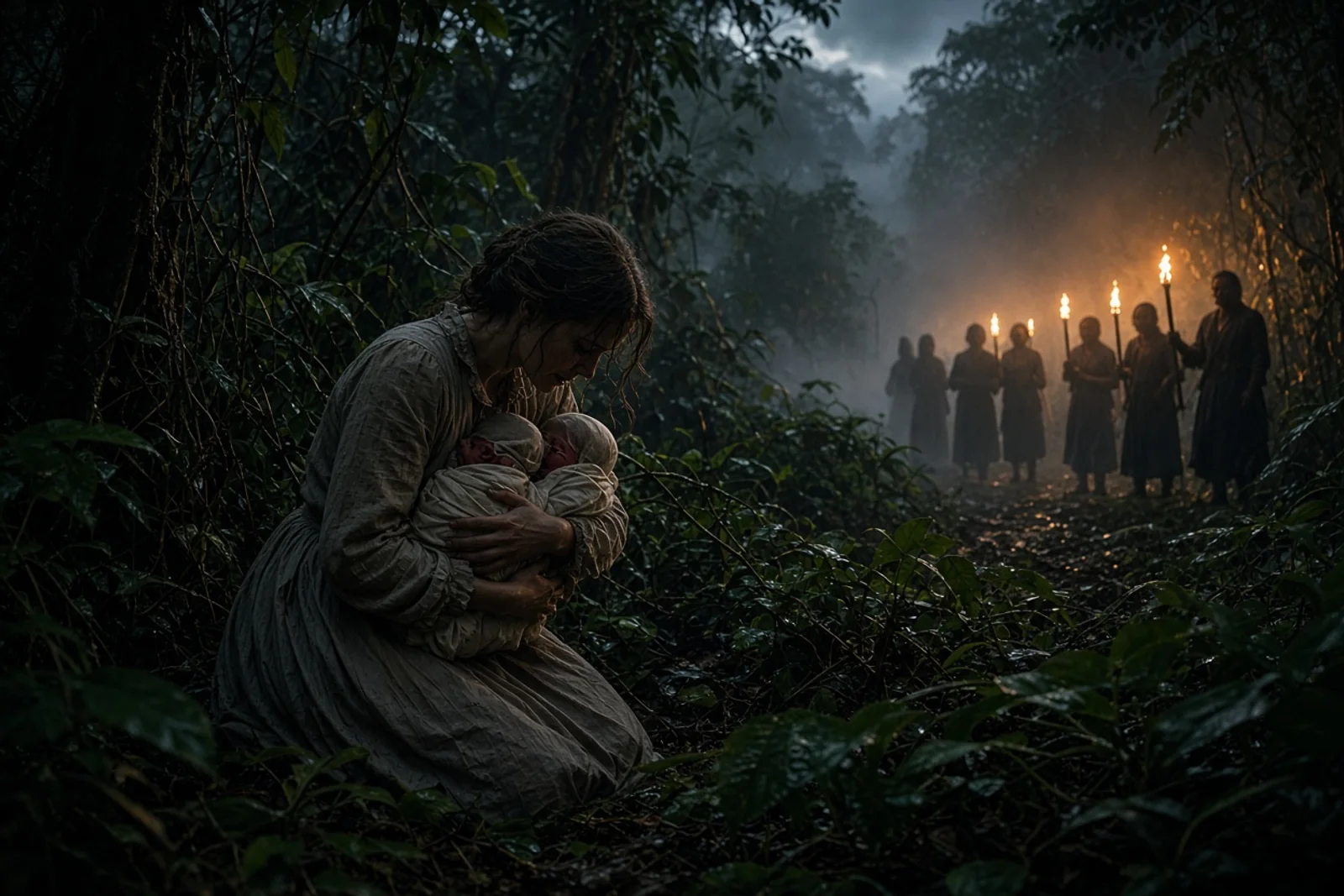
I ran because Ma ran, and when Ma ran through the bush at Okoyong there was no keeping up with her by walking. Mud sucked at my ankles. Ferns whipped my arms. Somewhere ahead of me her red hair had come loose from its pins, and I could track her by that alone, a rust-colored flash between the palms, moving toward a compound where a woman had just given birth to two children instead of one.
I had heard the wailing before I saw the huts. Not the wailing of grief exactly. Something else. Fear has its own pitch, and the people of that compound were making it, gathered at a careful distance from a hut as if the air near the door might poison them.

We had grown up knowing what twins meant. One of the two children was fathered by an evil spirit, the elders said, though nobody could say which one, and so both were guilty by default, and the mother was guilty too, marked as a woman who had let something unclean pass through her body into the world. A birth like that was not a joy in Efik country. It was a catastrophe waiting to happen to everyone nearby unless it was stopped, and stopping it meant the bush, meant a broken pot for a coffin, meant leaving the small bodies out where the ants and the leopards would finish what the fear had started.
This was not new in the year Ma came among us, and it did not end with her arrival either, whatever the stories later told in Scotland liked to claim. Long before I was born, a British consul named Beecroft had struck a bargain with King Eyo the Second and King Archibong the First, back in 1849, promising an end to the killing. The chiefs agreed, then the agreement crumbled, the way promises do when no one is watching, and by 1855 Beecroft came back with soldiers and pulled down part of a town to make his point stick. That same year another consul, Hutchinson, wrung a fresh promise out of King Duke Ephraim and the assembled chiefs. And a missionary named Edgerley, with his wife, had already gone out into the bush in 1852 and carried back living twins with his own arms, the first time anyone in the mission records could say for certain that it had been done and word had gotten around. Twenty-one years of agreements and threats and rescues had passed by the time Ma Slessor's ship dropped anchor. I want that remembered, because it is true, and because it does not make what I watched her do in Okoyong any smaller.

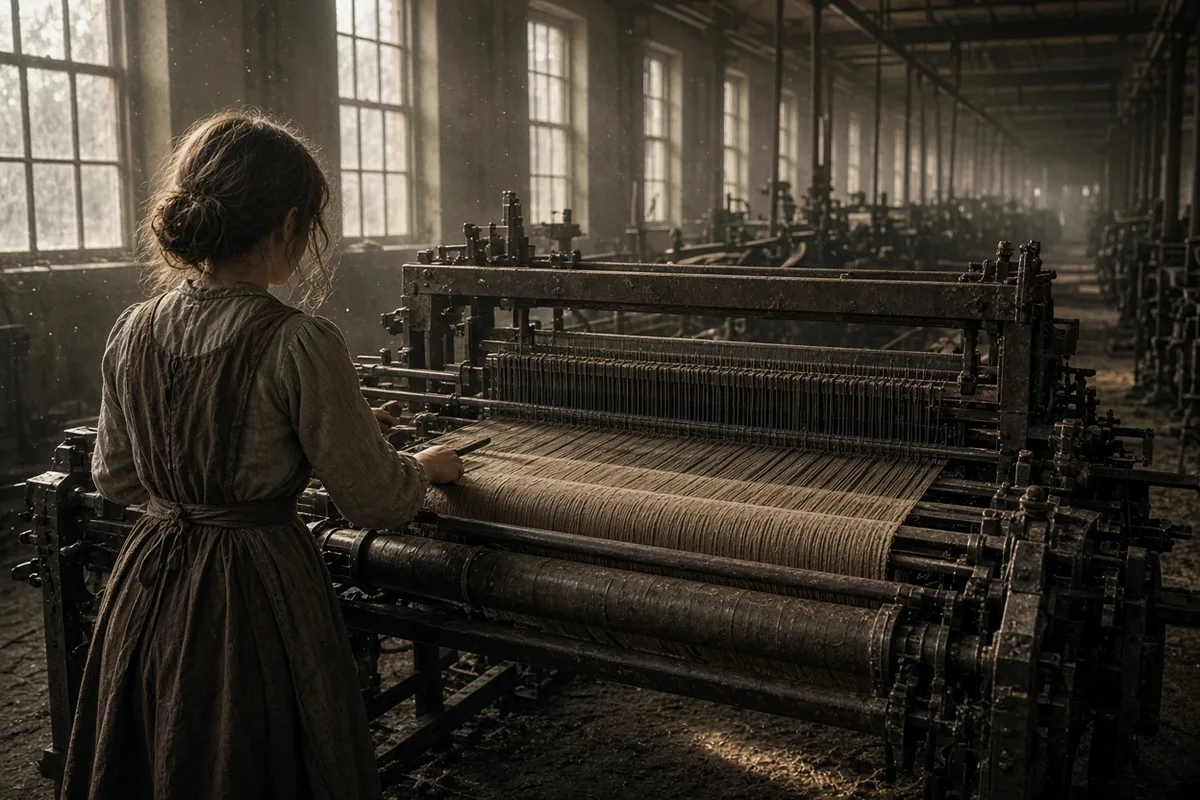
She had not been born to any of this. She had been born in Aberdeen and raised in Dundee, in a house where her father drank himself toward an early grave and her mother held to the kirk like a rope in deep water. Mary went into the jute mills as a girl, twelve hours at the frame, and she gave nearly everything she earned to keep her brothers and sisters fed. She used to say she wanted to go where David Livingstone had gone, out to the unmapped places, and in 1876, twenty-eight years old, she sailed for Calabar on a ship called the Ethiopia, carrying almost nothing and expecting, I think, that God would supply the rest.
At first she lived the way missionaries were supposed to live, inside the compound walls with the other Europeans, learning the Efik tongue from a patient old teacher named Hugh Goldie, keeping her Sundays and her linen proper. But something in her would not stay inside those walls. She started eating what we ate, going hungry sometimes because she had posted her wages home to Dundee and had nothing left for herself. She learned to speak the way we spoke, not the missionary version but the market version, the version with jokes in it. Her hair gave her away everywhere she went, that red under the sun like a coal that would not go out, and her eyes were pale as rainwater, and children stared, and old women reached out to touch her sleeve just to see if a white woman's skin felt like anything at all.

So when word came that a birth had gone wrong in a compound not far from her house, she did not send a boy to fetch the elders and wait politely for permission. She went herself, and those of us who had learned to follow her went with her, because we had already seen what happened when nobody came in time.
We reached the hut and the smell told me before my eyes did. Somebody had wanted this over with quickly. A woman crouched near the doorway, and I remember her hands, how she kept them pressed flat against her own knees as if to stop them from moving toward the babies lying just inside on the packed dirt floor. Two of them. Small enough to fit both inside the crook of one arm. Nobody in that compound would touch them, not the mother, not the aunts standing back near the cooking fire, not the men who had already gone for a broken pot big enough to serve as a grave.
Ma did not shout. That was the strange thing about her, that she never seemed to need to shout. She dropped to her knees on that dirt floor as if it were a church floor, and she gathered up both children against her chest, one against each shoulder, and I heard her murmur something low in Efik that I was too far back to catch. The men with the pot stopped where they stood. Nobody moved to take the babies from her. I do not think anybody there had ever seen a person, black or white, walk directly toward a curse without flinching.
She carried them back to her own house herself, that same evening, wrapped in whatever cloth she had, feeding them palm oil and whatever milk could be found or improvised, sitting up with them through the fever nights that came, as they nearly always did, in the first days after a rescue like that. I helped her boil water. I helped her cut cloth into strips for binding. I had done this before, and I would do it again more times than I can now count with any confidence, because over the years that followed, the house filled and filled again with children nobody else in the territory would keep.
Some of those children I knew by name for the rest of my life. Others I only ever knew as a weight passed into my arms in the dark, crying, too small to know yet that the world into which they had been born had already tried once to end them. Dozens came through that house. Not a figure of speech. Dozens, one pair of twins after another, year on year, until it became almost ordinary in Ma's household for there to be more infants underfoot than any single woman should reasonably have been expected to manage, and yet she managed, feeding them from her own plate when the mission stores ran short, teaching the older ones to carry the younger ones on their hips the way girls all over Calabar were taught, so that the household began to look, from a certain distance, almost like any other large Efik family, except that every child in it had once been left for dead.
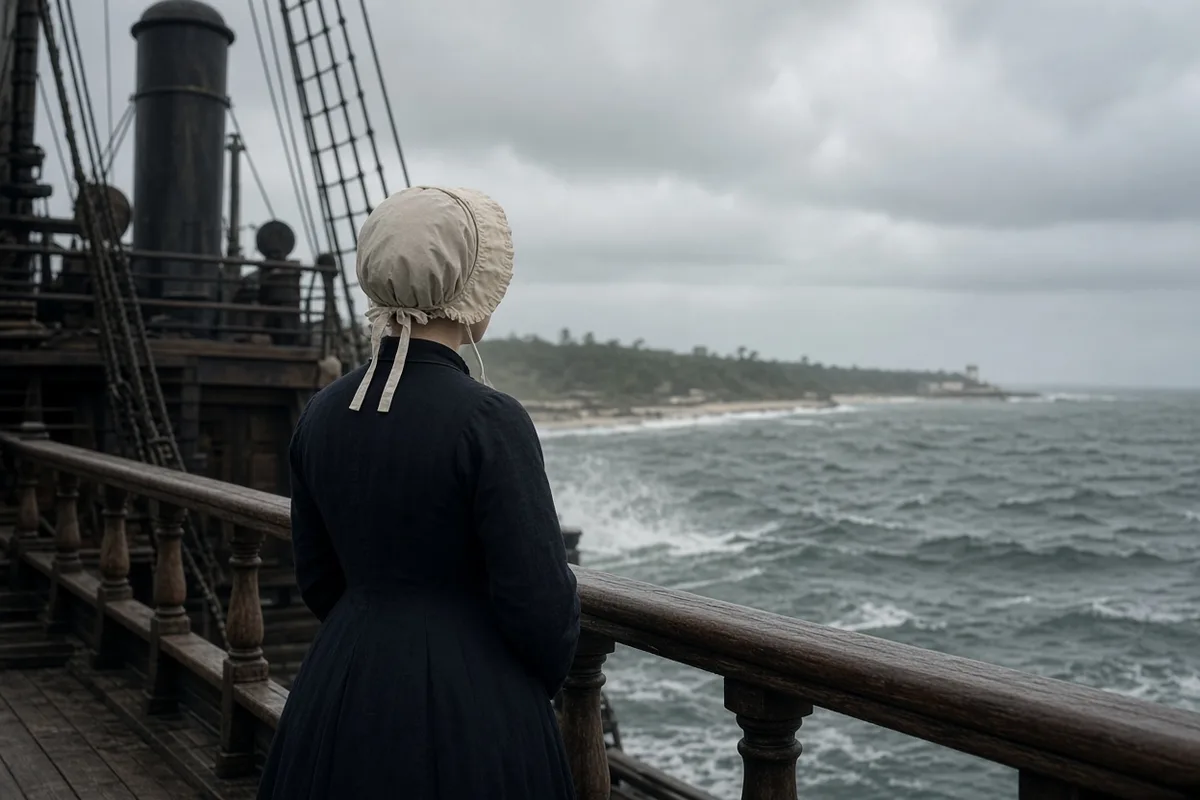
It was not soft work that changed things in the end, though. Ma had a hard use for her position too. By the time she had settled deep in Okoyong, away from the mission compound entirely, living the way no other European there would live, she had been made Vice President of the Native Court, a position that gave her something the earlier rescuers had never fully had, which was the standing to make a rule and see it enforced rather than simply pleading with grieving mothers after the fact. She used that standing the way she used everything else she was given, without much ceremony. She told the chiefs plainly that twin-killing would not be permitted in Okoyong any longer, and because the chiefs there had come to depend on her for settling their disputes, for talking down their wars, for standing physically between armed men more than once, her word carried a weight that a stranger's word never could have.
I will not pretend the fear went out of people overnight because a Scottish woman with a court title said so. Fear like that does not leave a people in a single season. Mothers still wept with shame when the second child came. Elders still muttered that calamity would follow the household that kept such children under its roof. But the killing itself, in the ground Ma had authority over, began to stop, because now there was a place the twins could go that was not the bush, and there was a woman with the standing to insist that they go there instead.
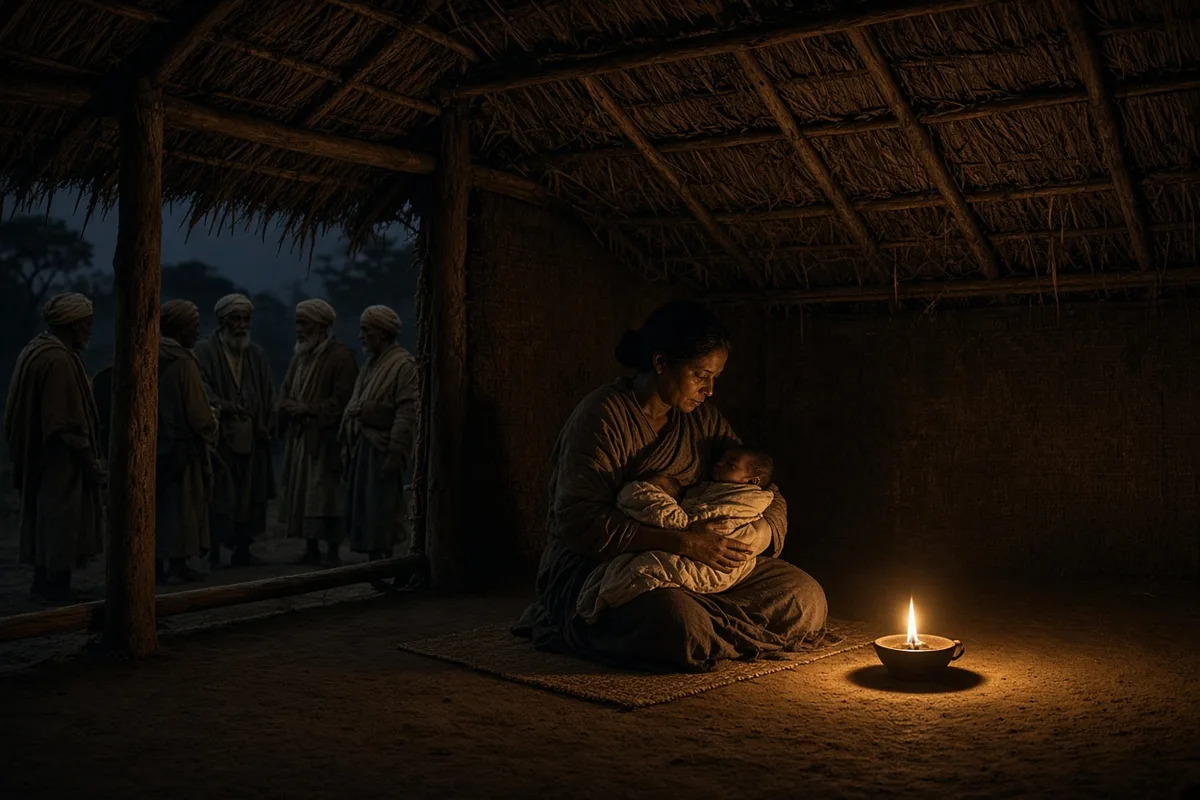
Other names deserve to sit beside hers, and I think she would have said so herself if anyone had asked her plainly, being a woman who did not care much for taking credit that belonged to somebody else. Reverend Edgerley and his wife had carried the first twins out of the bush a quarter century before Ma ever set foot in Calabar. Reverend Hope Waddell had spent decades pressing the same argument in mission halls and chiefs' compounds long before her ship arrived. Hugh Goldie, the same patient man who had taught her the language, had given his working life to the same slow argument. British consuls had bled treaties out of reluctant kings going back to 1849. What Ma added was not the first word spoken against the practice. It was a body willing to live inside the danger, a household willing to absorb the children nobody else would take, and, later, an official seat from which the old permission could be formally withdrawn rather than merely condemned from a pulpit.
She paid for it in her own flesh. In 1879 the fever caught her the way it caught most Europeans who stayed in that climate long enough, and she was sent home to Scotland to recover, thin and shaking, promising to come back the moment she was fit, which she did, because staying away was never really a decision she seriously entertained.
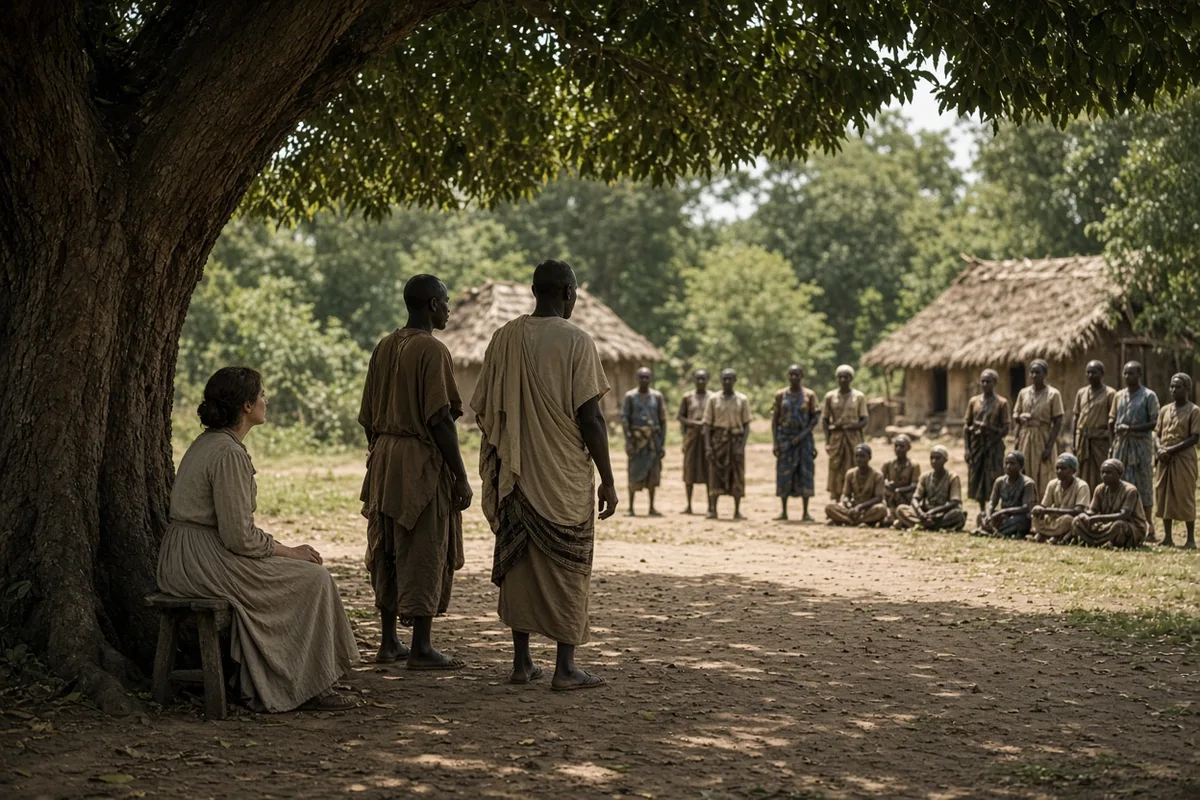
I grew up inside the reach of what she started, though I could not have told you, as a child carried into that house half-dead from exposure, what any of it meant. I only knew, later, as a grown woman helping to carry the next child in from the next compound, that a door had been opened in Okoyong that had never fully existed before, not because the fear of twins had ended, but because there was now somewhere for the fear to be turned aside.
She is on a banknote now, in a country most of the children she raised will never see, her face printed alongside her red hair on the Clydesdale ten-pound note, and there is a statue of her in Calabar with two small bronze figures held against her, and streets bear her name in a city she once walked barefoot through with her linen skirts stained by the same mud I remember on my own ankles. People visiting those streets are told, simply, that she stopped the killing, and it is not quite the whole truth, and it is not quite a lie either.
What I remember, when I let myself remember it plainly, is not a monument. It is a doorway, and a woman on her knees on a dirt floor, gathering up two children that an entire compound had already decided were beyond saving, and carrying them out into the evening air as if the weight of them were nothing at all.