



Mastery is a transferable skill built from mental habits

In 60 seconds
- Belief that ability is fixed turns losses into identity threats; belief that it is built turns them into data, and Waitzkin says that split predicts growth better than early talent.
- Durable drive comes from pleasure in the confusing middle of practice, not from trophies or the status of being ‘the talented one.’
- Mastery compresses a few principles into nearly invisible automatic motion instead of piling on more techniques.
- Fundamentals must be counted and drilled before they can be safely forgotten; unearned intuition fails under pressure.
- Peak focus absorbs noise and error rather than needing perfect conditions, and recovery speed after a mistake can be trained like any physical skill.
- Deliberate loss and even injury can expose weakness and become strategy, practices Waitzkin claims transferred from chess champion to martial-arts champion.
The big idea
Waitzkin argues that mastery itself is a transferable skill, built from how you relate to failure, distraction, and depth rather than from talent or domain tricks. The same internal disciplines that win a chess game, he claims, can win a push-hands match—so learning how to learn matters more than what you learn.
The book in brief
Waitzkin opens on why gifted young players often stall. He traces the stall to how wins get explained: praise for being a natural makes ability an identity badge, so losses feel like personal erasure and hard positions get avoided. Praise aimed at process treats a loss as a gap to close. That belief shift is the gate for everything else.
He then roots durable motivation in unstructured, low-stakes play—the park games that taught him to love ideas on the board before ratings and public roles took over. Once external validation and the prodigy story dominated, results suffered even as technique grew. Process pleasure has to outrank status or later methods collapse into fear.
The middle of the book turns technical. Techniques start large and explicit, then shrink into smaller circles until force appears with almost no visible motion. Fundamentals are counted and drilled first, then safely left behind so intuition under pressure is earned rather than assumed. Breadth without that compression leaves players brittle the moment a memorized line ends.
Focus and resilience come next. Brittle ‘hard zone’ concentration shatters on noise or gamesmanship; a ‘soft zone’ folds disruption into the work. Competitors who only protect comfortable lines stop finding real holes, so he argues for structured investment in loss. A single error often starts a downward spiral of frustration and further mistakes; recovery speed after the first error is trained directly, including through body-level drills that rehearse the return to calm.
Pattern recognition then changes the felt clock: chunked structures free attention so fast positions feel slower. The arc closes under real stakes, when he redesigned a world-championship strategy around a serious injury instead of wishing it away, treating the constraint as material the way a weak pawn structure becomes a plan. All the earlier habits had to operate together for the result to hold.
Context
Josh Waitzkin moved from chess prodigy to martial-arts world champion and treats that path as proof that the same learning disciplines travel. His childhood fame through the book and film Searching for Bobby Fischer is part of the story he tells—both platform and pressure. The 2007 book packages his practices as a meta-skill of learning rather than sport-specific tips.
The key ideas

1
Fixed label versus built skill
Whether a learner treats ability as fixed or grown decides if a loss feels like proof of inadequacy or useful data, and Waitzkin holds that belief predicts long-term development better than early talent.
Entity story
“You’re a natural” makes ability identity; losses threaten the self, so hard tests get avoided.
Incremental story
Praise the work and the search; losses become data about gaps, so harder tests get sought.
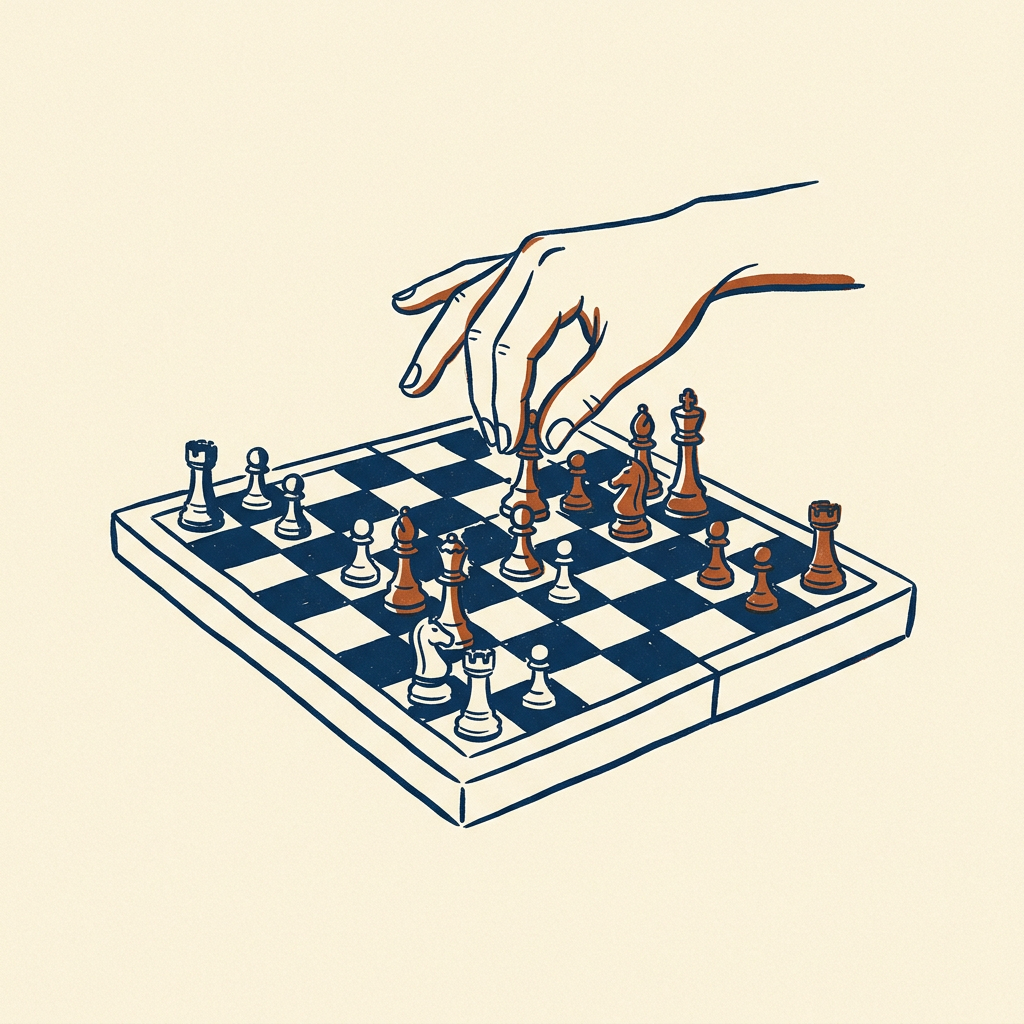
Waitzkin spent years watching promising young chess players flame out. He traces the pattern to the story told after a win. A child praised as a natural internalizes ability as identity. Every loss then threatens who they are, so they avoid hard opponents and brittle positions to protect the label.
A child praised for the work behind a good move treats a loss as information about a gap. He borrows the split between entity theorists, who see intelligence as fixed, and incremental theorists, who see it as grown through effort, and applies it to his own upbringing. His father avoided calling him a genius and instead asked what a loss had taught.
He contrasts two young rivals. One, showered with praise for raw gifts, stopped improving in his teens once harder workers arrived. The other, taught to love the struggle itself, kept climbing years after the first burned out. The claim is uncomfortable for parents and coaches who reach for talent praise as kindness: it can quietly wire fragility.
The fix is not to withhold praise but to aim it at process—the search for the idea, persistence through confusion, the willingness to sit with a losing position. Every later practice in his argument depends on first believing skill is built, not revealed.
In practice: A child labeled a natural starts ducking tough pairings to protect the badge, while a child asked what the loss taught keeps seeking harder games.
2
Pleasure in the messy middle
Durable excellence, Waitzkin claims, comes from real pleasure in the confusing middle of learning a skill, not from chasing the trophies that mark its edges.
Status fuel
Love of being ‘the player’ collapses when ratings, rivals, or publicity threaten the role.
Process fuel
Pleasure in plans and tangled positions keeps going without external confirmation.
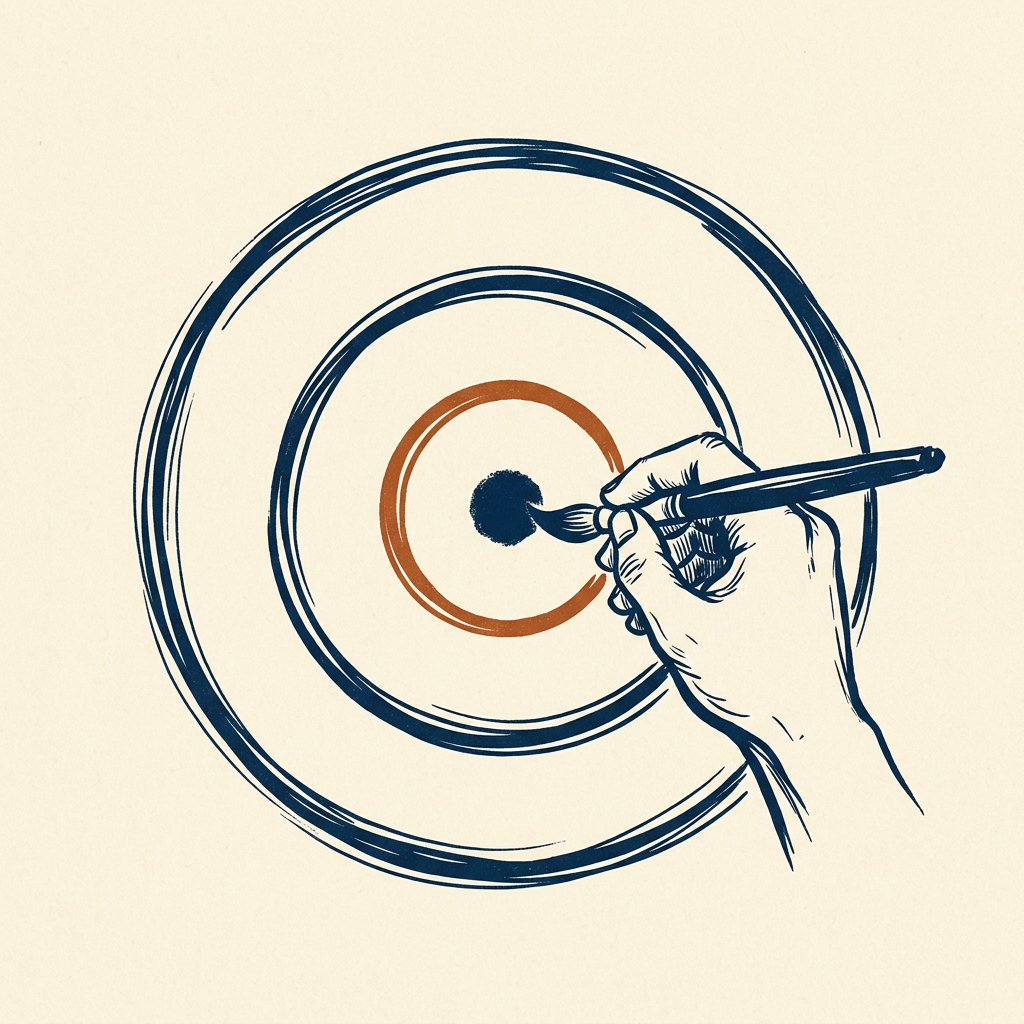
Before he was a tournament player, he learned chess in speed games against hustlers in Washington Square Park. Nobody there cared about his rating. The games were ideas, tricks, and the immediate feedback of a board in front of him. That unstructured stretch, free of results pressure, built intrinsic interest that later tournament anxiety could not fully erase.
Once his story became public through Searching for Bobby Fischer, he felt pressure to perform a role—prodigy, prince of chess—rather than simply play. Results suffered even as technical skill grew. Motivation anchored to external validation is unstable because winning is not fully inside a learner’s control.
Motivation anchored to process—the pleasure of finding a plan, of untangling a complicated position—survives losses, plateaus, and public scrutiny. He contrasts peers who loved the status of being a chess player more than the game and who quit once a bad result or stronger rival threatened that status.
Early training environments, he argues, should protect unstructured low-stakes exposure as long as possible before competition and ranking. Love of the middle, once lost, is hard to recover, and none of the later techniques work if the underlying fuel is fear of losing status.
In practice: Park hustlers and unrated speed games kept curiosity alive long after public prodigy pressure began hollowing out his tournament play.
3
Shrink the circle
Mastery is not stacking more techniques but progressively compressing a few principles until they run with almost no visible motion or conscious effort.
- Large circleExaggerated, fully conscious form so mechanics stay visible and correctable
- Tightening circleRepetition strips waste; the same principle needs less motion and less deliberate recall
- Near-invisible circleForce or the right move appears with almost no visible effort or conscious calculation
Waitzkin takes the image from Tai Chi Chuan. A beginner learns a technique as a large, exaggerated circular motion so the mechanics stay visible and correctable. Over years the same technique is refined into a smaller and smaller circle, until an expert generates the same force with a motion so slight an untrained eye cannot see it. The principle inside has not changed; extraneous motion has been stripped away.
He applies the same logic to chess. A student first learns an opening principle such as controlling the center as an explicit rule applied deliberately move by move. With enough repetition against enough opponents, the principle stops needing conscious recall and becomes a feel for the position. Strong moves can appear almost instantly even in fast time controls.
He argues real expertise lives in that compression. Many learners mistake breadth for depth, collecting more techniques and openings instead of refining the ones they already have into something faster and more automatic. Players who memorize dozens of opening variations without the single strategic idea behind them fall apart the moment an opponent leaves the memorized line.
The learner who has made small circles out of a handful of ideas can improvise indefinitely because the principle, not the sequence, is what has been internalized. Depth-first learning: master one form completely, shrink it, and only then move outward.
In practice: Memorizers of many opening lines collapse when the opponent deviates; players who internalized center control keep finding plans off-book.

4
Count, then leave the numbers
Technical fundamentals must first be learned explicitly and mechanically before they can be safely forgotten, because intuition that skips that stage is unreliable under pressure.
He uses a martial-arts phrase for a two-stage process. First the student counts, tracks, and consciously monitors every component of a technique. Then the counting is dropped once the technique is reliable without it. Skipping the first stage to find a ‘natural style’ too early leaves untested intuition that fails exactly when stakes are highest.
In chess this shows up as the difference between a player who has drilled endgame technique so thoroughly the correct move appears automatically and a player who relies on vague pattern-matching and only sometimes gets lucky. He recounts grinding basic king-and-pawn endgames as a young player—a stage that felt tedious beside flashy tactical middlegames—yet later let him abandon conscious calculation in blitz and trust his hands to find the right square.
The same logic applies outside games: a surgeon drills a procedure step by step until it is fluid; a musician practices scales until the fingers move without deliberate direction. Only then does either have freedom to improvise inside the form.
His point is not that intuition is generally unreliable, but that intuition earned through explicit repetition differs from intuition assumed without it. The learner who romanticizes natural talent and dodges the boring mechanical stage mistakes impatience for instinct, then collapses under pressure with no drilled foundation underneath.
In practice: Tedious king-and-pawn endgame drills later let him stop calculating in blitz and still land on the right square.

5
Build a soft zone of focus
Peak performance depends on absorbing disruption into your focus rather than needing ideal, distraction-free conditions to concentrate.
Hard zone
Needs silence and control; unexpected noise or gamesmanship shatters focus.
Soft zone
Treats disruption as environment; attention redirects and keeps working.
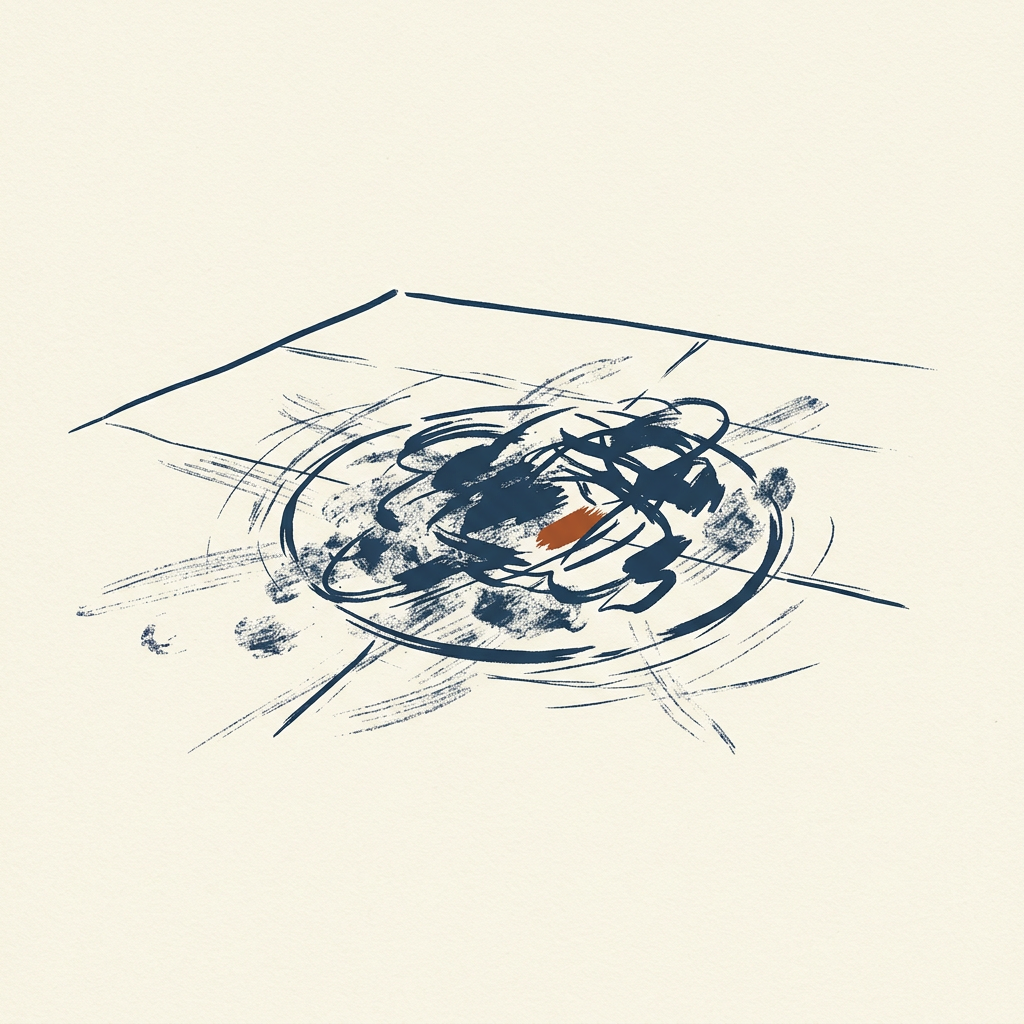
Waitzkin distinguishes a hard zone from a soft zone. The hard zone is brittle concentration that depends on silence and control and shatters the moment something unexpected happens. The soft zone is flexible concentration that treats disruption as part of the environment to incorporate rather than resist.
He learned this the hard way in tournament play, where opponents and spectators sometimes tried to unsettle him with noise, staring, or gamesmanship. Early on it worked because his focus needed external quiet. He retrained using the unpredictability of Washington Square Park—car horns, arguments, crowds—learning to let ambient chaos wash through attention instead of fighting to block it out.
Distraction becomes information rather than an enemy: a loud room, an aggressive opponent, or a personal setback is one more variable to fold into the task, the way a sailor uses rather than resists a shifting wind. People who need perfect conditions to perform are fragile exactly where real stakes tend to occur, because real environments are rarely quiet or fair.
The soft zone is not passive acceptance. It requires active redirection of attention back to the task after each intrusion, a skill built through deliberate exposure to imperfect conditions during practice, not only during performance. Losing and being distracted are both disruptions; this is the shared muscle that handles them.
In practice: Park horns and crowds that once broke his concentration became the gym for letting chaos pass while the position stayed primary.
6
Invest in structured loss
Genuine improvement requires deliberately entering positions where you are likely to lose or look weak, because avoiding those positions to protect ego also protects weaknesses from correction.
Protect the record
Only play beatable lines and opponents; ego stays safe while weaknesses stay hidden.
Invest in loss
Enter disadvantage on purpose in training; short-term losses reveal what to fix.
Waitzkin names a temptation among skilled competitors: once you are good enough to avoid embarrassing losses by sticking to familiar comfortable lines, you stop finding actual weaknesses. In Tai Chi push-hands he allowed himself to be pushed off balance and thrown rather than only practicing from strength, because being thrown revealed structural flaws in his stance that winning exchanges never exposed.
The same logic applied in chess. He sought stronger players and unfamiliar openings that put him at an immediate disadvantage, accepting short-term hits to rating or ego for long-term information about where his understanding broke down. He contrasts players who protect a comfortable rating by only facing opponents they can beat—a strategy that preserves self-image while quietly freezing skill.
Investment in loss requires separating one match’s outcome from a judgment about overall worth or trajectory. That separation is possible only once process-focused motivation is already in place; without it, deliberate losing produces demoralization rather than learning.
He distinguishes this from reckless self-sabotage. The losses have to be structured, in training or lower-stakes settings, so lessons can be absorbed and tested again soon. Past a certain skill level, comfort and improvement trade off. Competitors who plateau in their thirties or forties, he argues, often have unconsciously optimized for not losing rather than for getting better.
In practice: In push-hands practice he let himself be thrown so stance flaws invisible in winning exchanges finally showed.
7
Interrupt the downward spiral
The difference between strong and weak competitors under pressure is not the absence of mistakes but the speed of recovery after one, and Waitzkin holds that recovery speed can be trained directly.
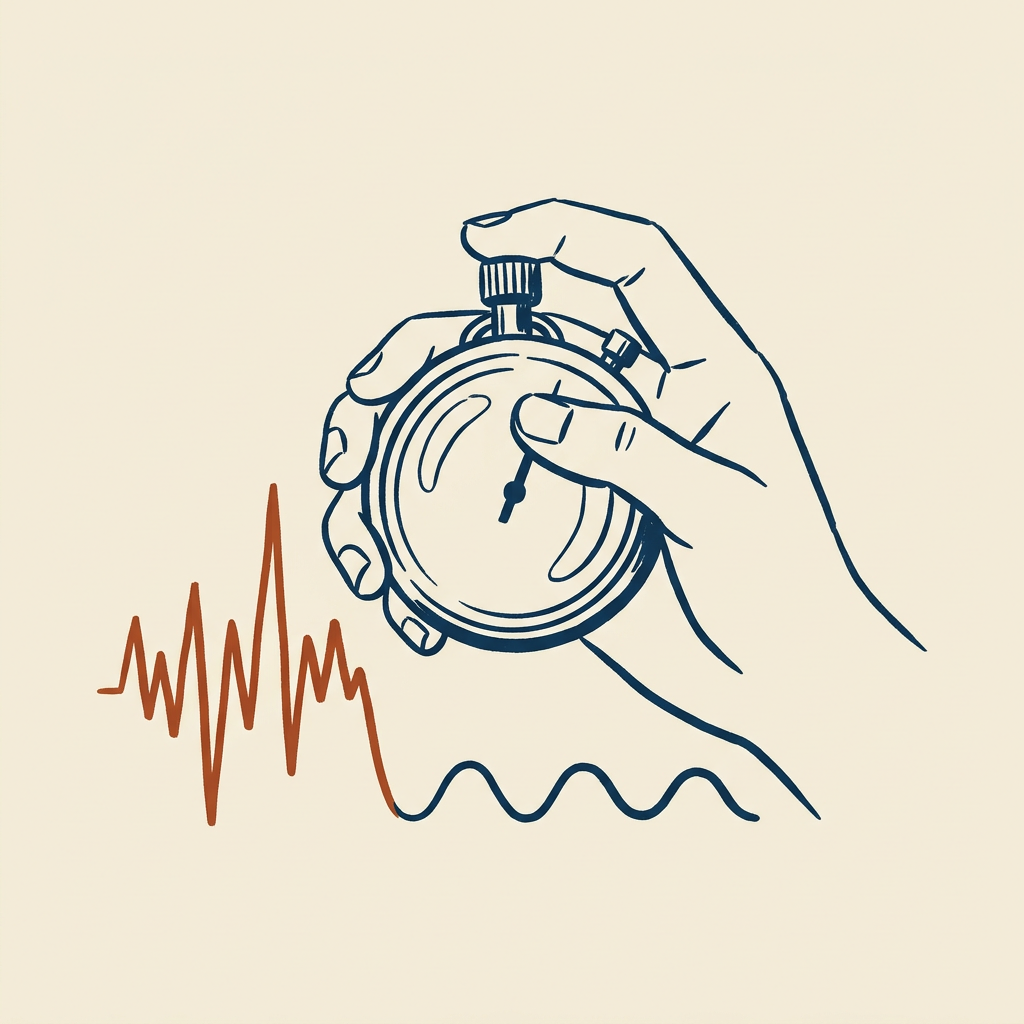
He describes a common pattern: a single mistake triggers frustration, frustration narrows attention, narrowed attention produces a second mistake, and the cascade compounds until the performance collapses—the downward spiral. Most people assume the goal of training is to eliminate mistakes. At high levels mistakes are inevitable, so the more valuable skill is interrupting the spiral immediately after the first one.
He trained this with a method borrowed from sports psychology: physically elevate the heart rate through sprinting or intense exercise, then practice returning to calm, focused breathing as quickly as possible, repeating the cycle until recovery time shortens. That builds a rehearsed pathway between an agitated state and a centered one.
When a real mistake happens at the board or on the mat, the body already knows how to come back down rather than spiraling further into panic. He recounts a tournament game in which he blundered a piece early, felt panic building, used the trained recovery to steady himself, continued playing accurately, and eventually salvaged the game.
The chapter reframes resilience as a trainable physiological skill rather than a fixed personality trait or pure willpower. A coach can build it into a regimen. It extends the soft zone to the specific disruption of one’s own error.
In practice: After blundering a piece early in a tournament game, rehearsed calm breathing stopped the spiral so he could play on and salvage the result.
8
Make time feel slower
The sense that experts have more time to react is a real effect of pattern recognition through chunking, not a mystical gift, and it can be deliberately cultivated.
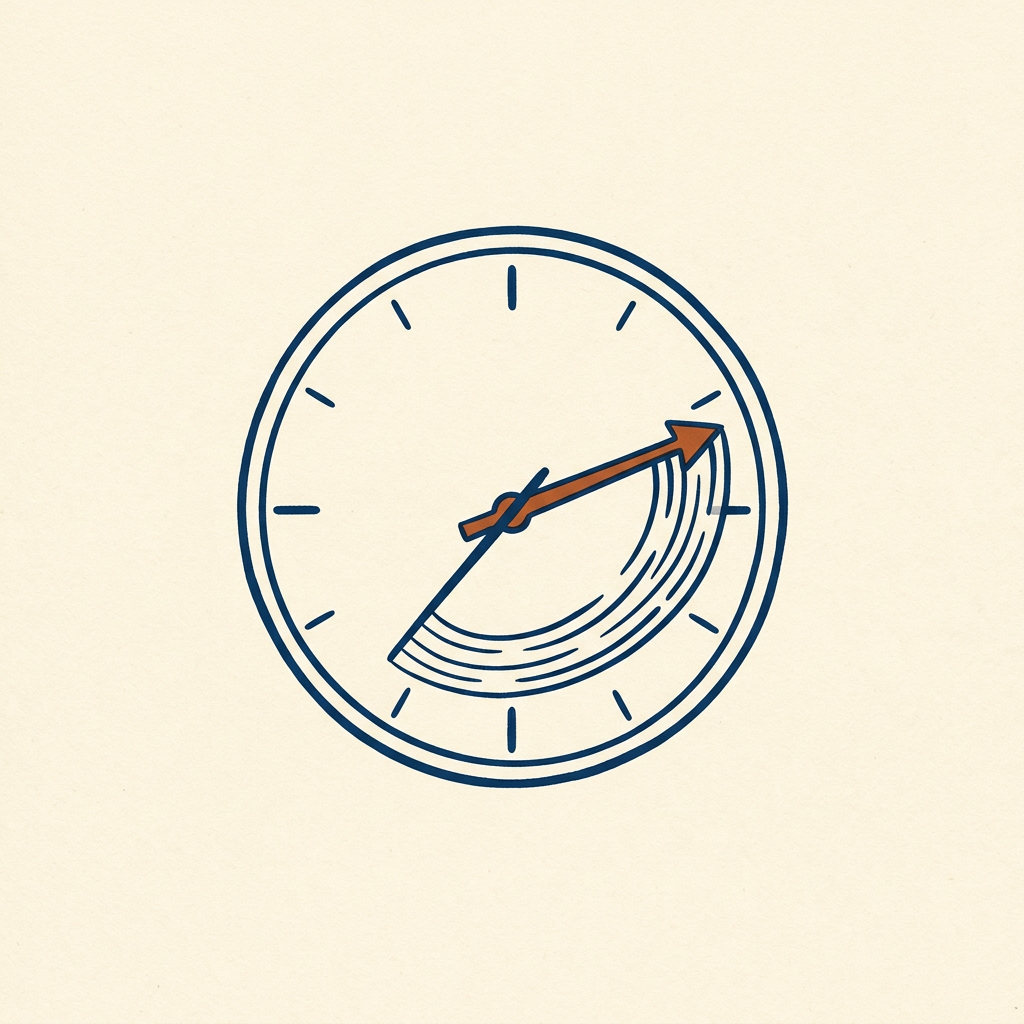
Waitzkin describes a phenomenon familiar to high-level competitors: as skill increases, fast-moving situations appear to slow down, giving what feels like extra time to decide. He explains this as chunking. Repeated exposure lets the brain recognize whole patterns instantly instead of assembling a decision from individual pieces each time.
A novice chess player must calculate a position piece by piece under time pressure. An expert recognizes the position as a variant of a familiar structure; the right idea surfaces almost immediately, freeing attention for the parts that are genuinely novel. This connects to smaller circles: the more a pattern has been internalized, the less conscious processing it needs, and the more spare capacity is available—experienced subjectively as slowed time.
He trained deliberately by studying positions and situations far above his current playing speed, forcing his brain to build the pattern library faster than tournament play alone would require. By the time he faced those situations for real, they felt familiar and unhurried rather than novel and rushed.
Time pressure, on this view, is not only an external constraint managed by willpower or nerve. Usable time is partly a function of how much pattern recognition a performer brings. Two people facing an identical clock are not actually working with the same amount of time. Rehearse the specific pressured scenario enough in advance that it no longer feels novel when it arrives.
In practice: Studying positions above his tournament speed made those structures feel unhurried when he finally met them under a real clock.
9
Turn injury into material
A setback, including physical injury or public loss, can be converted into competitive advantage rather than merely endured if strategy is redesigned around it.
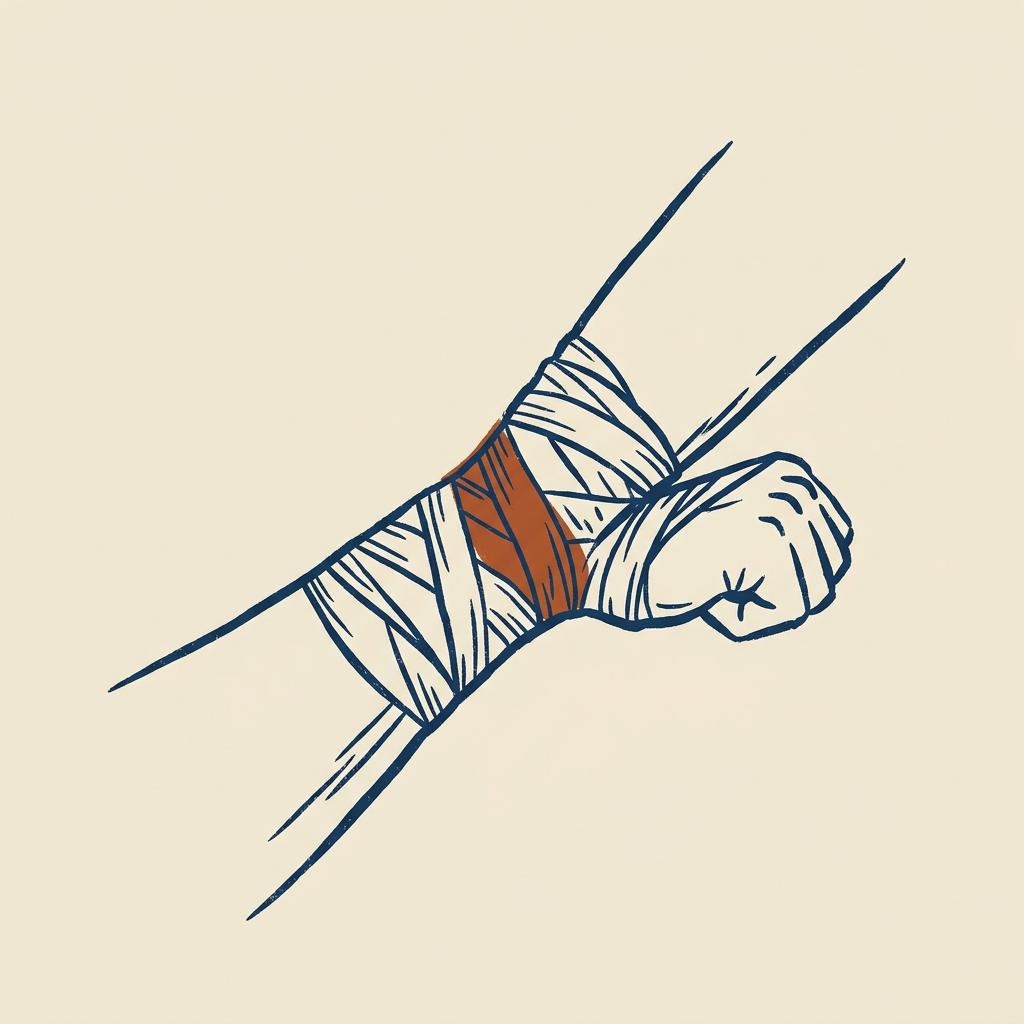
In the final phase of his competitive career, Waitzkin trained for a Tai Chi Chuan push-hands world championship while carrying a significant hand or rib injury from prior training. The injury was serious enough that a straightforward physical contest would likely have gone badly. Rather than hide it or fight through unchanged, he restructured his entire strategy around it.
He used opponents’ assumptions about his weakened side to draw them into exchanges where their aggression toward the presumed vulnerability left them off balance. He presents the episode not as heroic pain tolerance but as strategy: the injury was a fixed constraint to design around, the way a chess player treats a weak pawn structure as something to build a plan around rather than wish away.
This is the practical culmination of the earlier habits. It required process-focused motivation to keep training despite pain, the soft zone to incorporate the injury as one more variable, investment in loss to test the adapted approach in lower-stakes practice first, and rehearsed recovery to stay composed when pain flared mid-match. He won the championship with that adapted approach.
He generalizes beyond sport. Careers and relationships also contain injuries in a broad sense—permanent limitations or past failures that cannot be undone. The same reframing applies: the constraint becomes part of the strategy rather than the reason the strategy fails. The book’s arc closes with the trained skills combining under real, non-hypothetical pressure, the only setting he says can verify them.
In practice: Before a push-hands world championship he rebuilt his plan around a serious hand or rib injury, using attacks on the weak side to unbalance opponents and took the title.
Key terms
- Entity theorist Someone who treats ability as a fixed trait, so losses feel like verdicts on the self.
- Incremental theorist Someone who treats ability as grown through effort, so losses feel like information.
- Making smaller circles Refining one principle from large deliberate form down to nearly invisible automatic force.
- Numbers to leave numbers Drill every component consciously first, then drop the counting once the skill holds without it.
- Hard zone Brittle focus that needs quiet and control and shatters when disrupted.
- Soft zone Flexible focus that folds noise, pressure, and setbacks into the work instead of fighting them.
- Investment in loss Deliberately entering weak or unfamiliar positions in training so real flaws get exposed.
- Downward spiral The cascade where one mistake breeds frustration, narrowed attention, and further mistakes.
- Chunking Recognizing whole familiar patterns at once so fast situations feel slower and more manageable.
What to do
- Pick one technique you already rely on and drill only that this week until it needs noticeably less conscious effort.
- Schedule one low-stakes situation where you are likely to fail or look weak, then write down what the failure revealed that success would have hidden.
- After your next visible mistake at work, name it once out loud or on paper, then immediately do the next concrete action and notice how long full focus takes to return.
- Aim one piece of praise you give someone this week at the process they used, not at how talented they are.
- Run one practice block with deliberate ambient distraction and practice redirecting attention after each intrusion.
Questions to think with
- When you succeed, do you quietly credit talent or the specific work that produced the result?
- Where are you protecting a comfortable image or rating instead of entering positions that would expose a real weakness?
- How long does your attention stay broken after a mistake, and what would shorten that window look like in practice?
- Is your current drive tied more to status and outcomes or to curiosity about the messy middle of the work?
- What permanent constraint in your work or life could become part of the plan instead of the reason the plan fails?
The other side
The book’s evidence is essentially a sample of one told by the person who lived it, so it cannot prove the named practices caused Waitzkin’s success rather than merely accompanying talent, timing, elite coaching, financial support for full-time practice, and the platform of a bestselling childhood memoir and film—a survivorship problem it never really faces. Its most popular ideas, especially fixed versus incremental ability, mainly dramatize existing mindset research rather than rigorously extend or cite it; some Tai Chi-derived language about energy and presence is offered with more confidence than skeptical readers can operationalize; the advice assumes a level of free time, private coaching, and insulation from income risk that most working adults lack; and the tone can read as self-congratulatory, turning setbacks into neat narrative beats toward triumph.
Who it's for
Competitive performers—athletes, musicians, traders—who have technical skill but keep plateauing and want the mental side of improvement. Coaches, teachers, and parents choosing whether to praise talent or effort, plus career changers who need a framework for carrying hard-won discipline from one field into another, will get the most from reading the full book and testing the practices against their own constraints.