



Mbappe loses Chinese sponsors after calling Mao a dictator in interview
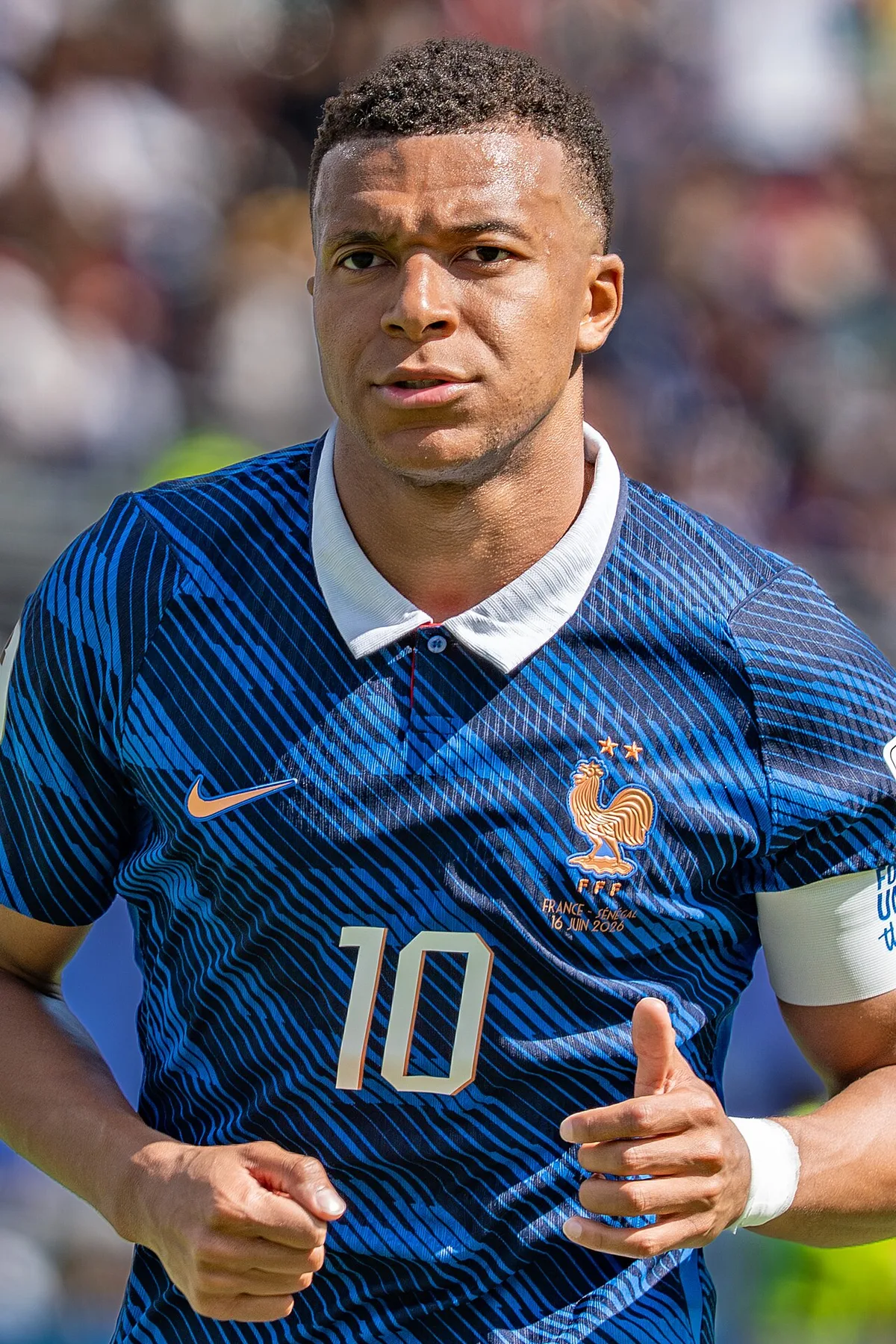
By The Conservative Desk (/journals/conservative-desk)
Kylian Mbappe was asked on the French show The Bridge which doctored image of himself as a dictator was his favorite. He chose the meme that put his face on Mao Zedong’s body. “Some guy -- I think he’s a Chinese dictator,” he said, laughing, and added that he uses it with friends all the time.
The clip moved fast on Chinese platforms. On Monday evening Dongqiudi published a statement calling the remarks “offensive to China and the Chinese people” and saying they “have hurt the feelings of Chinese football fans and the Chinese people.” An unnamed Weibo user labeled them “extremely serious wrong remarks” that “crossed the red line” and were “completely unacceptable.” “Dongpeng Beverage ends cooperation with Mbappe” became Weibo’s top-trending topic.
On Tuesday, October 27, 2026, beverage maker Dongpeng and dairy producer Mengniu announced they were terminating all cooperation with Mbappe with immediate effect. Dongpeng said it “firmly opposes and has a zero-tolerance policy towards any behaviour that offends national sentiments.” Mengniu said, “With immediate effect our company is terminating all cooperation with Kylian Mbappe,” and added that it “firmly opposes and has a zero-tolerance policy towards any words or actions that hurt the feelings of the Chinese people.” Cheesemaker Milkground also cut ties. Dongpeng had run World Cup ads with AI-generated images of Mbappe drinking its sports drink. Those ads, and the deals behind them, ended over a joke about a historical figure.
Mao Zedong died in 1976. His Great Leap Forward contributed to a famine that killed tens of millions. His Cultural Revolution caused a decade of political violence and chaos. Jokes about him are a social taboo in China. His portrait appears on the country’s 100-yuan banknote. Outside the reach of that taboo, describing him as a dictator is a plain reading of the record of his rule. Inside it, the same description becomes a commercial offense.
Chinese officials and brands state their case in the language of injured national feeling. Foreign Ministry spokesperson Guo Jiakun said words and actions that offend the Chinese people will encounter widespread opposition from Chinese society. Spokesperson Lin Jian said words and deeds that hurt the feelings of the Chinese people will meet opposition from all sectors of Chinese society. That is the position on its own terms: national sentiment is the standard, and market participation turns on meeting it.
The enforcement did not stop with the two beverage and dairy contracts. Xiaohongshu suspended Mbappe’s account, which had over a million followers, for “violating community guidelines.” CCTV removed ads featuring him, stopped airing his matches, and deleted Weibo posts about him. CCTV reportedly suspended La Liga broadcasts in China. Swiss sneaker company On deleted all Mbappe-related posts on its Chinese social media account. A laugh in a French studio produced a coordinated commercial and broadcast erasure in the world’s second-largest economy.
Mbappe posted a multilingual apology on social media. “During a recent interview, I reacted to an image of myself. My comment was ill-judged, and I now understand that it hurt many people in China and Chinese communities around the world.” He apologized to everyone his words had upset, said that had not been his intention, and stated that he has deep respect for the Chinese people and their history.
La Liga president Javier Tebas posted the league’s own apology. He said La Liga deeply regretted Mbappe’s comments, which had caused distress and offence in China, and offered sincere apologies to the Chinese people. He said the league could not allow an individual’s actions to tarnish its relationship with China or harm more than 20 clubs and millions of Chinese fans, and that its commitment to China, its people, and its institutions was unwavering. The player’s club league, dependent on the Chinese audience, moved to protect the commercial relationship by distancing itself from a historical description.
The pattern is not new. Global sports figures who have touched Taiwan, Tibet, or Hong Kong have previously lost Chinese sponsors and airtime. The mechanism is consistent. Access to Chinese consumers is conditioned on silence about subjects the Communist Party treats as closed. Free enterprise, under that arrangement, is free only inside the speech boundaries set in Beijing. Brands and leagues that want the market import the taboo. Fans and taxpayers who follow Western competitions then receive coverage and product shaped by a foreign party’s definition of acceptable history.
Mbappe, 27, had lost the 2026 Ballon d’Or to Harry Kane in London on Monday, October 26, the day before the brand terminations. He remains one of the most visible athletes in the world. The cost of calling Mao a dictator in a meme gag was not a historical debate. It was the overnight loss of sponsorships, the freezing of a million-follower account, the removal of ads and match broadcasts, and public contrition from both the player and the Spanish league that markets his club in Asia.
AFP Fact Check could not immediately verify the video’s authenticity. The sponsors and state broadcaster did not wait for that process. Dongpeng, Mengniu, Milkground, Xiaohongshu, CCTV, and On acted on the circulating clip and on the demand that national sentiments not be offended. For ordinary Americans who still treat historical fact as outside anyone’s licensing power, the episode shows what market leverage buys: the right to decide which dead rulers may be named for what they were, and which Western stars must apologize for noticing.
Mao’s portrait remains on the 100-yuan banknote.