



Krakauer frames McCandless Alaska death as reckless self-test not pathology
In 60 seconds
- Hunters found Christopher McCandless’s starved body in abandoned bus 142 on the Stampede Trail in September 1992, and Alaska’s first verdict was scorn for an unprepared outsider.
- After Emory he gave his savings to Oxfam, burned leftover cash, took the name Alexander Supertramp, and cut off parents he saw as living a lie.
- Two road years brought real bonds with people like Wayne Westerberg and Ronald Franz, undercutting the friendless-hermit caricature.
- He walked into the bush with willpower, a .22, rice, and classics, but no adequate topo map or cold-country skill.
- A July Teklanika flood blocked his exit; a cable tram roughly half a mile downstream, absent from his map, could have saved him.
- Krakauer places him with Thoreau, Everett Ruess, and his own near-fatal Devils Thumb climb as a cultural type whose science of death and final motive stay contested.
The big idea
Krakauer contends McCandless was neither a reckless fool nor a suicidal romantic but part of a durable American tradition of testing the self through voluntary hardship in wild places. That reading rests on journals, marginalia, and photographs of a man who cannot answer back, and it remains genuinely disputed.
The book in brief
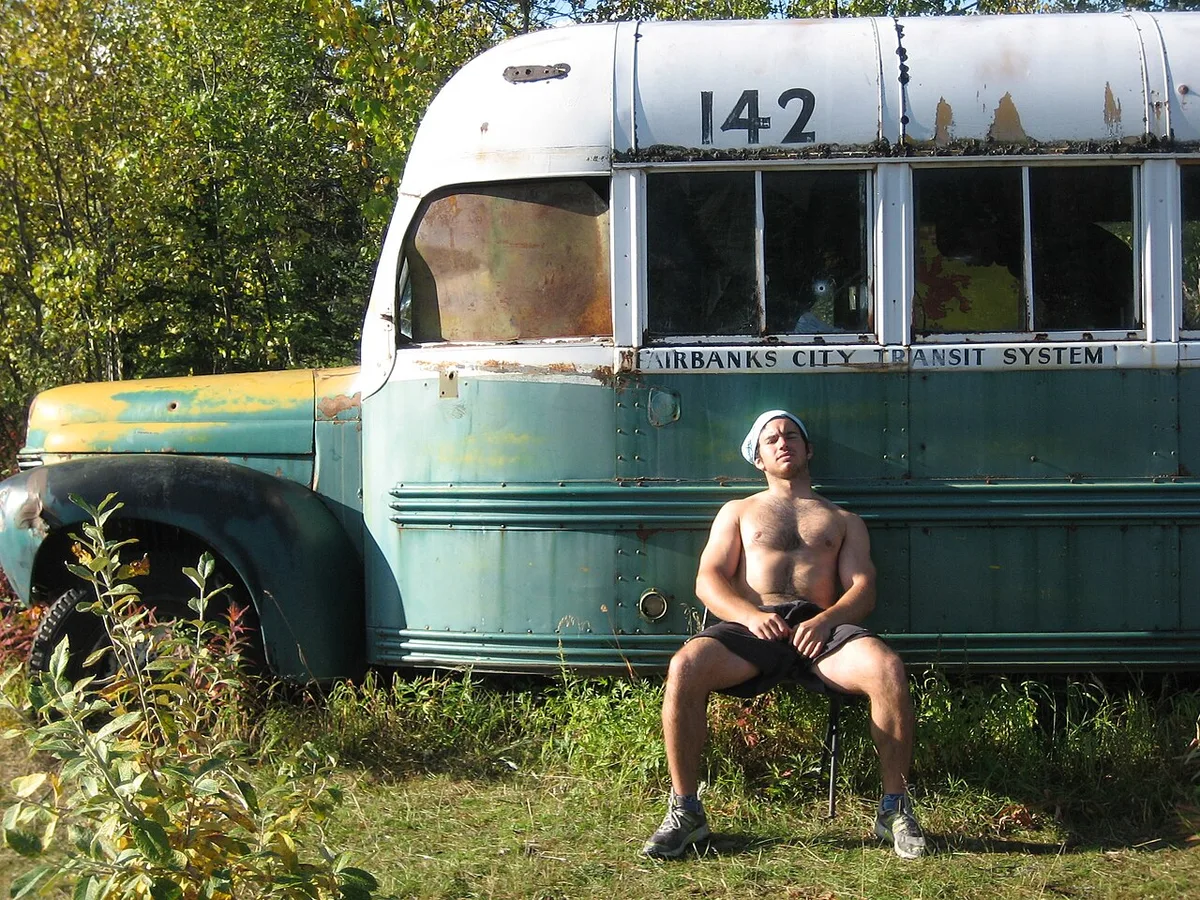
In September 1992 moose hunters near Denali found a young man’s remains in an abandoned Fairbanks city bus on the old Stampede Trail. He was Christopher McCandless, twenty-four, Emory graduate, raised in comfort in Virginia. Local reaction was blunt: another outsider who ignored the bush and paid for it. Krakauer, expanding an Outside assignment, set out to complicate the verdict without erasing the fatal mistakes.
He traces the rupture to what Chris learned about his father Walt’s overlapping households and a child born during that deception. The comfortable Annandale life then looked fraudulent. After graduating with honors he shed money, car, and name, becoming Alexander Supertramp and severing contact with his parents while keeping a thin line to his sister.
The next two years were not pure solitude. He worked, hitchhiked, paddled the lower Colorado into Mexico, and formed intense short ties—rubber-tramp hosts, a South Dakota grain elevator that became a home base, a retired veteran who wanted to adopt him. Witnesses remember discipline and charm, not obvious disturbance. Krakauer uses them to separate the Alaska outcome from any claim that he could not connect with people.
April 1992 brought him to the Stampede Trail lightly geared and overconfident from earlier desert and river survivals. He made bus 142 his base, hunted, foraged, and journaled purpose. When he tried to walk out in July the Teklanika had turned lethal; he turned back. Starvation followed over weeks while he still wrote and photographed. Krakauer interrupts with his own 1977 solo ordeal on Devils Thumb and with other Americans who chased wilderness purity and died, then closes on annotated Thoreau and Tolstoy, a farewell image he reads as calm, and an open quarrel with readers who see only arrogance.
Context
Krakauer covered the death for Outside magazine and grew the reporting into the 1996 book. The magazine piece already drew sharp Alaskan pushback that the book answers at length; later afterwords revisited the toxin theory without ending the fight over what killed McCandless or how far sympathy should stretch.
The key ideas
1
Body in the bus
An educated young man’s death in the bush demands more than the easy label of foolishness.
- Sept 6, 1992Hunters find the body in bus 142
- 1993Outside article draws Alaskan scorn
- 1996Book expands the investigative case
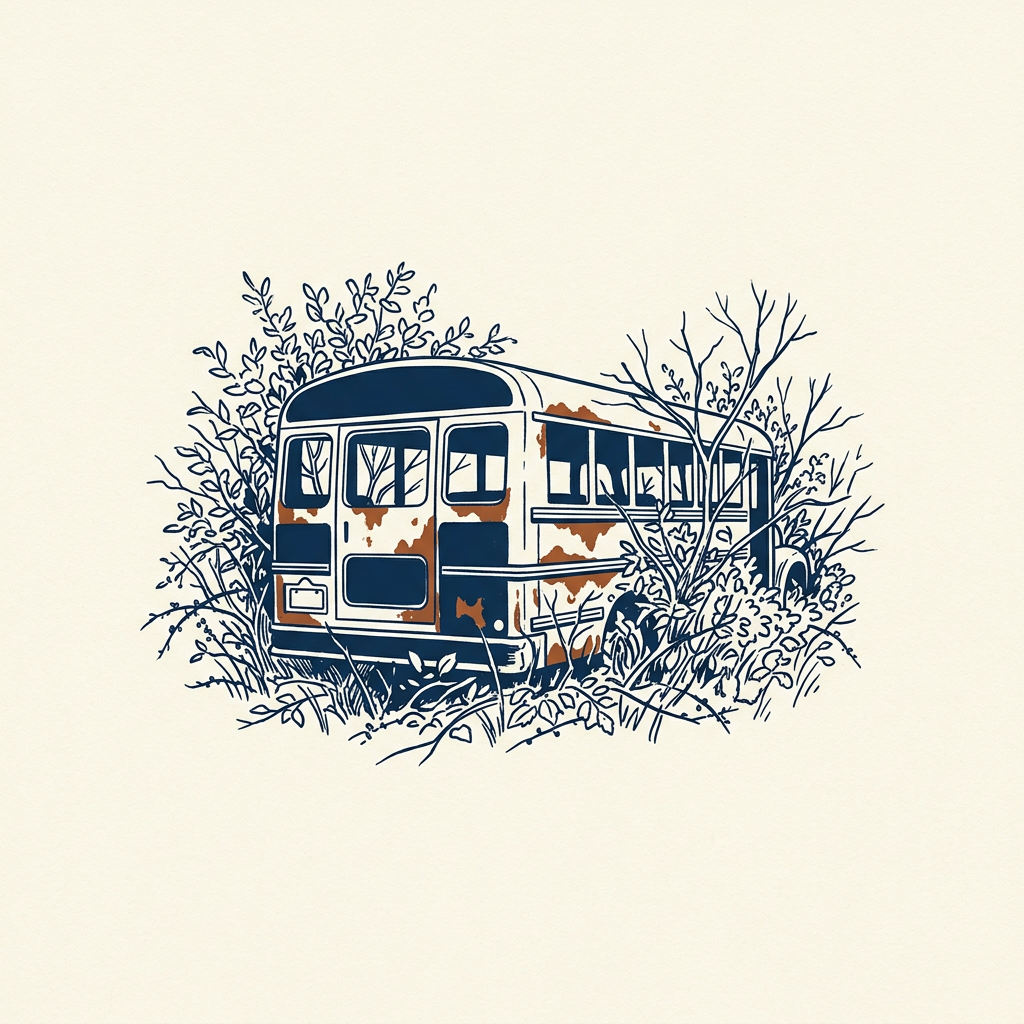
Moose hunters on September 6, 1992, found a decomposed body weighing about 67 pounds inside abandoned Fairbanks bus 142 on the disused Stampede Trail near Denali. Identification made him Christopher McCandless, twenty-four, from a well-off Virginia family, two years out of Emory. A note taped to the bus asked for help in his own hand.
Alaska’s first public reaction was scorn: another outsider who wandered in unprepared. Krakauer, sent by Outside, grew fascinated and turned the assignment into a book whose job is to complicate that snap verdict. He never denies fatal errors. He refuses the claim that stupidity alone explains the death.
Chapter by chapter he links the journey to Thoreau’s deliberate simplicity, to other young men who vanished into wild country, and to his own youthful recklessness on an Alaskan peak. The structure mirrors an investigation—physical scene, abandoned car and journals, road interviews, then the biological end—because he insists judgment without understanding is the real shortcut most reactions take.
In practice: The S.O.S. note on the bus framed someone still trying to live, which undercuts any simple story of a man who walked north to die.
2
Becoming Supertramp
Shedding his birth name was a deliberate moral protest against a childhood he judged built on lies.
Christopher McCandless
Emory honors graduate, Annandale comfort, family name intact
Alexander Supertramp
Savings given away, cash burned, car abandoned, parents cut off
Krakauer roots the rebellion in what Chris discovered about his father Walt, an aerospace engineer: a continued relationship with first wife Marcia that overlapped the marriage to Chris’s mother Billie and even produced another child in that overlap. To Chris the Annandale comfort then rested on deception.
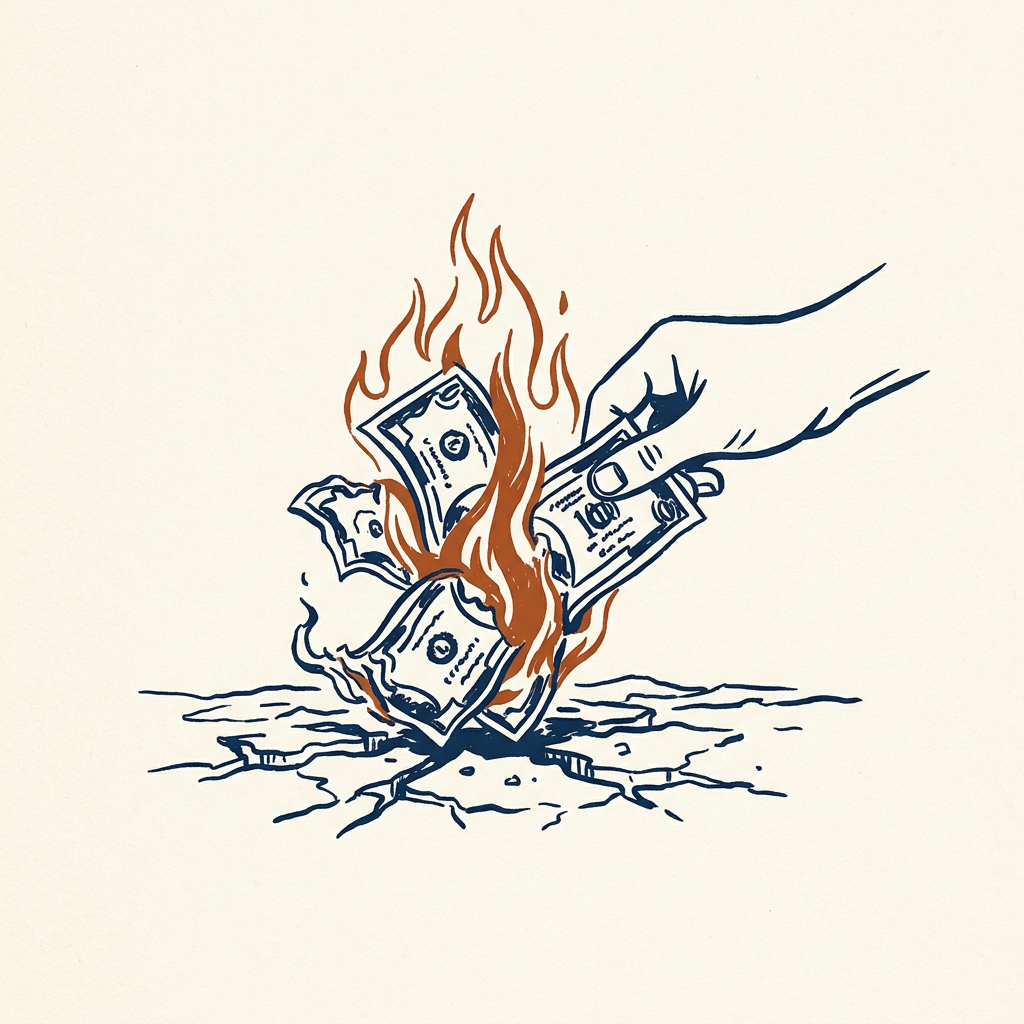
College had already shown an ascetic, exacting streak—refusing anything but merit from a professor, giving money to causes he trusted. After the 1990 honors graduation he donated his remaining savings to Oxfam America, a fact the family learned only after his death. He left the Datsun in the Mojave after a flash flood, burned the cash he still carried, and took the name Alexander Supertramp.
Contact with parents ended; sister Carine stayed loosely in the loop. Krakauer reads the break not as madness but as an extreme form of a common wish: to restart uncorrupted by a family story that felt false. The book’s recurring tension starts here—the most destructive choices grew from ideals he actually held.
In practice: The Oxfam donation, hidden from the family until after he died, made the moral break concrete and irreversible before the road years even began.
3
Bonds on the road
Two transient years show reciprocal attachments formed on his terms, not a flight from all human contact.
- JJan Burres and BobItinerant sellers who treated him like a surrogate son
- WWayne WesterbergCarthage elevator operator; repeated home base
- RRonald FranzVeteran who asked to adopt him as a grandson
From mid-1990 to April 1992 he crossed the American West by hitchhiking, odd jobs, and camps. Krakauer rebuilds the stretch through people who housed him.
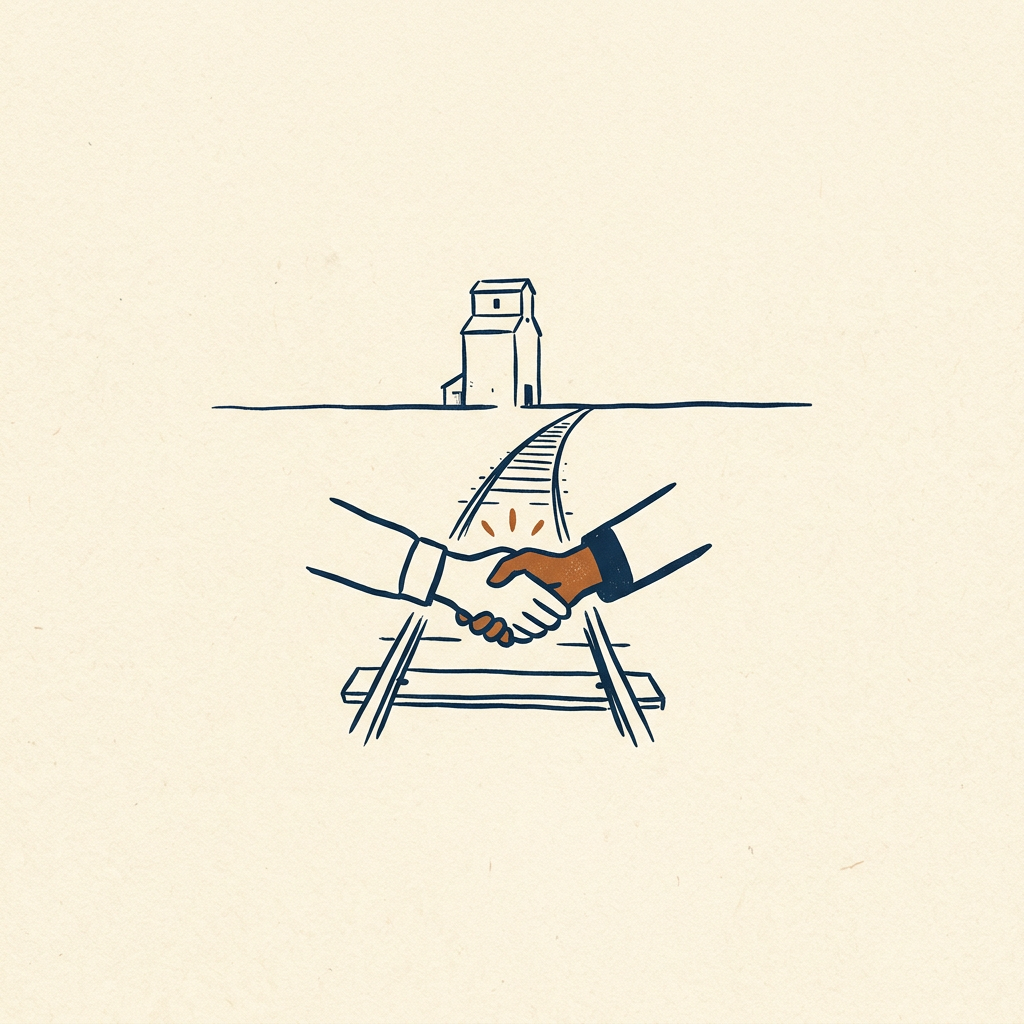
Jan Burres and her partner Bob, rubber-tramp sellers, met him on a California beach and later in Arizona and treated him almost as a son. In Carthage, South Dakota, grain elevator operator Wayne Westerberg gave steady work and real friendship; McCandless returned more than once, the nearest thing to a home base. In Salton City, retired Army veteran Ronald Franz grew attached enough to offer legal adoption as a grandson; McCandless declined gently yet kept writing affectionate letters.
He also solo-paddled a canoe down the lower Colorado into Mexico, taught himself rough skills, and carried paperback classics. The period matters because it wrecks the hermit caricature. He sought intense connection, then moved on before it could bind him. Hosts describe brightness and discipline, not disturbance—so whatever failed in Alaska was not an inability to relate.
In practice: Franz’s offer to adopt him as a grandson, refused without cutting the correspondence, shows how quickly strangers invested in him.
4
Will over skill
He entered the bush with resolve and books yet critically short the concrete skills subarctic survival demands.
What he carried
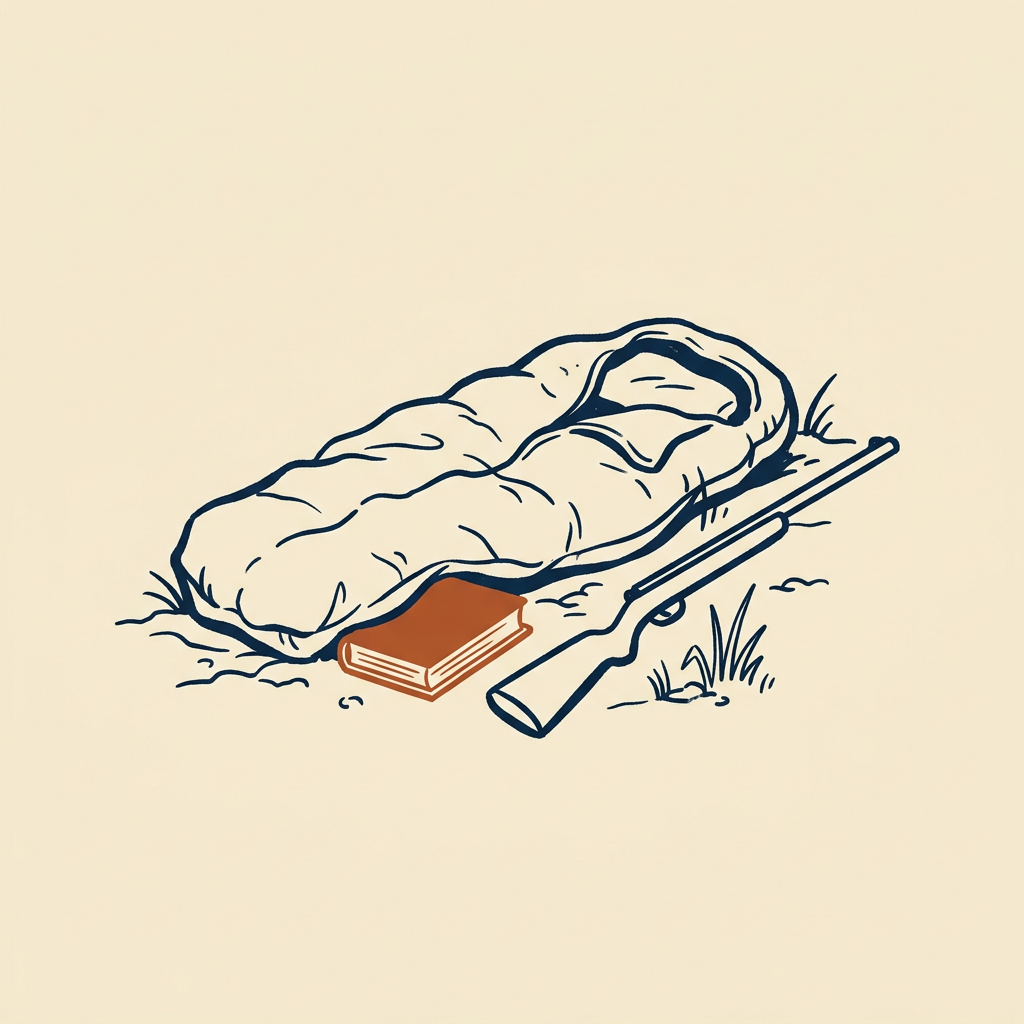
.22 rifle, ten pounds of rice, warm-rated bag, plant guide, classics
What he lacked
Detailed topo map, serious compass, cold-rated gear, local margin knowledge
In April 1992 he hitchhiked to the Stampede Trail outside Healy, near Denali. Kit included a .22 rifle, about ten pounds of rice, a camera, a sleeping bag rated for warm weather rather than subarctic cold, and a small library—Walden, Tolstoy, a field guide to edible plants picked up along the way.
He lacked a topographic map detailed enough for key terrain and a compass fit for serious navigation. Miles in he found bus 142, left by a construction crew and used by hunters, and settled there instead of pushing into unmapped country. Months of small game, one moose, berries, roots, and a journal of catches and contentment followed.
Krakauer stresses the middle ground: not a total novice after deserts and rivers, not an expert where margins shrink fast. Confidence built on earlier success outran competence in this place. That gap, more than pure carelessness, is the danger the book names.
In practice: Carrying a warm-weather sleeping bag into subarctic seasons stood for gear chosen by prior luck rather than the country ahead.
5
River and missing tram
One absent map detail—a nearby cable crossing—turned an attempted exit into a permanent trap.
- 1April crossingTeklanika is a shallow snowmelt trickle he can ford
- 2July attemptGlacier melt makes a foot crossing lethal; he turns back
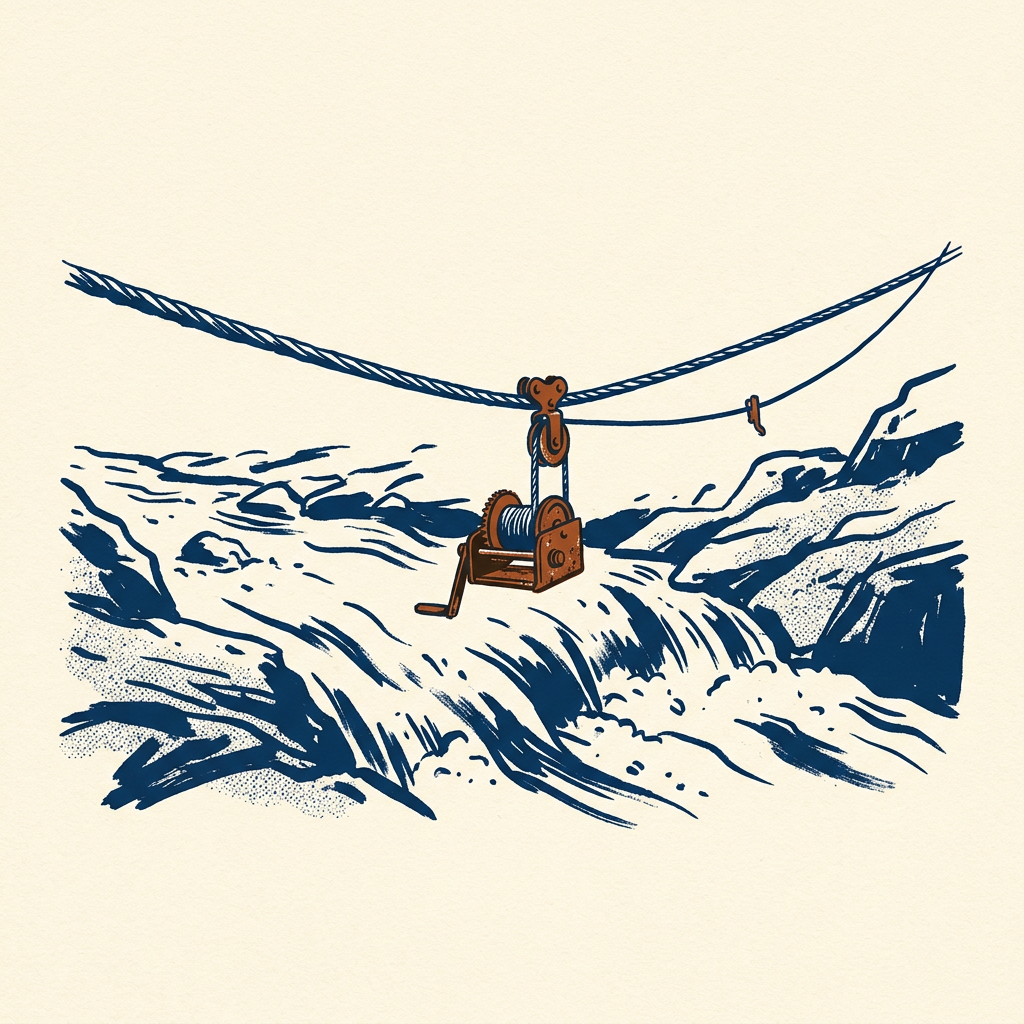
- 3Unseen tramA hand cable sits roughly half a mile downstream, missing from his map
By July 1992 he chose to hike out. The route required the Teklanika River, in April a fordable snowmelt trickle. Midsummer turned it into a glacier-fed torrent too swift and cold for a safe foot crossing. He turned back; Krakauer treats that choice as sound.
Roughly half a mile downstream stood a hand-operated cable tram placed by the Alaska Department of Fish and Game, which would have carried him to the park road. His map did not show it. That single gap sealed the isolation. He returned to the bus already weakened and kept foraging as stores thinned.
If he had wanted to die, or been indifferent to living, the attempted crossing and retreat would make little sense. He was trying to leave. The river forced him back. The episode shifts the story from pure self-destruction toward bad luck stacked on inexperience at the exact moment judgment was otherwise clear.
In practice: The Fish and Game cable tram half a mile downstream was the exit he never knew existed.
6
The tangled cause of death
The fight over what killed him shows how physical explanation and moral judgment stay knotted in public reception.
- 1996 editionMold-alkaloid theory resembling lathyrism
- 2007New Yorker shifts toward ODAP in the seeds
- 2013 afterwordODAP restated; researchers still split
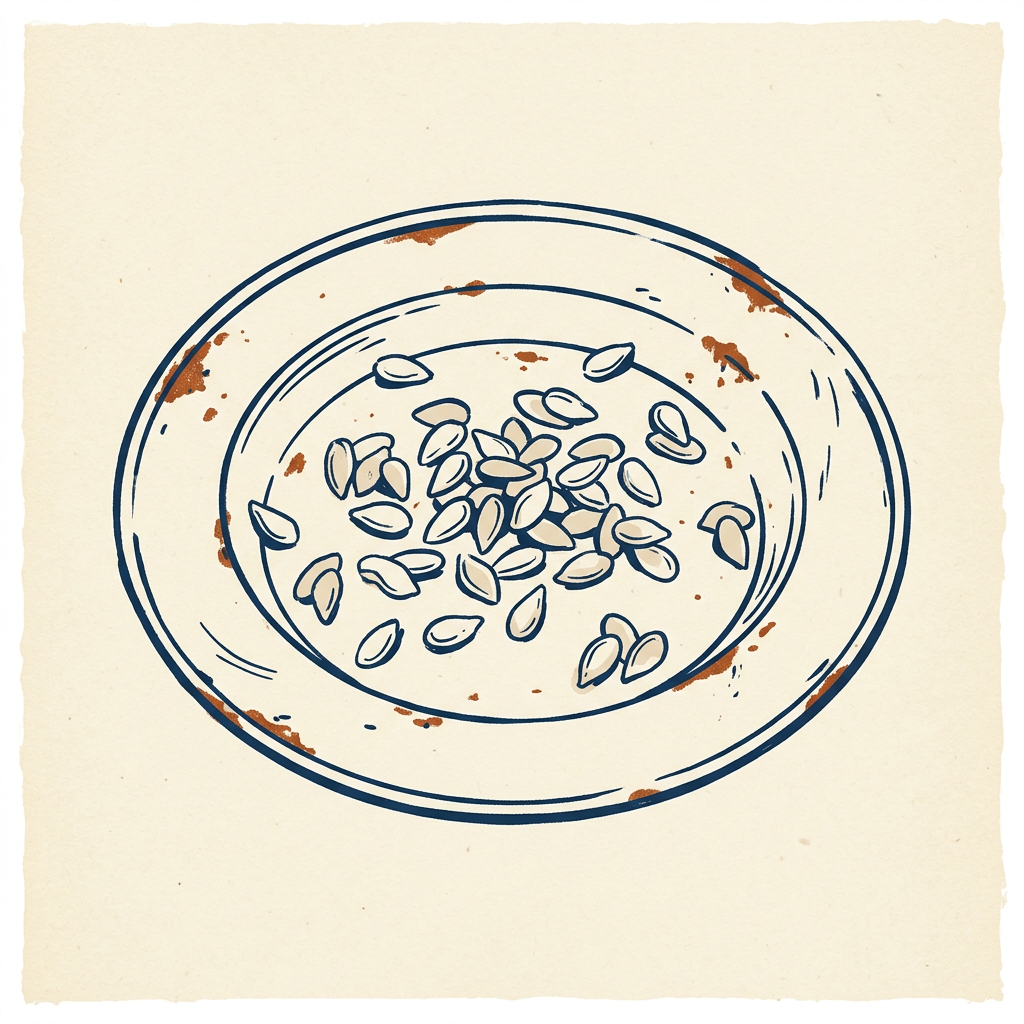
The journal, kept near the end, records decline and trouble tied to seeds of Hedysarum alpinum, the wild potato. In the original edition Krakauer proposed that mold on stored seeds made a toxic alkaloid that, with starvation, blocked metabolism in a lathyrism-like way. Botanists and toxicologists doubted the plant carried dangerous amounts.
He revised the account in a 2007 New Yorker piece and a 2013 afterword, pointing instead to ODAP in the seeds, able to paralyze and worsen near-starvation. Neither version won consensus; some researchers still say prolonged starvation alone is enough.
The biochemical hunt mattered to him as a defense against early claims that McCandless simply ate poison out of ignorance, mixing the plant with a toxic look-alike. Whatever the toxin debate, the through-line is slow starvation over weeks, awareness of decline, writing and photographs continuing almost to the last.
In practice: The journal note on wild-potato seeds became the hinge for every later toxin theory even though proof never settled.
7
Devils Thumb parallel
Krakauer’s own near-fatal solo climb frames McCandless’s risk as a recognizable youthful category, not a one-off pathology.
Krakauer, 1977
Solo on Devils Thumb; crevasse and storms; lives to tell it with embarrassment
McCandless, 1992
Solo on the Stampede Trail; flood and starvation; does not return
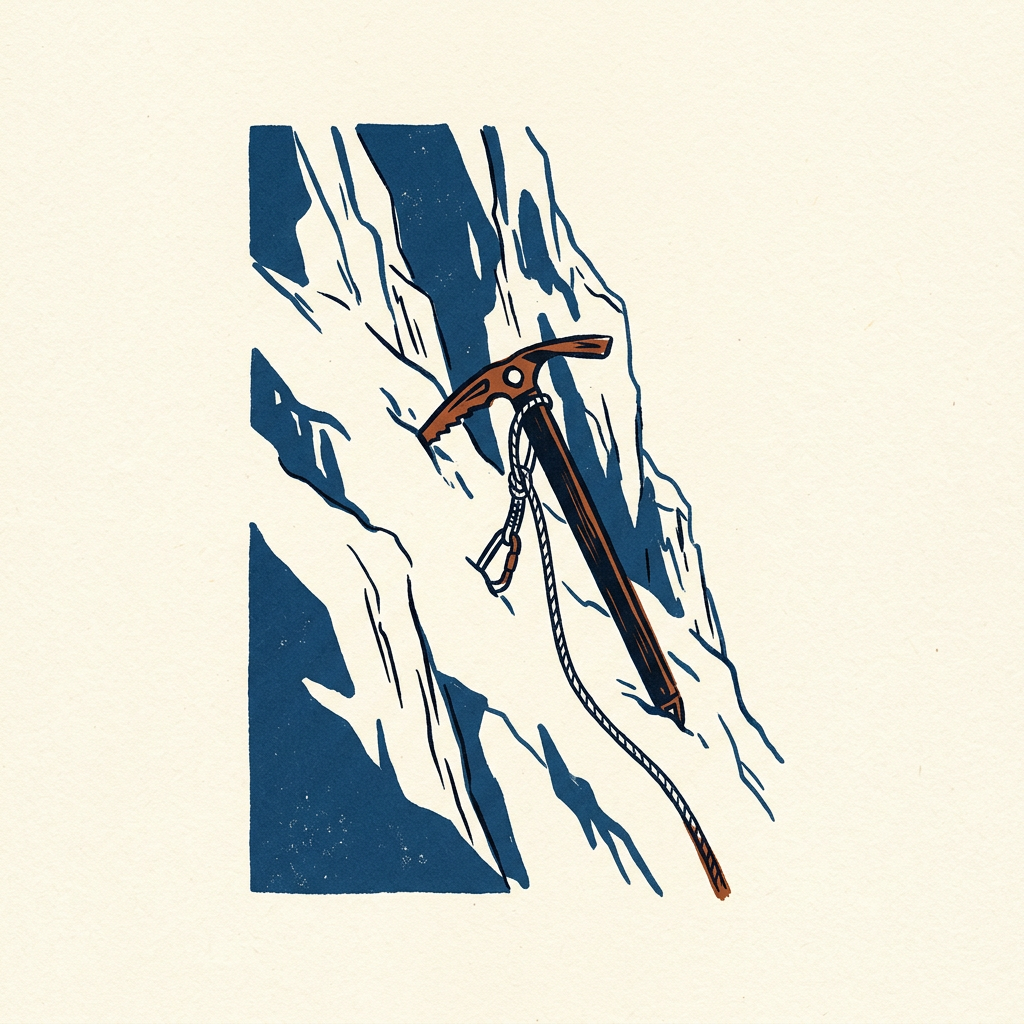
About a third of the way through, Krakauer breaks off to tell his 1977 story. At twenty-three, estranged from his father and full of ambition, he tried a solo ascent of Devils Thumb in southeast Alaska. He was underprepared in ways that later echoed McCandless, nearly died in a crevasse and in storms, and lived as much by luck as by skill.
He inserts the digression on purpose, dropping the detached-journalist mask, so readers see the pattern from inside rather than as unique derangement. A certain kind of young man—often bright, often at odds with a father—seeks a self-defining ordeal in dangerous country and treats physical risk as proof of character.
Most who try it survive and later recount it with embarrassment, as Krakauer does. McCandless did not survive, and the outcome retroactively darkens the same impulse. The defense is modest: not wisdom, only ordinary kind with extraordinary consequence, the line between adventure tale and tragedy as thin as weather or a river stage.
In practice: The crevasse fall and storm nights on Devils Thumb gave Krakauer the lived template he later mapped onto the Stampede Trail.
8
Lineage of the vanished
McCandless joins a line of Americans who sought transcendence in wilderness and met death instead—a cultural pattern, not a private aberration.
- EEverett RuessVanished in Utah canyons, 1934, age 20
- JJohn WatermanDied on a winter McKinley solo, 1981
- CCarl McCunnStranded at an Alaskan lake, 1980; photographed his decline
Krakauer widens to other young Americans who died on similar quests. Everett Ruess, artist and writer, vanished in Utah canyon country in 1934 at twenty, leaving letters drunk on desert beauty and a wish to live outside ordinary society. John Mallon Waterman, gifted but troubled, died on a solo winter Mount McKinley attempt in 1981 after erratic years. Carl McCunn, a photographer, had himself dropped at a remote Alaskan lake in 1980 without arranging pickup, then documented his decline in Polaroids before ending his life with his rifle.
The point is not a shared diagnosis. American culture, back through Thoreau and Muir, has romanticized solitary confrontation with wild nature as the road to authentic selfhood while offering little practical counsel on surviving it. Each man acted on ideals absorbed from books and myth and underestimated how unforgiving the physical world is.
McCandless’s death then looks less freakish and less purely personal—the latest turn of a story that recurs because escape from a compromised civilization into pure wilderness keeps calling a restless few.
In practice: McCunn’s Polaroids of his own wasting before he used the rifle mirror the slow, recorded trap at bus 142.
9
Open verdict at the bus
Calling him a serious if reckless seeker rather than fool or saint stays Krakauer’s interpretation of fragments, not settled fact.
Closing chapters face the backlash the magazine piece triggered. Alaskan readers called McCandless arrogant, unprepared, and disrespectful of country that does not forgive amateurs; some rangers and bush residents dismissed another romantic city kid who nearly deserved the end he got.
Krakauer answers with the heavily annotated books carried to the bus—Walden and Tolstoy’s Family Happiness—margins marked on passages about renouncing materialism and false ties. He points to a late photograph with a farewell note that he reads as calm satisfaction, and to journal lines of gratitude and joy, including a last suggestion that the life had been a happy one.
His final stance: McCandless died chasing something real to him—a test of self-reliance and a refusal of family and society he found dishonest—and the chase deserves seriousness even where the execution was bad. He labels this his own reading of incomplete evidence, not proven psychology, and leaves the reader to balance sympathy against the plain record of miscalculation.
In practice: The farewell photograph and the note that life had been happy became his chief exhibits for purpose rather than terminal panic.
Key terms
- Alexander Supertramp The name McCandless took after giving away money, abandoning his car, and shedding his family identity
- Bus 142 The abandoned Fairbanks city bus on the Stampede Trail that became his shelter and death site
- Stampede Trail The old mining road near Denali where he hiked in and found the bus
- Teklanika River The crossing that rose from April trickle to summer torrent and blocked his exit
- Hedysarum alpinum Wild potato whose seeds appear in his journal and in contested toxin theories
- ODAP The seed toxin Krakauer later proposed as worsening starvation; never reached scientific consensus
- Devils Thumb The southeast Alaska peak of Krakauer’s own near-fatal 1977 solo climb
What to do
- Get a detailed topographic map of the exact area and study water crossings, seasonal swings, and nearby gear like bridges or cable trams before any solo trip.
- Tell at least one person your precise route and return date, with a hard deadline for when they must alert authorities.
- Treat a plant or wildlife field guide as a red flag if it is your main safety net, and take hands-on instruction from someone seasoned in that environment first.
- Do not read earlier success in deserts or on rivers as proof you can handle subarctic margins without local skill.
- Carry cold-rated sleep gear and navigation tools matched to the actual country, not to the story you want to live.
Questions to think with
- Does surviving the same reckless impulse make a story inspiring while dying makes it foolish?
- How much weight should one missing map detail carry against the charge of pure arrogance?
- Can journals and underlined margins support claims about motive without projection from the living?
- Where does moral protest against family deception end and avoidable harm to self and kin begin?
- Should privilege—the fit, educated background that made the walk possible—change how the idealism is judged?
The other side
The central weakness is method: Krakauer rebuilds the inner life of a man who cannot correct him, from journal scraps, marginalia, and a few photos, while openly identifying with the subject through his own Devils Thumb recklessness, which invites the charge of projection. Alaskan critics called the philosophical frame a gloss on basic failures—no adequate map or compass, toxin risk, refusal of gear locals treat as minimum. The seed-toxin claim shifted from the 1996 edition through a 2007 article and 2013 afterword without botanist consensus, softening a major factual pillar. Carine McCandless’s later memoir surfaced harsher family material than the book’s restrained version, and the narrative barely faces how his freedom rested on education, fitness, and moneyed origins most people never have. Readers who want a clean moral or a survival manual meet ambiguity the book refuses to resolve.
Who it's for
Readers who want true wilderness risk and unresolved mystery without a tidy sermon, and people thinking hard about family estrangement or about hubris and preparation in the backcountry. It will frustrate anyone needing a single villain, saint, or field-manual takeaway.