



Book claims meditation builds lasting traits off the cushion

In 60 seconds
- Goleman and Davidson argue meditation’s real payoff is altered traits: durable shifts in baseline attention, emotional recovery, and compassion, not temporary calm during a sit.
- They treat early contemplative research as mostly too small, uncontrolled, and bias-prone to trust the hype built on it.
- Effects scale with hours—novices, long-termers with a few thousand hours, and rare yogis with tens of thousands—so an eight-week course is not monastic training.
- Documented trait changes include stronger attentional control, faster amygdala recovery after threat, and compassion practices that raise helping behavior.
- A handful of extreme practitioners show resting gamma activity and near-absent startle that mark the outer edge of what practice can do.
- They ground it all in ordinary neuroplasticity and urge readers to treat meditation like any skill: real, proportional to dose, and easy to oversell.
The big idea
Goleman and Davidson argue that meditation matters when practice rewires a person’s default temperament, attention, and physiology, not when it only produces pleasant states that vanish after the session. Those durable traits scale with cumulative hours, show up most clearly in career practitioners, and must be separated from thin popular claims.
The book in brief
The authors open by splitting temporary altered states from lasting altered traits. Feeling peaceful on retreat means little if the same reactive baseline returns on the commute home; their wager is that enough of the right practice can make equanimity or compassion the resting condition instead of a visited destination.
They then set a hard standard. Decades of contemplative research, they say, were plagued by tiny samples, missing active controls, self-report bias, publication bias, and self-selection, including mistakes they admit from their own early careers. Every later claim is meant to be judged against better designs—matched health-education controls, physiological markers, structural imaging.
With that filter in place, they sort practitioners by dose: novices with weeks of practice, long-termers with a few thousand hours, and yogis with tens of thousands, often including multi-year retreats. Modest short-program gains should not be confused with the stronger, longer-lasting patterns seen in career contemplatives.
The middle of the book walks through what survives that standard: reduced default-mode wandering and sharper attentional control; faster amygdala recovery rather than emotional flatness; compassion training that shifts helping behavior and neural response to suffering; and, at the extreme, yogis whose resting gamma activity, startle suppression, and pain appraisal look unlike ordinary subjects.
They extend the case cautiously into the body—inflammation markers, telomerase associations, rapid gene-expression shifts on retreat—while stressing how preliminary and confounded those findings remain. They close by folding everything into ordinary neuroplasticity: repeated mental exercise reshaping circuits the way any serious skill training does, deserving the same rigor and the same skepticism.
Context
Goleman and Davidson write as long-time meditators and scientists who met as students of the mind; Davidson’s decades of brain-imaging work, including studies of Tibetan monks, anchor the book’s bid to treat contemplative claims as testable hypotheses rather than mystical exemptions. The book mattered as a corrective to a booming mindfulness industry that sold brief calm as deep change, insisting on dosage, controls, and durable traits over marketing.
The key ideas

1
States versus traits
Goleman and Davidson argue the lasting value of meditation is whether experience carries into ordinary unmeditating life as a new baseline, not the temporary calm of a sitting.
Altered state
Temporary calm or bliss that ends when the sitting ends
Altered trait
Durable default change in attention, reactivity, or compassion off the cushion
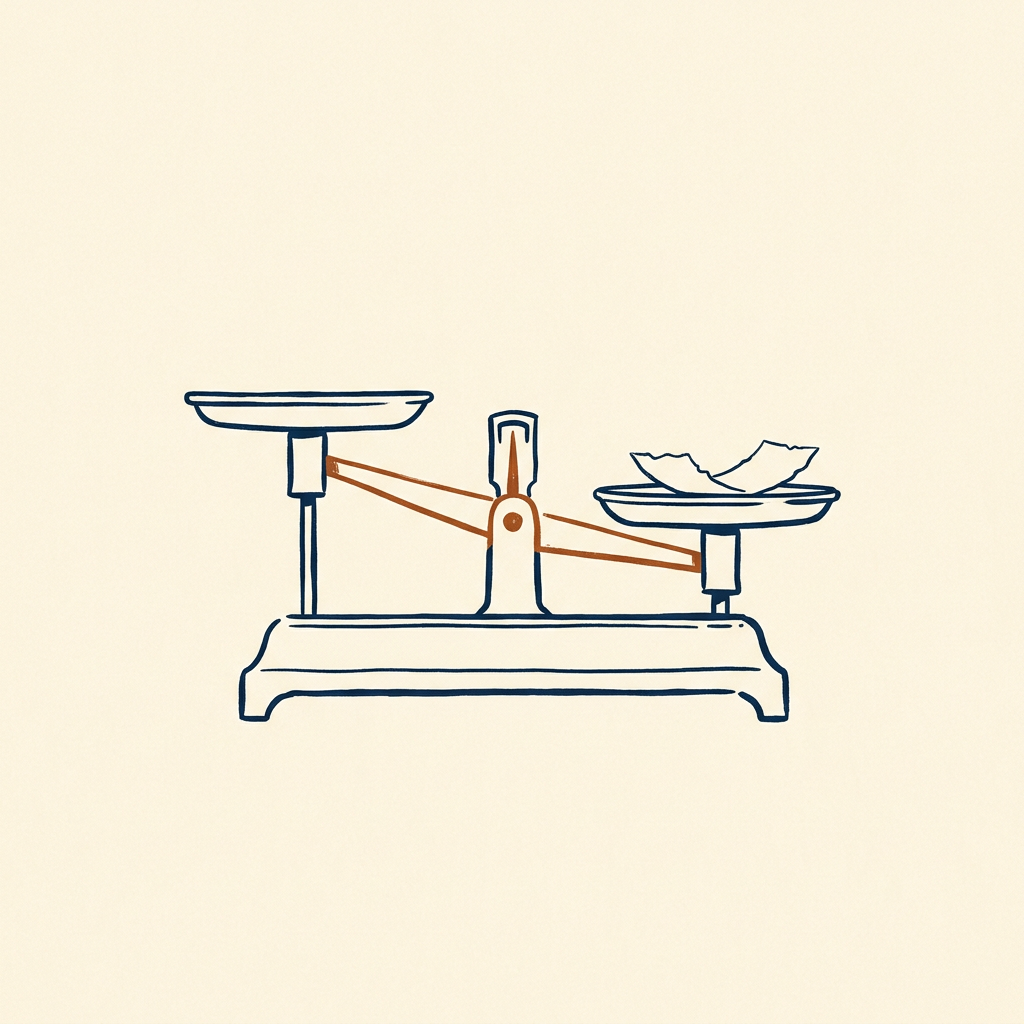
They draw a clean line between an altered state—a shift that ends when the session ends—and an altered trait, a durable change in how brain and body operate by default. Someone can feel deep peace on retreat and still return to the same anxious, reactive baseline an hour later; that is state without trait.
Their central wager is that certain practices, done enough, rewire the resting condition so equanimity or compassion becomes ordinary rather than a destination visited only on the cushion. Popular meditation culture, they say, mostly sells the immediate feeling of relaxation as if it were the whole benefit.
They want markers that survive the argument with a spouse or the stressful commute: amygdala activity, cortisol recovery, attentional stability. Contemplative claims become testable hypotheses, open to being discarded when they fail careful measurement.
That stance—skeptical but not dismissive—frames the rest of the book as an inquiry into dosage: how much practice, of what kind, produces which trait, and how long it lasts once cultivated.
In practice: A retreatant feels profound peace during sittings yet snaps back to the old reactive baseline on the drive home—state without trait.
2
Early research was weak
They argue much early enthusiasm rested on studies too small, uncontrolled, or vulnerable to bias to support the claims made from them.
Before crediting meditation with effects, Goleman and Davidson survey the field’s chronic flaws: handfuls of participants, no active control groups, self-reports easy to bias when practitioners want their years to matter, and publication bias that buried null results.
Widely cited stress or immune studies often compared meditators to people who did nothing, so relaxation, expectation, or class camaraderie could explain any gain. The authors admit their own early careers sometimes let enthusiasm outrun evidence, and they treat that as a caution for the field.
Stronger later work uses active controls such as health-education classes matched for time and attention, plus markers harder to placebo—gray-matter density, inflammation-related gene expression. Self-selection remains a trap: people who stick with practice for years may already differ temperamentally from quitters.
This chapter is the yardstick for everything that follows. It explains why the authors spend so much time qualifying claims instead of celebrating them.
In practice: Stress-reduction studies that compared meditators only to people who did nothing could not isolate meditation from simple rest or expectation.

3
Hours set the dose
Meditation’s effects, they argue, scale with cumulative practice hours in a rough dose-response pattern, so casual and monastic practice are not the same intervention.
- NovicesA few weeks of practice; modest self-reported stress relief
- Long-termersA few thousand hours over years; structural attention and interoception differences
- YogisTens of thousands of hours, often multi-year retreats; resting gamma and other rare baselines
Davidson’s groups fall into rough tiers: novices with a few weeks, long-term practitioners with a few thousand hours over years, and yogis with tens of thousands, often including multi-year silent retreats. Effects vivid in yogis are often faint or missing in novices.
An eight-week program may ease anxiety or rumination in measurable ways, yet those gains are typically smaller and shorter-lived than patterns reported in career practitioners. Novices may self-report modest stress relief; long-termers show structural differences in attention and interoception regions; yogis show baseline signatures such as elevated gamma activity even at rest.
The authors gently push back on marketing that treats brief mindfulness as a cure-all. Almost no one in ordinary life will rack up yogi-level hours, so apps and workplace courses describe a far more modest intervention than the transformations studied in Davidson’s lab.
Reading the rest of the book through this gradient keeps expectations honest: some findings apply to anyone who meditates a little; others belong to a rare contemplative population.
In practice: Yogis show elevated gamma-band activity even at rest—a baseline pattern the authors say does not appear in less experienced groups.

4
Attention as gateway trait
Sustained practice, they report, strengthens attentional control and reduces the brain’s default drift into self-referential mind-wandering—even at rest.
The default mode network runs when someone is off-task; it ties to mind-wandering, rumination, and self-focused thought. Work the authors cite, including Judson Brewer’s, finds experienced meditators show less default-mode activity during meditation and, notably, during ordinary rest, so the shift is not locked inside formal practice.
Attention splits into pieces they track separately: sustaining focus, noticing drift, and disengaging from distraction once spotted. Training studies show gains on each, including the attentional blink test, where meditators get better at catching a second rapid target—evidence of more efficient resource use, not just trying harder.
Three-month retreat studies found improved sustained attention that lasted months afterward, among the stronger signs of a real trait rather than a fleeting state. Without the capacity to notice and redirect mental activity, later emotional and prosocial training would have no lever to pull.
A wandering, easily hijacked mind cannot steadily practice compassion or regulate a startled fear response; disciplined attention is the gateway that makes those changes trainable.
In practice: After three-month retreats, participants showed improved sustained attention that persisted for months—one of the clearer trait-change signals the authors highlight.

5
Faster fear recovery
Long-term practice, they argue, shortens how long the brain’s threat response lasts, yielding faster return to baseline rather than emotional numbness.
Untrained recovery
Strong spike followed by prolonged distress and slow return to baseline
Trained recovery
Comparable initial spike, then return within a second or two
The amygdala still fires at a startling noise or provocative image whether or not someone meditates. What changes with practice, on their reading of the imaging, is not the first spike but how quickly it subsides.
Davidson’s fMRI work found experienced meditators recovered faster after disturbing images than novices, and recovery speed tracked lower trait anxiety and better daily mood regulation. Compassion practitioners and focused-attention practitioners showed different amygdala patterns, so techniques are not one generic calm.
They reject the myth that advanced meditators go flat. Yogis still showed strong initial reactions to pain or startle, comparable to non-meditators, but returned to baseline markedly faster—sometimes within a second or two instead of prolonged distress.
Resilience, not suppression, becomes the goal: speed of return after disturbance. Cortisol work after intensive retreats is treated as suggestive only—small samples, huge individual and time-of-day variability.
In practice: Yogis reacted strongly to pain or startling stimuli yet recovered within a second or two, unlike the prolonged distress typical of untrained subjects.
6
Compassion can be trained
They treat compassion as a mental skill specific practices can strengthen, with measurable effects on helping, distinct from raw empathic distress.
Loving-kindness and compassion meditations deliberately generate warmth toward oneself, loved ones, strangers, and finally difficult people, in escalating stages. That staged training is not the same as generic mindfulness or simple relaxation.
Brain imaging during compassion practice engages circuits tied to positive affect and reward, unlike the empathic-distress pattern that appears when people only witness suffering. The authors argue that split helps explain why untrained empathy burns caregivers out while trained compassion tends not to.
Even brief courses—a few weeks in some studies—produced shifts in generosity in economic games and in neural responses to images of suffering, though effect sizes were modest and they call for larger, more diverse replications before treating it as proven clinical care.
Nurses and social workers who practice compassion meditation, they note, report less emotional exhaustion than those who only try to empathize harder.
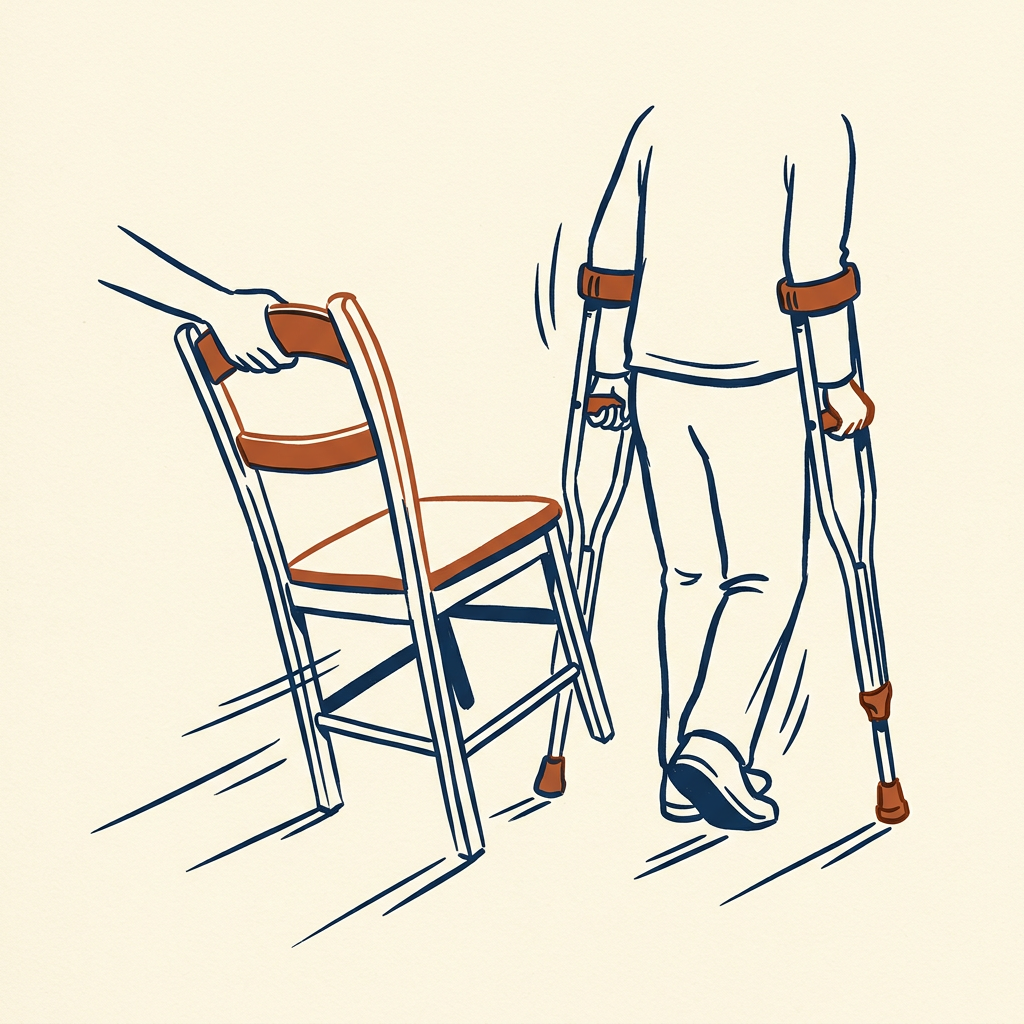
In practice: In a staged waiting-room scene, people who had just finished compassion training were far more likely to give up their seat to someone on crutches than people who had done an unrelated relaxation exercise—without knowing helping was being measured.

7
Yogi-level baselines
A few practitioners with tens of thousands of hours show physiological baselines so unusual they suggest ceiling-level trait change is possible, though rare and hard to generalize.
Davidson’s lab studied Tibetan monks and Western yogis with extraordinary cumulative retreat time. Some produced sustained high-amplitude gamma during meditation far beyond novices or even long-termers with a few thousand hours, and in several cases the elevated gamma spilled into ordinary waking rest.
One monk, deep in meditation, showed almost no measurable startle to a loud gunshot-like noise—a reflex normally treated as nearly impossible to suppress voluntarily. Advanced practitioners also rated the same painful stimulus as similarly intense but far less unpleasant than novices, with less activity in regions tied to anticipatory anxiety about pain.
The authors stay cautious: samples can be one or two people; these practitioners chose decades of intensive, often monastically supported practice and are radically self-selected. Still, they treat the cases like elite athletes—revealing the outer boundary of a trained human system even if almost no one will reach it.
Separating raw sensation from suffering about sensation is flagged as an especially promising trait target for future chronic-pain research.
In practice: One monk in deep meditation showed almost no startle to a gunshot-like noise, a reflex usually considered nearly impossible to voluntarily suppress.

8
Body markers stay early
Sustained practice appears to touch inflammation and cellular-aging markers, they report, but this evidence is more preliminary than the brain findings.
Beyond brain and behavior, Goleman and Davidson review biological signals tied to long-term health. Intensive-retreat studies found drops in interleukin-6 and other inflammatory markers versus matched vacationing controls who rested without meditating, pointing past simple time off.
Other work linked practice to telomerase activity—the enzyme that helps maintain telomeres, the chromosome caps that shorten with cellular aging and chronic stress. The authors call this correlational and preliminary, not proof that meditation slows aging.
Gene-expression studies reported that intensive practice altered activity in inflammation- and stress-related genes within as little as a day of retreat, a timescale that surprised the researchers. Biological markers matter because they are harder to fake than self-report, yet diet, sleep, small samples, and the impossibility of blinding still cloud the picture.
They refuse popular leaps that meditation has been proven to add years of life. The chapter marks a promising meeting of contemplative and biomedical work, not a settled fact.
In practice: Retreat practitioners showed reduced inflammatory markers compared with matched controls who vacationed without meditating, so rest alone was a weaker explanation.
9
Just ordinary neuroplasticity
They close by placing every change inside the brain’s general capacity for experience-dependent remodeling, so meditation is one trained skill among many, not a mystical exception.
Mystical exception
Meditation as unique, belief-dependent, beyond ordinary science
Trained skill
Repetition, attention, and reward remodeling circuits like any other practice
Neuroplasticity—the finding that repeated experience physically reshapes neural structure—is already familiar from musicians, bilingual speakers, and stroke rehabilitation. Framing meditation inside that literature strips away special pleading.
Structural MRI work they cite finds increased cortical thickness in attention and interoception regions among long-term meditators, analogous to expanded motor-cortex representation for a professional violinist’s left hand. If meditation runs on ordinary mechanisms, its effects should follow the same dose-dependent, individually variable patterns as any serious skill.
Attentional, emotional, and prosocial changes then look like different expressions of one process: repeated mental exercise strengthening some circuits at the expense of others, the way physical training builds particular muscles.
That grounding is their pitch for treating contemplative practice as a legitimate object of biomedical and educational research—same rigor, funding, and skepticism as any other training intervention, neither more nor less.
In practice: Long-term meditators’ thicker cortex in attention-related regions is presented as parallel to professional violinists’ enlarged motor maps for the left hand.
Key terms
- Altered state A temporary shift in consciousness that ends when the meditation session ends.
- Altered trait A durable change in baseline brain, body, or temperament that shows up in ordinary life off the cushion.
- Dosage tiers Rough practice levels—novices with weeks, long-termers with a few thousand hours, yogis with tens of thousands—used to match claims to actual training load.
- Default mode network Brain system active during off-task rest, tied to mind-wandering, rumination, and self-focused thought.
- Amygdala recovery How quickly the threat-detection response subsides after a disturbance; speed of return, not absence of feeling.
- Compassion vs empathy Empathy feels another’s pain; compassion adds motivated warmth aimed at relieving it, and trains different circuits.
- Yogis Rare practitioners with tens of thousands of meditation hours, often including multi-year retreats, who show extreme baseline physiology.
- Neuroplasticity The brain’s ordinary capacity to rewire structure through repeated experience—the mechanism the authors say makes trait change possible.
What to do
- Treat meditation as a skill with a real dose curve; do not expect a ten-minute app session to rewrite temperament.
- Commit to consistent daily practice for at least eight weeks if you want measurable stress-recovery change, and track one concrete marker such as how fast you settle after a hard meeting.
- Practice loving-kindness or compassion methods on purpose when helping and warmth are the goal, not only generic mindfulness.
- Read health claims about meditation by checking sample size and whether the control group was active and matched.
- Calibrate hopes to your actual hours: modest gains from short programs, larger trait shifts only with years of serious practice.
Questions to think with
- Are you chasing a better state during the sit, or a different baseline when life gets loud again?
- Given your real weekly hours, which findings in this book actually apply to you—novice, long-termer, or neither?
- When you want less burnout around suffering, are you training compassion or just amplifying empathy?
- Which of your meditation beliefs would still stand if every study without an active control were set aside?
- What single recovery marker could you watch for eight weeks to test whether practice is sticking?
The other side
Goleman and Davidson’s strongest findings on yogis rest on samples as small as one or two self-selected monastics, so they are weak ground for general claims; brief-program readers may feel deflated once dramatic traits are reserved for thousands of hours; much cited work remains small and thinly replicated, and later broader literature found smaller, less consistent effects; the research web around the Dalai Lama and Mind and Life may have steered which practices looked beneficial; and the book says little about people harmed by intensive practice through anxiety, depersonalization, or worse depression.
Who it's for
Meditators who want to know whether practice does more than an hour of calm, plus psychologists and neuroscientists hungry for evidence stripped of marketing, will get the most from the full book. General readers curious how years of mental training—not weeks—might reshape reactivity, attention, and compassion are the other natural audience.