



Mercury Shrinks Up to 30% More Than Estimated
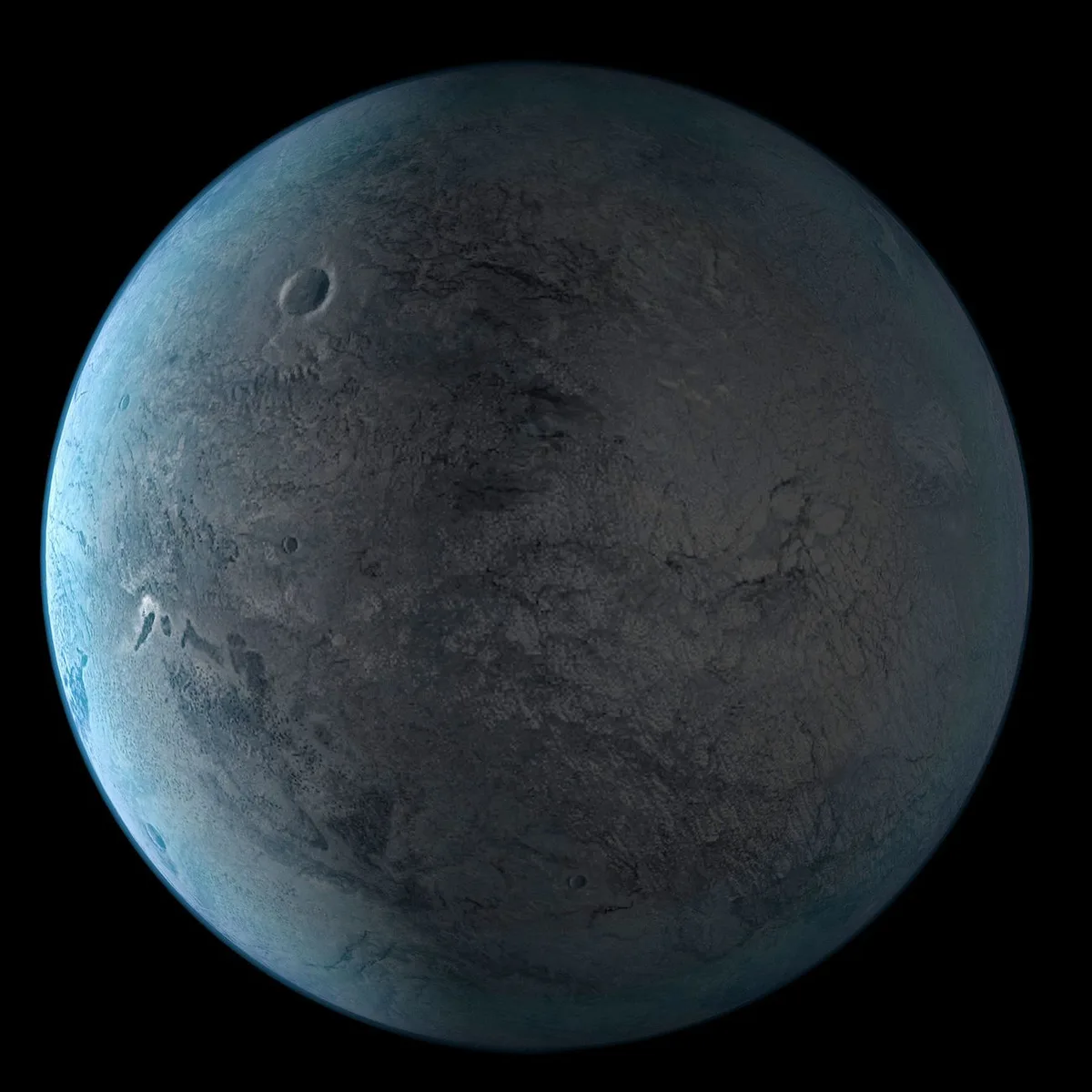
Mercury has contracted 10% to 30% more than earlier estimates suggested as its iron core cools, potentially reducing the planet’s diameter by up to 14.5 miles (23 kilometers) since its formation about 4.5 billion years ago. Researchers found that meteor impacts have spread rubble across Mercury’s surface, burying many of the cliffs, ridges and other contraction features used to measure the planet’s shrinkage. By comparing global maps of surface roughness with geological maps, the team determined that heavily cratered regions contain fewer visible “wrinkles” because many are obscured by impact debris. The revised estimate could improve scientists’ understanding of Mercury’s unusually large metal core, internal evolution and the processes shaping other rocky planets.
How it spread
Claim check
What each side asserts, disputes — or leaves out entirely.
Where do you land?
Whose framing of this story rings truest to you?