



Book claims most aging after 50 is decay from disuse
In 60 seconds
- Most of what people call normal aging after 50 is decay, repair shutting down from chronic disuse, not an unstoppable clock, Crowley and Lodge argue.
- Exercise that raises heart rate and loads muscle sends growth signals, chemical cues to build rather than decline, while sitting sends the opposite, Lodge argues.
- Unused muscle wastes year by year after 40 in sedentary adults, a process the authors call sarcopenia, age-related loss of muscle.
- Workout chemistry fades within about a day or two, so the gaps between occasional sessions lean back toward decay.
- Loneliness after retirement or widowhood, especially in men, trips the same decay pathways as never moving.
- Food should be judged by whether it feeds the growth pathway exercise turns on, which makes moderate lasting changes more useful than restrictive diets.
The big idea
Crowley and Lodge argue that most of what gets called normal aging is decay from disuse, and that vigorous movement sends a daily biochemical signal to grow rather than decline. Because that signal resets with each day's behavior, later life can stay vital if motion, connection, and ordinary eating become a permanent practice rather than a short fix.
The book in brief
The argument opens by splitting two things people usually fuse. The steep physical and mental drop of later decades is not treated as aging itself. It is decay, a separate process driven by sedentary living. Bodies were shaped by constant demand, walking, lifting, running from danger, and gathering food. Modern life removed those demands. The biology did not update.
From that mismatch the case builds a daily mechanism. Chemical signals push cells toward growth or toward decay. Movement that raises heart rate and challenges muscle favors growth. Stillness favors decay. Comfort is not a harmless idle. Systems that need use begin to fail when desks, cars, and labor-saving devices erase strain. Extra rest past a healthy baseline is said to speed the slide people hope to prevent.
The prescription follows the timing of the signal. Gains do not last, so occasional hard days are not enough. What is asked for is near-daily aerobic work, some of it genuinely hard, plus strength training, held as a permanent pattern rather than a program with an end date. A first-person late start carries the claim that the pattern can still be built.
The same switch is then applied past the gym. Social and emotional engagement is argued to be a biological necessity, not extra credit. Isolation, especially around retirement or the loss of a spouse, is said to trip decay the way inactivity does. Food is the third leg, and it is ranked under exercise. Eating matters, but it is judged by whether it supports an already moving system, not as punishment or a shortcut.
The landing is psychological and cultural. Interventions fail when they are temporary. The working version is an identity you stop renegotiating, sustained long enough to feel its effects. Stories that cast the years after midlife as managed decline are treated as self-fulfilling. Those years are framed as a stage for continued vitality, relationships, and contribution, rewritten day by day rather than waited out.
Context
Chris Crowley and Henry S. Lodge published the book in 2004. Lodge supplies the physician's frame. Crowley is the retired lawyer whose life is the central case.
It mattered because it reframed aging for a mass audience as a daily choice rather than fate. It popularized the claim that the last third of life can be a period of vitality rather than managed decline.
The key ideas
1
Decay is a daily decision
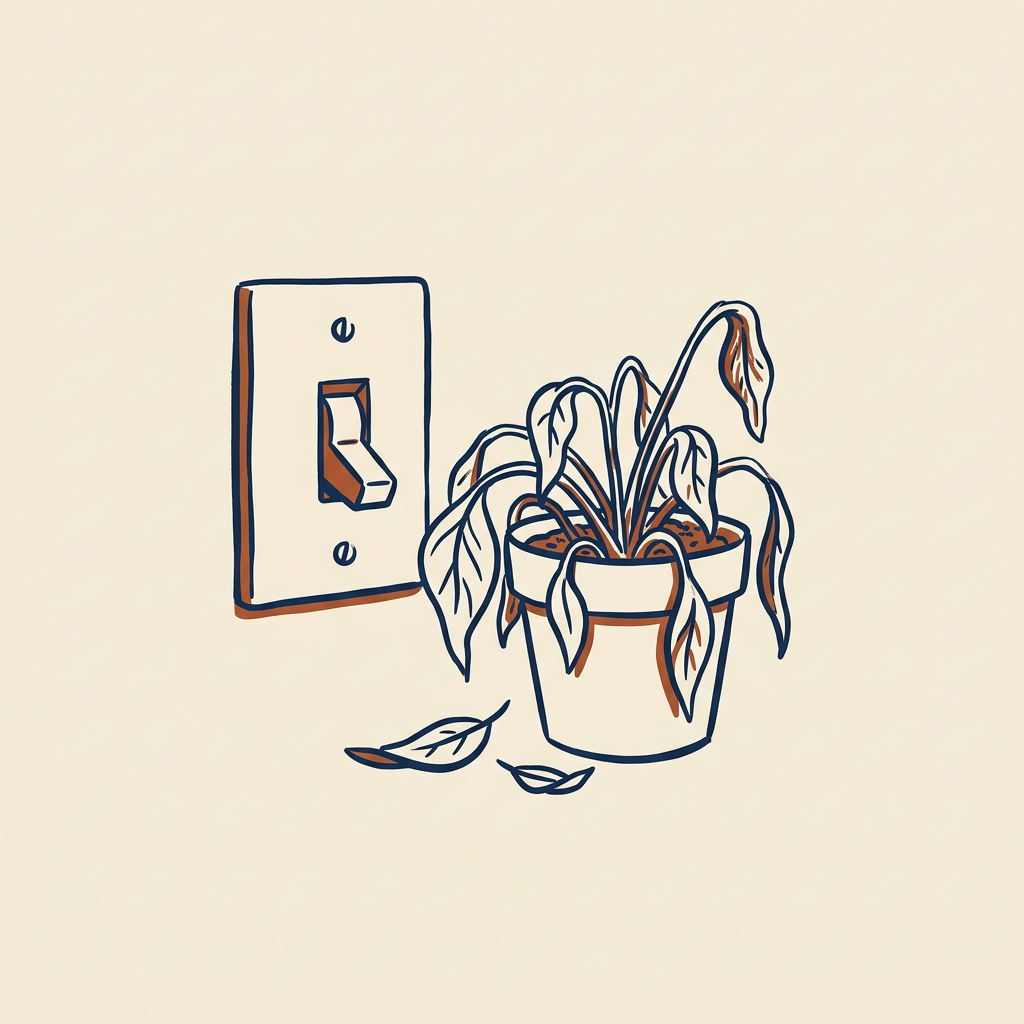
Cells read chronic stillness as a sign the body is winding down, and they switch off maintenance and repair.
Called aging
Steep late-life decline treated as fate, locked by years and genes.
Called decay
Disuse shutting repair down, reset by what you actually do that day.
Crowley and Lodge separate the steep physical and mental drop of later decades from aging proper. What they leave standing is decay, pinned to sedentary living rather than to a mere count of years. Bodies were shaped over millions of years of walking, lifting, fleeing, and gathering. Remove those demands and the old wiring does not get a new memo. Stillness is read as winding down. Upkeep systems switch off.
Lodge sets this as two opposing pathways running through adult life. One is growth. The other is decay. Each day, chemical signals shove cells toward one state or the other. Effort that lifts heart rate and challenges muscle favors growth. Sitting favors decay. Where everyday movement has collapsed, the default lean is decay.
That balance is not described as fixed by genes or by an accumulating tally of years. It resets with what a person actually does that day. The consequence they keep returning to is that there is no finish line. The answer is a permanent pattern, because the switch flips daily.
In practice: The average adult over 50 in industrialized countries moves far less than earlier generations or hunter-gatherer populations, so decay signaling becomes the default.
2
Comfort corrodes the body
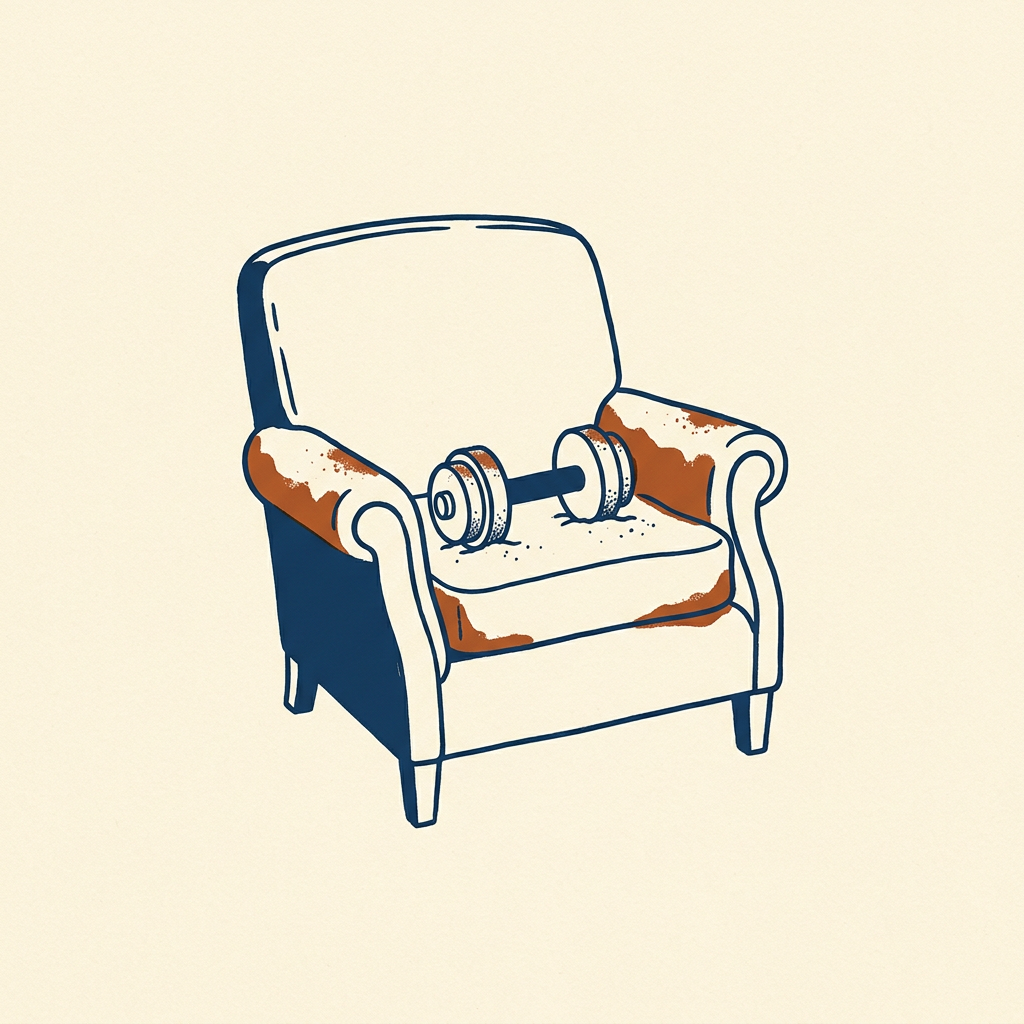
Bone, muscle, and blood-sugar control were built for daily strain, and rest past a healthy baseline speeds the decline comfort was meant to prevent.
The daily switch gets a historical reason. On their account, human physiology was tuned under scarcity and physical demand, across an evolutionary stretch far longer than the few generations since industrialization and mechanization. Blood sugar handling, inflammation, bone density, muscle, and the heart were calibrated for walking distances, manual labor, and periods of real strain.
When that demand vanishes, the body does not settle into a neutral low-maintenance state. Desk jobs, cars, elevators, and labor-saving devices remove the inputs the system requires. Systems that depend on use atrophy. Bone density drops without the mechanical stress that signals bone to stay strong. Insulin sensitivity, how readily cells clear sugar from the blood, worsens without regular exertion to do that clearing.
A common assumption is pushed the other way. Aging bodies are not mainly in need of protection and extra rest. Past a healthy baseline, rest is argued to accelerate the very decline people are trying to avoid. Convenience is pleasant. It is not neutral. The cost is decay, so the modern adult has to rebuild, on purpose, demands that ordinary life used to supply automatically.
In practice: In sedentary adults, muscle mass falls by roughly one percent a year after age 40, the loss called sarcopenia.
3
Six days, not heroics
Workout benefits fade within roughly 24 to 48 hours, so hard sessions on Monday and Thursday leave most of the week decay-leaning.
Spacing hard efforts several days apart leaves the interval uncovered. The useful changes do not hold. Those changes include better handling of blood sugar, lower inflammatory markers, stronger blood flow, and mitochondrial signaling, the cell's cue to tend its energy factories. The in-between days lean back toward decay.
The dose that follows is aerobic work on most days, at least a couple of sessions pushed to a genuinely hard effort, and strength training a few times a week. Athletic training is not required. Brisk walking, cycling, or swimming, kept long enough and often enough, is presented as enough, so long as the intensity stays moderate to vigorous and the chain rarely breaks.
Intermittent effort is treated as close to useless beside near-daily consistency. The aim is not an elite mark or a number on a scale. It is keeping growth systems switched on often enough that decay does not get the upper hand. Exercise becomes a running conversation with one's own cells, not a box to tick.
In practice: Crowley took the regimen up in his 70s after a career with little physical activity, and within months his stamina, mood, and capacity shifted enough to redraw what late life could be.
4
Connection is a biological input
Isolation after retirement or widowhood raises stress hormones and disrupts sleep and immune function, and men are hit especially hard.
Once the physical case is set, the same framework is stretched into emotional life. That extension is what keeps the book from reading as a standard fitness manual. Humans are cast as intensely social animals. Nervous and endocrine systems are said to treat connection as a biological input, not a psychological luxury.
Chronic loneliness and emotional withdrawal show up often after retirement or the loss of a spouse. The effects named are elevated stress hormones, disrupted sleep, and changes in immune function. Men are singled out as especially exposed in the years after those transitions.
The reason offered is structural, not sentimental. Retirement frequently strips more than a job. It removes daily contact, purpose, and the sense of mattering to other people. That loss is said to register the way physical disuse does. Men are argued to be more vulnerable because identity and social life were often built narrowly around work, so the end of work leaves a vacuum.
A plan that is only physical is therefore incomplete. Relationships, engagement with a partner, family, and community, and replacement purpose after a career change are load-bearing parts of the same system. They are given the same daily seriousness as a morning walk.
In practice: Research the authors cite on retirement and widowhood finds that men can decline physically faster afterward than any single medical diagnosis would predict.
5
Eat for the exercised body
Exercise changes how tissue splits incoming calories, so diet cannot stand in for the training habit or be judged apart from it.
Sedentary meal
The same food is metabolized more harmfully, with calories more likely stored as fat.
Six-day exerciser
Exercised muscle is more insulin-sensitive and shuttles glucose toward repair.
Food is the third leg, and it is ranked under motion on purpose. A sedentary body is said to metabolize the same intake differently, and often more harmfully, than a body that trains. Exertion changes insulin sensitivity and how tissue partitions calories between muscle repair and fat storage. Get the exercise habit solid first. That changes what a reasonable diet even has to accomplish.
The menu advice itself is conventional for its time. Less processed food and refined sugar. More food closer to its natural state. Portions kept in check. No cycle of aggressive dieting followed by rebound gain. Fad diets and short restriction are met with skepticism, because they fight the body's regulatory systems instead of working with them. Sustainable moderate change is preferred to a dramatic cut that is not kept.
Readers looking for a dietary shortcut around the exercise requirement are told they will not find one. Eating matters as a complement to an active life, not as a stand-alone fix.
In practice: Two people eat identical meals; the one exercising six days a week is said to shuttle glucose into muscle rather than fat, because that muscle is more insulin-sensitive.
6
Make it identity, not a program
Real physiological change is put in months and years, so quitting after a few weeks abandons the process before it has had time to work.
The physical, social, and food pieces are treated as simpler than staying with them across years and decades. Most health interventions fail, on this account, not because the underlying advice is wrong but because people frame them as temporary fixes. A diet to lose ten pounds. A gym membership taken up in January. The project ends, and the old days return.
What is asked instead is a practice you no longer debate each morning. There is an early stretch of conscious effort and real discomfort, before the pattern is automatic. After that, the behavior can hold itself because the person feels and values the effects directly. More energy, better mood, and easier movement replace raw willpower.
Short-term thinking is the target. The timeline for real change is months and years, not weeks. People who quit early because nothing has transformed yet are described as leaving before the process has had time to work, not as proof that the process is flawed.
In practice: Crowley describes an initial period of real difficulty with daily exercise, then a shift in which he missed the activity on days he skipped it instead of having to force it.
7
The last third has a job
Expecting later decades to be about conserving energy leads people to avoid effort, which accelerates the decay they thought was inevitable.
Cultural stories of aging as managed decline are treated as self-fulfilling. Expect the last decades to be about slowing down and saving energy, and behavior follows. That behavior feeds the decay pathway. The expectation and the outcome lock.
The counter is to treat the years after 50 or 60 as a distinct stage with its own goals. Continued physical vitality. Deepened relationships. Ongoing contribution through work, causes, or family. This is not offered as naive positive thinking. It is tied back to the signaling already described. Expect to stay vigorous, and the day gets planned around movement, people, and food that supports those aims. Expect decline, and the day gets built around avoiding effort, which speeds the drop that was anticipated.
The close is a cultural claim. Industrialized societies are said to have built a decline narrative that is neither biologically necessary nor especially old historically. Individuals are argued to have more power to rewrite that story for themselves, day by day, than most expect.
In practice: People who treat retirement as an ending, rather than a move into a new active phase, are described as the ones most likely to see rapid physical and cognitive decline afterward.
Key terms
- decay The disuse-driven shutdown of repair that the authors say people mistake for normal aging.
- growth signals Daily chemical cues, switched on by hard movement, that tell cells to build and maintain.
- sarcopenia Age-related wasting of muscle in adults who stay sedentary.
- insulin sensitivity How readily cells pull sugar out of the blood, which regular exertion improves.
- mitochondrial signaling Exercise cues that tell cells to tend the structures that make energy.
- yo-yo dieting Aggressive restriction followed by rebound gain, which they say fights the body's own controls.
What to do
- Walk, cycle, or swim at a heart-raising pace on six days this week, the near-daily dose meant to keep growth signals from lapsing.
- Add at least two genuinely hard efforts and strength work a few times, instead of a Monday-and-Thursday split.
- If a day drops out, restart inside the 24-to-48-hour fade rather than waiting for a new week.
- Replace one lost point of daily contact, the kind retirement or widowhood strips away, with a real conversation this week.
- Hold any fad or crash diet until the exercise habit is solid, then cut processed food and refined sugar only in a way you can keep.
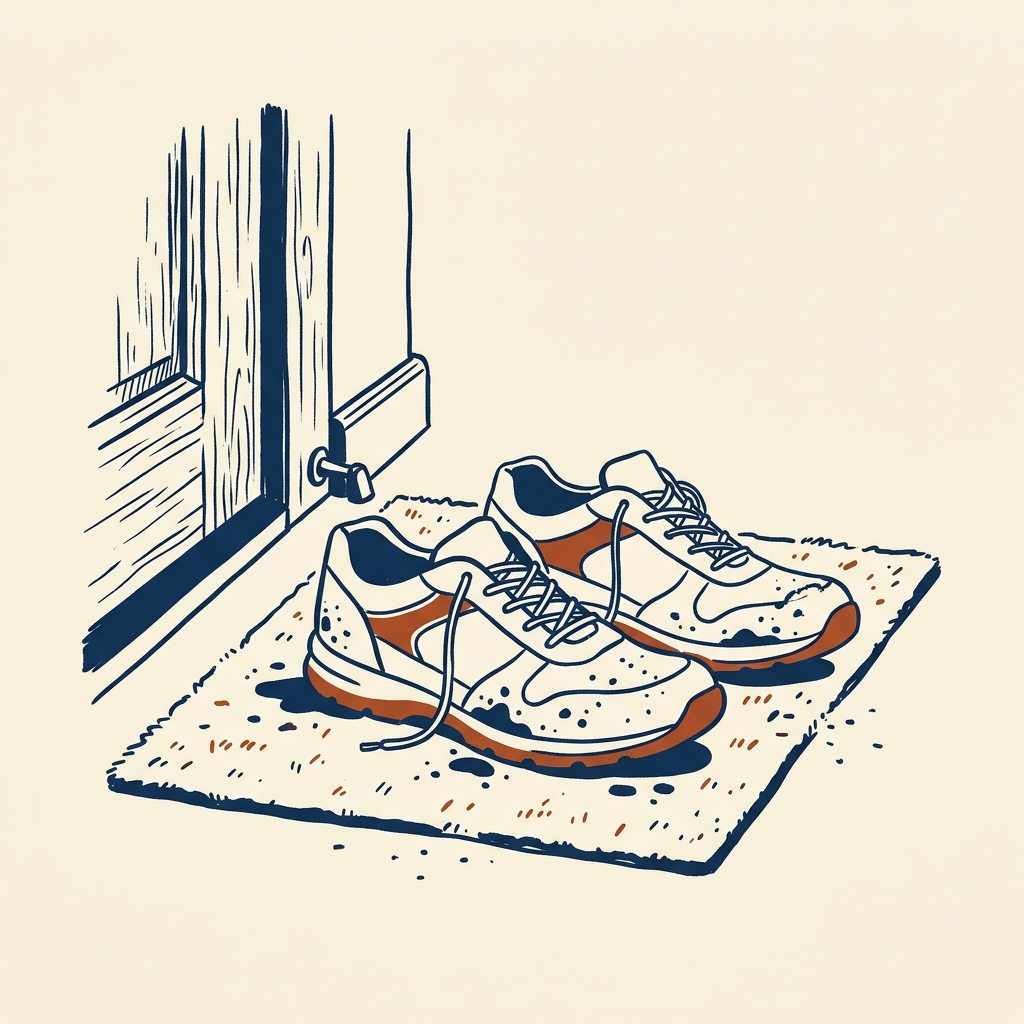
- Set your walking shoes beside your toothbrush for a month and stop debating the session, the permanence Crowley describes after the early discomfort.
Questions to think with
- Which slowdowns after 50 might be decay from disuse rather than a clock you cannot touch?
- What daily strain did a car, an elevator, or a desk quietly delete, and what would putting one demand back change?
- If work ended tomorrow, what structure of contact and mattering would leave with it?
- Are you inside a ten-pound or January project with an end date, or a practice you would miss on a skipped day?
- What do you expect the years after 60 to be for, and how is that expectation already arranging your effort?
The other side
The science is stated with more certainty than it earns. Lodge's growth-versus-decay account is a useful metaphor built on real mechanisms, inflammatory markers, insulin sensitivity, and mitochondrial biogenesis, cells building more energy factories, but a large and still-evolving literature is compressed into a clean binary. Specific studies, sample sizes, and contrary findings are barely cited, and the anecdote-driven style means readers cannot check the claims. The central case is Chris Crowley, a wealthy, highly motivated retired lawyer with the time, money, and access to medical care and gyms to rebuild his life around daily exercise. The book does not seriously grapple with people who lack flexible schedules, whose jobs already exhaust them, who live with chronic pain or disability that makes daily vigorous exercise unrealistic, or who cannot afford to eat well and reach fitness facilities.
Who it's for
A reader in their 50s or 60s who suspects decline is something they have been doing to themselves will get the most from the full argument, as will someone after a health scare, a friend's slide, or a mirror moment who wants a concrete daily plan. Caregivers and adult children trying to see why one older relative thrives while another drops fast will find the trajectory spelled out.