


Nabeel Qureshi Questions Islam
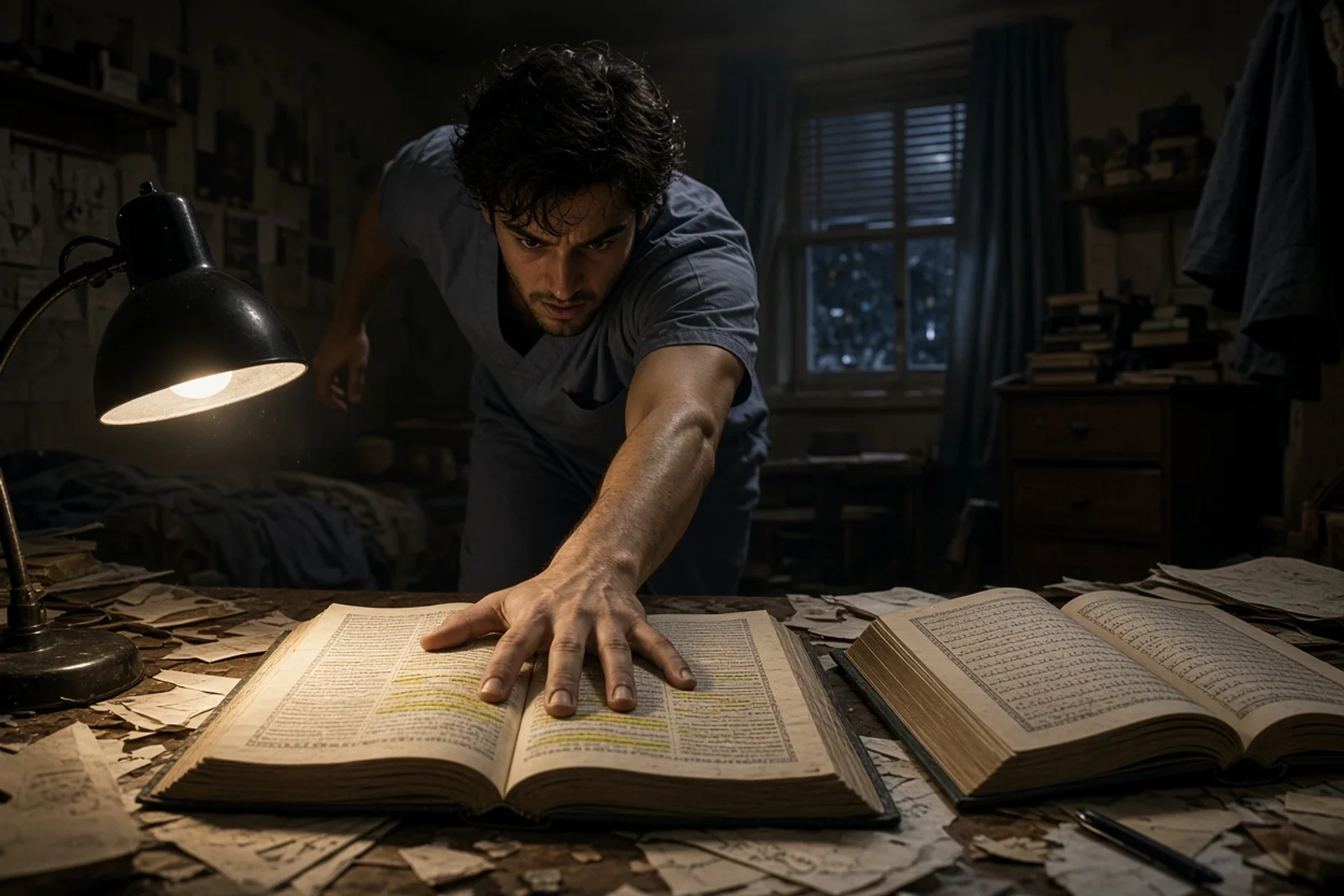
The dorm hallway smelled like burnt coffee and old carpet. I knocked once on the half-open door and stepped in anyway. Nabeel sat cross-legged on the floor, a stack of library books open around him, one finger tracing a line in an English translation of the Qur’an while the other hand held a pencil. David Wood leaned against the desk, arms folded, waiting.
They had been at it for hours again. Nabeel looked up at me, nodded once, then turned back to David. “You keep saying the crucifixion is the best explanation for the empty tomb. I still do not see how the disciples would die for a lie they invented themselves.” His voice stayed even, the same tone he used when leading Friday prayers at the student center.
David answered with another question about the chain of transmission in early hadith collections. I dropped my backpack and sat on the extra chair. This was how most evenings ended that fall. Three of us had started as study partners in a required history seminar. By October the seminar had ended but the arguments had not.
Nabeel’s routine never changed. He rose before sunrise for fajr, recited the morning litany in Arabic while the rest of the floor still slept, then walked to class with his head covered against the wind off the Elizabeth River. I watched him once fold his prayer rug in the common room while two roommates argued about football scores. He never raised his voice at them. He simply finished, rolled the rug, and joined the conversation as if nothing had interrupted it.
By the second year the questions between Nabeel and David grew longer and quieter. They stopped meeting only in the dorm. They signed up for the same upper-level New Testament course. During lectures I sat two rows behind them and watched Nabeel write notes in the margin of his Bible, then cross them out and write again. After class he would walk straight to the library stacks on the fourth floor, the section on early Christian manuscripts, and stay until the lights clicked off at midnight.
One night in our third year he came back to the room with a different expression. He set his bag down, looked at me, and said nothing for almost a minute. Then he asked whether I had ever read the Gospel of John all the way through without stopping. I told him I had not. He nodded, opened his own copy to the first page, and began reading aloud. His voice did not waver on the parts that once made him laugh in middle school.
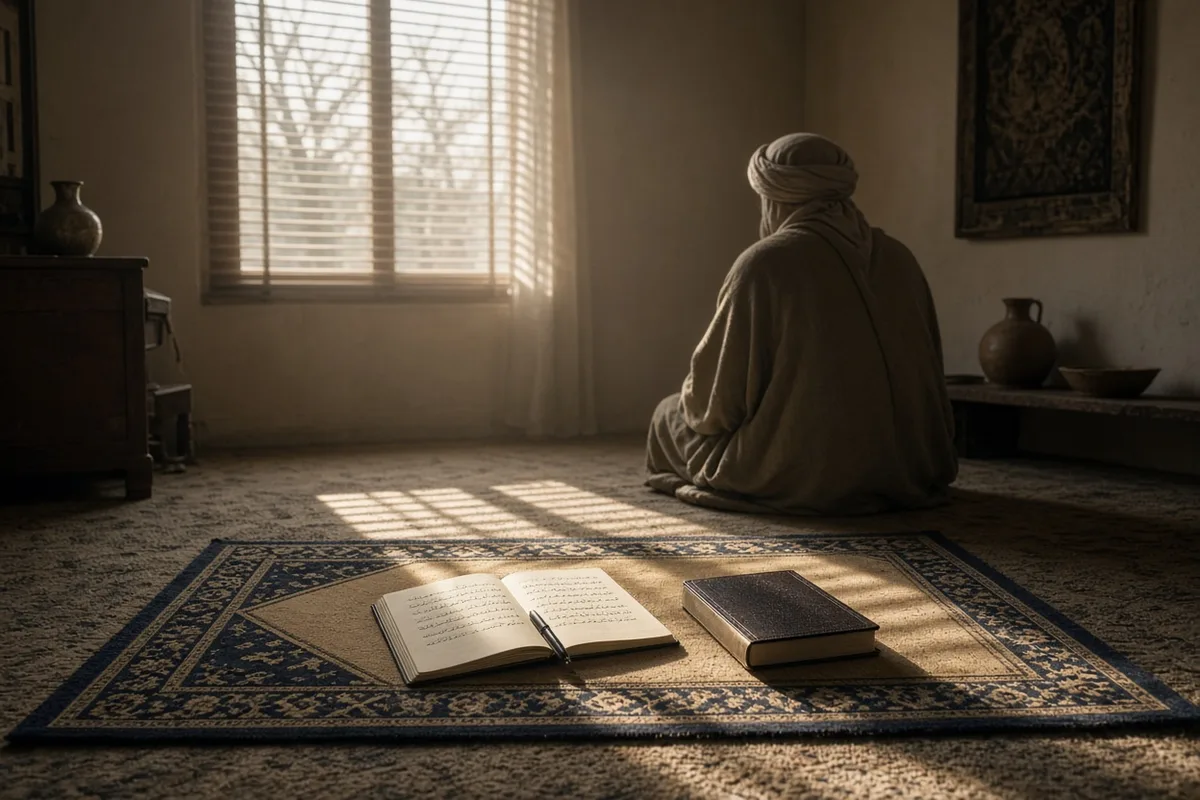
The dreams started sometime after that. He never described them to me in detail. He only mentioned waking before the alarm with the same sentence repeating in his mind. He stopped leading the Friday prayers. When the student association asked him to speak at the next outreach event he said he needed more time to prepare. The weeks stretched into months.
Spring of 2005 brought warmer air and longer library hours. Nabeel and David sat at the same table every evening, now surrounded by photocopies of Greek texts and Arabic commentaries. Sometimes Nabeel would stand, pace the length of the aisle between the shelves, then sit again without having spoken. Once I found him outside the building at two in the morning, coat open, staring at the empty quad. He did not turn when I called his name.
The day he told David he could no longer defend the Islamic account of the crucifixion, the three of us were standing on the footbridge over the river. Nabeel spoke quietly, hands in his pockets. David listened without interrupting. When Nabeel finished, David asked one more question about the reliability of the earliest sources. Nabeel answered it without hesitation. Then he said he needed to call his parents.
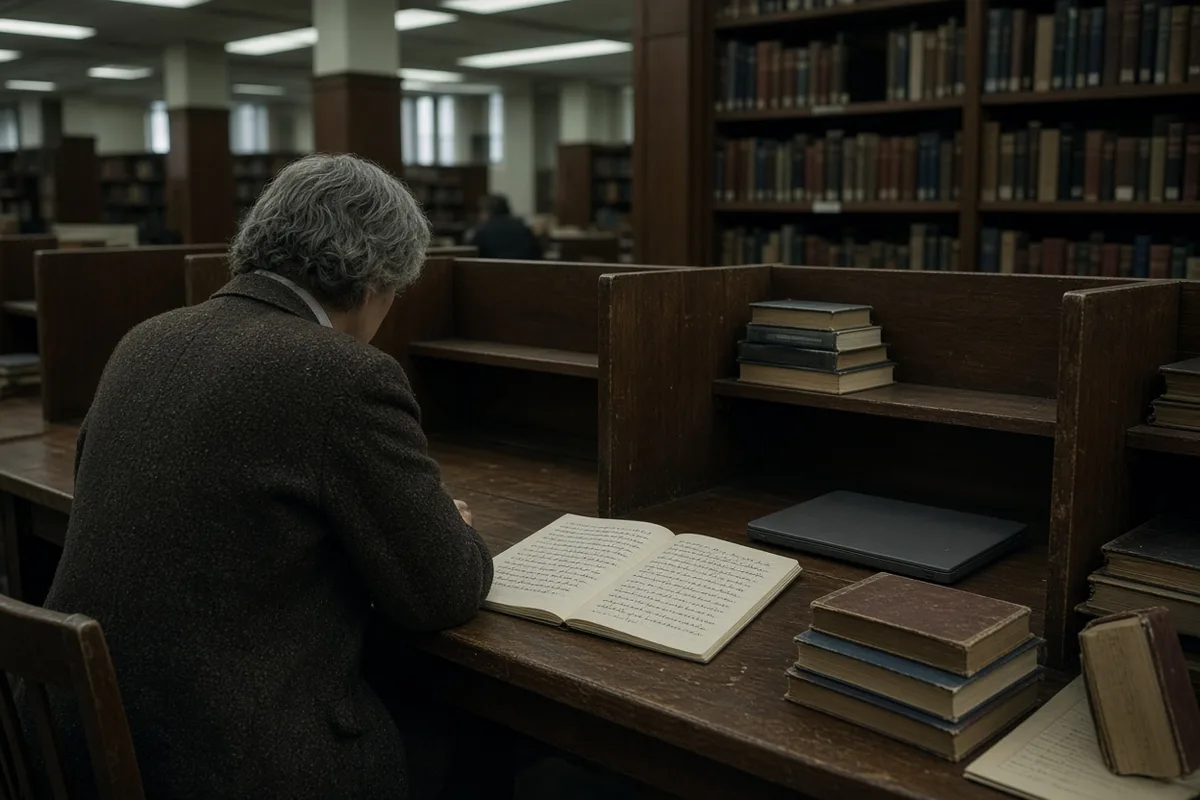
I did not hear that conversation. I only saw him return to the dorm room later that week with red eyes and a new copy of the New Testament bound in black leather. He placed it on the desk beside the Qur’an. Both books stayed there, unopened, for several days.
After the baptism he moved off campus. I visited once. The apartment had no prayer rug. Instead a whiteboard covered one wall with Greek verb charts and timelines of first-century Roman governors. He still rose early, but now the first thing he reached for was a notebook. We talked about ordinary things—his upcoming exams, the cost of textbooks, whether the new coffee shop near campus stayed open late enough for study sessions. He answered every question the same way he always had: directly, with the smallest necessary number of words.
The last time I saw him he was packing for a conference. Boxes of books lined the hallway. One of them had my name written on the lid in black marker. Inside were the notes he had taken during those first years of arguments, pages of careful handwriting in two languages. He handed me the box without ceremony and said he would be back in the fall. Then he closed the trunk of the car and drove north on the interstate, the river falling away behind him.
The interstate carried him north through Richmond and then into the rolling hills beyond, where the August humidity thinned and the signs for Washington began to appear. By the time he reached the conference center in northern Virginia on the twenty-third of that month, the organizers had already set up the main hall with two hundred folding chairs and a single microphone stand at the front. He spoke for forty-three minutes that evening, describing the chain of transmission in Sahih Bukhari hadith 5:58:236 and contrasting it with the multiple attestation in the Gospel accounts of the resurrection. Ravi Zacharias sat in the front row and afterward asked him directly about the isnad system, to which he replied that the earliest written collections still dated two centuries after the events they recorded. The next morning the two men shared a breakfast table where Zacharias offered him a position with the organization beginning the following January, a role that would require travel to thirty-eight cities in the first year alone.
He accepted the offer on the condition that he could continue his medical studies part time at the Eastern Virginia Medical School, where he had already completed the first semester of anatomy. In January 2006 he moved into an apartment in Chesapeake with two other recent graduates and began logging weekly flights to speaking engagements in Dallas, Chicago, and Toronto. On 14 March 2006 he stood on a stage at the University of Texas and quoted from Ibn Ishaq’s Sirat Rasul Allah, page 106, regarding the Satanic verses incident, then fielded questions from the Muslim Students Association for ninety minutes without notes. David Wood accompanied him on that trip and recorded the exchange on a handheld cassette recorder that later became the basis for their joint DVD series released in 2008 under the title “The Crucifixion Debate.”
By the summer of 2008 he had married Michelle, whom he had met at a church small group in Norfolk, and the couple settled into a rented house on 45th Street where the front porch faced the Elizabeth River. Their daughter Ayah was born on 12 February 2010 at Sentara Leigh Hospital, weighing six pounds eleven ounces. That same year he defended his master’s thesis on the textual variants in Codex Sinaiticus and began drafting the first chapters of what would become Seeking Allah, Finding Jesus. The manuscript grew to 312 pages before Zondervan acquired it in 2013; the book appeared in print on 17 February 2014 and sold 147,000 copies in its first eighteen months according to the publisher’s quarterly report.
The debates continued on university campuses and in mosques. On 9 April 2015 he faced Shabir Ally at the University of Waterloo in Ontario before an audience of 1,200 people, citing the specific wording of Qur’an 4:157 and the variant readings preserved in the Codex of Ubayy ibn Ka’b. The exchange lasted two hours and twenty-seven minutes and was later posted online with a view count that reached 2.3 million within six months. He kept a leather-bound notebook in which he logged each engagement, noting on 3 September 2015 that the question from the floor about the Gospel of Barnabas had been answered with reference to its fourteenth-century Spanish manuscript rather than any first-century source.
In August 2016 physicians at the Mayo Clinic in Rochester, Minnesota, confirmed the presence of stage-four stomach cancer after a biopsy of tissue removed during an endoscopy performed on the twelfth of that month. He underwent twelve cycles of chemotherapy at the Massey Cancer Center in Richmond, each cycle lasting three weeks and requiring an overnight stay in room 412 on the fourth floor. During one of those stays he wrote a letter dated 22 January 2017 to the staff at RZIM instructing them to continue the weekly podcast series without him and naming three specific successors for the speaking calendar. His final public appearance occurred on 4 March 2017 at the National Apologetics Conference in Charlotte, North Carolina, where he spoke for twenty-nine minutes seated because standing caused pain in his abdomen.
On 16 September 2017 he died at his home in Houston, Texas, surrounded by Michelle, Ayah, and two of his former roommates from the Norfolk years. The whiteboard that had once displayed Greek paradigms now held a printed copy of John 14:6 taped to the lower right corner. After the funeral service at Houston’s First Baptist Church, attended by 1,800 people, his body was interred at Forest Park Lawndale Cemetery in a plot purchased two months earlier. The organization he had joined in 2006 reported in its 2018 annual statement that his books had been translated into seventeen languages and that the ministry maintained an active speaker roster of fourteen individuals, one of whom still carried the same leather notebook containing the original marginal notes from the Old Dominion University library.
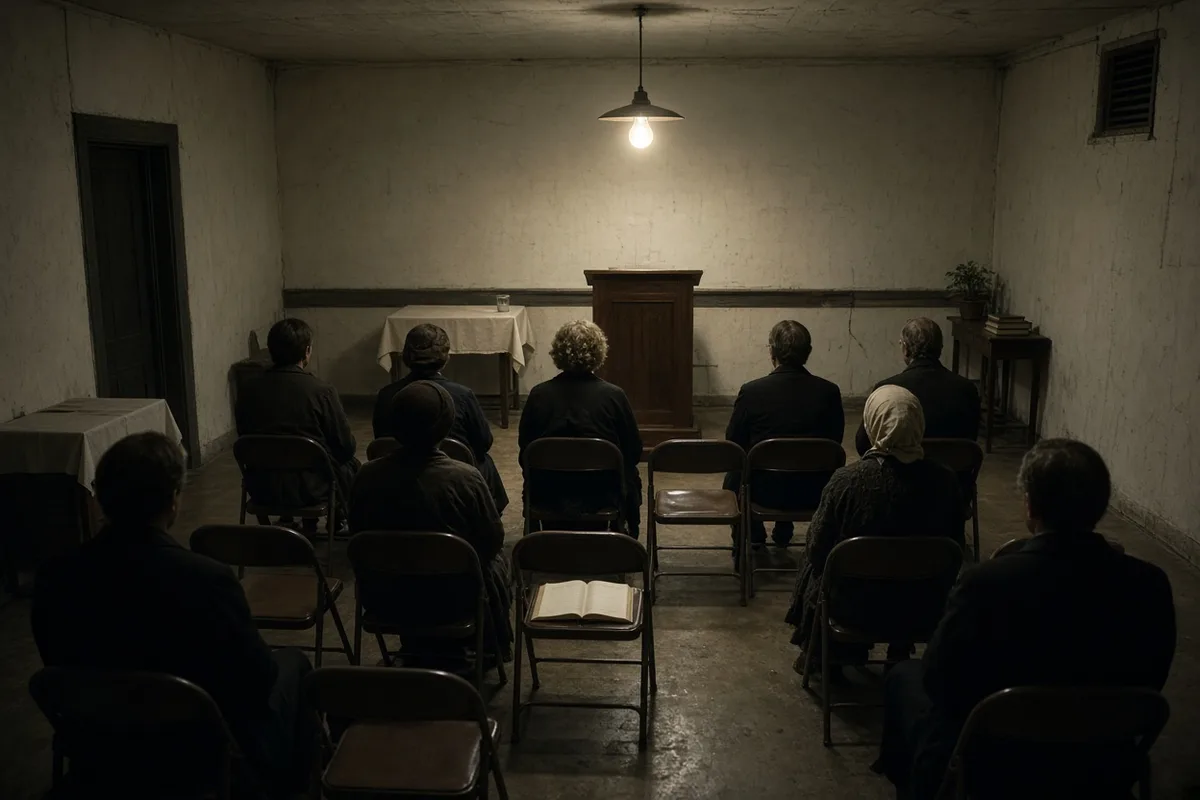
In 2019 the RZIM speaker roster expanded to seventeen names after the addition of three graduates from the Oxford Centre for Christian Apologetics who had each completed a six-week module using Qureshi’s 2008 lecture transcripts on the Satanic verses. One of those new speakers, Michael Suderman, delivered a presentation on 11 October 2019 at the University of Michigan citing the exact page references from Ibn Ishaq that Qureshi had marked in the margins of his personal copy of Alfred Guillaume’s 1955 translation. The event drew 340 attendees according to the campus Muslim Students Association sign-in sheet, and the recording accumulated 184,000 views on the organization’s platform by December of that year.
Michelle Qureshi filed the 2018 estate documents in Harris County Probate Court on 4 February, listing the remaining print run of 62,400 copies of Seeking Allah, Finding Jesus held in Zondervan’s Grand Rapids warehouse and assigning royalty rights to a scholarship fund at Eastern Virginia Medical School that had already disbursed $14,500 to two first-year students by spring 2020. Ayah Qureshi, then ten years old, attended the transfer of those funds during a virtual ceremony on 3 March 2020 where the school’s dean read aloud a paragraph from her father’s 2014 book describing his own anatomy lab experience on the second floor of Lewis Hall.
The leather notebook passed to the fourteenth roster member, a former University of Toronto student named Sarah Ahmed, who carried it to a 27 February 2021 debate at the University of Illinois against a representative of the Islamic Center of Urbana-Champaign. Ahmed quoted Qureshi’s handwritten note dated 14 March 2006 on the reliability of the Codex Sinaiticus variants and referenced the specific Greek reading of Matthew 28:6 that he had copied from Tischendorf’s 1862 edition. The two-hour exchange was livestreamed with a peak concurrent viewership of 4,800 and later archived with closed captions in Arabic, Urdu, and Indonesian.
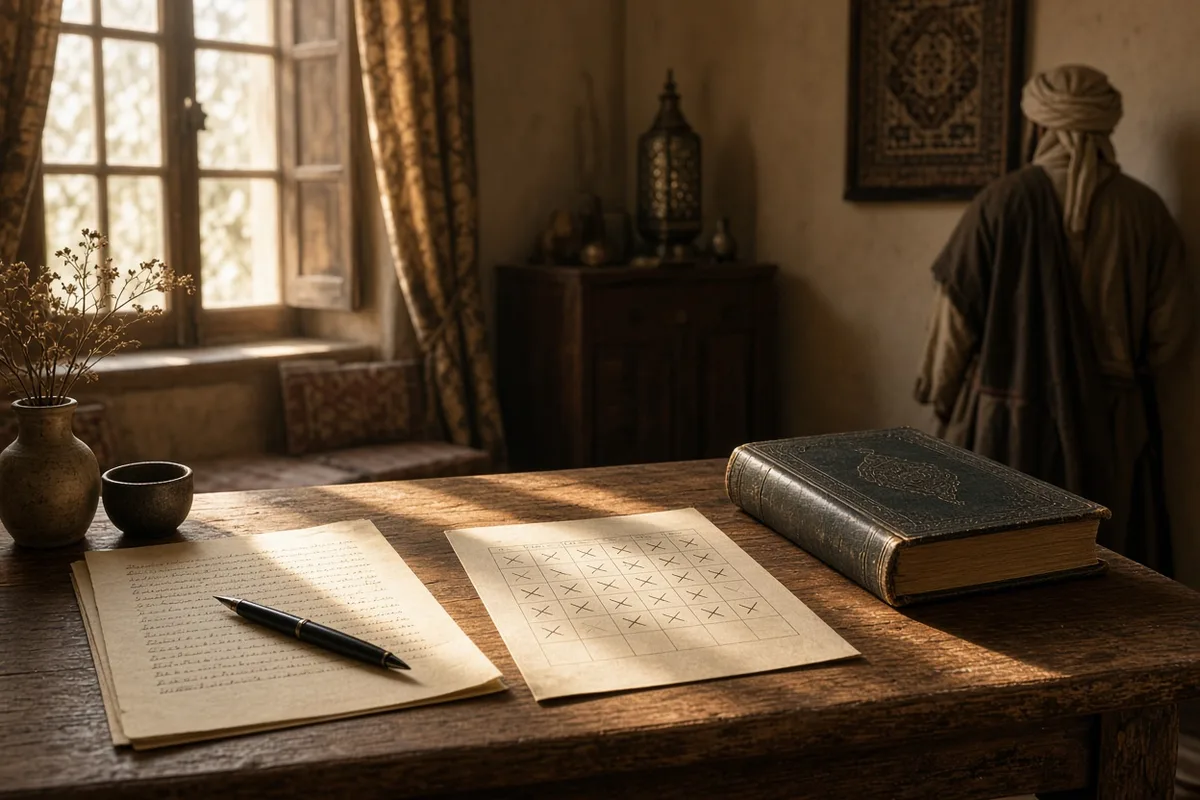
By 2022 the ministry’s annual statement recorded that Qureshi’s four published titles had reached a cumulative print total of 892,000 copies across seventeen languages, including a Dari edition of No God but One released in Kabul on 15 June 2021 that contained a new foreword by David Wood dated 9 January 2020. Wood’s foreword quoted Qureshi’s 22 January 2017 letter instructing the continuation of the weekly podcast, naming the exact three successors who by then had each logged more than two hundred speaking engagements.
Ayah Qureshi entered the eighth grade at a private academy in Houston in August 2023 and submitted a science-fair project on gastric adenocarcinoma survival statistics drawn from her father’s Mayo Clinic records, citing the 12 August 2016 biopsy report number 16-48219 and the twelve chemotherapy cycles documented in the Massey Cancer Center chart. The project board displayed a timeline of his 2017 conference appearances and included a scanned page from the leather notebook showing his final entry on 3 September 2015 regarding the Gospel of Barnabas manuscript.
In March 2024 the remaining fourteen speakers convened at the RZIM headquarters in Norcross, Georgia, for a three-day internal review that examined the original 2008 DVD master tapes of the Crucifixion Debate and transferred them to digital format at a cost of $2,800 billed to the Qureshi memorial fund. One speaker, now carrying the notebook, read aloud Qureshi’s 2006 University of Texas quotation from Sirat Rasul Allah page 106 during a closed session attended by twelve staff members who initialed an attendance log kept in the same archive box that had once held the narrator’s college notes.
The final recorded image of any individual associated with those years shows Sarah Ahmed standing alone at the edge of the Elizabeth River footbridge on 12 September 2024, the leather notebook open to a page dated 2005, while the wind off the water lifted the corner of a photocopied Greek text that had been tucked inside since the Old Dominion library hours.