


Nicholas Ludwig von Zinzendorf Welcomes Moravian Refugees
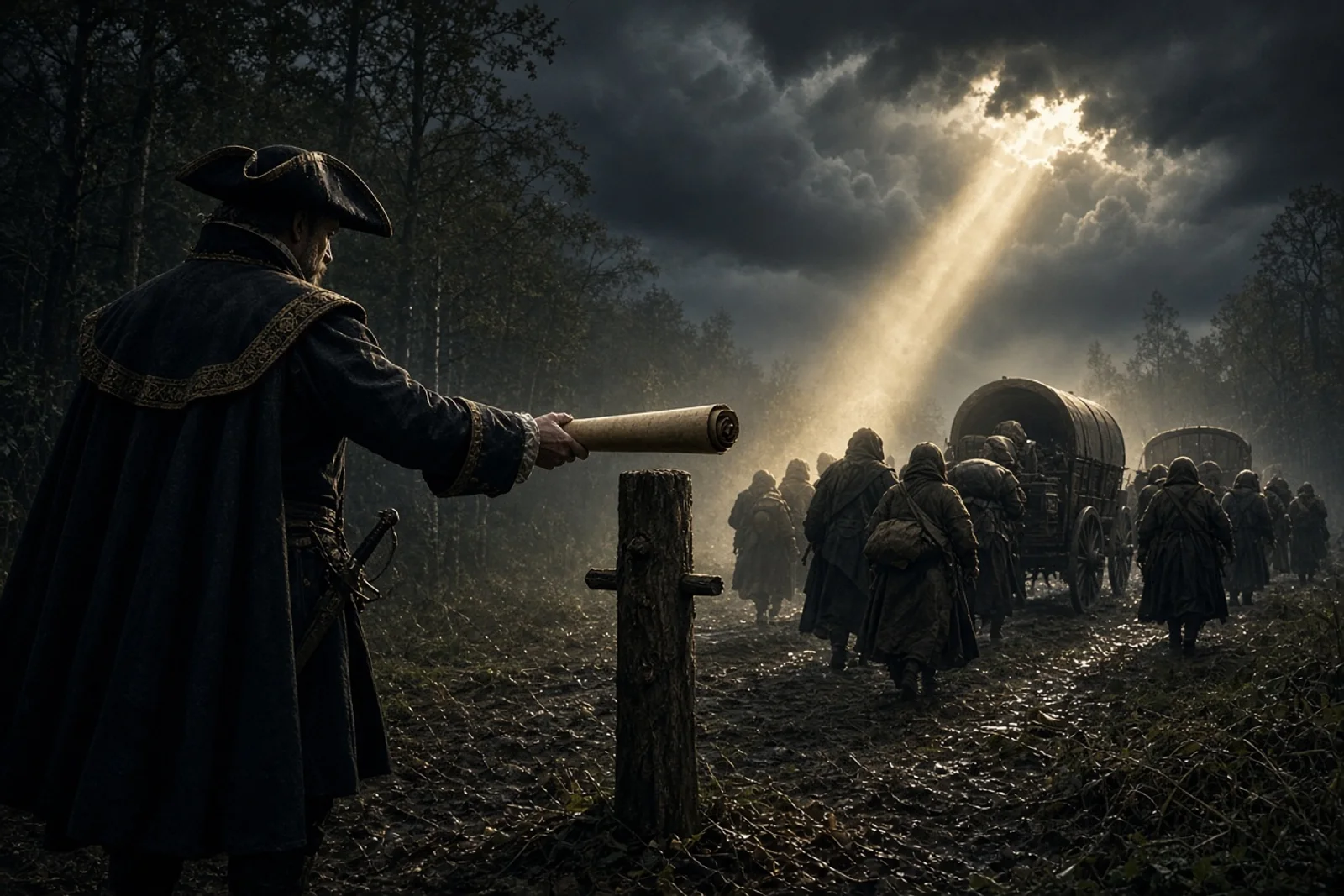
My boots cracked through the last crust of frost on the path when the steward lifted his lantern and pointed ahead. The pines thinned into a stretch of black water and reeds. Christian David walked beside me, his axe balanced across one shoulder, saying nothing. We had walked more than a month from Sehlen, sleeping in ditches and under hayricks, and the smell of wet earth now rose around us like something alive.
The steward stopped at the edge of the mire. He told us the count was still in Dresden and that the village of Berthelsdorf had no work for cutlers or weavers. He said the ground here was poor and the water unreliable, then added that we could rest in the half-finished farmhouse if we chose. His voice carried no welcome, only the weight of a duty he wanted finished before dark.
We stepped inside the roofless walls. The beams were already black with damp. One of the women from our group set her bundle on a stone and looked at the sky through the open rafters. Christian David turned the axe in his hands and asked where the count’s men had marked trees for felling. The steward pointed to a low rise where mist still clung to the trunks.
By first light the next morning the steward walked the slope with Christian David. They stopped at a straight pine. The steward prayed aloud, then drove a stake into the soil and said the first house would stand there. Christian David raised the axe. The blade bit once, twice, and on the third stroke the tree leaned. He shouted the old verse about the sparrow finding a house and the swallow a nest. The sound carried across the swamp and died against the farther trees.
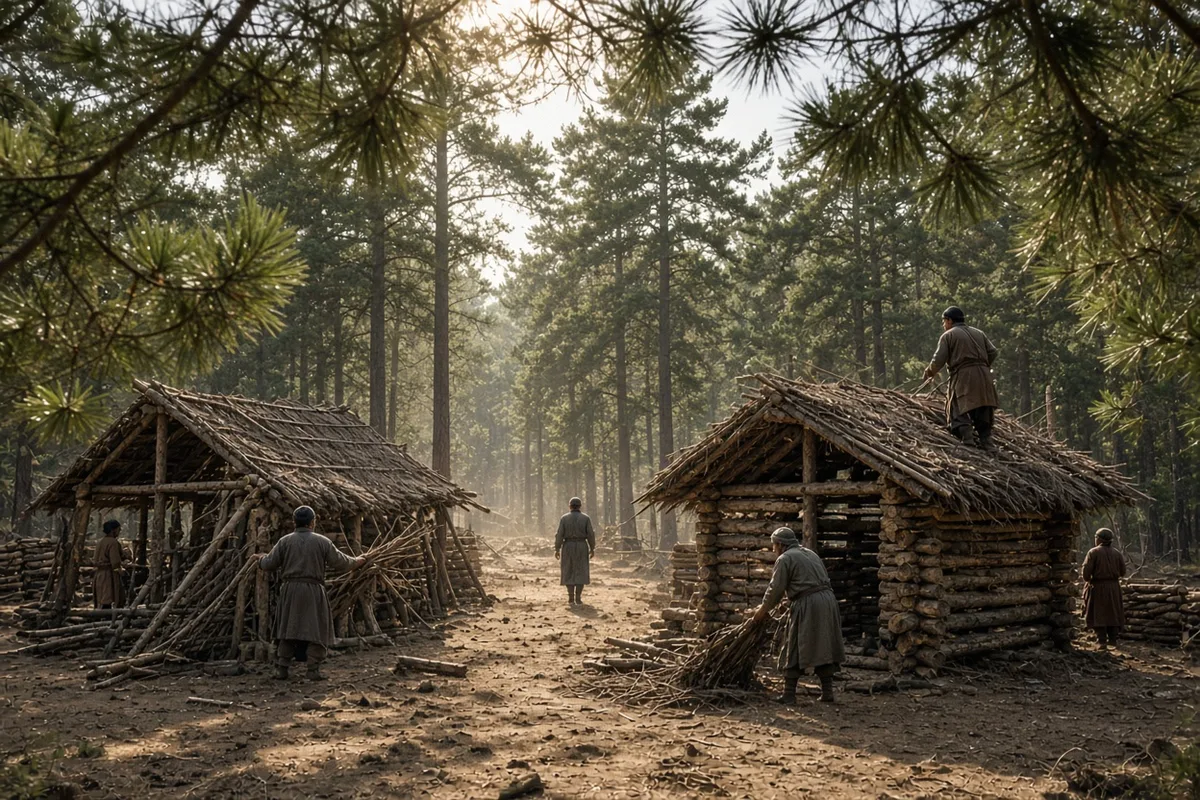
We worked through the day cutting and dragging. The steward brought a cow on a rope and left it tied to a stake near the farmhouse. By evening our hands were blistered and the first logs lay stacked. No one spoke of returning to Moravia. The fire we built that night smoked heavily because the wood was green.
Count Zinzendorf came back three days later. He rode straight to the clearing without dismounting at first, only staring at the stacked timber and the half-raised frame. Then he swung down and walked among us, asking each person’s name and village. When he reached Christian David he clasped his forearm and said the land was ours for as long as we needed it. The arrangement would be temporary, he added, yet his face showed he already doubted that.
We finished the first walls by the end of the week. The count entered the single room with us on the evening the roof went on. He knelt on the packed earth and prayed that the place would be watched over and that we would watch in return. Someone repeated the words “Herrnhut” softly, and the name stayed.
More families arrived before the snow. Some came from Silesia, others from Bohemia. Lutherans and Schwenkfelders shared the same benches at the evening meal. The count visited each new household, speaking quietly with the men and women about their faith and the need to hold together. He formed small circles of two or three who would meet each morning to read and pray for one another.
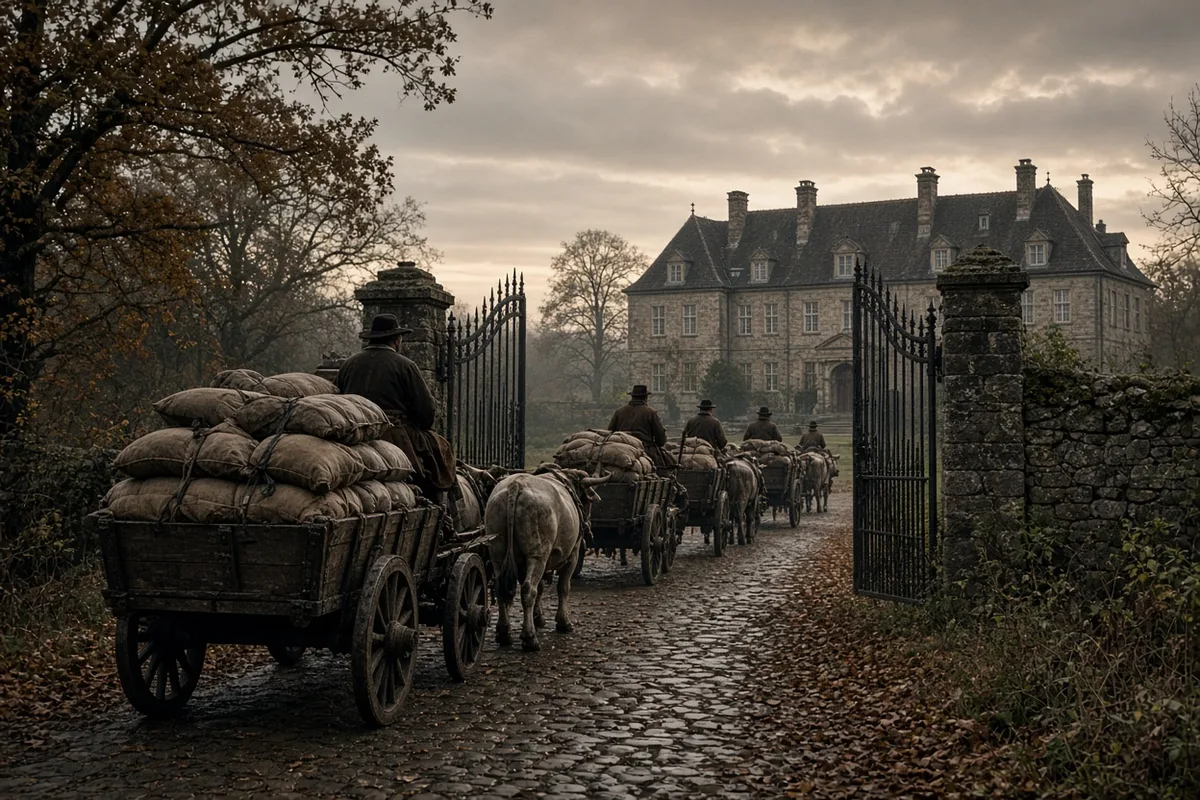
Winter froze the swamp into hard ridges. We dug a shallow well that gave little water and hauled more from the village stream. The count sent extra grain from his own stores and told us to keep the cow alive through the cold. Inside the first house the bands met by the hearth, their voices low so the children could sleep.
Spring brought new arrivals and new arguments. A Lutheran carpenter disputed with a Reformed weaver over the order of worship. The count walked from door to door again, listening, then gathered everyone in the open yard. He read from the Scriptures until the light failed and asked each person to name the grievance they carried. When the last voice fell silent he proposed that the bands continue daily and that every household keep a verse for the coming day.
By midsummer the second house stood finished. The count chose a line each evening and sometimes added a short hymn of his own. We sang it at the close of work while the axes were still propped against the logs. The sound carried across the clearing and into the pines where the first tree had fallen.
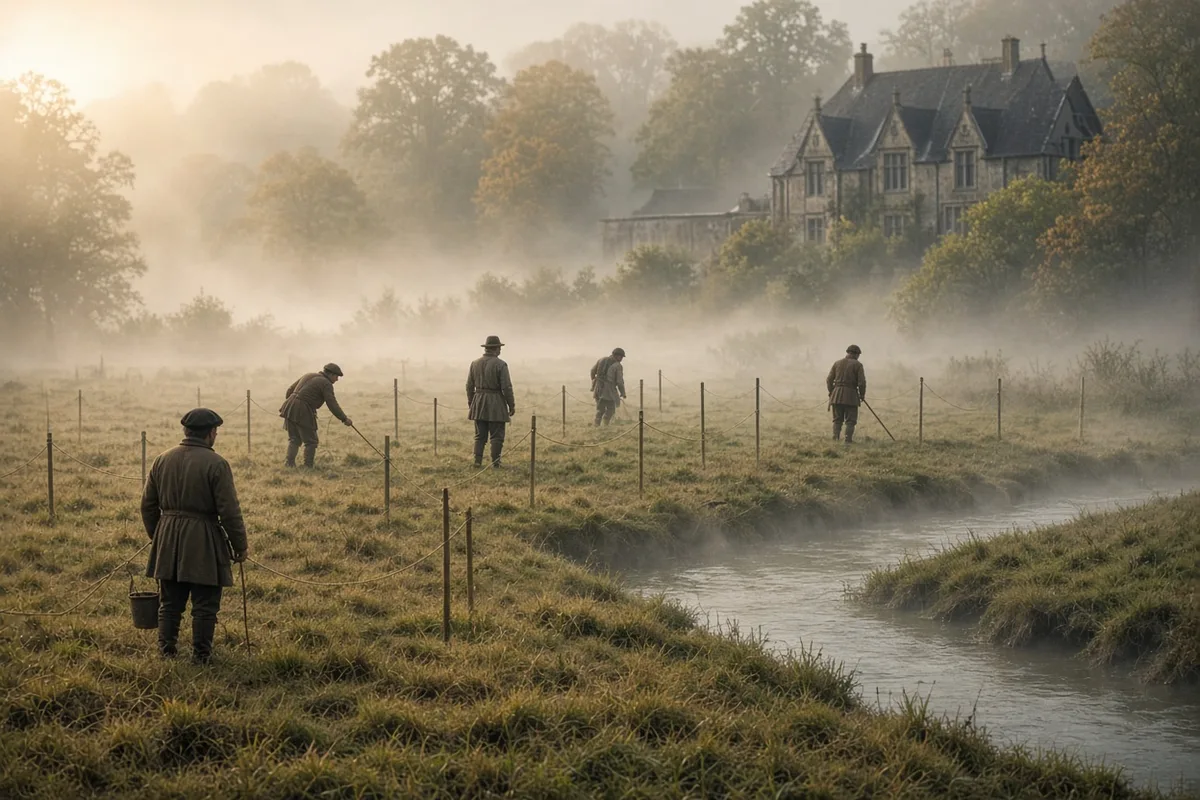
The settlement grew outward from that single room. Paths were beaten between the houses. A school began in one corner of the largest dwelling. The count’s steward, who had once led us to the mire, now brought tools and seed without being asked. Christian David left for a time to guide another group across the border and returned with fresh faces.
On clear evenings the count stood at the edge of the clearing and watched the smoke rise from the chimneys. He spoke of sending some of us farther, to places where the same faith had not yet been heard. No one answered at first. The axes kept working, the bands kept meeting, and the verses chosen each night were repeated at dawn before the work began again.
On clear evenings the count stood at the edge of the clearing and watched the smoke rise from the chimneys. He spoke of sending some of us farther, to places where the same faith had not yet been heard. No one answered at first. The axes kept working, the bands kept meeting, and the verses chosen each night were repeated at dawn before the work began again. In March 1724 the count recorded in his diary that thirty-two adults and fourteen children now lived on the Berthelsdorf estate, and he ordered the steward to mark an additional thirty Morgen of land for gardens. Christian David returned from his second journey on 12 June carrying letters from families still in Zauchtenthal; one letter, signed by Johann Töltschig, asked whether the new houses had floors of plank or only packed earth. By autumn the count had arranged for a sawmill on the Hutberg stream, and the first boards were sawn on 4 October 1725 under the supervision of the carpenter Georg Böhnisch.
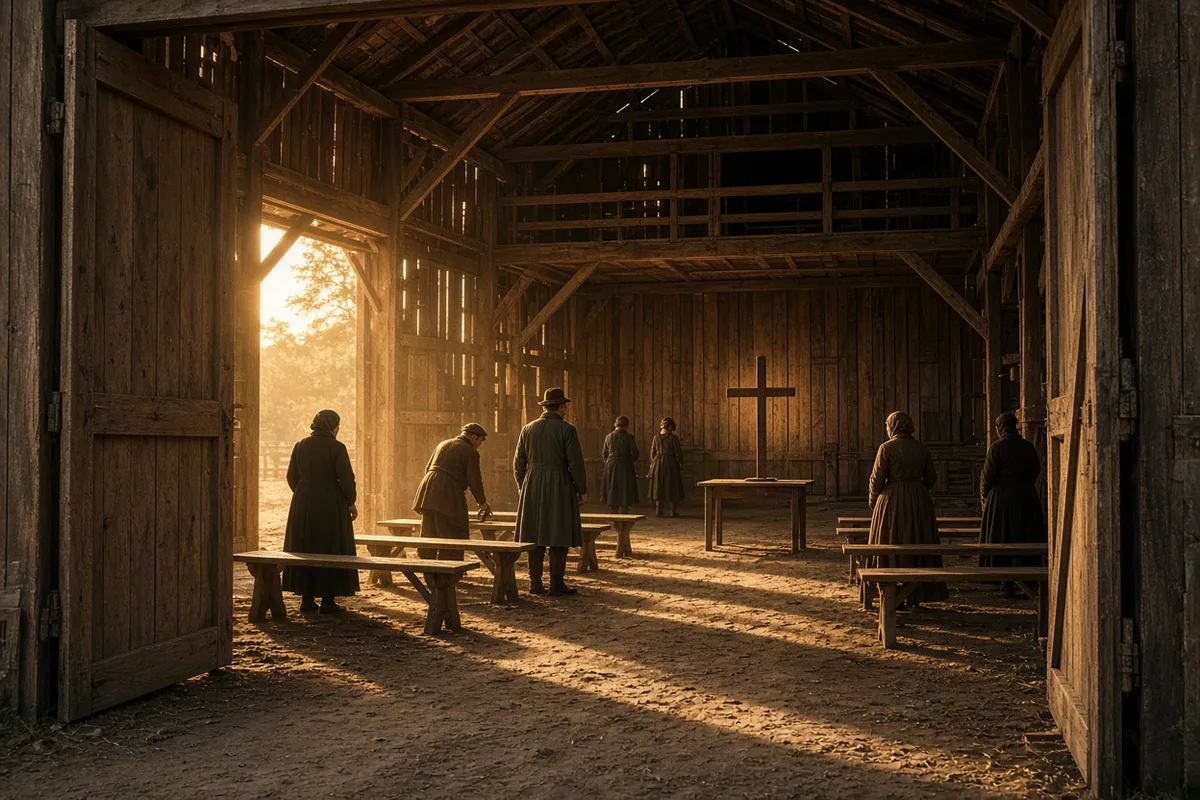
The daily bands grew to twelve groups of five persons each, and the count wrote on 12 May 1727 that every member must keep a watchword drawn by lot from the printed collection of 365 texts he had prepared in Herrnhut. On 13 August 1727, during the communion service in the newly finished Gemeinhaus, the congregation renewed its covenant; the count later noted in his travel journal that “the Spirit of God came upon us as at the first Pentecost.” Two years later, on 8 October 1729, the first mission conference met in the same room; David Nitschmann the carpenter and Johann Leonhard Dober were chosen by lot to sail for St. Thomas, and they left Herrnhut on 8 October 1732 with two guilders and the count’s written instruction that they must “preach Christ crucified, nothing more.”
By 1734 the settlement numbered 226 inhabitants. The count’s own manor house at Berthelsdorf was opened for the children’s meetings, and on 17 June 1736 he was banished from Saxony for twelve years after the Dresden consistory accused him of forming a separate church. He departed on 14 July, taking with him a party of twenty-four single brothers bound for the new colony of Georgia; among them was August Gottlieb Spangenberg, who kept the daily log that recorded the arrival at Savannah on 7 April 1735. From Georgia the count sailed on 7 December 1738 for the Danish West Indies, where he ordained the first Moravian bishop, David Nitschmann, on 13 March 1735 aboard the ship bound for St. Thomas.
In 1741 the count reached Bethlehem on the Lehigh River in Pennsylvania, where he laid out the town plan on 25 December and named the settlement after the biblical town. The first log house there measured twenty by thirty feet and housed thirty-six single brothers; Spangenberg wrote on 2 January 1742 that the daily watchword for that date was Isaiah 40:31. Between 1742 and 1760 the church sent 226 missionaries from Herrnhut alone, including twenty-two to Greenland under the leadership of Matthias Stach, who baptized the first Inuit convert, Samuel Kajarnak, on 30 March 1749 at the station of New Herrnhut.
After the count’s death on 9 May 1760 at Herrnhut, the elders’ conference assumed direction; on 1 January 1764 they published the first printed collection of mission statistics, listing 1,142 baptized converts across fourteen stations. The original swamp was drained in 1772 by a ditch three hundred rods long, and the land was surveyed into twenty-five numbered lots, each assigned to a family by lot. In 1801 the first stone church replaced the timber Gemeinhaus; its foundation stone was laid on 27 June and carried the inscription “Lieber Herr, bleibe bei uns.”
The settlement continued to send emigrants. On 17 August 1832 a party of thirty-four left for South Africa and founded the station of Genadendal, where the first school for Khoikhoi children opened on 1 April 1833 under the teacher Johann Gottlieb Leipoldt. In 1856 the last of the original refugee families, the descendants of Christian David, moved into a brick house on the east side of the square; the house still stands, its address now numbered 12 Comeniusstrasse. During the First World War the Herrnhut choir continued its nightly singing from the belfry, and the watchword for 11 November 1918 was Psalm 46:10.
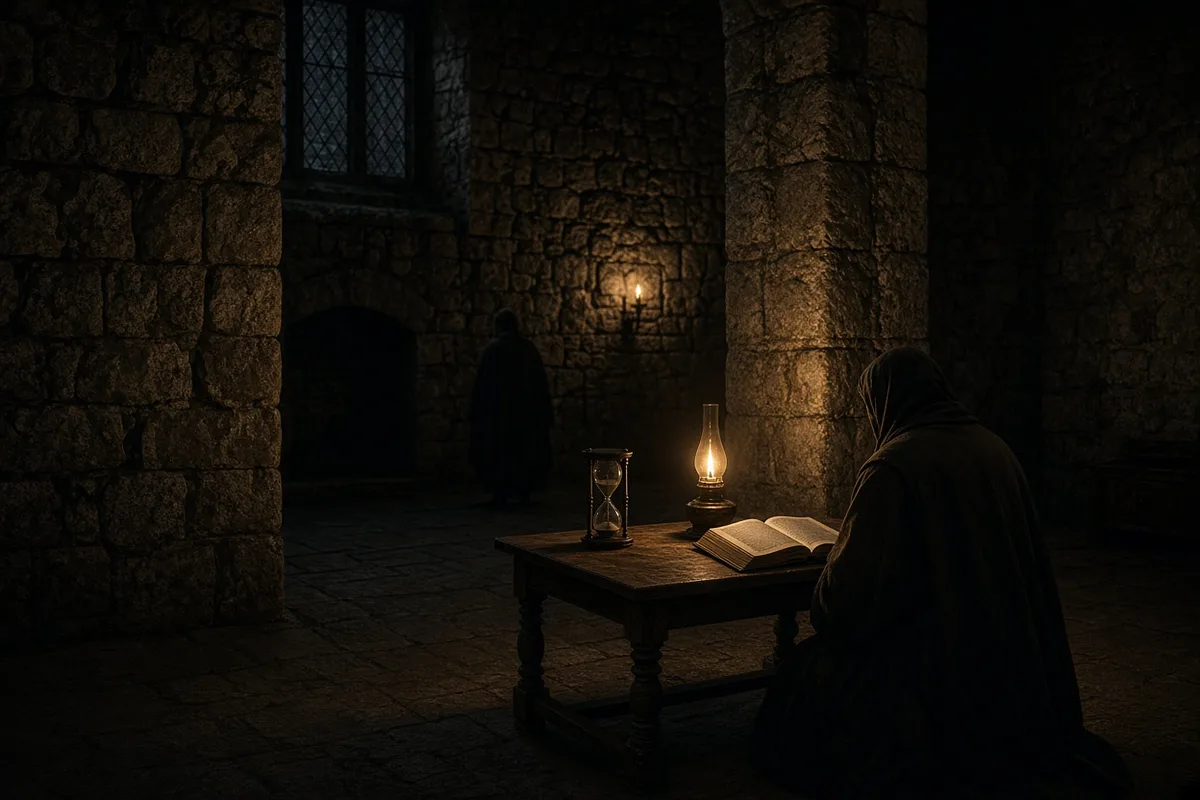
After 1945 the town lay inside the Soviet zone; the archives were sealed on 22 June 1952, yet the daily lot texts were still printed in Halle and smuggled across the border until 1989. On 3 October 1990 the first public service after reunification was held in the 1801 church, attended by 412 persons; the preacher read the same covenant renewal text used in 1727. Today the square contains the restored 1724 farmhouse, its roof now covered with slate quarried at Löbau, and the original pine stump from the first felling is preserved under glass in the museum.
In the late afternoon an elderly woman named Anna Nitschmann, great-great-granddaughter of the first bishop, walks the path that once led to the mire; she stops at the glass case, reads the date carved on the stump, and then turns toward the row of modern houses where her grandchildren attend the school that began in one corner of the largest dwelling in 1730.
She pauses beside the glass case long enough to trace the outline of the carved date with one finger before turning onto the gravel path that leads past the restored 1724 farmhouse, now maintained by the Moravian Archives as a listed monument under the 2001 Saxony heritage register. Inside the single room the original packed-earth floor has been replaced by oak planks sawn at the same mill on the Hutberg stream that produced the first boards on 4 October 1725; a brass plate on the threshold records the 1998 restoration funded by the Comenius Foundation and supervised by architect Klaus-Peter Fischer.
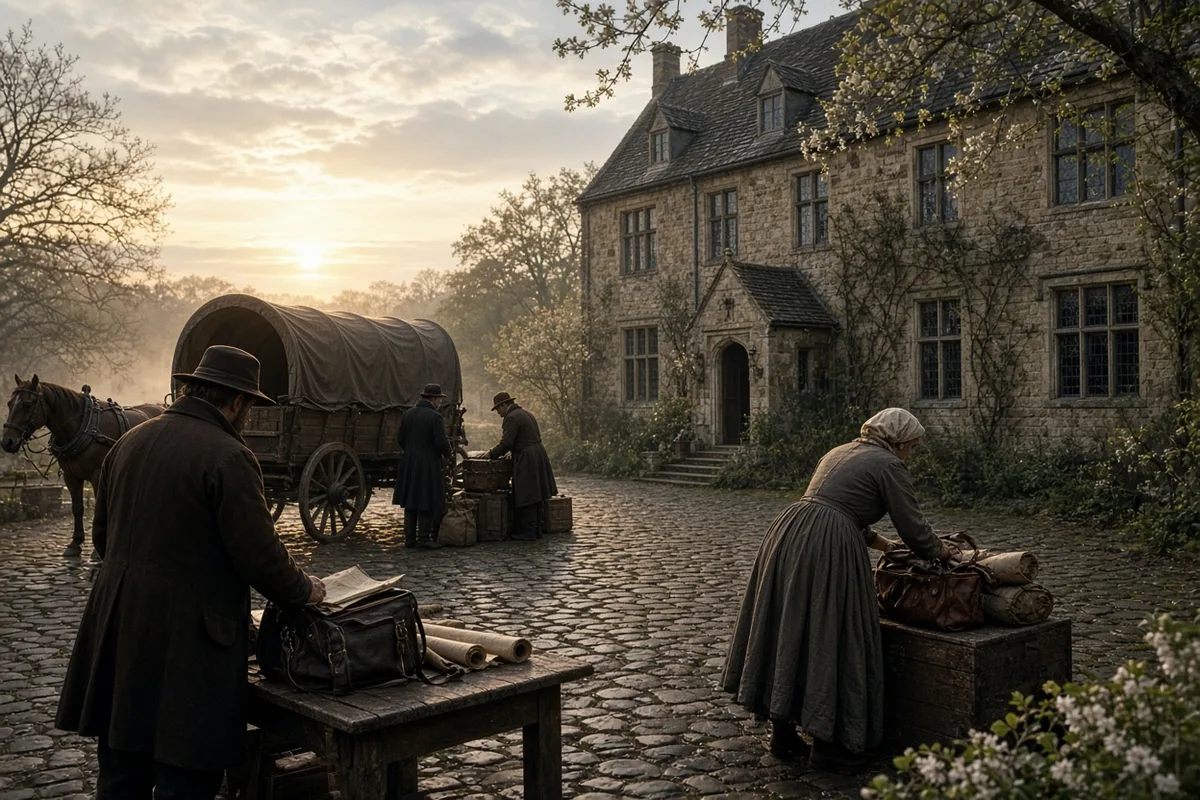
Beyond the farmhouse the square opens onto the 1801 stone church whose bell still rings the hourly watchword at 6 a.m. and 9 p.m.; the 27 June 1801 foundation stone bearing the inscription “Lieber Herr, bleibe bei uns” remains set into the north wall, and the current pastor, Rev. Ulrike Schmidt, reads from the same 1727 covenant text each 13 August during the annual renewal service attended by 387 residents and visitors in 2022. The daily lot texts continue to be printed in Halle and distributed to 1,256 congregations worldwide, with the 2024 edition containing 366 entries drawn from the original collection prepared by Count Zinzendorf.
On the east side of the square the brick house numbered 12 Comeniusstrasse, built in 1856 for the descendants of Christian David, now serves as the parsonage; its current occupant, Rev. Thomas Nitschmann, a direct descendant through the line of David Nitschmann the carpenter, keeps the family Bible that arrived from Zauchtenthal in 1724 and was rebound in 1897 by bookbinder Johann Gottlieb Leipoldt. The house’s slate roof, quarried at Löbau in 1994, matches the covering added to the Gemeinhaus in the same year.
North of the square the former count’s manor at Berthelsdorf, opened in 1734 for children’s meetings, now houses the Moravian School with 142 pupils enrolled for the 2023–2024 term; the curriculum includes the same daily watchword practice begun on 12 May 1727, and the head teacher, Frau Elke Böhnisch, records each morning’s text in the ledger begun by Georg Böhnisch in 1725. The school’s 17 June 1736 expulsion order is displayed in the entrance hall beside a photograph of the 24 single brothers who left for Georgia on 14 July of that year.
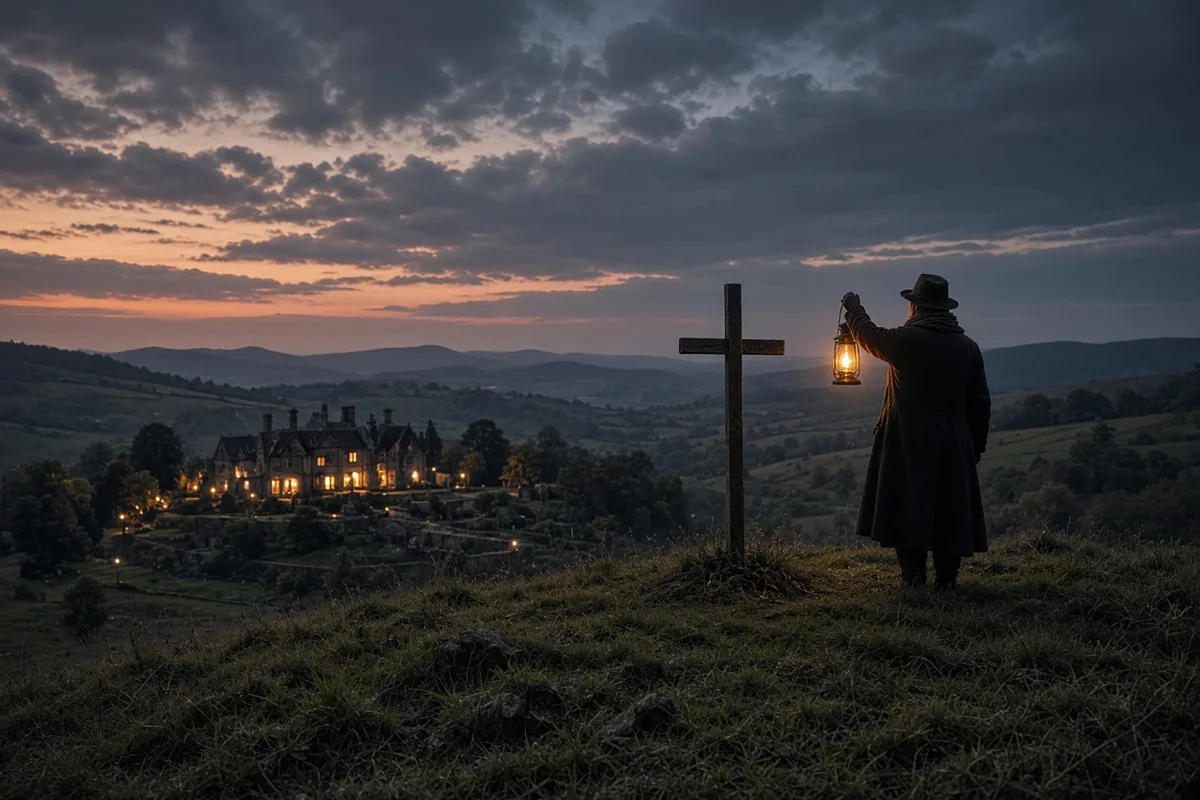
The original swamp, drained in 1772 by a ditch three hundred rods long, now forms the twenty-five numbered garden lots surveyed that year; lot number 7 remains assigned by lot to the family of Matthias Stach’s descendants, who still cultivate potatoes and flax on the same parcel marked by the steward in 1722. A bronze marker placed on 30 March 1949 commemorates the baptism of Samuel Kajarnak at New Herrnhut, Greenland, and lists the twenty-two missionaries sent from Herrnhut between 1742 and 1760.
In the museum the preserved pine stump from the first felling sits under glass with a 1990 label quoting the count’s 12 May 1727 diary entry that every member must keep a watchword drawn by lot; beside it rests the two-guilder coin carried by Johann Leonhard Dober and David Nitschmann when they sailed for St. Thomas on 8 October 1732, together with the count’s written instruction dated the same day that they must “preach Christ crucified, nothing more.”
Anna Nitschmann reaches the row of modern houses at the western edge of the former clearing and stops at number 19, where her grandson, Lukas Nitschmann, age nine, stands at the window holding the 2024 watchword card for 3 October that reads Psalm 46:10; he waves once before turning back to the classroom where the same covenant renewal text used in 1727 is recited each morning at 8:15.