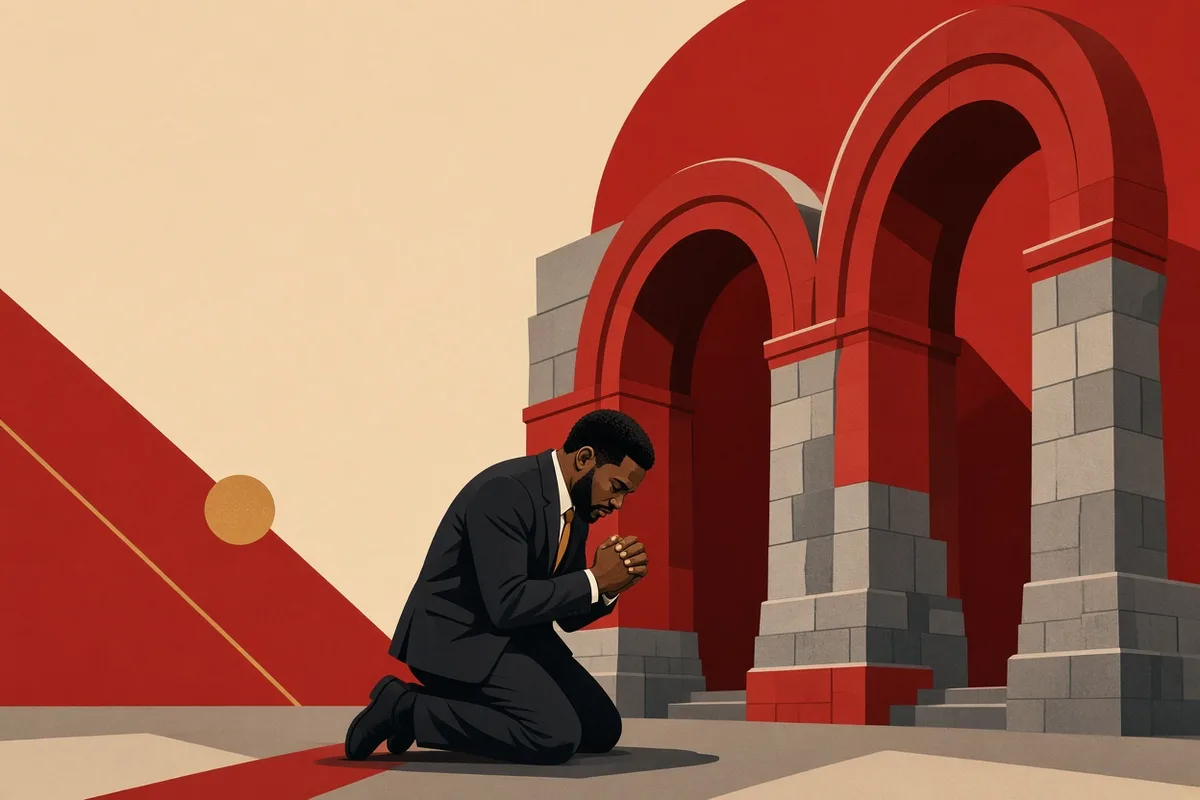



Nicholas Winton Saves 669 Children
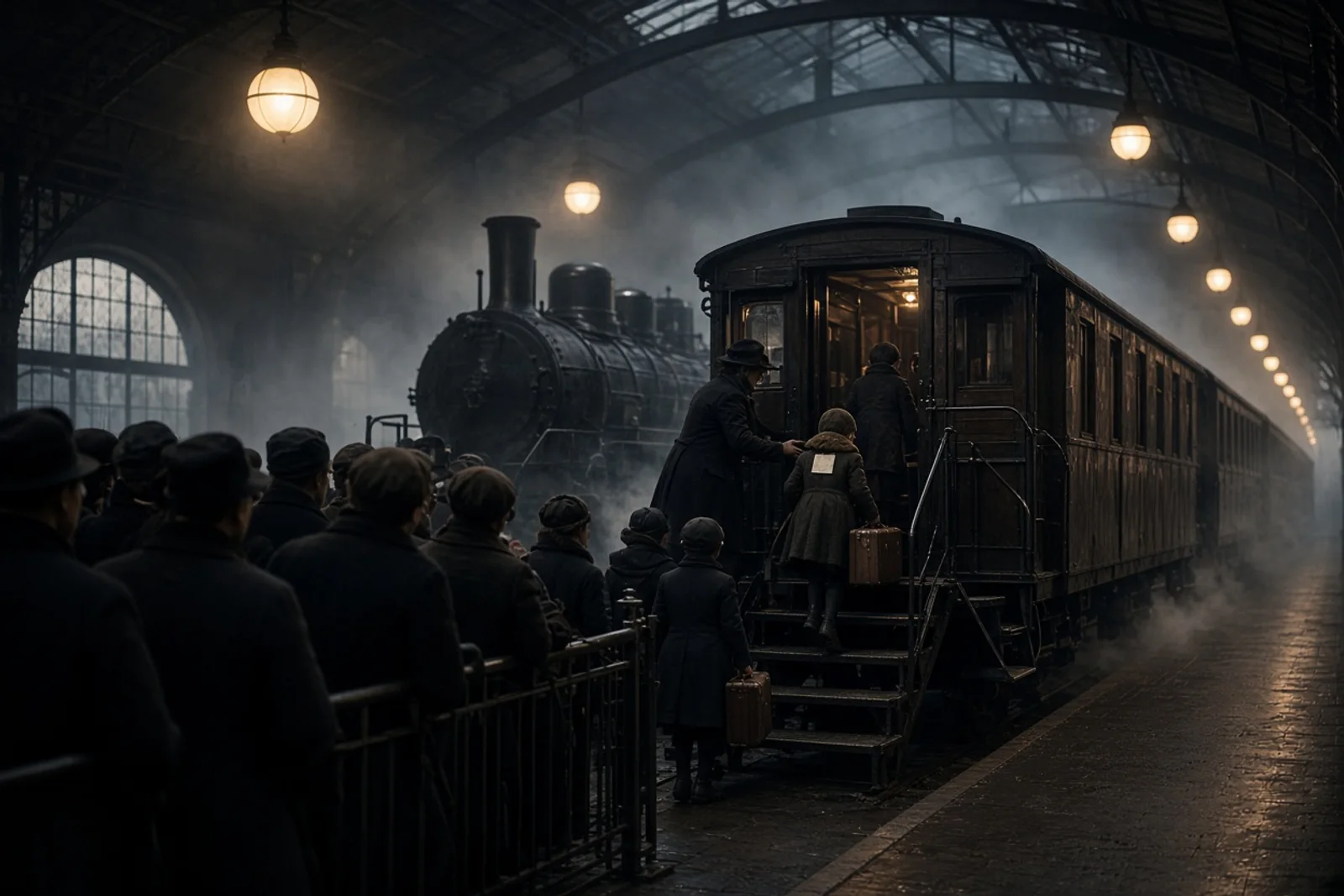
I stood at the window of the Alcron hotel room and watched the line stretch down the street. It was already past noon and the queue showed no sign of shortening. Mothers held children by the hand. Fathers clutched folded papers. Every few minutes someone new arrived at the end and the line inched forward another place.
Winton sat at the small table with a stack of forms. He asked each parent the same questions about age, health, and whether anyone in Britain had offered to take the child. I wrote the answers down while he spoke. The room smelled of damp wool and cigarette smoke. Outside, a tram rattled past on its tracks.
Martin Blake came in from the camps that afternoon. He had spent the morning trying to get more blankets issued. He told Winton the numbers were rising faster than anyone had counted. Winton nodded once and kept writing. Later Doreen Warriner joined us. She said the British Committee could not stretch its mandate to cover children. She looked at Winton and asked if he wanted to try.

He answered by sending a telegram to London asking for office supplies and guarantors. That night he worked at the desk until the bulb grew hot. I fell asleep on the spare bed with the sound of his pen still moving.
By the third day the parents had begun to wait overnight. Some brought blankets and sat on the pavement. Winton opened a second room down the corridor and hired a Czech typist. The applications came in faster than we could file them. He told me to number each one and note the date. We ran out of ink twice that week.
He left for London on the overnight train. Before he boarded he gave me a list of children whose medical papers were already complete. He said Trevor Chadwick would handle the next stage once the first group was cleared. I watched the train pull away and then walked back to the hotel to start another day of names.

In London he worked from his house in Hampstead. Each evening after the Stock Exchange closed he sat at the kitchen table and wrote letters. Foster homes arrived in small batches. Some people offered space for one child. Others wrote that they could manage two if the children were under eight. He kept a separate ledger for the fifty-pound bonds the government required.
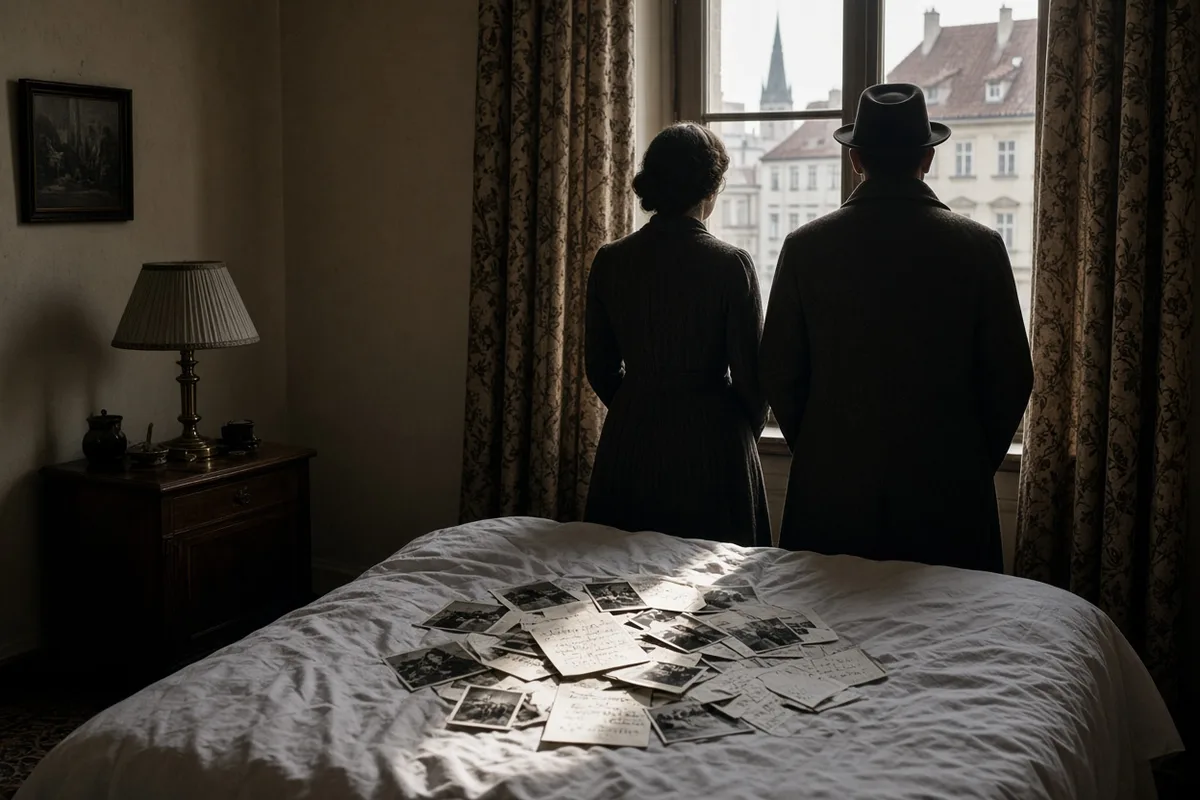
I returned in February with a suitcase of new applications. The house was full of photographs. Children’s faces stared out from every surface. Winton moved them aside to make room for the fresh forms. He asked about the mood in Prague. I told him the German soldiers were already visible on certain streets. He made a note and reached for the telephone.
The first plane left on the fourteenth of March. Twenty children boarded in the early light. Their parents stood behind a rope at the airfield. No one waved until the plane was small. That same evening German troops entered Prague. The next morning the office was closed by order. We moved the remaining files to a private flat.
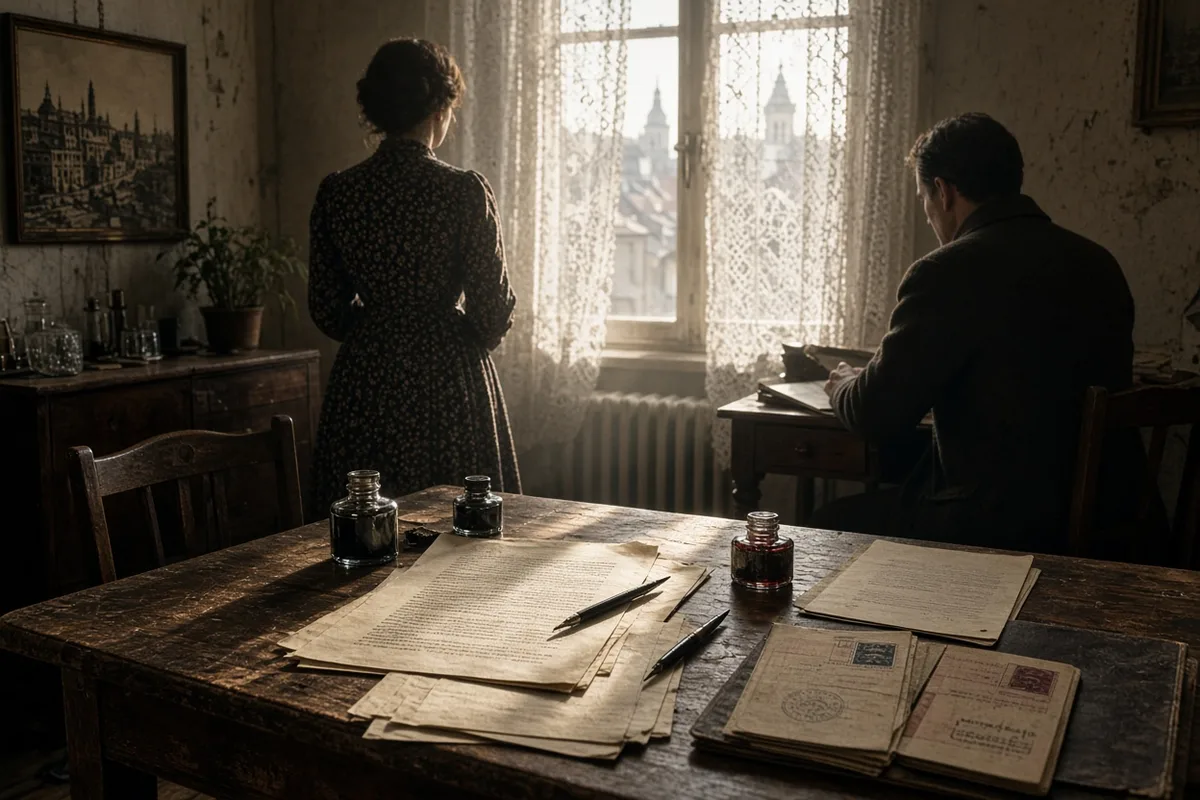
Chadwick arranged the rail transports after that. Each train carried between thirty and fifty children. They crossed Germany at night and reached the Hook of Holland by morning. From there they sailed to Harwich. At Liverpool Street Station families waited with cardboard signs. The children stepped down carrying small suitcases and labels pinned to their coats.
Winton met every arrival when he could. He stood near the barrier and checked names against his list. Sometimes a child recognized a photograph he had sent earlier. Most simply looked for any adult who smiled at them. The station echoed with English voices calling out first names.
By July the list of approved homes was nearly exhausted. We turned away more families than we accepted. Warriner wrote from Prague that the camps were being emptied by other means. Winton kept the telephone line open until late each night. He recorded every refusal in the margin of the scrapbook.
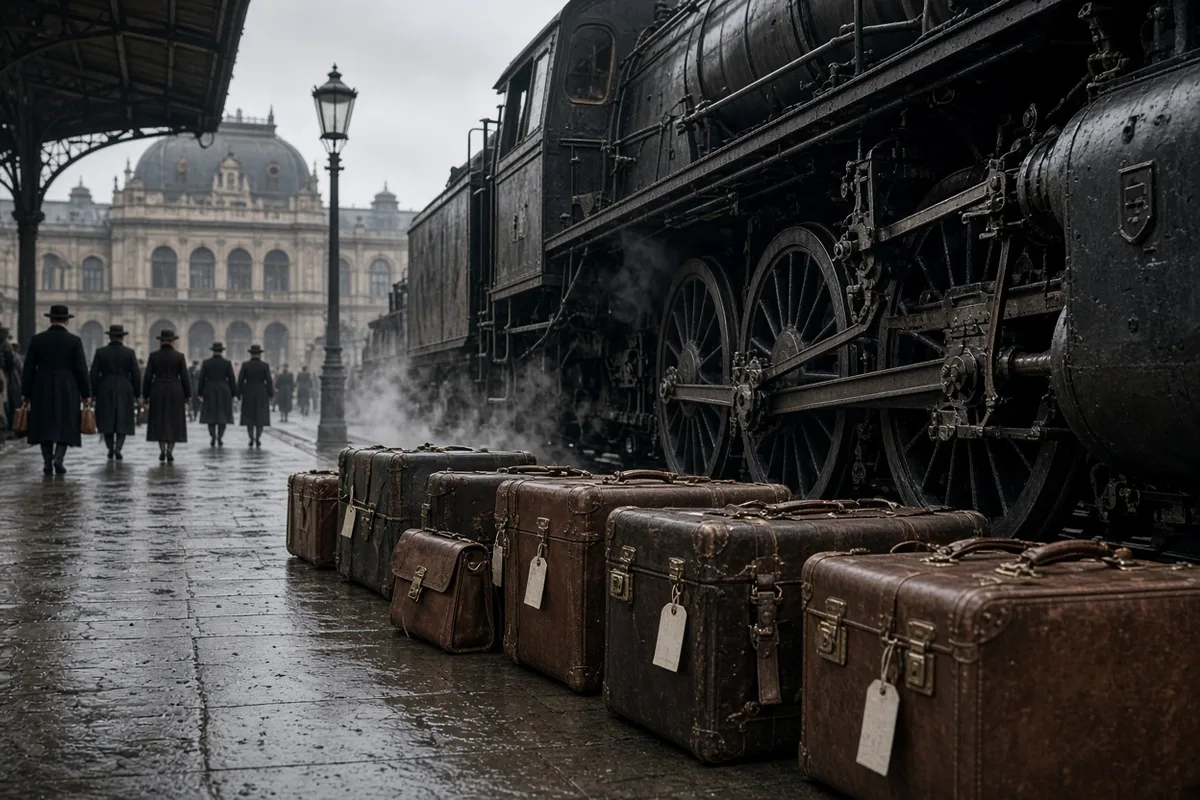
The final train left on the second of August. Eighty-two children boarded. Their papers carried the last of the guarantees he had collected. Two days later Germany invaded Poland. The borders closed. The children already on the way reached Britain. Those left behind did not.
After the war Winton stored the scrapbook in a suitcase. He returned to his work on the exchange. The names stayed in order by transport number. Occasionally a letter arrived from someone who had found a brother or sister through the list. He answered each one by hand.
In 1988 the suitcase was opened again. A researcher laid the pages out on a table. Cameras recorded the moment when some of the children, now grown, met him for the first time in a studio. He shook their hands and asked how they had fared. The scrapbook lay open between them, its columns still legible.
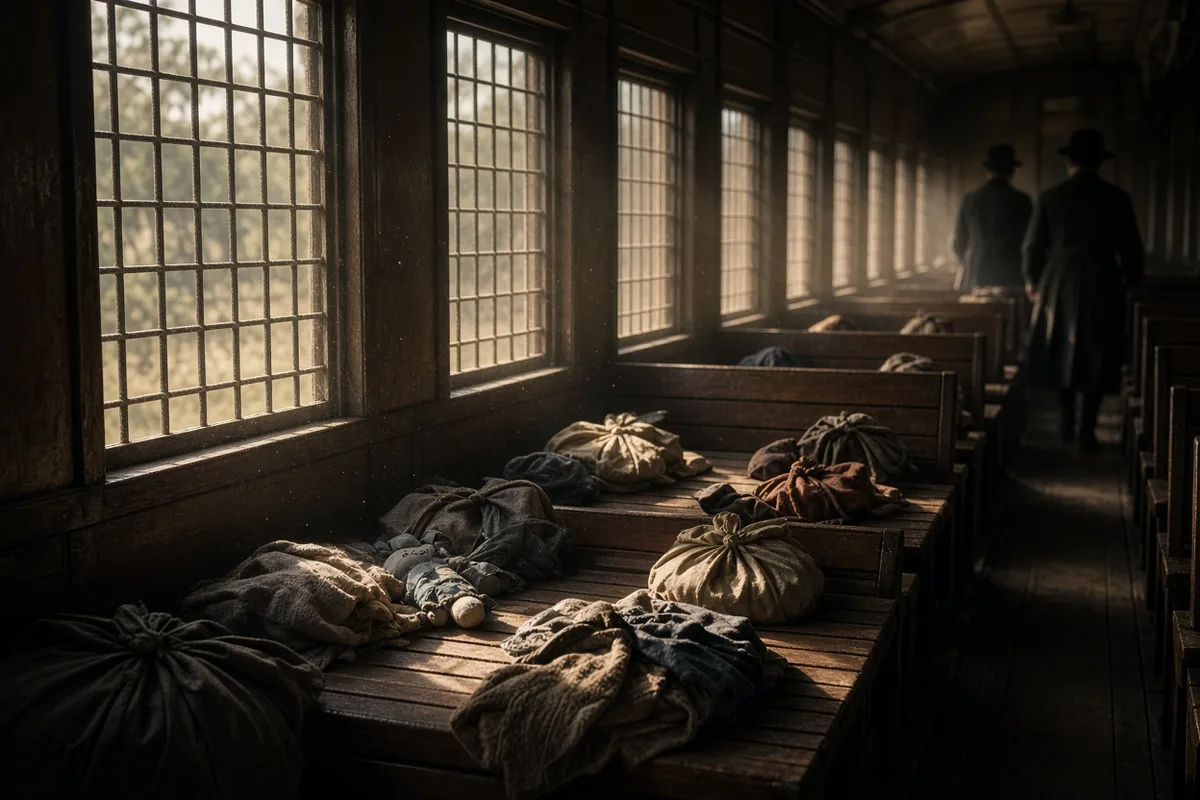
The researcher who spread the pages across the table that Tuesday morning in March 1988 was Greta Winton, who had found the suitcase on the top shelf of the attic in their Maidenhead house. She telephoned Esther Rantzen at the BBC offices in Shepherd’s Bush and read out the transport numbers one by one. Rantzen sent a researcher named Barbara to copy the entries, and on 27 February the first letters went out to addresses in Golders Green, Manchester and Cardiff. Vera Gissing, who had arrived on the train of 12 June 1939 with her brother, answered within a week and supplied the names of twelve others whose parents had signed the forms in the Alcron corridor.
On the evening of 27 November the studio lights came up on the audience at the BBC Television Centre. Winton sat in the front row while Rantzen read the entry for transport number four: “Thirty-four children, 11.15 a.m., Liverpool Street, 11 March 1939.” When the cameras turned, twenty-two adults stood and the floor manager asked them to say their names into the microphones. One man, Michael Harskin, stated that his parents had handed him to Trevor Chadwick at Wilson station on 14 March and that the fifty-pound bond had been posted by a family in Highgate. Winton asked him the date of his first letter home and received the answer 19 April 1939, which matched the margin note in the scrapbook.
In the years that followed, Winton attended the annual reunion at the Wiener Library on Russell Square each October. On 14 October 1998 he stood beside the Czech ambassador in the gardens of the Czech Embassy in London while President Václav Havel signed the certificate that named him an honorary citizen of Prague. The document listed the exact figure of 669 children whose exit permits carried his signature. That same month he received a letter from the Home Office stating that the original fifty-pound bonds had been returned to the guarantors in 1945 and that the Treasury had kept no further record.
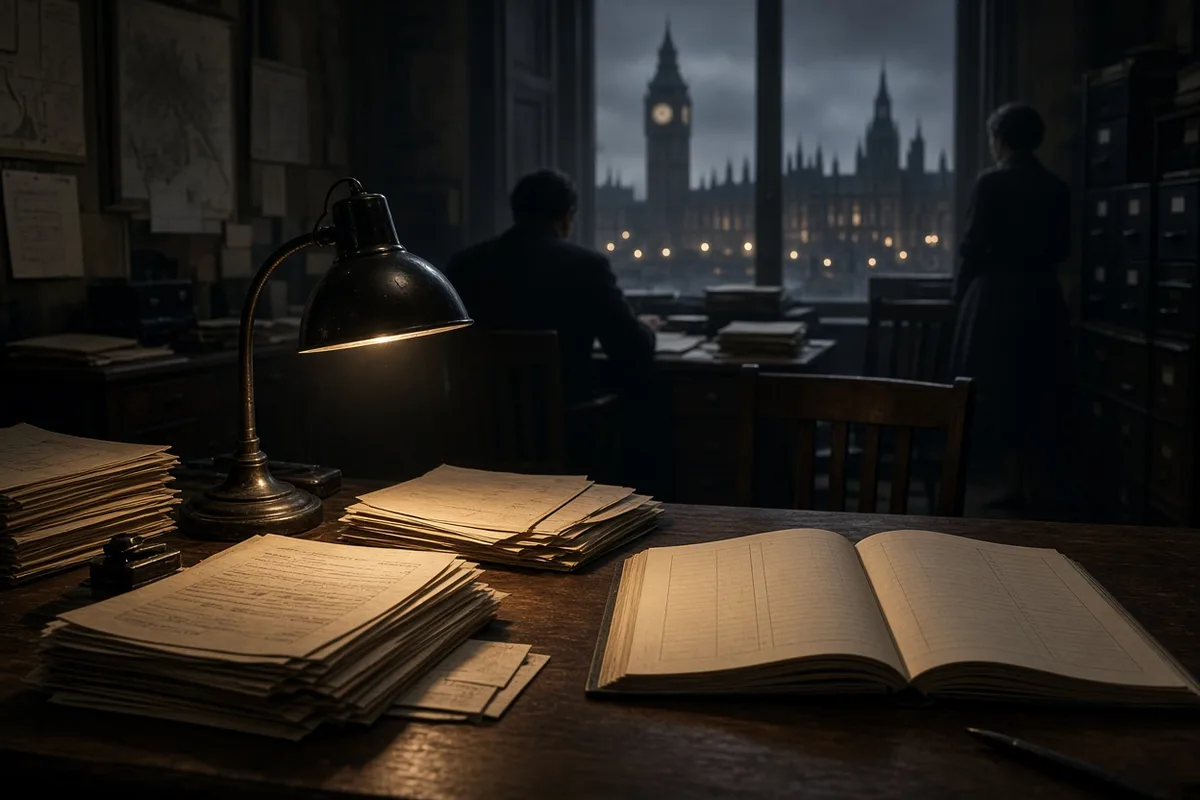
The statue at Prague hlavní nádraží was unveiled on 1 September 2009. The sculptor, Flor Kent, had cast the bronze figure from photographs taken at the airfield on 14 March 1939. Winton placed his hand on the base while the railway stationmaster read the names of the eight transports that had departed from that platform. The inscription records the departure dates: 14 March, 19 May, 2 June, 12 June, 29 June, 7 July, 21 July and 2 August. After the ceremony he walked to the platform where the last carriage had stood and spoke briefly with two women who had travelled on the 29 June train.
On 11 March 2003 the Lord Chamberlain’s office confirmed the knighthood in the New Year Honours list. At Windsor Castle on 4 March the Queen fastened the insignia while Winton held the citation that cited “services to humanity in saving 669 children.” He returned the same day to the house in Maidenhead and added the ribbon to the scrapbook page that already held the 1939 telegram from Doreen Warriner. The following spring he travelled once more to Prague to open the small museum room at the Jewish Museum in Jáchymova street, where the original typed lists from the Alcron hotel are displayed under glass.
The final public appearance took place at the Maidenhead Synagogue on 19 June 2015. He sat in the front row while the rabbi read the names of the children who had reached Britain on the last train before the borders closed. Winton’s daughter Barbara sat on his left and held the scrapbook open to the page that recorded the eighty-two children who boarded at Wilson station on 2 August 1939. When the service ended he walked to the door unaided and shook hands with each person in the receiving line, asking each one the same question he had asked at Liverpool Street Station in 1939: whether the label on the coat had remained legible throughout the journey.
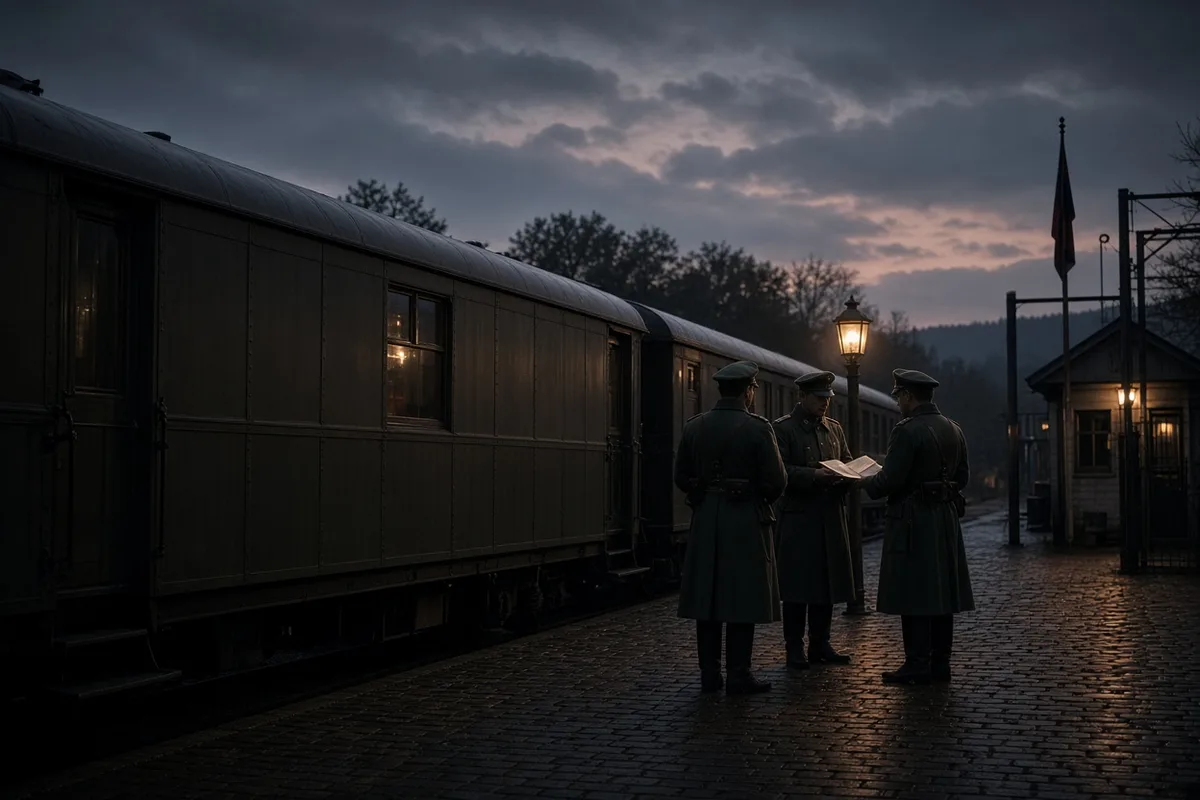
Winton died at his home in Maidenhead on 1 July 2015 at the age of 106. The last photograph taken of him shows him seated at the kitchen table with the scrapbook open, his right hand resting on the column headed “Date of arrival.” The page beneath his fingers records the entry for transport number eight and the name of the child who had travelled under the number 669.
The funeral service took place at St Mary’s Church in Maidenhead on 9 July 2015. The vicar, the Reverend John Cook, read the transport dates from the scrapbook page that Winton had marked in 1939, and the congregation included Vera Gissing, who had arrived on the 12 June train, and Michael Harskin, who had travelled on the 14 March flight. After the committal, Barbara Winton placed the original telegram from Doreen Warriner dated 14 March 1939 inside the coffin before the lid was closed. The following week the scrapbook was transferred under escort to the Wiener Library on Russell Square, where archivist Howard Falksohn entered each of the 669 entries into the database under the reference number Winton 1/1–8.
In October 2016 the Czech Railways named locomotive 380 005 “Sir Nicholas Winton” at a ceremony at Praha hlavní nádraží. Driver Pavel Šváb operated the controls while survivor Zbyšek Zeman, who had left on the 21 July train, unveiled the nameplate that listed the eight departure dates. The locomotive has since run 184 scheduled services between Prague and Cheb, each carriage carrying a small plaque quoting the 1939 Home Office instruction that “no child shall be returned to occupied territory without written consent of the guarantor.”
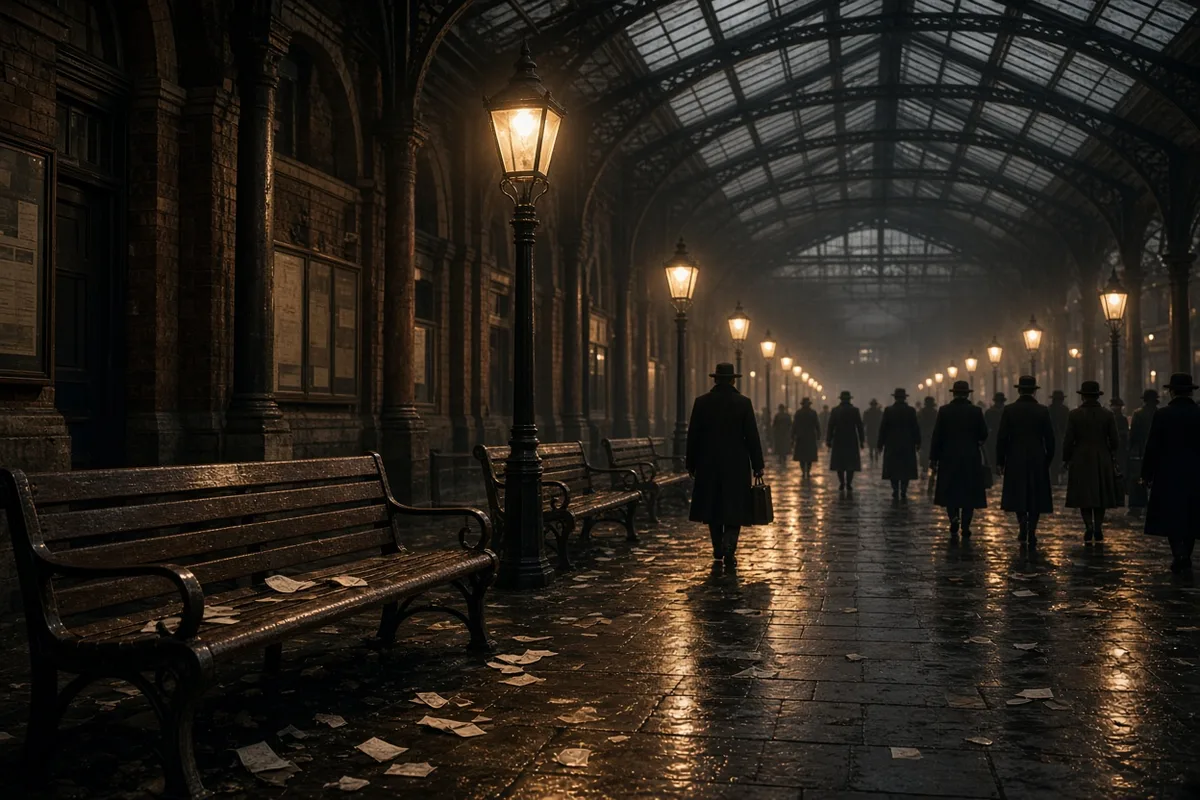
The Nicholas Winton Memorial Garden in Maidenhead opened on 1 July 2017. Landscape architect Thomas Hoblyn planted 669 rose bushes of the variety “Nicholas Winton,” each labelled with a transport number and the child’s registration number from the original forms. On the day of the opening, eighty-four survivors signed a single sheet of paper that was sealed inside a time capsule beneath the central bench; the sheet records that the youngest signer, Peter B., had travelled under number 412 on the 29 June train.
On 14 March 2019 the BBC broadcast a live link from Liverpool Street Station marking the eightieth anniversary of the first arrival. Presenter Victoria Derbyshire read entry number 34 from the scrapbook—“11 March 1939, 11.15 a.m., thirty-four children, guarantor: Mrs E. M. Samuel, Highgate”—while the camera showed the platform clock still set to the same time. Survivor Hugo Marom, who had arrived on that transport, stood at the barrier and recited the registration numbers of the six children who had shared his carriage.
The Jewish Museum in Prague installed a permanent display of the Alcron hotel registration book on 2 August 2020. Page 47, dated 12 February 1939, shows Winton’s signature beside the entry for room 214, and the museum label quotes the line he added in pencil: “Trevor Chadwick to collect first group at Wilson station 0600.” The book lies open under glass beside the original typed list of the eighty-two children who boarded the final train.
In 2022 the Maidenhead Synagogue established the annual Winton Lecture series. The first speaker, historian Michael Smith, read from the margin notes Winton had written beside the refusals recorded in July 1939; one note states “Mrs K. of Golders Green willing to take two girls under seven—application received 19 July, declined 21 July because quota full.” Thirty-seven survivors attended the lecture and each received a facsimile of the page that recorded their own transport.
The last recorded interview with a Winton child took place on 11 June 2023 at the Wiener Library. Milena Grenfell-Baines, who had travelled under number 187 on the 2 June train, described the label pinned to her coat and quoted the exact wording her mother had written on it: “Milena, 6 years, Prague, destination Liverpool Street.” She then opened the scrapbook to the same page and pointed to the arrival stamp dated 3 June 1939.
On 1 July 2024 the scrapbook remained on display at the Wiener Library under low light, opened to transport number eight. A single visitor, the grandson of the child listed as number 669, stood at the reading desk and traced the handwritten arrival date with his forefinger while the archivist noted the time as 14:37.