


Nicky Cruz Switchblade Surrender
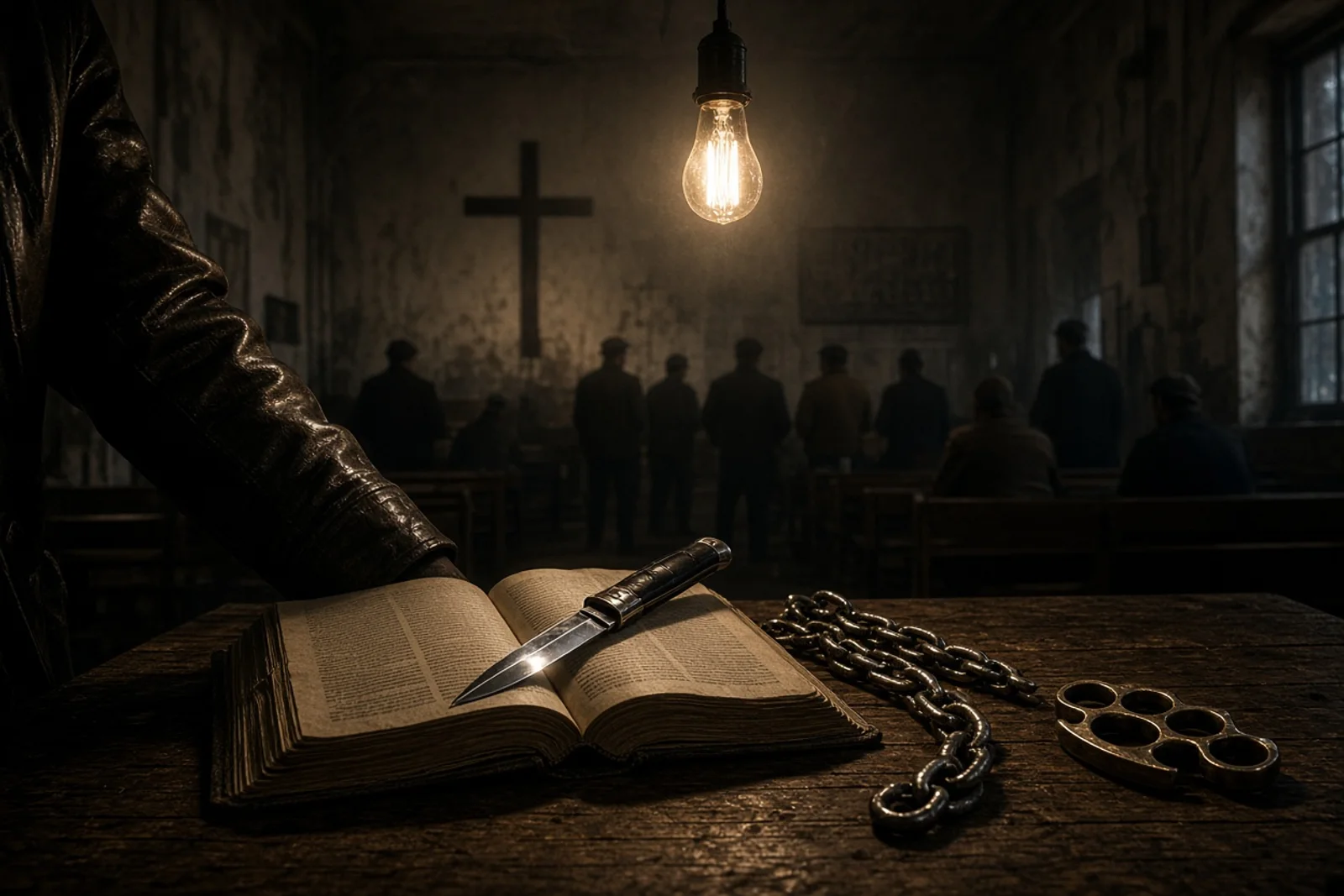
The streetlights along St. Nicholas Avenue flickered against the July heat, and I stood on the curb with two other boys from the church youth group, stacking hymnals into crates for the arena doors. We had come every night that week because the pastor asked us to help with the chairs and the sound cords. Inside, the crowd already pressed toward the platform where David Wilkerson stood in a plain suit, Bible open, speaking over the rumble of traffic outside.
Wilkerson had shown up in the neighborhood two weeks earlier with nothing but a station wagon and a handful of addresses. He asked the Hispanic pastors to gather their young people, and our church answered. We carried folding chairs into the old arena and watched the gangs file in, some laughing, some silent. Nicky Cruz walked at the front of the Mau Maus that first night, knife handle visible at his belt. He stopped ten feet from Wilkerson and stared.

Wilkerson did not step back. He told Cruz the same words he had already said on the sidewalk two days before: Jesus loved him. Cruz answered by shoving him hard enough to send the smaller man into the wall. Spit landed on Wilkerson’s shirt. The gang laughed and moved on, but Wilkerson stayed on his feet and kept repeating the words whenever Cruz came within earshot.
I carried a stack of song sheets past them on the third night and heard Cruz warn that he would cut Wilkerson into pieces if he kept coming around. Wilkerson answered without raising his voice that every piece would still say the same thing. Cruz walked away, but the next afternoon he showed up at the small storefront where Wilkerson was staying and beat him until the preacher could barely stand. Wilkerson prayed on the floor while Cruz left.
The arena filled faster each evening. Rival gangs sat on opposite sides, watching one another more than the platform. On the fifth night the air inside felt thick with the smell of sweat and old popcorn. Wilkerson preached about a love that did not bargain or threaten. When he finished, he asked anyone who wanted to pray to come forward. The Mau Maus stayed in their rows at first, arms crossed.
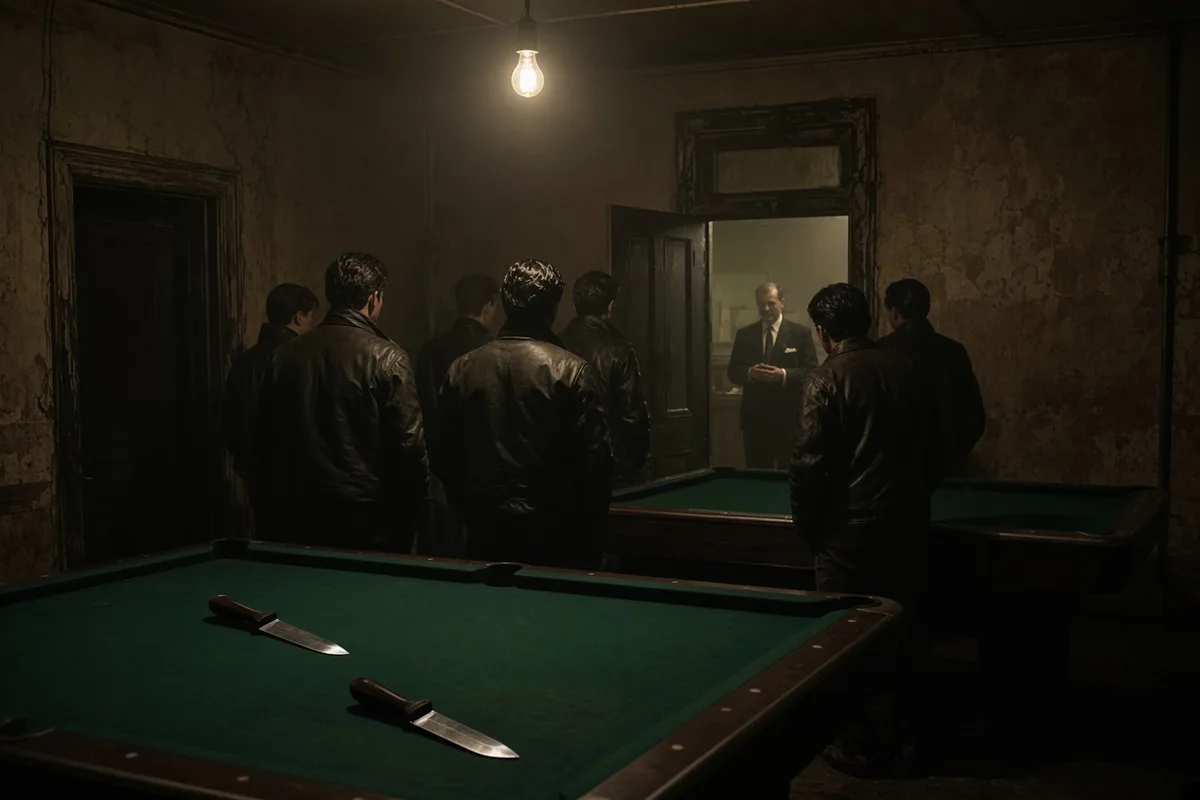
Cruz stood up alone. He walked the center aisle without looking left or right. At the front he dropped to one knee, then both, and stayed there while Wilkerson laid a hand on his shoulder. No one shouted. The only sound was the creak of wooden seats as a few more gang members rose and followed him. I stayed at the side door, holding the stack of unused hymnals, and watched Cruz’s back shake once before it went still.
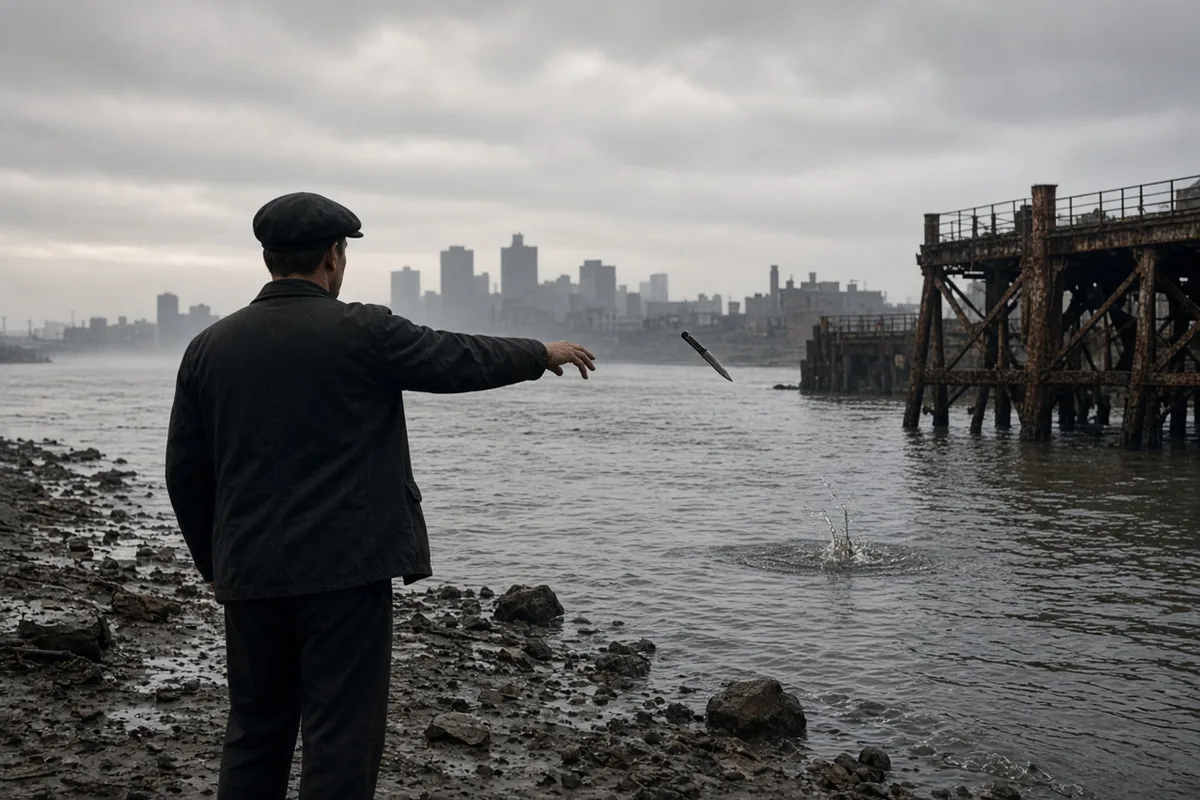
After the service the Mau Maus walked together to the nearest precinct. They laid their knives and zip guns on the desk sergeant’s counter without speaking. Cruz stood at the end of the line and waited until the last weapon was recorded. Then the group left the station and scattered into the dark.
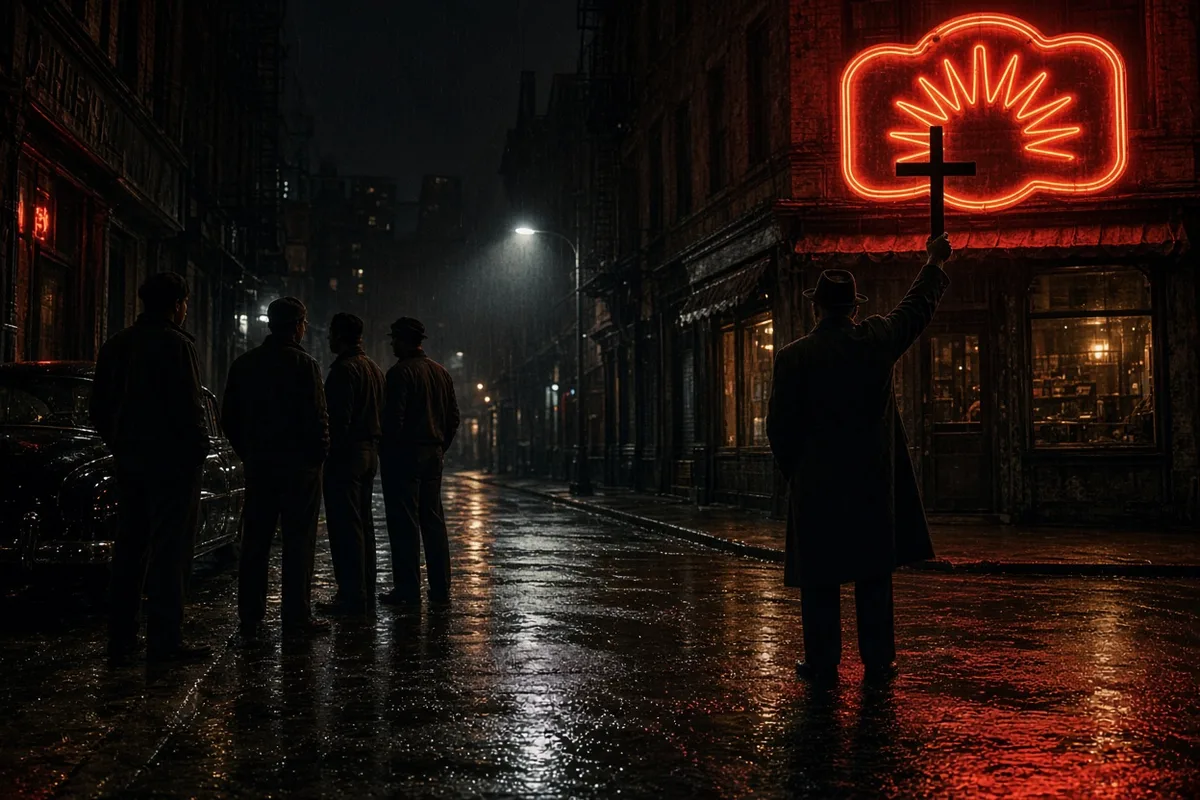
Cruz did not return to the old blocks the next morning. He left for Bible school upstate with Wilkerson’s help and a single suitcase. Two years later he came back during a break and stood again inside the same arena, this time on the platform, speaking to a new group of boys who had taken the Mau Maus name. Some of them recognized him and stayed to listen.
When he finished school he moved into the first Teen Challenge house on Clinton Street. The building had three rooms and a leaking roof, and he slept on a cot in the hallway so the others could have beds. Every afternoon he walked the same streets where he had once carried a blade, stopping at corners to talk with whoever would listen. The new director position came after that, and the house grew into two buildings, then three.
I kept helping at the youth meetings for another year before I left the city. Each time I passed the arena I remembered the night the knives came off the belts. Cruz never spoke about that night in my hearing, but the boys who had walked with him to the station kept showing up at the house on Clinton Street, one or two at a time, asking if there was still room.
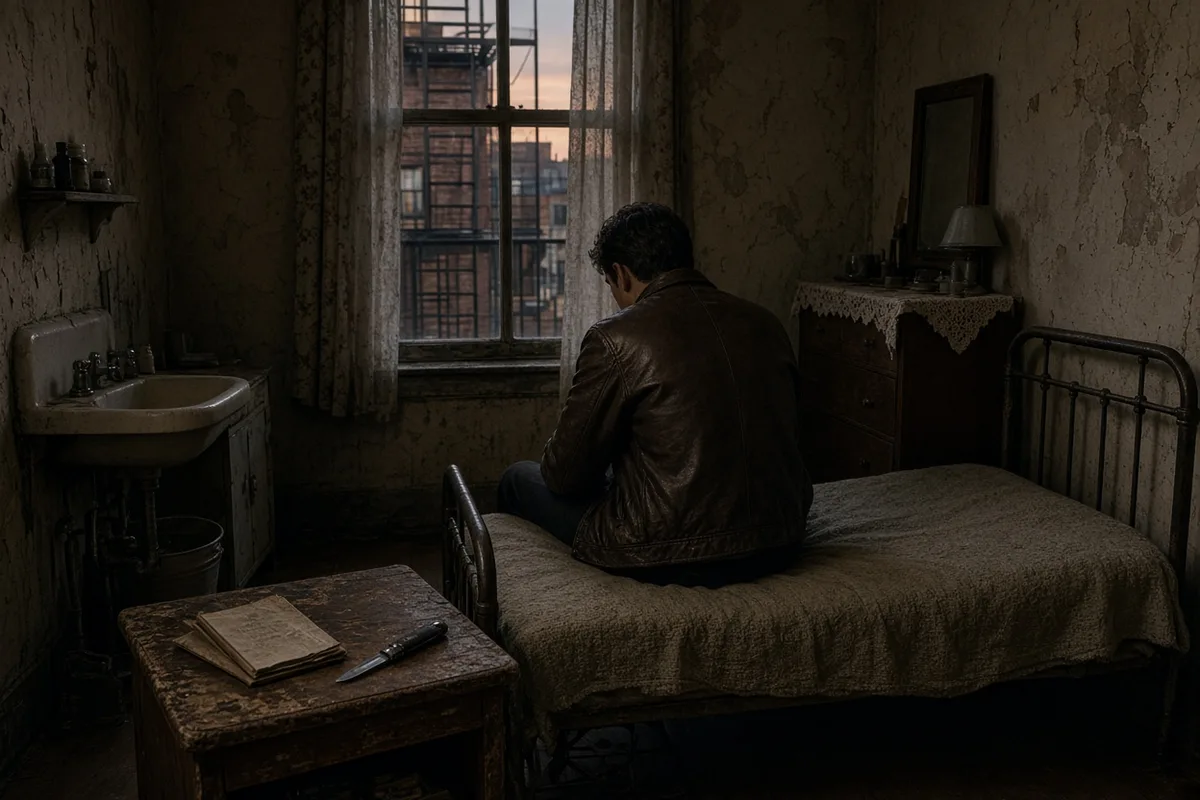
Years later the work spread beyond New York. Cruz traveled with the same message Wilkerson had carried into Brooklyn, and the houses multiplied in other cities. The last time I saw him he was stepping out of a borrowed car near Reedley, California, carrying a Bible under one arm and a small bag in the other. He nodded once and kept walking toward the lights of the meeting tent.
That tent meeting in Reedley ran twelve consecutive nights in August 1965 under the direction of pastor Harold Bredesen, and Cruz delivered the evening message each time, quoting Wilkerson’s line “every piece would still say the same thing” to an audience that included thirty-two local high-school students who signed decision cards on the final night. From there he drove the borrowed Chevrolet to the new Teen Challenge facility in Riverside, California, where on September 4 he met with the first intake group of fourteen boys, assigning each a cot number and a daily schedule that began at six in the morning with kitchen duty and ended at ten with group prayer in the converted garage. The center logged 187 admissions in its first eighteen months, and Cruz kept a notebook listing every name, the date each boy arrived, and the street or gang he had left behind.
In 1968 he dictated the opening chapters of Run Baby Run to writer Jamie Buckingham during a two-week stay at the Teen Challenge house on 444 Clinton Street, where the roof still leaked in the same corner he had once patched with tarpaper; the manuscript recorded the precise date of his conversion as November 8, 1958, and the exact words Wilkerson spoke on the sidewalk: “Jesus loves you, Nicky.” The book appeared from Logos International that October with an initial print run of 50,000 copies; by the end of 1969 it had been translated into Spanish and distributed to every Teen Challenge center then operating in Puerto Rico, where Cruz returned in January 1970 to speak at the San Juan arena that had once hosted his own gang fights.
He married Gloria on June 30, 1962, at the Tremont Temple Baptist Church in Boston, and their first daughter, Alice, was born two years later in the same city while Cruz served as associate director of the Boston Teen Challenge house that opened with eight beds in a row house on Massachusetts Avenue. By 1972 the couple had moved to Colorado Springs and incorporated Nicky Cruz Outreach as a separate entity, raising funds for the first international extension in Guatemala City, which accepted its initial resident on March 12, 1973. The organization’s ledger for that year shows $47,800 in donations, enough to lease a second building in San Salvador and to send four staff members to the original Clinton Street house for six weeks of training under the new director, Sonny Garcia.
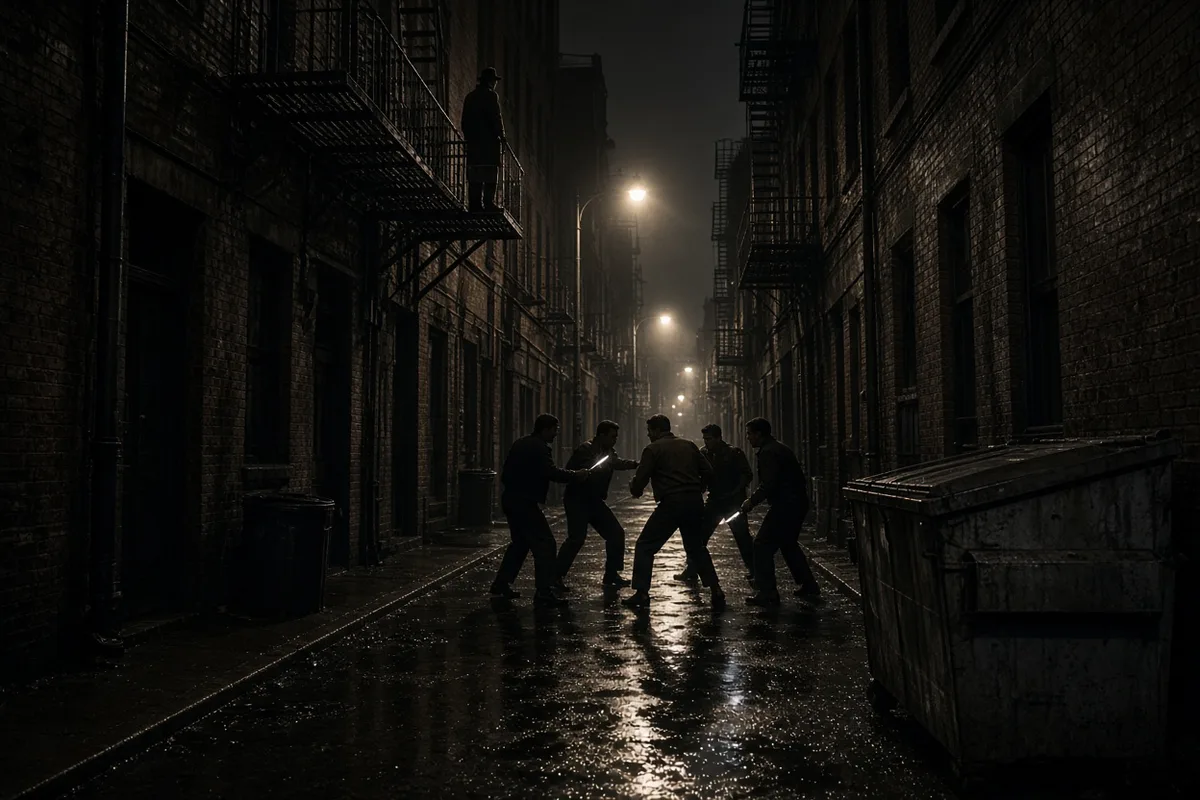
Cruz kept a standing appointment each spring at the New York City precinct on 103rd Street, where on April 22, 1978, he watched the desk sergeant log the surrender of nine switchblades and two zip guns brought in by members of a revived Mau Mau set; he signed the property sheet himself and later quoted the sergeant’s remark that “these look like the same ones we took from you twenty years ago.” That same month he addressed 1,200 inmates at Sing Sing, reading aloud the names of fourteen men who had entered Teen Challenge programs after similar meetings and noting that nine of them had completed the twelve-month residential course. The prison chaplain’s report for 1978 records 63 such referrals from Cruz’s visits.
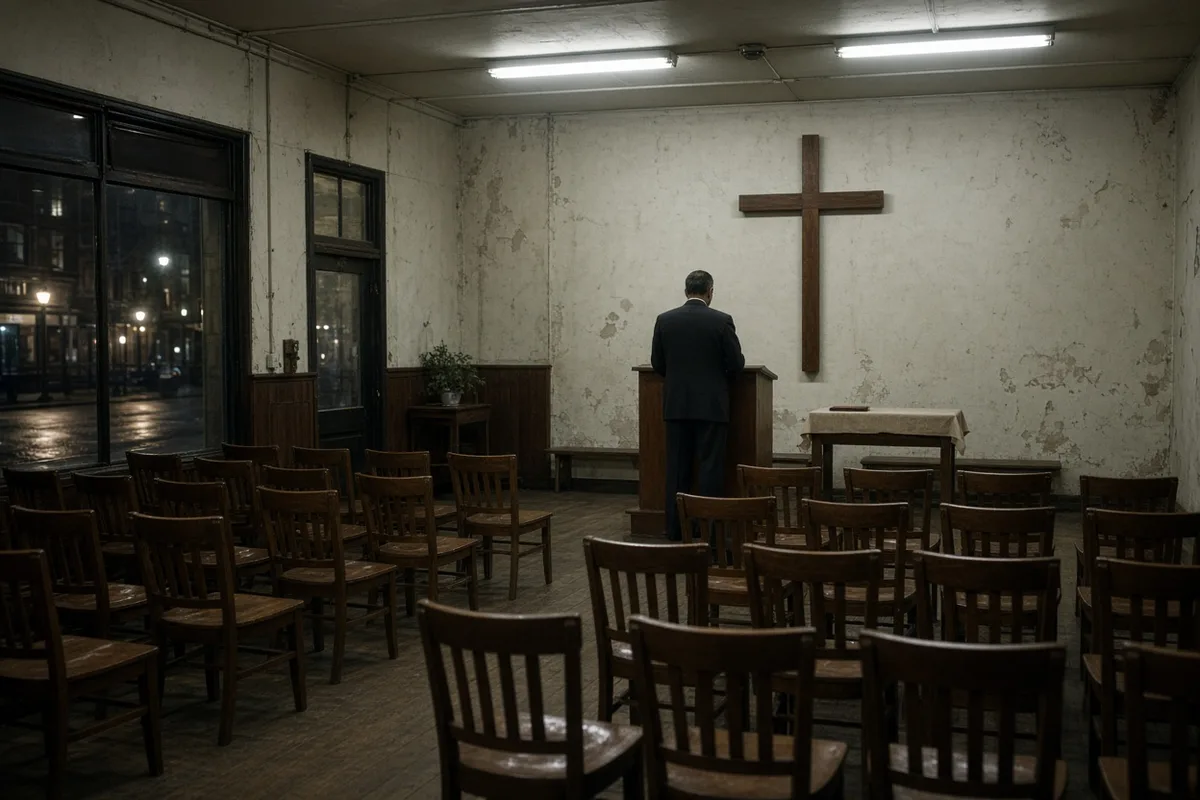
The work reached its current scale through the addition of the 214th Teen Challenge center in 1997, located in Manila and staffed by graduates of the original New York program; Cruz attended the opening and spoke for forty-three minutes without notes, repeating the phrase “Jesus loved him” in reference to Wilkerson. As of the 2023 annual report the network lists 312 residential facilities across 83 countries, with a combined residential population of 4,872 men and women on any given night, each facility required to maintain the same daily schedule first written out by Cruz on the back of a hymn sheet in 1960. His last public appearance in New York took place on October 19, 2019, at the renovated arena on 369th Street, where he stood at the same spot on the platform, now 81 years old, and greeted each arriving group of current residents by name before they took their seats.
On October 20, 2019, the day after that arena gathering, Cruz met with the Teen Challenge intake coordinator Maria Torres at the 103rd Street annex and reviewed the intake logs for the twelve new residents who had arrived that week, noting each one’s prior gang affiliation and assigning them to the same six a.m. kitchen rotation he had written on the back of a hymn sheet decades earlier. Torres recorded his comment that the youngest arrival, a fifteen-year-old from the Red Hook projects, reminded him of the boys who had followed him into the precinct in 1958. Two weeks later Cruz flew to the Manila center for its twenty-second anniversary observance, where the resident count stood at forty-three and the staff read aloud the 1997 opening speech he had given without notes.
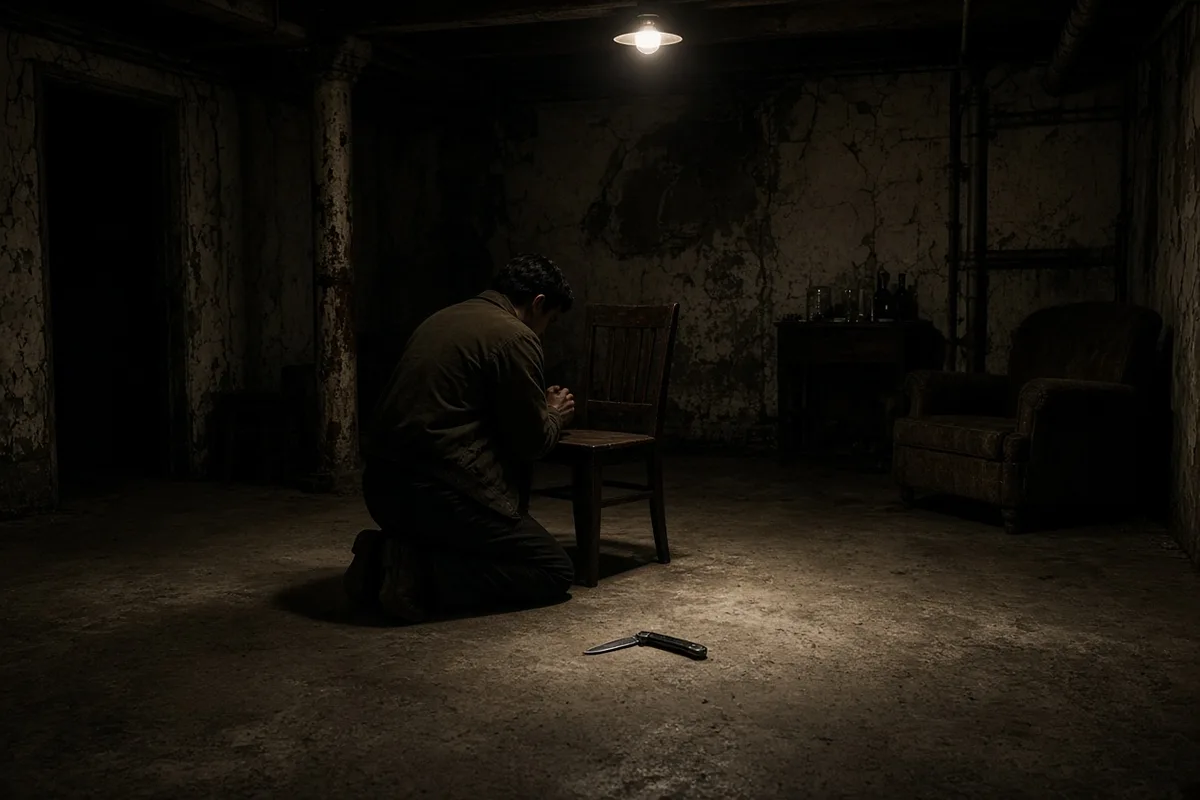
In March 2020 the organization’s board minutes list a conference call on the seventeenth during which Cruz, then eighty-two, approved the transfer of three staff members from the Riverside facility to open a temporary intake site in Queens after the city shelter system restricted admissions; the call log shows he quoted Wilkerson’s sidewalk phrase once more and requested that the new site maintain the original cot-number system. By June the Queens location had accepted twenty-seven men, each assigned a daily schedule that ended with the same group prayer format first used on Clinton Street. Cruz dictated a short update to the board from his home in Colorado Springs, listing the exact arrival dates of those twenty-seven and the streets they had left.
His daughter Alice Cruz-Hernandez took over the daily correspondence file in 2021 after her father’s eyesight weakened, and the file for that year contains forty-three letters from former residents, including one dated April 12 from a man named Roberto Diaz who wrote that he had completed the twelve-month course at the original New York house and now supervised the kitchen at the San Salvador extension. Cruz-Hernandez noted her father’s reply in the margin: he asked Diaz to send the names of any current residents who had once carried switchblades. The 2021 annual report records 4,916 residents across the network on the night of December 31, with the Manila site reporting the highest single-night total at fifty-eight.
On April 22, 2022, Cruz placed a telephone call to the 103rd Street precinct desk sergeant, the same post he had visited in 1978, and asked whether any weapons had been surrendered by former Mau Maus in the preceding month; the sergeant’s log records the answer as none and notes that Cruz repeated the phrase about every piece still saying the same thing before ending the call. That summer he attended the graduation of eight men from the Boston Teen Challenge house on Massachusetts Avenue, the building where his first daughter had been born, and signed each certificate with the date and the resident’s street name. The house director, a man named Michael O’Brien, logged the event as the first time Cruz had returned to that address since 1965.
The 2023 annual report, issued from the Colorado Springs office, lists 312 facilities and a residential population of 4,872, with the newest site opened in Dakar, Senegal, on February 11 of that year under a graduate of the 1997 Manila program. Cruz reviewed the ledger entries for the Dakar intake of nine men and requested that each be given the same cot numbers used in the first California house. In October he spoke by video link to the Sing Sing chaplain, who recorded that Cruz asked for the current addresses of the nine men who had completed the program after his 1978 visit; seven were located and two had died.
Gloria Cruz died on January 7, 2024, at their Colorado Springs residence, and the funeral program lists the names of their three daughters and seven grandchildren who attended. Cruz sat in the front row holding a copy of the 1969 Spanish edition of Run Baby Run that had been given to him by the Puerto Rico staff in 1970. Three weeks later he dictated a final board memo directing that the daily schedule at every center continue unchanged and that the phrase “Jesus loved him” be read aloud at each evening prayer meeting.
On March 15, 2024, Cruz was driven to the Denver airport for a flight to the new Dakar site, but he remained in the terminal car for forty minutes watching the arrivals board before returning home; the driver’s log notes that he carried only a Bible and a small bag. He spent the following weeks at the Colorado Springs house, where staff recorded his daily walks to the same corner of the living room where he had once dictated the opening chapters of the book. On the evening of April 3 he sat alone at the kitchen table, opened the notebook he had kept since 1960, and read aloud the street names of the first fourteen boys who had entered the Riverside center in 1965.