



One unconsented sample built modern medicine and left a family behind
In 60 seconds
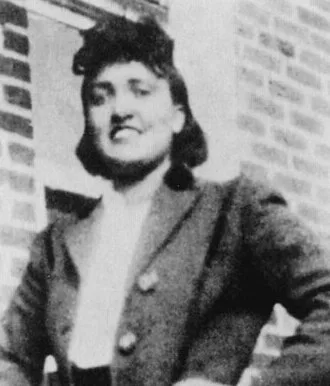
- In 1951, during radiation at Johns Hopkins, surgeons took two samples from Henrietta Lacks’s cervical tumor without telling her; those cells became HeLa, the first human line to grow indefinitely.
- HeLa powered polio-vaccine testing, radiation and toxin studies, early cloning work, genome mapping, HIV research, and a cell-culture industry worth billions, while none of that money reached her descendants.
- Her family learned the cells still existed only by accident decades later, lived without health insurance, and filled the silence with rumors of cloning and ongoing suffering.
- Skloot ties their dread to a longer pattern of charity-ward research and abuses such as the Tuskegee syphilis study, not to one miscommunication.
- Daughter Deborah spent years reclaiming her mother and sister Elsie’s stories with Skloot; Deborah died in 2009 before the book appeared.
- The Moore ruling left patients with partial consent rights but no property claim on removed tissue, so the economic gap the Lacks case exposed remains open.
The big idea
Skloot argues that the birth of HeLa was at once a landmark of twentieth-century medicine and an act built on silence, and that readers must hold both facts at once. Scientific benefit and human justice do not travel together unless someone forces the question of ownership, consent, and who gets named.
The book in brief
The Immortal Life of Henrietta Lacks opens in segregated Baltimore in 1951, where a thirty-year-old Black tobacco farmer seeks care for abnormal bleeding and dies within months of an aggressive cervical tumor. During treatment, tissue is taken without explanation—the ordinary currency of free-ward medicine—and handed to a researcher who has failed for years to keep human cells alive.
Those cells do not die. They double every twenty-four hours, travel by mail to labs nationwide, and become the default human material for vaccine tests, spaceflight studies, toxin work, cloning, genome mapping, and HIV research. Companies rise to sell the lines and kits; a biotech market worth billions forms around them. Nothing returns to the source.
While the cells circle the globe, Henrietta’s husband works a steel mill without insurance. Children are scattered; one is abused. Daughter Deborah lives with untreated epilepsy and anxiety, never clearly told what happened to her mother or to sister Elsie, who died in 1955 at a crowded institution for Black disabled patients. The family learns of HeLa by accident in the 1970s when a researcher calls for blood, and a magazine names Henrietta without them.
Skloot then widens the lens: Night Doctor lore, Hopkins charity-ward patterns, and the Tuskegee study from 1932 to 1972 explain why the family hears confirmation of an old pattern rather than a proud surprise. Parallel to that history runs Deborah’s long attempt to learn who her mother was and what was done to Elsie, a collaboration with Skloot marked by broken trust, lab visits, and stress that worsens Deborah’s health.
The legal chapter turns to John Moore, whose cell line was patented without his grasp of its value; the 1990 California ruling gives patients a say in research use but no property right once tissue leaves the body. Henrietta’s case predates consent rules entirely; Moore shows the ownership gap survived the reforms.
The ending refuses tidy closure. Henrietta’s name begins to replace the anonymous label in some labs; Skloot steers book proceeds into a foundation for families whose tissue was taken without consent. Yet no royalty or settlement reaches the Lacks descendants, and pride, anger, and unfinished grief remain. The imbalance was practice across decades; one apology or foundation cannot finish the repair.
Context
Rebecca Skloot spent more than a decade earning the trust of Henrietta’s children, especially Deborah, after earlier writers and researchers had taken stories and blood and given little back. Published in 2010, the book arrived as a rare mainstream account that refused to separate the cell-line triumph from the family’s poverty and from the longer record of medical racism that shaped their fear. Deborah died in 2009 and never saw the finished work.
The key ideas

1
Charity-ward currency
Skloot shows mid-century free-ward care treated Black patients’ bodies as research material while offering real treatment and no explanation of what left the room.
What she was told
Radiation for an aggressive cervical tumor in the only hospital that would treat her
What left the room
Two tumor samples taken for research with no explanation to her or her family
Henrietta grows up farming tobacco in Virginia, moves to Baltimore with Day, and at thirty notices abnormal bleeding. Johns Hopkins is one of the only regional hospitals that will treat Black patients, and only in a segregated ward. Dr. Howard Jones finds an aggressive cervical tumor.
During radiation, a surgeon cuts two small samples from the tumor without telling her they are for research. Skloot stresses this is standard for free-ward patients: tissue becomes quiet payment for care no one describes that way to the people on the table. Henrietta dies within months, leaving five children, including Elsie, who has a developmental disability and is institutionalized.
The point is not that Hopkins refused care. It is that care and harvesting ran on parallel tracks with no ethical or legal duty to say what would happen to pieces of a body once removed. Nothing about the practice was unique to her; that ordinariness is why her case opens a larger pattern.
In practice: Henrietta receives radiation in the segregated ward while tumor samples leave for the lab without her knowledge—the same visit producing both treatment and unconsented research material.
2
Cells that refused to die
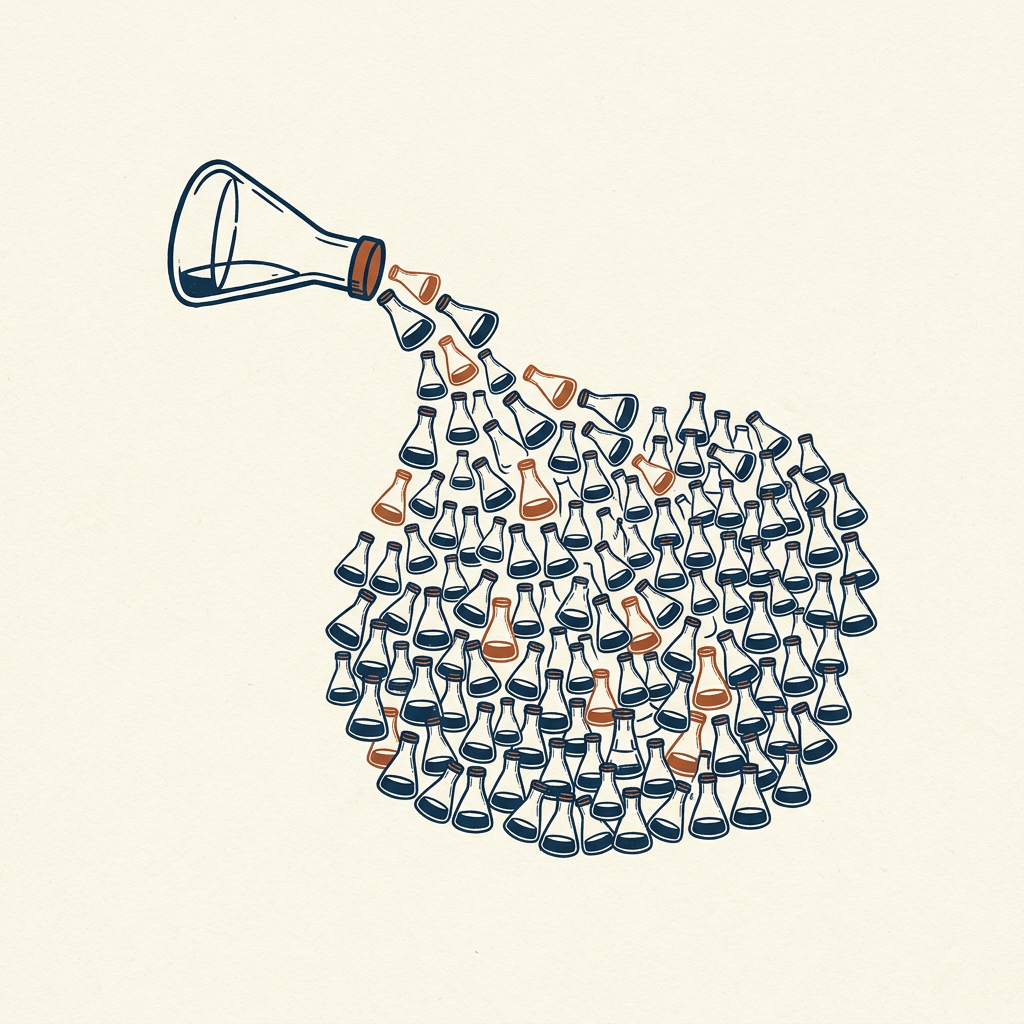
George Gey’s HeLa line was the first human culture to grow without limit, and its naming protected privacy while erasing the woman whose body made it possible.
Gey has spent years watching human samples die within days outside the body. Henrietta’s tumor cells divide every twenty-four hours without slowing—an outcome no prior human culture had given him.
He labels the line HeLa from the first letters of her names, a privacy custom that also strips the person from the product. Word moves fast; researchers have been waiting for exactly this renewable human tool. Gey mails samples widely and refuses to patent or pocket profit, treating the line as a gift to science.
Skloot insists the gift was Henrietta’s tissue, not his, and neither she nor her family agreed. For more than twenty years they do not know any part of her still exists, let alone that it is among the most studied objects in biology. Triumph and silence arrive together; one does not cancel the other.
In practice: Gey’s lab turns a failing quest for durable human culture into a line that doubles daily and ships to labs across the country under a code that hides Henrietta’s name.
3
Infrastructure from one body
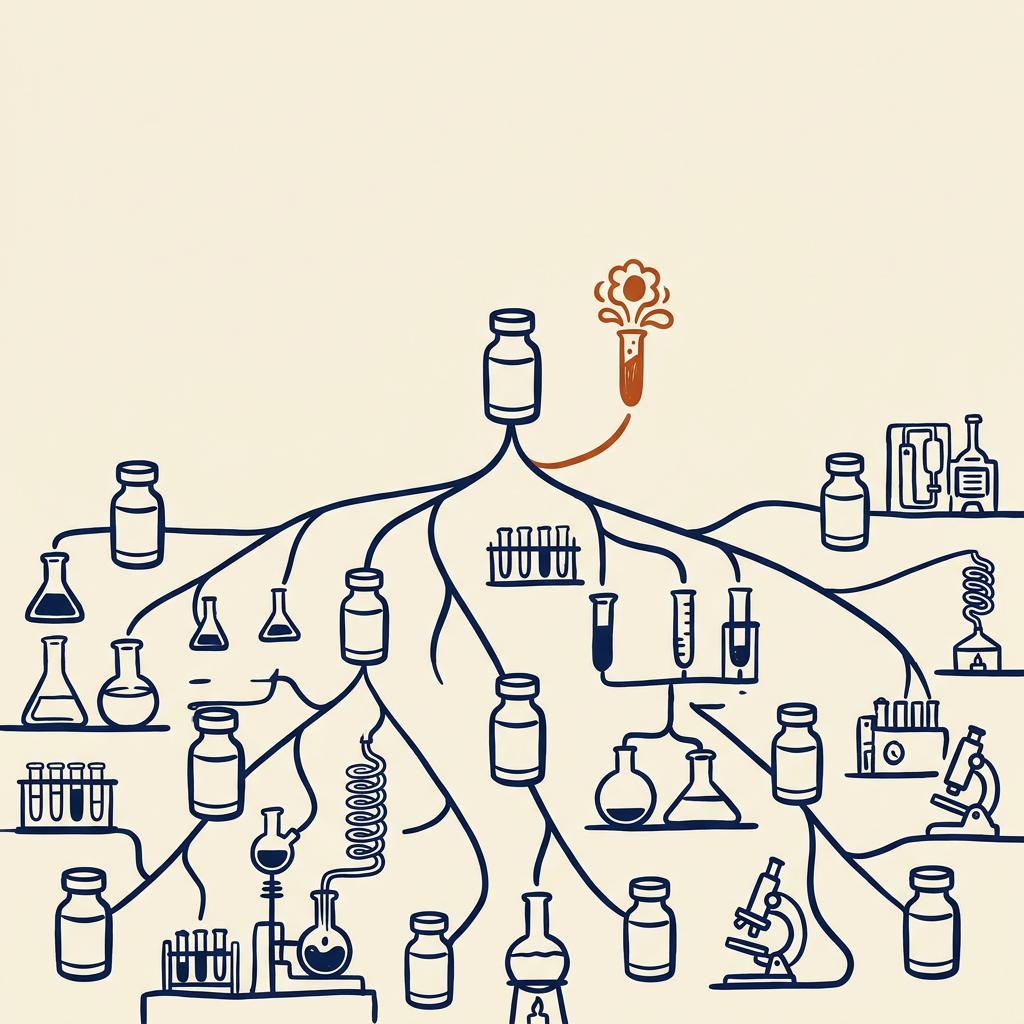
Once available, HeLa became the working backbone of biomedicine, proving one unconsented sample could yield vast public good and private profit with no return to the source.
Labs adopt HeLa as the default renewable human cell line. Jonas Salk’s team uses mass-produced HeLa to test the polio vaccine in the early 1950s, with factory-scale production centered at the Tuskegee Institute.
Cells go into orbit to test zero gravity on human tissue, serve in radiation and toxin studies, enter early cloning work, and later help map the human genome and test HIV treatments. By some estimates researchers grow enough HeLa over the decades to weigh far more than Henrietta ever did alive, many times over.
Firms form to supply, culture, and sell lines and diagnostic kits derived from HeLa. The cell-culture industry around them becomes worth billions. Skloot does not dispute the scientific value; she measures the gap between that value and the total absence of financial or even informational return to the person the cells came from.
In practice: Polio-vaccine testing relies on mass-produced HeLa from a major manufacturing site at Tuskegee while Henrietta’s name and family remain outside the story.

4
Wealth beside want
The distance between HeLa’s global traffic and the Lacks family’s poverty is the book’s emotional center: benefit and justice do not move together on their own.
What HeLa generated
Global research tool, vaccine work, biotech markets worth billions
What the family had
Steel-mill wages, no insurance, scattered children, rumors instead of answers
While HeLa moves through labs worldwide, Day works in a steel mill and cannot afford insurance for himself or the children. Some children go to relatives; Joe, later Zakariyya, suffers abuse. Deborah lives for years with untreated epilepsy and anxiety tied partly to never learning clearly what happened to her mother or to Elsie.
The family discovers Henrietta’s cells are still alive only by accident in the 1970s, when a researcher calls Day for blood to study genetic markers and fails to explain why. Rumors spread that scientists cloned Henrietta, that she is suffering somewhere, that this is why they feel sick.
Around the same time a Rolling Stone piece by Michael Rogers names Henrietta publicly without the family’s involvement, turning her into a curiosity while her children still cannot afford basic care. Skloot refuses a progress-only telling: the relatives of the woman whose cells built research infrastructure could not reach the healthcare that infrastructure helped create.
In practice: A 1970s cold call for family blood samples, not a hospital briefing, is how Day first learns something of Henrietta still lives in labs.

5
Trust across generations
The family’s dread reads as confirmation of a known pattern once set beside charity-ward research habits and the Tuskegee syphilis study, not as irrational fear of one hospital.
- 1932–1972Tuskegee syphilis study withholds treatment from Black men to watch disease progress
- mid-centuryCharity-ward tissue and teaching use without full explanation at hospitals including Hopkins
- 1970s onwardLacks family learns of HeLa and reads it as confirmation of that longer record
Hopkins was one of the few Baltimore hospitals willing to treat Black patients at all, and it was also known in the Black community for using free-ward patients in research and teaching without full explanation. Older residents remembered Night Doctor stories—men said to snatch Black people for experiments—a folk memory rooted in real abuses even when particular tales grew larger.
More firmly documented is the U.S. Public Health Service’s Tuskegee syphilis study, 1932 to 1972: Black men with syphilis left untreated for decades so the disease’s course could be watched, never told the diagnosis or offered available treatment.
Skloot treats this history as the condition of understanding, not decoration. When the Lacks family learns their mother’s cells were taken and sold worldwide without anyone asking, they hear an old lesson repeated. Trust in medical institutions, she argues, is built or destroyed across generations, not case by case.
In practice: News that Henrietta’s cells were taken and distributed lands on a family already carrying Tuskegee and Night Doctor memory, so it registers as pattern, not accident.

6
Deborah reclaims the story
Deborah’s search shows that once a relative becomes an anonymous global resource, grief and the need for plain scientific facts become the same labor.
Deborah wants to know what was done to her mother and what happened to Elsie, who died in 1955 at Crownsville Hospital, an institution for Black patients with mental and physical disabilities where later investigations found neglect and possible experimentation. She wonders whether her mother felt pain when the cells were taken, whether cloning could bring a version of Henrietta back, and why strangers in white coats keep arriving for blood or answers.
When Skloot begins work with her in the late 1990s, Deborah is hungry for information and deeply wary. Earlier writers and researchers, including the 1976 Rolling Stone reporter, took what they needed and returned little. The collaboration spans years, breaks down more than once, and at points harms Deborah’s health as she faces records of Elsie’s death and tours the lab where her mother’s cells still grow.
This thread reframes the whole narrative: not only a cell-line history, but one daughter’s attempt to seize a story everyone else had told. Deborah dies in 2009, before publication, leaving the search heavier than any finished book can settle.
In practice: Deborah walks through the lab where HeLa is still cultured, trying to match flasks and jargon to the mother and sister she never got to keep.

7
Consent without ownership
Even after consent rules improved, the Moore decision left patients with no property claim on tissue once it leaves the body—the gap Henrietta’s case revealed and did not close.
John Moore, treated for cancer in the 1970s and 1980s, learns doctors patented a cell line, Mo, from his blood and tissue without his informed sense of its commercial worth. He sues. In 1990 the California Supreme Court holds that patients have a right to informed consent about research uses, yet do not keep property rights over tissue after it leaves the body.
Moore therefore has no claim on profits from Mo, though his biology made the line possible. That ruling remains controlling: tissue from ordinary surgery or biopsy can feed research and commercial products indefinitely if some consent, however thin, was obtained.
Henrietta’s case sits before informed-consent requirements; 1951 standards demanded nothing. Moore shows that later ethics repaired process more than ownership. Skloot’s claim is sharp: law narrowed the informational gap partway and left the economic gap almost untouched for patients of every background.
In practice: Moore wins a recognition that he should have been told more, and still loses any share in the cell line built from his own tissue.

8
Recognition without repair
Public naming and a foundation can acknowledge harm without undoing an imbalance built into decades of practice; old ethical wrongs resist single-act fixes.
What changed
Growing public use of Henrietta’s name; family visibility; a foundation funded from book proceeds
What did not
No settlement or royalty on HeLa; long stretches without family health insurance; grief still unfinished
By the time Skloot finishes, some labs and universities begin saying Henrietta’s name instead of only HeLa, and the family gains visibility it never had. No legal settlement, royalty stream, or formal compensation reaches the descendants, and for much of this period they still lack health insurance—an irony the book will not drop.
The family feels two ways at once about the book: want the world to know Henrietta, fear another outsider profiting from their dead. Skloot sets aside a portion of proceeds for the Henrietta Lacks Foundation, aimed at descendants of people whose tissue or bodies were used in research without consent—a partial remedy where law offered none.
Final chapters refuse a clean ending. HeLa’s scientific life keeps expanding; the family’s legacy stays mixed pride, anger, and grief. Skloot’s close is that apology, a building name, or even a foundation cannot fully close stories like this. The imbalance was structural; undoing it needs ongoing attention, not one act of recognition.
In practice: Book proceeds seed a foundation for families harmed by unconsented research use, while the Lacks line itself still receives no royalty on HeLa.
Key terms
- HeLa The cell line grown from Henrietta Lacks’s tumor, named from the first letters of her names, the first human cells to divide without limit in culture.
- Charity ward The free segregated hospital wards where care was given and tissue was routinely taken for research without explaining that use to patients.
- Informed consent The later duty to tell patients how tissue or body materials may be used in research—a duty that did not govern Henrietta’s 1951 treatment.
- Moore ruling The 1990 California Supreme Court decision that patients must be told about research uses of their tissue but keep no property right in it once it leaves the body.
- Night Doctors Folk memory in Black communities of men who seized people for medical experiments—a rumor rooted in real historical abuses.
- Tuskegee syphilis study A U.S. Public Health Service project, 1932–1972, that left Black men with syphilis untreated to watch the disease run its course.
- Crownsville Hospital The institution for Black patients with mental and physical disabilities where Elsie died in 1955 amid later findings of neglect and possible experimentation.
- Henrietta Lacks Foundation A fund Skloot seeded from book proceeds to aid descendants of people whose tissue or bodies were used in research without consent.
What to do
- Ask your hospital or clinic exactly what happens to tissue, blood, or biopsy samples left after a procedure, and read the consent form’s research language before you sign.
- If you work in a lab, clinic, or biotech firm, learn the origin and consent history of every cell line or dataset you use, and say so aloud when that history is missing.
- Ask living family elders about medical experiences they avoided discussing, since memory of mistreatment often explains distrust that looks irrational from outside.
- When a relative’s medical story is being told by institutions or press, push for the family to be named and briefed before material goes public.
- If you control research budgets or IRBs, treat ownership and return-of-benefit questions as live policy problems, not settled history.
Questions to think with
- If removed tissue can create billions in value, what would a fair claim for the source or their family actually look like without freezing research?
- How should a hospital that both treated and harvested from charity patients be held to account generations later?
- What does Deborah’s mix of eagerness and wariness teach anyone who wants to write about another family’s medical trauma?
- Does naming Henrietta in labs repair anything material for her descendants, or does it mainly comfort the institutions that use HeLa?
- Where is the line between telling a necessary story and extracting grief for a bestseller?
The other side
The book’s force comes from braiding consent, racism, and profit into one story, which can blur what exactly failed and what would fix it: lack of permission in 1951 was not unique to Black patients, informed consent barely existed for anyone then, and Moore shows white patients later lost ownership fights too; better consent talk alone would not have created property rights the law still denies everyone. Critics also note Skloot’s own position—a white journalist who spent years inside a low-income Black family’s grief, sold a bestseller from that access, and funded a foundation afterward—can look like the extraction the book condemns, while the text never quantifies how much money HeLa specifically made or for whom, and its 2010 ending cannot include later genome-data fights or the NIH’s oversight deal with the family.
Who it's for
Readers who want the human cost inside medical breakthroughs, and students or practitioners in bioethics, public health, and research policy who need race, poverty, and ownership treated as structural facts rather than side notes. Anyone tracing how American medicine built trust and distrust across generations will get the most from sitting with both halves of the story at once.