


Oscar statuette costs $400, but winners can't just sell it
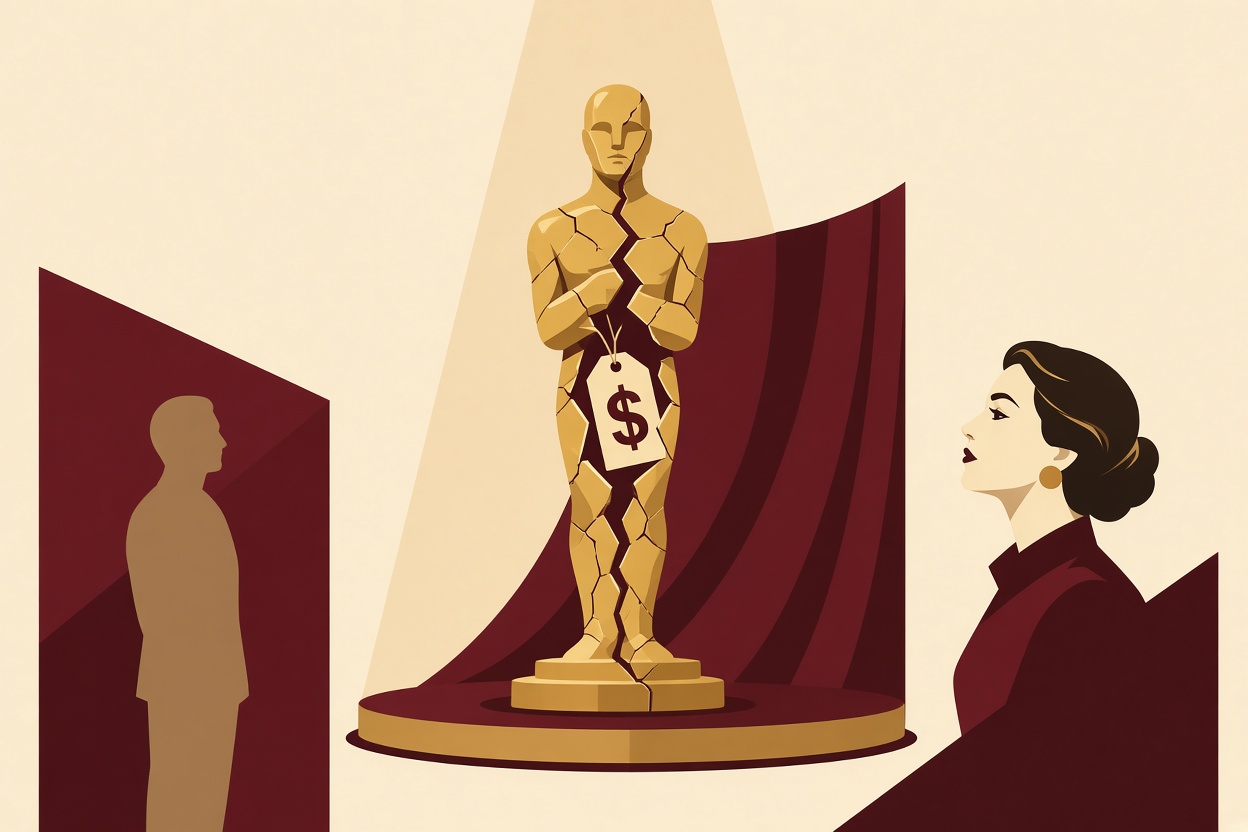
The Oscar statuette has a long history filled with mystery, controversy and unusual rules as it has evolved from the 1929 ceremony into Hollywood’s centerpiece awards season. The origin of the name “Oscar” remains uncertain, with Academy librarian Margaret Herrick often cited as a possible link to its nickname. The awards are portrayed as both a high honor and a reflection of the industry’s egos, money and power, underscoring how campaigns and gatekeeping can influence outcomes. The statue costs about $400 to produce, while studios spend tens of millions on campaigns, and winning can boost salaries but does not guarantee lasting success. There are strict ownership rules: if an Oscar was won after 1951, the recipient must offer the statue back to the Academy for $1 before disposal. Over time, the Oscars have become a cultural bellwether and a billion-dollar cottage industry, central to a global awards ecosystem.