



Paris prosecutors investigate smart glasses used to film women without consent
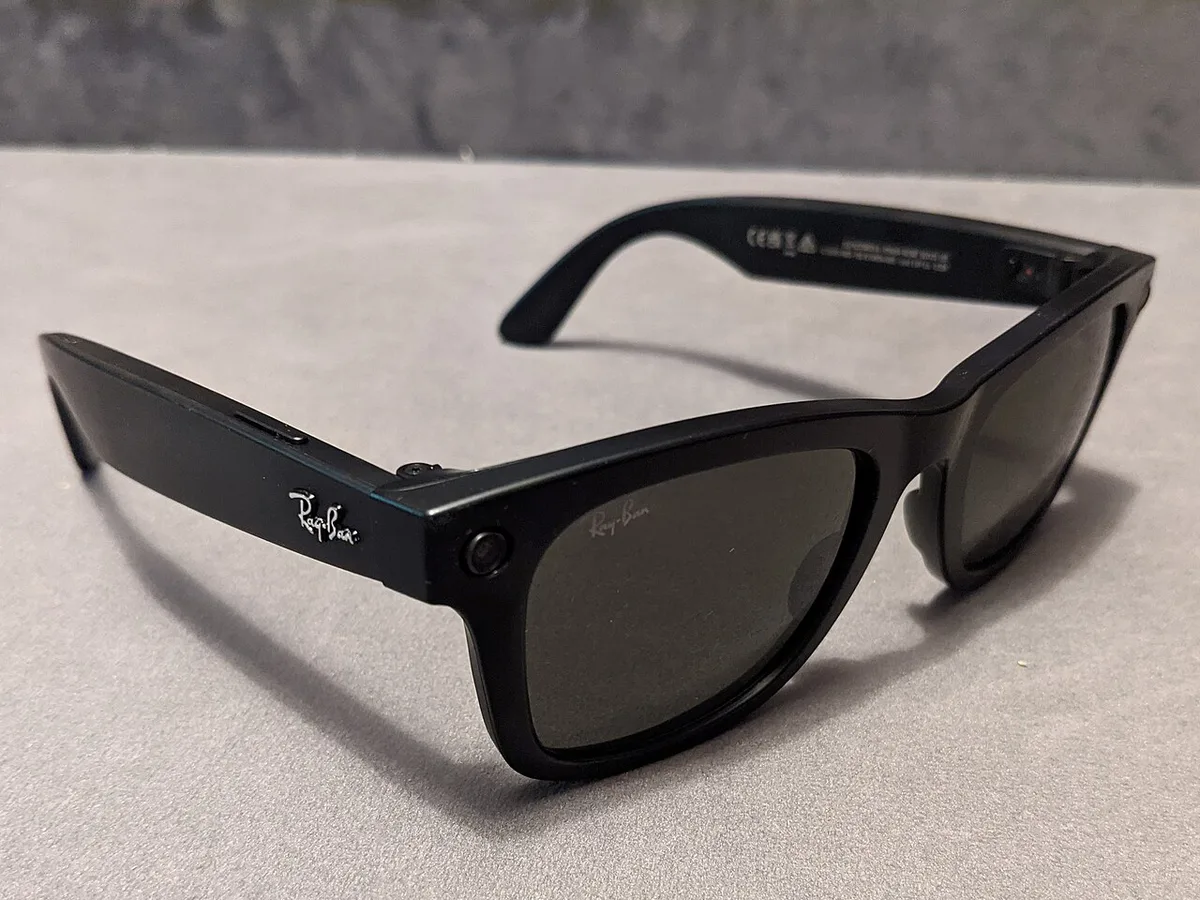
Paris prosecutors have opened at least one criminal investigation into suspected sexual harassment involving smart glasses. The office told Reuters the step followed complaints linked to a social media trend of filming women on the street without consent and posting the videos online. No brand was named. The cybercrime unit tested the devices two weeks before the Sept. 18, 2026 reports. Meta's glasses, made with EssilorLuxottica, hold roughly 76% of the global market and sold 7 million units last year; EssilorLuxottica declined to comment. CNIL has received fewer than 10 workplace complaints. French law allows up to one year in prison or a €45,000 fine for recording someone in a private place without consent. UK cinemas have banned smart glasses, a German group filed a criminal complaint against Meta and others, and Australia is considering a first-of-its-kind government workplace ban. Meta said it has "built privacy into our AI glasses from the ground up" and "will keep strengthening our protections as our glasses become even more capable." Nacera Bekhat said the technology poses "real challenges." Ines Legendre said a light coming on does not mean consent to being filmed or to distribution of the image. Ines Girard said people being surveilled should not be told to be more vigilant, placing an added burden on women and gender minorities.