



Persuasion fails until people feel heard first

In 60 seconds
- The persuasion reflex—piling on facts when someone is activated—triggers amygdala-style defense and makes logic bounce off.
- Quiet your own reactivity first; unmanaged irritation transmits nonverbally and makes any script read as fake.
- Sync tone and energy, then run the feeling-heard loop: name the underlying emotion, let them correct you, wait for calm.
- Replace statements with genuine walk-me-through questions so people own gaps and plans themselves.
- Name the hidden fear behind anger, ego, or stonewalling, and give face-saving exits so a firm no can reverse without status loss.
- Frame feedback as impact and shared goals, then drill the whole sequence in low-stakes talks until it is automatic under pressure.
The big idea
Goulston argues influence has a fixed order: manage yourself, sync emotionally, reflect the feeling accurately, ask rather than tell, and only then deliver content—because an unheard person is not cognitively available. The sharp limit is that everyday conflicts of interest are not hostage crises, and accurate reflection alone will not resolve genuine fights over pay, credit, or power.
The book in brief
Goulston starts from a blunt diagnosis: when people push back, most of us double down with more reasons, and that persuasion reflex backfires. An emotionally activated person shifts into self-protection; reasoning goes offline, so extra logic feels like pressure and deepens resistance. Hostage-style examples and everyday ones—a teenager on curfew, an employee rejecting feedback, a silent client—make the same point: stubbornness is often a predictable response to being talked at, not a character flaw.
He then forces the reader inward. You cannot get through while rehearsing rebuttals; internal noise is often worse than anything the other person does. The fix is moving from reactive to receptive—slow breath, softer face—before any technique, because crossed arms and tight jaws broadcast judgment faster than words. Only after self-management does he introduce neurological sync: match tone and energy partway, then bring intensity down together, so the other person senses you are with them rather than managing them.
The center of the method is the feeling-heard loop. Listen for the emotion under the complaint, name it specifically, let them confirm or correct. Solution-first replies withhold the one thing needed before solutions can land. Once someone feels registered, they often calm, hear themselves more clearly, and sometimes talk themselves into a better position without persuasion. From there he swaps telling for questions that invite people to narrate their own reasoning and voice what they want next, creating ownership instead of defense.
Hard cases get the same lens: rage, narcissistic bravado, and stonewalling usually protect a specific fear or need. Naming that need directly can drop the performance—if rapport already exists. Entrenched nos are treated as face-saving commitments more than final judgments; validate the original position, introduce changed circumstances, and offer an exit ramp so yes does not require admitting error. Only after earning the right to be heard does he address delivery: frame feedback as impact and shared goals, supply the short phrase that lowers the listener’s likely worry, and avoid both blunt verdicts and vague niceness.
The book closes on habit. Insight is not enough; under adrenaline people revert to practiced arguing or withdrawing. Deliberate low-stakes reps make the full sequence—self, sync, reflect, ask, then content—available when it counts. The arc is consistent from first chapter to last: skip emotional safety and you provoke the opposite of influence.
Context
Mark Goulston is a psychiatrist who trained in hostage-negotiation techniques. The 2009 book mattered because it translated crisis and clinical methods into a repeatable sequence for ordinary business and family conflict, rather than vague advice to listen more.
The key ideas

1
The persuasion reflex
Reasoning harder with an activated person increases resistance because self-protection crowds out evaluation.
Persuasion reflex
More facts, harder argument, pressure while they are activated
Order that works
Felt connection and calm first; content only after the nervous system settles
Goulston opens by naming the default move most people make under pushback: argue harder, explain more, offer more facts. He calls this the persuasion reflex and treats it as almost always counterproductive once someone is emotionally activated.
In that state the brain shifts into defensive mode—he borrows the amygdala-hijack framing—so reasoning goes offline and the person focuses on self-protection. More logic does not land; it bounces off or registers as pressure, which deepens resistance.
The order of operations is the real claim. Emotional safety must come before content. Skip it and you force the other person to defend against being pushed as well as disagree with the substance. Stubbornness reframes as a predictable response to being talked at.
In practice: A negotiator listing reasons to live at a suicidal person almost always fails because the person is not in a reasoning state; ordinary cases—a teenager refusing curfew talk, an employee rejecting feedback—follow the same pattern.

2
Quiet your own head
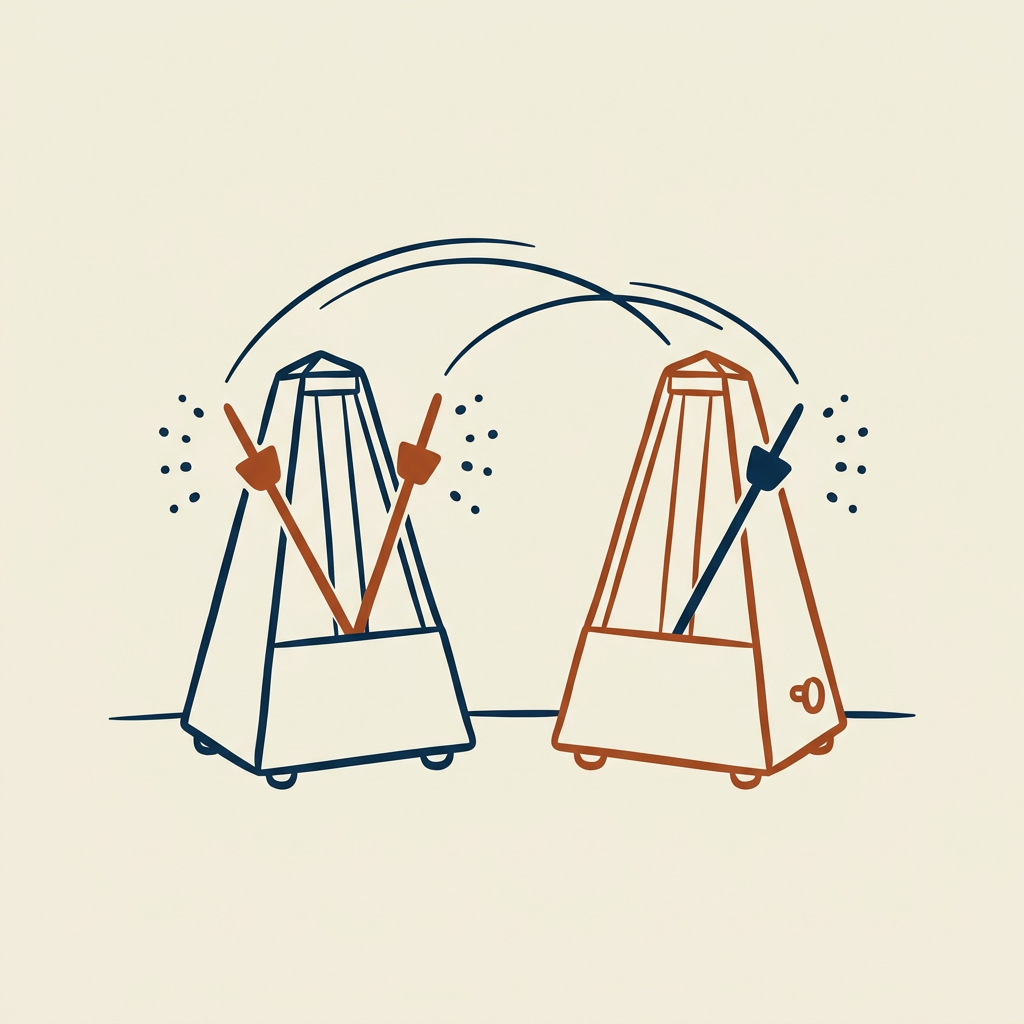
You cannot get through while half your attention rehearses a rebuttal; unmanaged reactivity makes technique read as fake.
Before any move on the other person, Goulston insists you address what is happening inside you. In tense talks most people only half-listen because the other half is preparing defense, correction, or riding rising frustration.
That internal noise damages communication more than the other person’s words. The practical shift is conscious: notice the urge to jump in, let it pass, slow breathing, soften expression—move from reactive to receptive before speaking.
People read defensiveness nonverbally faster than language. Technique stacked on an irritated state transmits judgment and fails. All later listening moves depend on this foundation of actual presence.
In practice: A manager who rehearses a perfect script for an underperforming employee but walks in already irritated will have the employee feel judged within seconds; the script will not matter.
3
Sync before you shift
People will not move toward your position until they sense you have accurately grasped their state and are on their side.
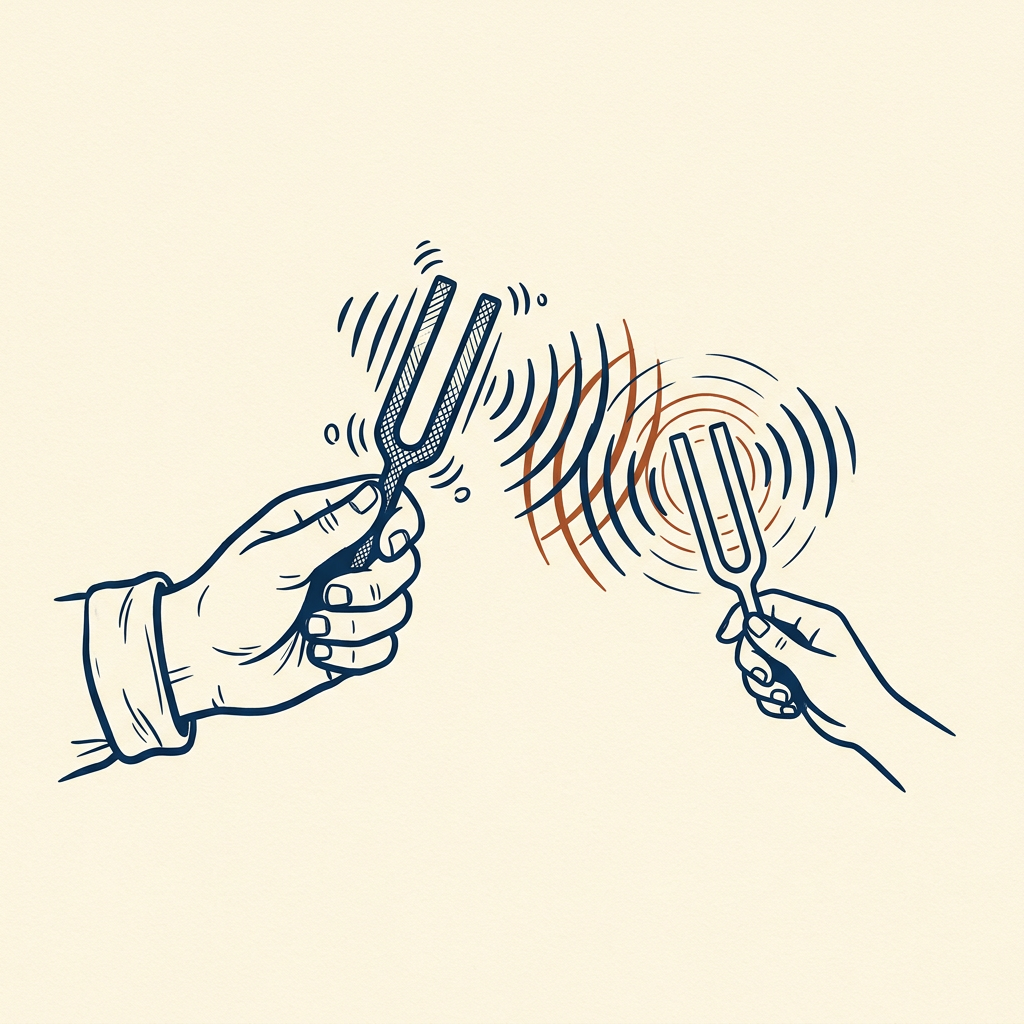
Drawn loosely from mirror-neuron ideas and clinical rapport work, Goulston treats physiological and emotional synchronization as a prerequisite for cognitive cooperation, not a nicety.
Match tone, pace, and energy partway—not sarcastic mimicry, not calm superiority that reads as condescension. Meet intensity, then gradually bring it down together. Logical alignment on facts sits downstream of feeling on the same side.
Until the other person senses you are with them rather than managing them, they will treat input as manipulation regardless of content. This step builds directly on quieting your own reactivity first.
In practice: Hostage negotiators avoid a soothing sing-song with an agitated subject because it can feel patronizing; an executive got further with an enraged client by first matching the frustration verbally instead of going straight to calm solutions.
4
The feeling-heard loop
Accurate reflection of the emotion beneath the words produces the physical sensation of being understood that unlocks cooperation.
This is the book’s central mechanism. Listen for the feeling under the complaint, name it back in a way that captures the underlying experience, and let the person confirm or correct.
Most well-meaning replies jump to solutions or reassurance and thereby withhold the registration the person needs before they can accept any fix. Getting the emotion wrong or sounding formulaic breaks the loop; hollow technique is read as technique.
A secondary effect matters: once heard, people often listen to themselves more accurately and sometimes talk their way into a more reasonable position without being persuaded. The loop only works atop self-management and physiological alignment.
In practice: A distressed hospital patient’s family member did not need more medical explanation first; hearing ‘this must be terrifying’ produced visible calm and only then capacity to absorb the actual information.
5
Ask instead of tell
Questions that invite someone to explain their own reasoning change behavior more than statements, because people defend what they discover themselves.
Telling first
Your analysis presented; they defend the position
Walk-me-through
They narrate; gaps and ownership surface on their own
Goulston separates disguised accusations from genuine invitations to walk through reasoning. The latter signals respect for autonomy and forces the person to hear their own logic aloud, sometimes exposing gaps without your pointing them out.
Asking what they want to happen next, rather than telling them what should happen, produces plans they voice and therefore own. Presenting your analysis first invites defense; narration invites reflection.
Timing is everything. The same open question lands as interrogation if you are still reactive or rapport is missing. Only after safety does curiosity function as invitation rather than trap.
In practice: A manager faced a defensive employee who denied fault on a failed project; asking him to narrate decisions step by step led the employee himself to name the decision point where things went wrong.

6
Name the hidden need
Difficult behavior usually protects a specific fear or need; naming that need directly short-circuits the performance better than managing the surface.
Enraged clients, narcissistic executives, and silent stonewallers are treated as functional, not simply irrational. Anger often masks disrespect or powerlessness; stonewalling often masks fear that words will be used against them; bravado often masks fear of being exposed as inadequate.
Naming the likely underlying burden can drop guardedness because the person no longer has to maintain the show. The move carries real risk: wrong guess, or too early before trust, feels like an attack and shuts people down harder.
That is why this chapter sits after rapport and accurate emotional reading. Without that foundation, naming a hidden fear reads as a power move rather than understanding.
In practice: In a calm one-on-one, telling an aggressively dismissive executive it must be exhausting always seeming to have all the answers produced a visible drop in guardedness; acknowledging a stonewalling teenager’s fear of trouble opened talk that months of direct questions had not.
7
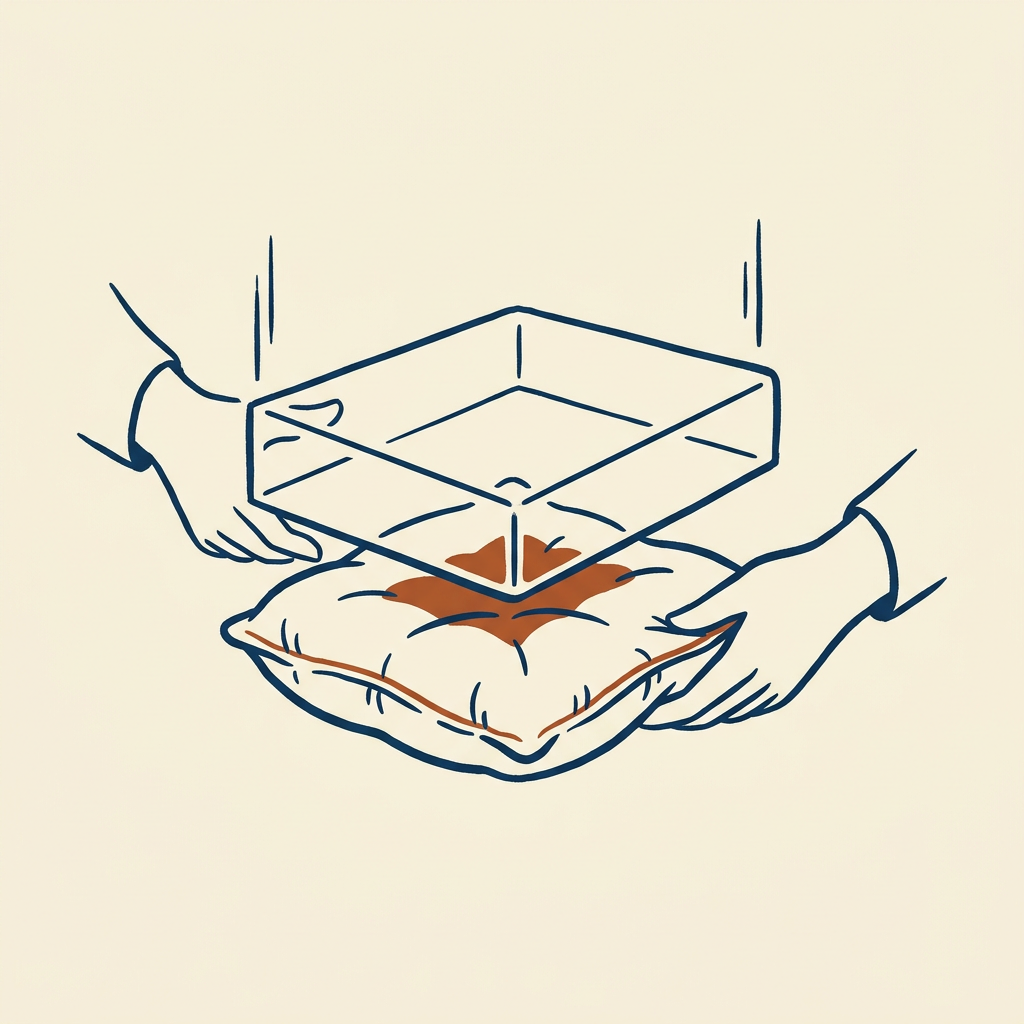
Face-saving path to yes
A firm no is often a status position; making reverse possible without admitting error moves people more than a better argument for yes.
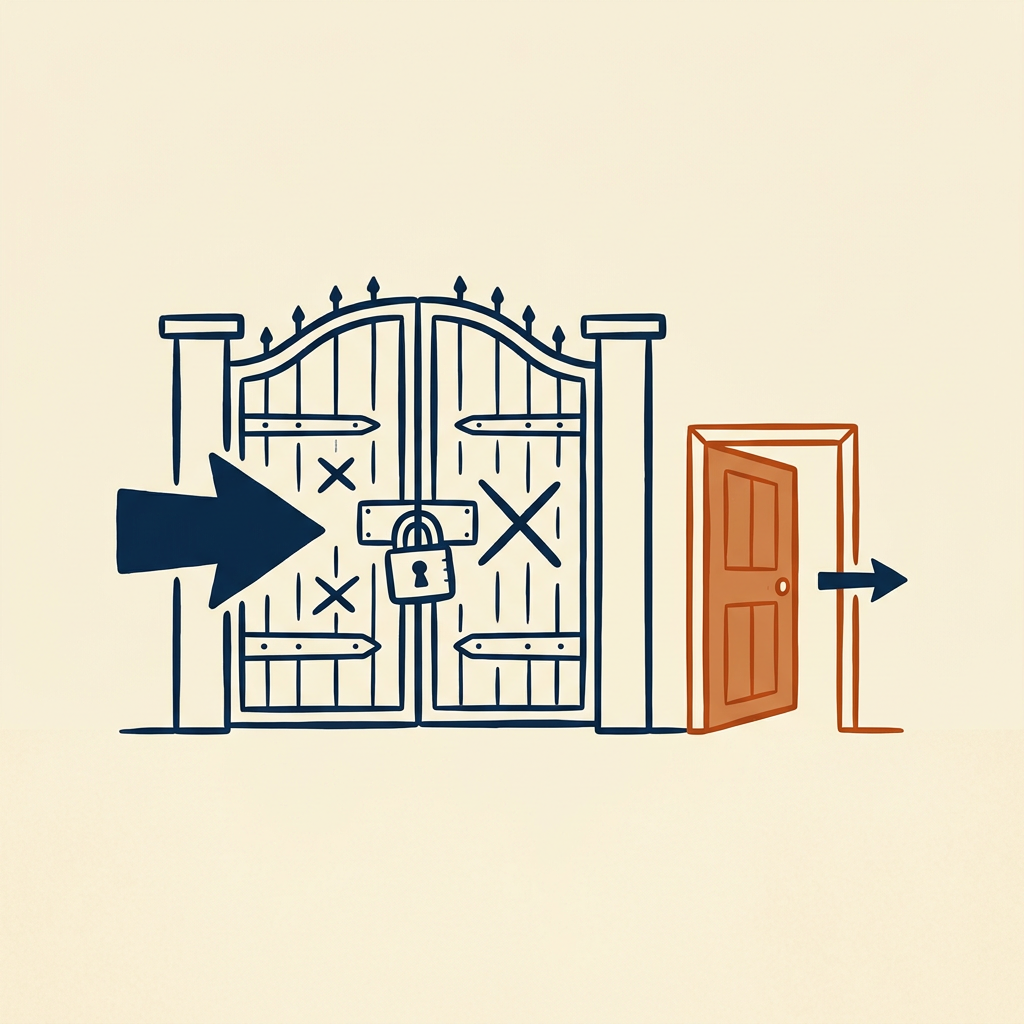
Once someone has said no—especially publicly—they often defend the no independent of whether they still believe it, because reversing feels like losing face. The task is not a superior case for yes; it is a path to yes that does not require confessing the original no was wrong.
Reframe new information as changed circumstances rather than proof they erred. Explicitly credit the reasonableness of their original position given what was known then. Offer an exit ramp they can frame as their own idea, tying back to ownership through questions.
The uncomfortable claim for argument-first negotiators: ego management often decides outcomes more than factual superiority. Ignore face and even a stronger case fails to move a stated position.
In practice: A business partner had flatly rejected a deal; the negotiator validated the original concerns as legitimate at the time, then introduced changed circumstances so revisiting made sense now—letting the partner say yes without loss of face.
8
Frame without judgment
Identical content lands opposite ways depending on whether phrasing implies a verdict on the listener’s character.
Character verdict
You’re not listening; implied flaw; defensiveness first
Impact and care
This approach isn’t landing; plus the phrase that lowers the real worry
After earning the right to be heard, delivery still matters. Feedback and requests should be framed as impact and shared goals, not blame or character—because identity threat shuts processing down before content is evaluated.
Goulston also values giving people ‘the phrase they need to hear’: a short line that addresses their likely internal worry directly, lowering threat so substance can follow. That requires the accurate emotional diagnosis built earlier.
He warns against overcorrecting into vague niceness that avoids the point. Precision about content plus care about framing—not dilution—is the target. Most managers miss the narrow band between wounding bluntness and useless soft focus.
In practice: Say the approach is not landing with the client rather than that the person is not listening; tell a nervous new hire they are not expected to have it figured out yet before corrective feedback.

9
Practice until automatic
Under real pressure people revert to their most practiced response; the sequence only works when it is a drilled default, not an effortful technique.
Closing the book, Goulston faces the gap between knowing the method and using it when adrenaline peaks. Most readers will fail in the moments that matter—not from disbelief, but because stress resurfaces arguing or withdrawing if those are the practiced paths.
His fix is deliberate low-stakes repetition of the feeling-heard loop and self-management in minor conversations, so the pattern is available before a crisis consumes cognitive bandwidth. Hostage negotiators drill routine moves for the same reason.
He restates the integrated sequence—manage yourself, sync, reflect accurately, ask rather than tell, only then move content—and warns that skipping any step under pressure reintroduces the resistance chapter one diagnosed. Insight alone is not the fix; habit is.
In practice: Negotiators train routine techniques extensively so they do not have to invent them during an actual crisis when attention is consumed by threat.
Key terms
- persuasion reflex The urge to argue harder and pile on facts when someone pushes back—usually deepens resistance.
- amygdala hijack Goulston’s shorthand for the defensive brain state where reasoning goes offline and self-protection takes over.
- feeling-heard loop Listen for the emotion under the words, name it back accurately, let them confirm or correct until they feel registered.
- emotional alignment Getting nervous systems into a similar, calmer state before trying for agreement on facts or plans.
- walk me through it A genuine request that someone narrate their own reasoning so gaps and ownership surface without your lecture.
- face-saving exit A path to reverse a no that does not require admitting the original no was a personal mistake.
- the phrase they need to hear A short line that directly lowers the listener’s likely private worry so they can take in what follows.
What to do
- Spend sixty seconds alone before your next hard talk noticing irritation or anxiety and let it settle before you speak.
- When someone complains or objects, name the specific feeling you hear out loud and let them correct you before any solution.
- Replace one planned statement with a genuine question that asks them to walk you through their reasoning—and listen to the answer.
- If they already said no, acknowledge their original position as reasonable given what they knew, then introduce only what has changed.
- Drill the feeling-heard loop once in a low-stakes chat this week so the move is available when stakes rise.
Questions to think with
- Where do I still default to the persuasion reflex, and what resistance does it reliably produce?
- What is the hidden fear or need under the hardest person I deal with regularly?
- Am I offering face-saving exits, or demanding people admit they were wrong before they can move?
- Which part of the sequence—self-settle, sync, reflect, ask—do I skip first under pressure?
- Is this conflict mainly emotional safety, or a real clash over resources and power that listening alone will not fix?
The other side
The hostage-negotiation frame is the book’s strength and its central weakness: everyday fights over pay, labor, or competing interests are not asymmetric crisis talks, and treating every resistant person as someone who mainly needs validation can obscure real conflicts no amount of reflection will resolve. Evidence is almost entirely anecdotal; amygdala-hijack and mirror-neuron claims are simplified pop neuroscience treated as settled. Techniques also assume the reader has standing, time, and safety to slow a conversation—often false for subordinates facing an abusive boss—and the thin line between genuine empathy and instrumental empathic language for compliance gets little ethical scrutiny. Feeling heard does not fix structural disputes over credit, resources, or authority.
Who it's for
Managers seeking buy-in from defensive employees, salespeople and negotiators stuck with distrustful counterparts, and anyone trapped in recurring unproductive arguments with a spouse, teenager, or difficult relative—provided they have enough power and safety to slow the conversation and are willing to practice the sequence until it is automatic.