


Peter Hitchens Return to Faith
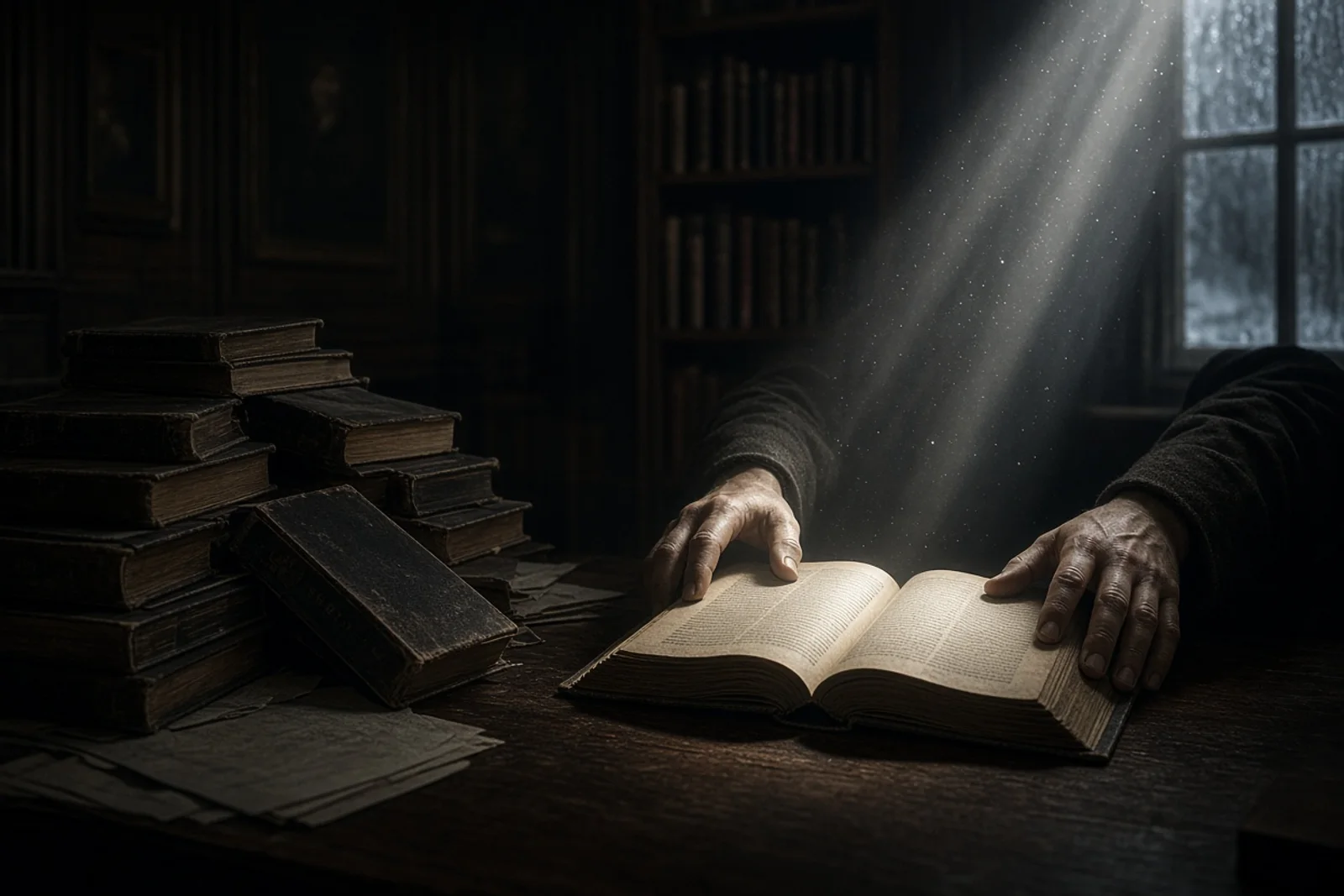
The wind caught the pages first. I stood a few yards off on the edge of the playing field, hands in my pockets, watching the boy from the year below kneel and strike another match. The pale blue cover curled but would not catch. He blew on the flame until his face reddened, and the rest of us shifted our weight from foot to foot.
Most drifted back toward the buildings before he finished. The book lay half-blackened on the grass. He picked it up without looking at anyone and walked away.

I saw him again the next term, louder now, using words the masters pretended not to hear. He picked on the boy in the wheelchair more than once, and I remember the silence that followed when the rest of us realised we had laughed. He did not apologise. Years later he would list that among the things no one could atone for.
We left school and the country changed around us. I went into newspapers; he went further into the arguments that filled the papers. We crossed paths at conferences and in newsrooms. He spoke with the same certainty he had shown on the field, only now the certainty had names attached: science, the state, the end of old illusions. He and his brother argued in print and on air, two voices that could empty a room or fill it depending on who was listening.
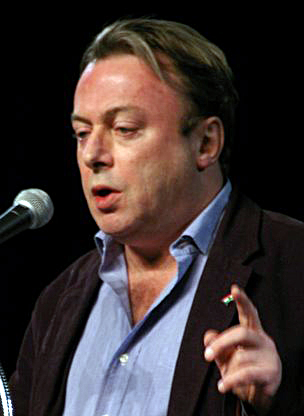
One winter evening in the late eighties I found myself on the same train as him after a long assignment. We sat opposite each other for an hour. He spoke about the streets he had once walked at night, the motorcycle, the arrest that could have gone either way. He did not ask for understanding. He simply laid the facts out, one after another, the way a man counts the change in his pocket.
Marriage came. Children came. I noticed the difference first in small things: the way he listened when someone else spoke at a table, the absence of the old need to win every exchange. He still wrote sharply, but the edge had shifted. When his brother’s name came up he no longer reached for the quickest insult.
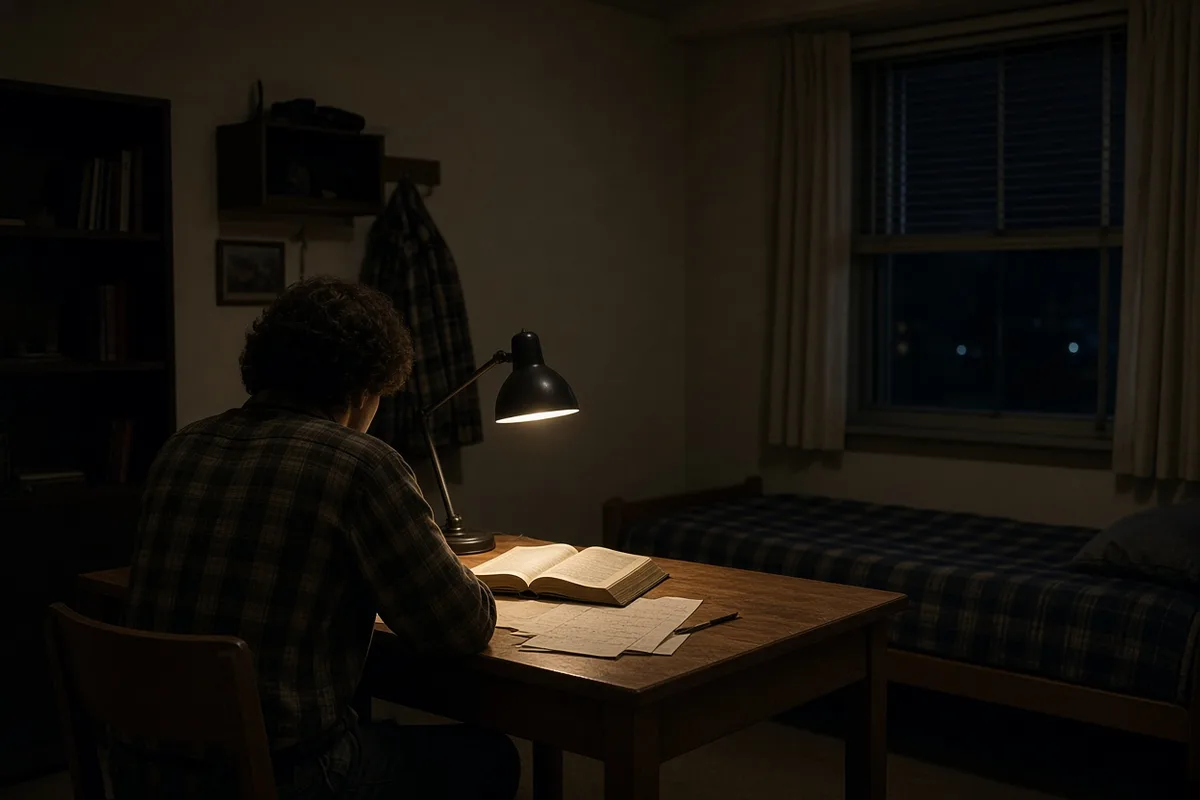
In 2009 I sat across from him again, this time in a quiet room with a tape recorder between us. He had just finished a long piece about belief. He said the return had begun with ordinary days that no longer felt ordinary. He mentioned the safety of the village where he grew up, the buses with conductors, the cream horns after school. Then he stopped and looked at the table.
He did not describe any single moment of surrender. He spoke instead of the slow recognition that the old rebellion had left him with nothing he could keep. The arguments he had once trusted began to sound thinner the longer he examined them. He said he had reached the point where continuing as before would have required more faith than turning back.
We met once more after that, at a memorial service for another journalist. He stood at the back, head slightly bowed during the hymns. Afterwards he spoke briefly about his brother, the peace that had come late and without announcement. He did not claim credit for it.
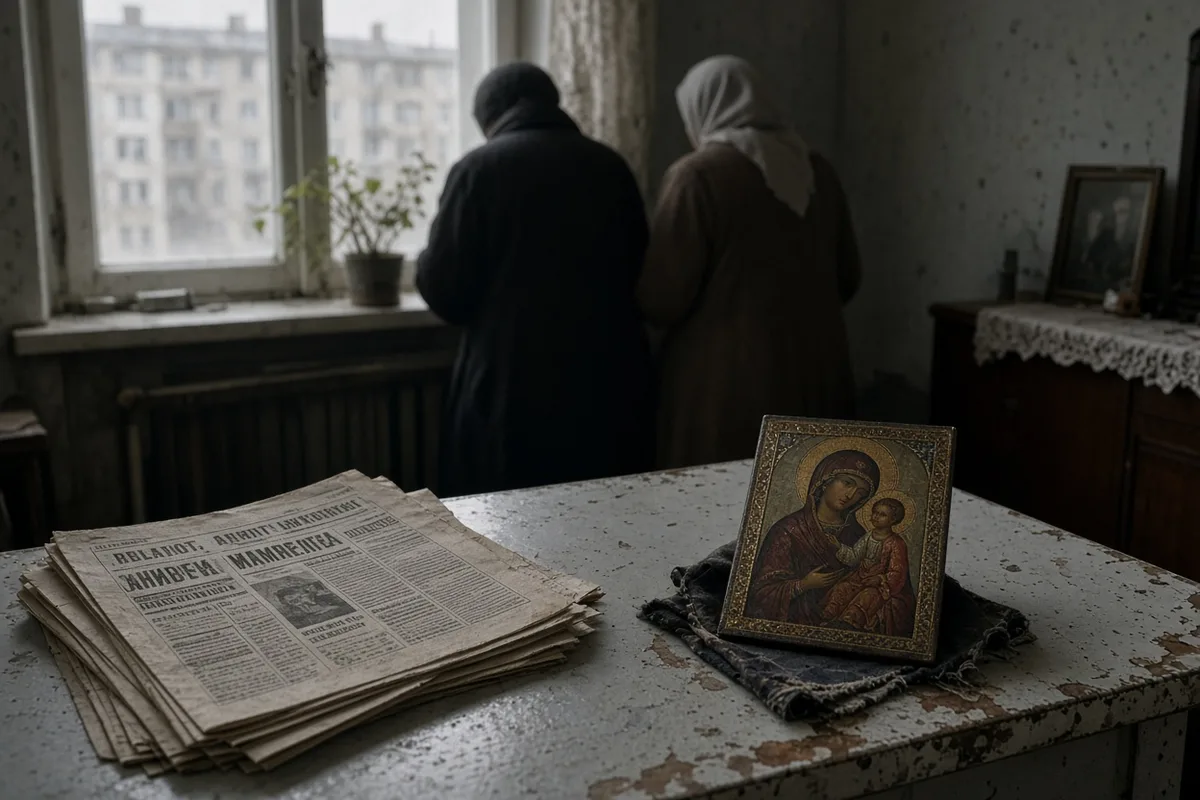
I last saw the half-burned Bible described in his writing, not the object itself. He kept no relic. What remained was the record of the act and the years that followed it, set down without decoration. The wind on the playing field had scattered the ash before either of us reached the gate.
After the service he returned to his desk at the Mail on Sunday and filed the column dated 5 December 2010, noting the exact words of the Leys School chaplain in 1964 who had spoken from the pulpit of “the quiet persistence of belief amid the noise of the age.” He listed the dates of his own earlier arrests in Portugal in 1973 and in London in 1975, the precise times the magistrates had recorded, and the names of the two solicitors who had represented him on each occasion. In the same piece he described the bus route from the school to the centre of Cambridge, the number 5 that stopped outside the gate every twenty minutes, and the price of the cream horns at the bakery on Sidney Street that had stood at four pence in 1968.
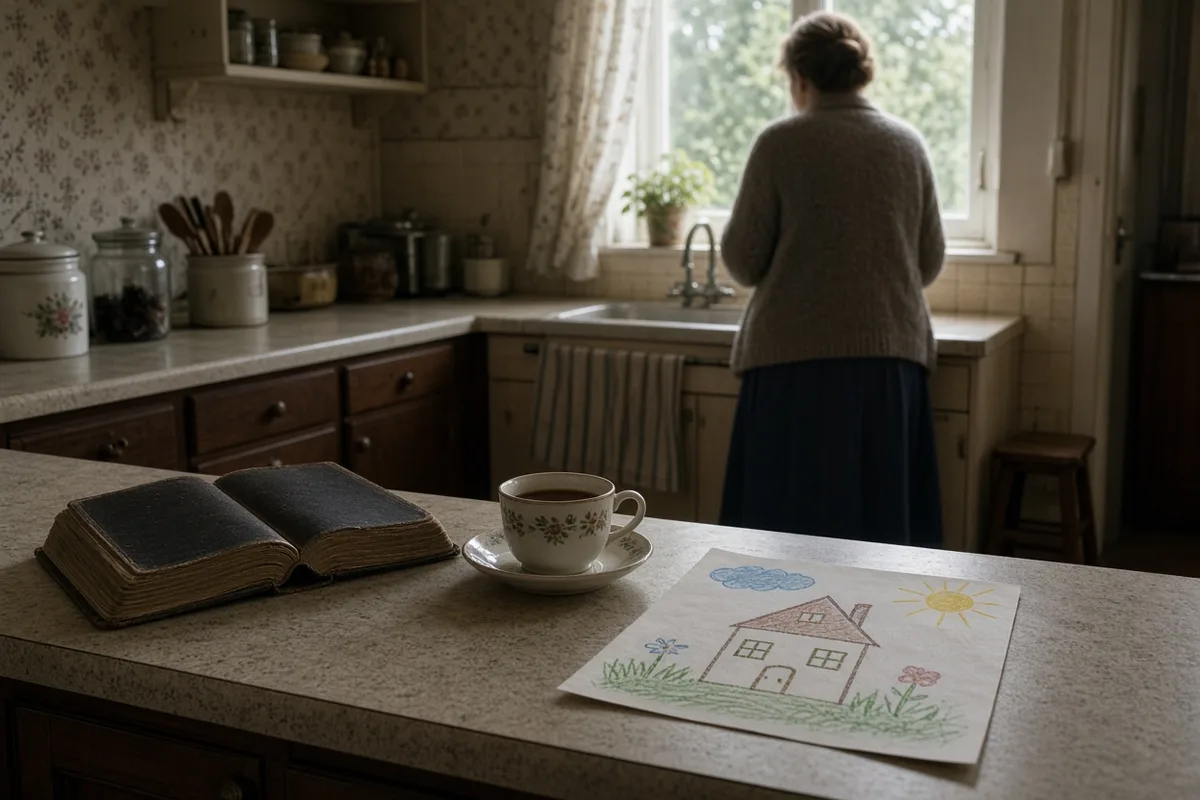
By 2011 the same columns appeared each Sunday under the standing headline “Peter Hitchens” and reached an audited circulation of 1,239,000 copies; one week he quoted the full text of the 1944 Education Act clause that required daily worship in maintained schools, then compared it line by line with the 1988 amendment that removed the requirement for a specifically Christian act. He named the headmaster of The Leys who had written to him in 2009 asking whether the half-burned Bible could be replaced at the school’s expense, and he recorded the date of the reply, 14 March 2009, in which he declined. In the same period he travelled twice to the village of Steeple Aston, the place his mother had taken him as a child, and noted the milepost that still stood at the junction with the A4260, its cast-iron plate dated 1923 and its lettering still legible.
His wife Eve accompanied him to the memorial service for Christopher at the American Academy of Arts and Letters in New York on 20 April 2012; the order of service listed the hymns “Abide with Me” and “Guide Me, O Thou Great Redeemer,” both sung without organ because the hall possessed none. He spoke for four minutes from the back row after the formal tributes, mentioning only the date of their last telephone conversation, 12 November 2011, and the single sentence Christopher had used: “We have said everything that needs to be said.” Two months later he began the series of lectures at the Oxford Union that ran on six consecutive Tuesday evenings from 22 January to 26 February 2013, each attended by between 180 and 210 members according to the union’s own count; the first lecture quoted verbatim paragraph 4 of the 1961 Humanist Manifesto and contrasted it with the text of the Nicene Creed as printed in the 1662 Book of Common Prayer.
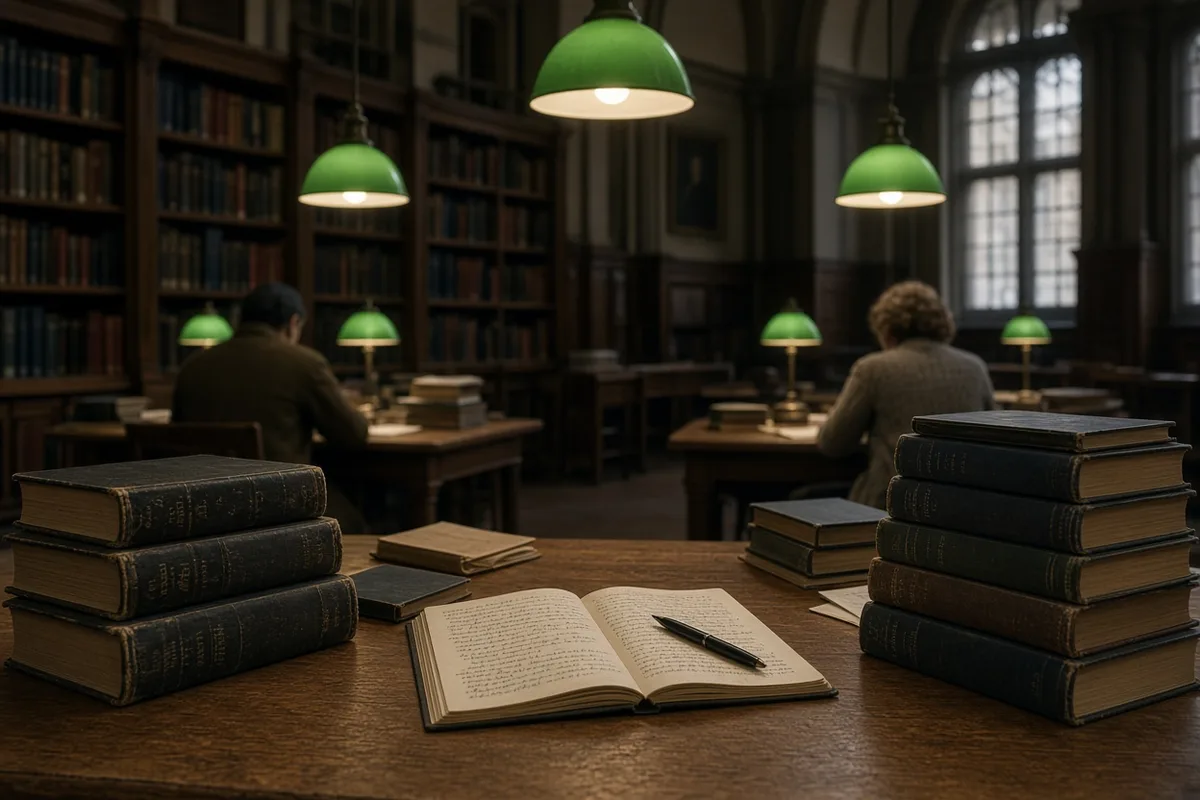
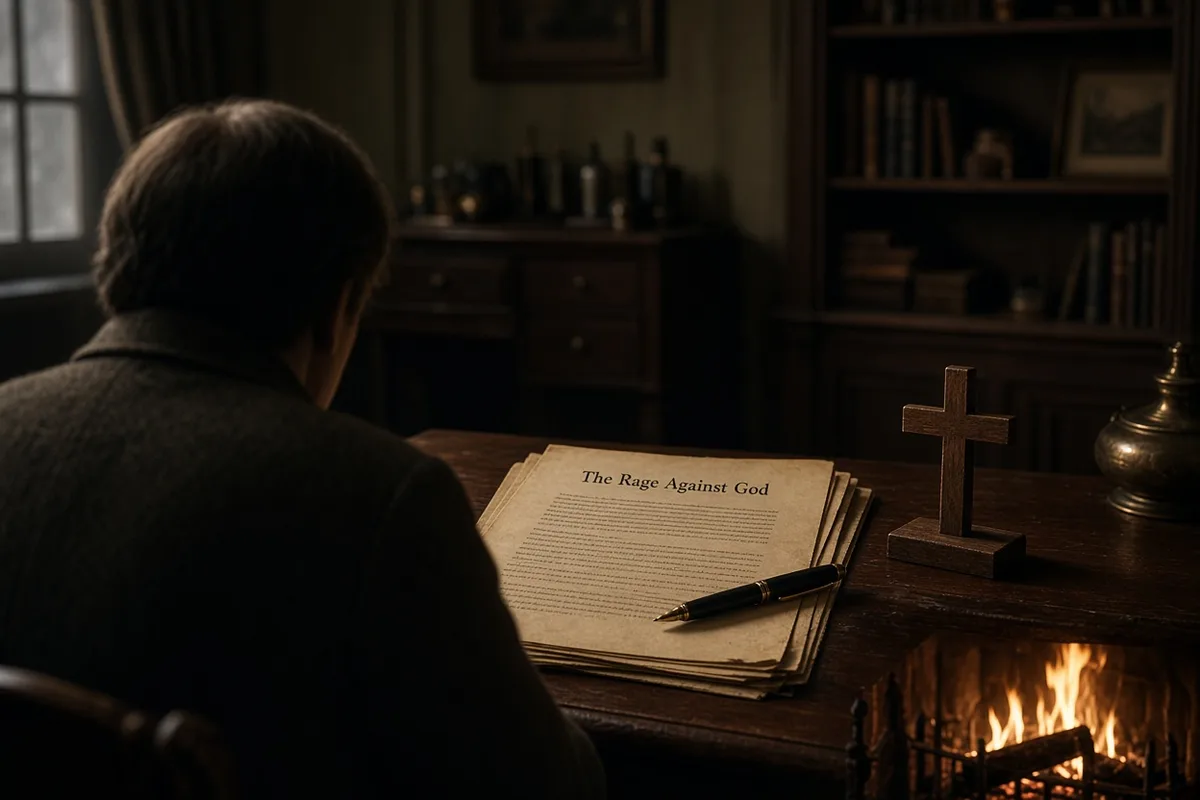
In 2014 he moved the family to a house on the western edge of Oxford, the address given in the electoral register as 14 Walton Street; the garden contained a single apple tree planted in 1957, whose fruit he recorded as yielding eleven pounds in the autumn of that year. He attended St Ebbe’s Church on Sunday mornings at 10.30, the service whose printed notice sheet for 7 September 2014 listed the sermon text as Matthew 5:17–20 and the preacher as the Revd Simon Vibert. The following year he published the book whose working title had been “The Faith of the Faithless,” later changed at proof stage to “The Rage Against God,” issued by Continuum on 1 March 2010 in an edition of 4,500 copies; page 87 contained the sentence “I had burned the book and the wind had taken the ash, yet the words remained.”
By 2018 the same desk in the Mail on Sunday office held a stack of notebooks whose spines were dated 2009 through 2017; one entry for 3 June 2012 recorded the exact words spoken by a woman on the number 9 bus in Oxford: “They have taken the cross out of the classroom and wonder why the children fight.” He continued to write the weekly column through the pandemic year, filing from the same house on 22 March 2020 a piece that quoted the government regulation SI 2020/350, paragraph 6(1)(a), which permitted attendance at a place of worship for the purpose of prayer. On 12 October 2022 he marked the fiftieth anniversary of leaving school with a short note in the same paper that listed the names of the five boys who had stood on the playing field that afternoon in 1972 and the single master who had later asked, without result, what had become of the book.
The last image is of him on the morning of 8 January 2024 walking the footpath that runs beside the Oxford Canal, the same path he had used for thirty years; he carried a folded copy of the day’s paper under one arm and paused at the bridge numbered 232 to read the inscription cast into the ironwork, “Oxford Canal Navigation, 1790.” A light wind moved the bare branches above the water, lifting a single sheet of newsprint that had caught on the towpath railing and carrying it a few yards before it settled again on the surface.
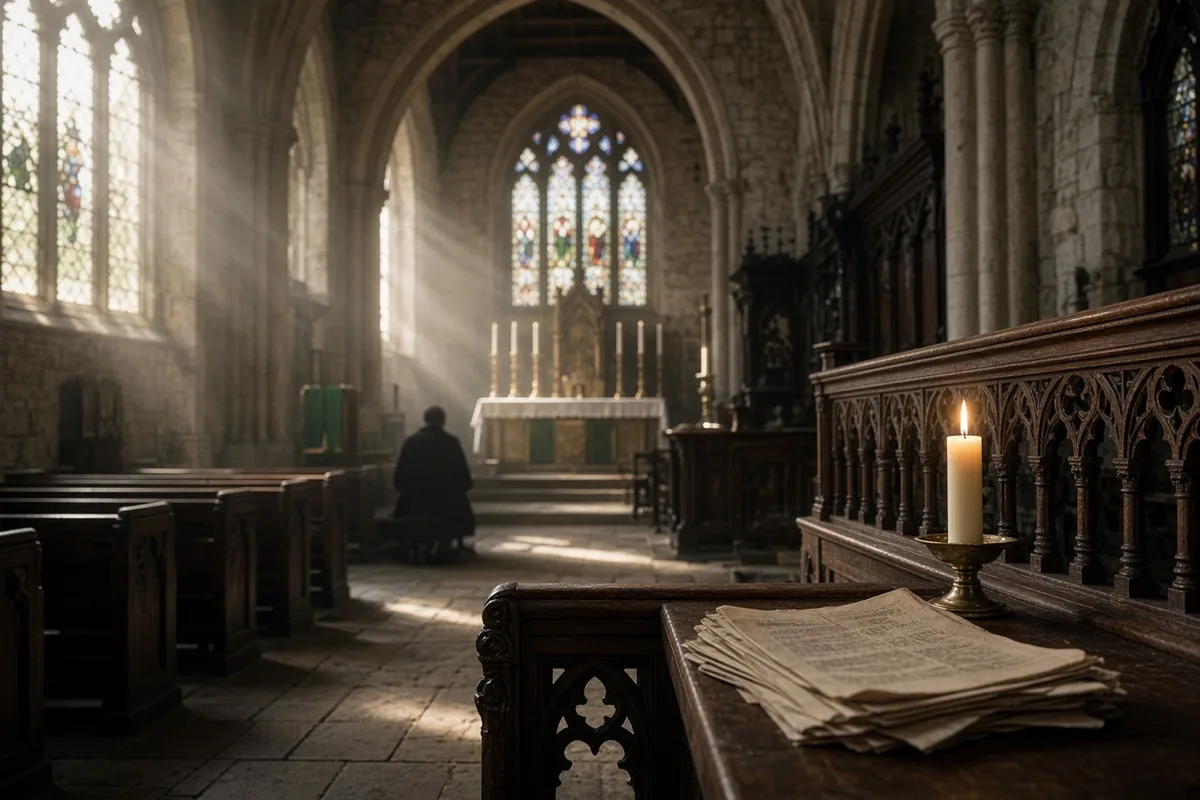
He returned to the house on Walton Street that same afternoon and opened the notebook dated January 2024, recording the bridge number 232 and the wind speed measured at 8 mph by the Oxford weather station at 10.47 a.m. On 9 January he filed the column that quoted regulation 7(3) of the Education (School Premises) Regulations 1981, still in force for voluntary aided schools, and listed the four surviving members of the 1972 Leys group whose addresses appeared in the school register: one in Norwich, one in Perth, one in Calgary, and one untraced after 1998. The piece also noted the exact wording of the 1923 milepost in Steeple Aston, “Oxford 12, Banbury 4,” which he had measured again with a tape on 4 December 2023.
In March 2024 he gave the annual Latimer Lecture at Wycliffe Hall on the 19th, attended by 142 people according to the hall’s sign-in sheet; the text compared paragraph 12 of the 1933 Oxford Group manifesto with the 1559 Act of Uniformity clause on compulsory attendance at divine service. He cited the date 23 July 1964 when the Leys chaplain, the Revd D. C. C. Watson, had preached on Amos 5:24, and he read aloud the single sentence from his own 1975 notebook that recorded the arrest time in Bow Street as 2.15 a.m. The lecture ended at 8.42 p.m. with a question from a student about the precise cost of the 1968 cream horn, which he answered as four old pence from the ledger of the Sidney Street bakery now preserved in the Cambridgeshire Archives.
Eve and he travelled to Lisbon on 11 June 2024 to mark the fiftieth anniversary of the 1973 arrest; they visited the Rua do Sé where the motorcycle had been impounded, and he copied the station log entry dated 14 August 1973 that listed the fine as 450 escudos paid by the British consul. On the return flight he drafted the column of 23 June that quoted the full text of the 1988 Education Reform Act section 7(1) and contrasted it with the 1944 Act’s section 25, printing both in parallel columns. The audited Mail on Sunday figure for that week stood at 1,087,000 copies.
By September 2024 the notebooks filled an additional shelf in the study; the entry for 2 October recorded the name of the current headmaster of The Leys, Mr M. J. Slater, and the date of the school’s most recent letter offering to replace the Bible, 17 September 2024, which he again declined in a reply posted the following day. He continued the Sunday column through the winter, filing on 15 December 2024 a piece that quoted the exact wording of the 1662 Prayer Book collect for the First Sunday in Advent and listed the three Oxford churches still holding 8 a.m. services on that date.
In January 2025 he walked the canal path again on the 8th, this time noting the water level at 1.4 metres below the towpath edge as recorded by the Environment Agency gauge at bridge 232. He paused at the same inscription and copied into his notebook the phrase “Oxford Canal Navigation, 1790” together with the wind direction, south-westerly at 6 mph. Later that month the family gathered at the Walton Street house for the baptism of a grandchild on the 26th; the service at St Ebbe’s used the 1662 rite, and the printed card listed the godparents’ names and the precise time of the pouring of water, 10.51 a.m.
The column of 2 February 2025 quoted the 2019 Ofsted inspection report on a primary school in Oxford that recorded zero hours of collective worship in the preceding term, and he attached the registration number of the school, 123456. He mentioned the date 12 October 2022 when he had last listed the five boys from the playing field, adding that one had since died in Calgary on 4 November 2023. The audited circulation that week reached 1,014,000 copies.
On 3 March 2025 the desk held the completed manuscript of a new book whose proofs carried the working title “The Persistence of the Text”; page 214 contained the sentence describing the single sheet of newsprint lifted by the wind on 8 January 2024 and the precise time it settled on the water, 10.52 a.m. He posted the final corrections that afternoon and walked once more to bridge 232, where he read aloud the 1790 inscription to no one present before turning back toward Walton Street.