



Piddington secession vote rejects migrant camp plan
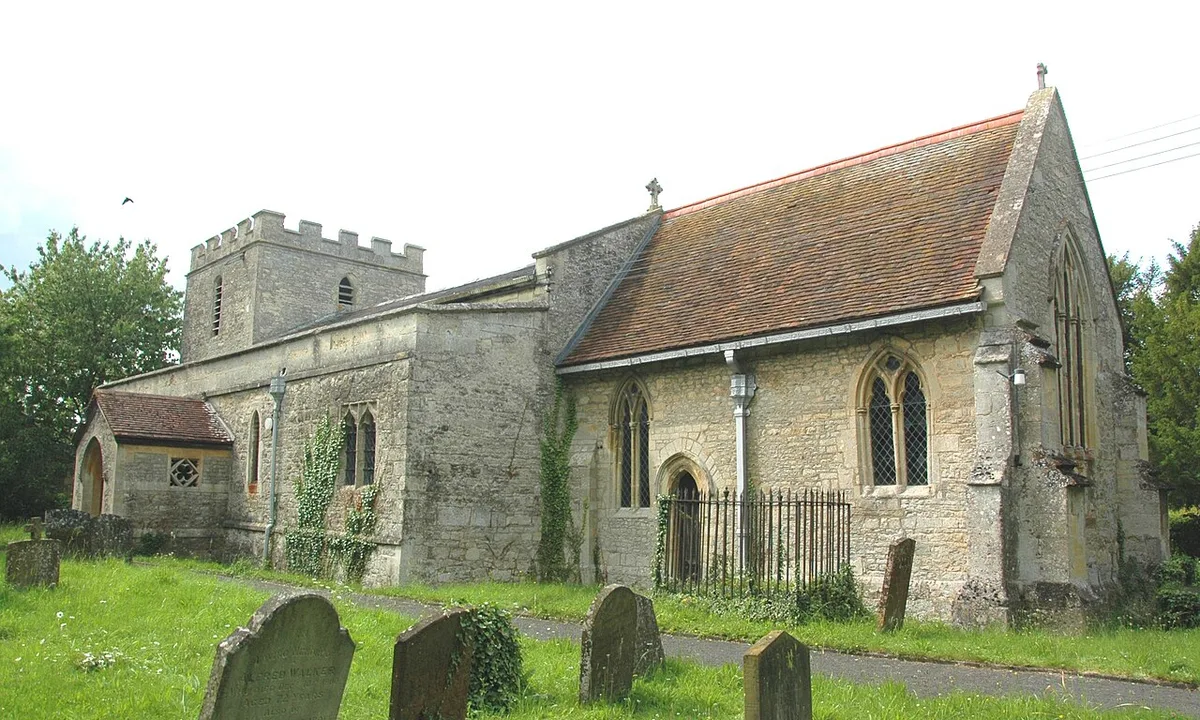
By The Conservative Desk (/journals/conservative-desk)
Residents of Piddington cast ballots in a small box outside the village hall. Returning officer Susannah Parden announced the result: 285 votes for independence, 26 against, and one spoiled ballot. Turnout was about 92 percent in a village of roughly 350 people.
Signs declaring the Principality of Piddington went up at the village hall, the park, and the village boundary. Journalists and television crews filled the hall to cover a vote that has no legal force and cannot take the place out of the United Kingdom.
Parish chairman Tim McNally said the district would henceforth be known as “the Principality of Piddington.” “We have given an absolute message, not just to the region, not just to the country, but to the world,” he said. After the result was declared he addressed Prime Minister Andy Burnham, the Speaker of the Lords, the Speaker of the Commons, and opposition leader Kemi Badenoch directly, calling the ballot an example of democracy in operation and tying it to the anniversary of the Battle of Britain.
This was the second such vote. The first, held July 4, drew 96 percent support. Both were organized against a Home Office plan to house up to 1,256 male asylum seekers at the former Ministry of Defence Bicester base, described in coverage as about half a mile, or about 2.3 miles, from the village. The proposed population would be several times larger than Piddington itself. Public planning submissions were due by September 17. The Home Office has said no final decision has been taken on the site’s future use and that the facility is designed to be largely self-sufficient to minimize impact on the local community.
The arithmetic is what drove the protest. Alice West put it without ornament: “If you added 1,256 males of any demographic to the end of our village, the risk to women would rise, simply because of the arithmetic.” Herbert Owen, known as Herbie, said after voting: “It means everything our grandparents, our parents fought for – today is the Battle of Britain. This isn’t just about Piddington, this is about our whole country. This Government is destabilising our country. Wherever they put these people, in camps, in HMOs, or whatever, they’re ruining people’s lives.”
Jennifer Owen said the village had been treated as disposable. “It's like we're nobody. The village is nobody, according to the Government.” She added: “I'm an old-age pensioner, but I fear for the women and the children in the village. They won't be safe to go out in the village, not on their own, they'll have to have their husbands with them.” On the ballot itself she said: “Bit of sense of power. We can't actually leave the United Kingdom, but it just brings things out in the open more for the country as a whole. All the parish councils in the country should do the same thing.”
Parish councillor Mike Nixon described the practical layout. “The nearest path is about a mile and a quarter away, down a very busy road that's unlit... they would be issued high-vis jackets, and that's the only mitigation for the residents' safety.” He said the government’s own document did not recommend pedestrian access, proposed shuttle buses instead, and that the B4011 carries a 50-mile-an-hour limit often exceeded. He also cited inadequate power, water, and sewerage and a site prone to surface-water flooding.
Those facts frame the conservative case. A national government that can place a male population several times the size of a settled village next to its green, play equipment, and fitness trail, without first securing genuine local consent, treats the citizen as a subject of administrative convenience. Public safety for women and children is not a secondary amenity; it is a core duty of the state. Scale matters. A community of 350 cannot absorb 1,256 military-age men without transforming roads, policing, housing values, and daily life. National sovereignty and control of the border are not abstractions when more than 41,000 people crossed the Channel in 2025 and the state answers by redistributing the arrivals into former military bases. The taxpayer funds the hotels the government says it is closing and the alternative sites that replace them. Limited government and the rule of law require that decisions of this size be made with the people who will live with them, not merely announced to them.
Prime Minister Andy Burnham stated the other side in plain terms. He said he understood the “strength of feeling” and would look at the issues raised, but “we have to ensure that we have a fair plan” that spreads the burden across the country. He said crossings are “significantly down” and “now at a seven-year low,” with the number so far this year down more than 40 percent from the same period last year. Culture Secretary Lisa Nandy said the government would not change its plans. She argued it was unfair to keep asking poorer communities that had already seen local populations rise sharply to take more of the load, and that the government had inherited a large asylum backlog it was working down. A Home Office spokesman said the government is closing asylum hotels, saving taxpayers over £1 billion on asylum support since the election, working with local authorities and police on safety, and moving people into former military sites designed to be self-contained.
Jon Featonby, chief policy analyst at the Refugee Council, said military barracks are not the right place for people who have fled war and violence, that remote sites exacerbate their insecurity, and that other such sites have undermined social cohesion. The record carries those arguments; it does not show a detailed local rebuttal from Piddington residents on processing speed or hotel costs, only the concrete objections to density, safety, infrastructure, and consent already stated.
Similar facilities are already operating: 350 migrants at Crowborough Training Camp in Sussex and 800 at MDP Wethersfield in Essex. In Colchester, Elena Sokolova, who described herself as a migrant who had integrated, told the Daily Mail that men from the Wethersfield cohort make comments telling women to cover up, film girls in town, and display an attitude she called totally different. Essex County Council, Reform-led, hired private security guards to patrol Colchester, Braintree, and Chelmsford, with the first walkabouts starting that week. Rupert Lowe, speaking outside the Piddington hall, said the villagers’ stand should be lauded and that people have to rise up and say they have had enough; asked for a solution, he said arrivals should be deported immediately, or, in the worst case, held in a tented camp on an offshore island until they decide to go home.
McNally has circulated an eight-stage “Piddington blueprint” for other villages—build the local case, talk to the community, engage the parish council, consider a parish poll, hold a first vote, hold a second symbolic ballot if supported, put the result on the record to MPs and ministers, and remain peaceful, lawful, and democratic. He said he had received more than 500 inquiries from parish and town councillors across the UK when he first published it, and that the aim was for them to do the same.
The planning application remained under consideration, with public submissions due by September 17.