



Big Bend Landowners Sue Over Trump Border Wall Plans
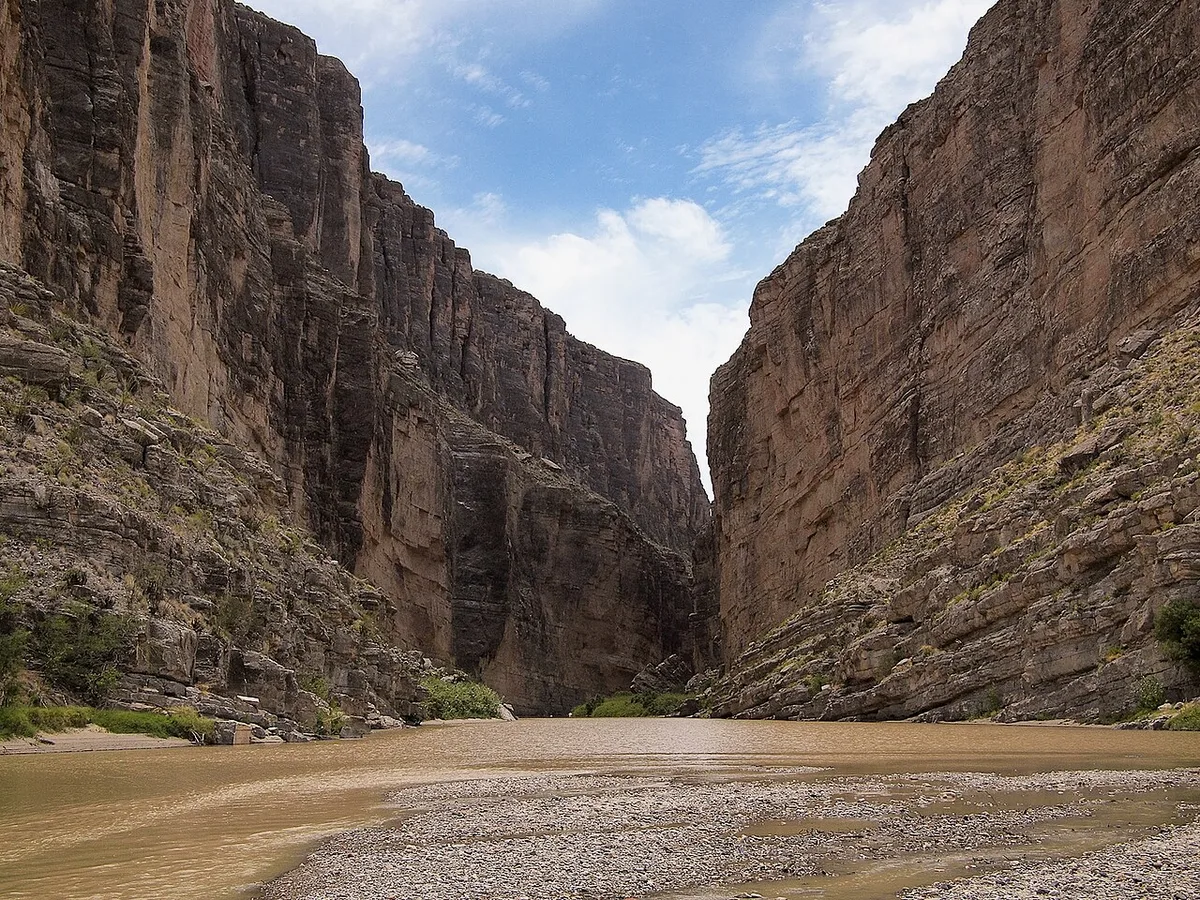
On September 14, 2026, six named landowners and nonprofit Conserve Big Bend, representing 230 additional landowners, filed suit in U.S. district court in Washington, D.C., against DHS, CBP, Secretary Markwayne Mullin, and CBP Commissioner Rodney Scott. They seek to block border wall and related construction in Texas’s Big Bend region, part of a $46 billion program of 30-foot steel bollard walls, vehicle barriers, roads, lighting, and technology across roughly 2,000 miles of the U.S.-Mexico border. The same day, landowners, officials, two horses, and signs reading “don’t tread on me” and “don’t mess with Big Bend” gathered at a Marfa press conference; Yolanda Alvarado stood with her sons. Plaintiffs say DHS wrongly designated Big Bend an area of “high illegal entry” under the 1996 IIRIRA, unlocking waivers of environmental, cultural, and other laws. CBP data show 3,096 Big Bend apprehensions in FY2025, down 74% from FY2023; the complaint states the sector has had the fewest annual apprehensions of any southwest sector for 53 consecutive years. Outlets differ slightly on the sector’s share of total southwest apprehensions (under 1.5% over five years; about 1.3% in FY2025; about 1%). Clara Bensen said hundreds are defending constitutional rights and generational land and that officials “cannot legally bypass the laws of this country by fabricating an emergency that does not exist.” Yolanda Alvarado said the wall would separate families from a cemetery or “our source of life, the river,” and that they “live every day on edge.” David Keller said access refusals delayed surveys and sent contractors home: officials were “woefully unprepared for the hornet’s nest they stirred up.” Lico Miller said lower farmlands, pastures, a ranch house, and out-buildings would likely fall behind the barrier. Bob Krumenaker called the plans “insanity.” A February notice from Kristi Noem cited more than 89,000 Big Bend apprehensions over five fiscal years plus drug seizures; plaintiffs say multi-year totals obscure the decline and do not prove high entry. Since February, landowners have received eminent domain letters; CBP warned the Pineda family of condemnation after they refused access. DHS and CBP did not immediately comment. The court has 60 days to respond. Whether DHS lawfully authorized construction in this low-activity region remains for the court.
Where do you stand?