


Supreme Court to review federal home-distilling ban
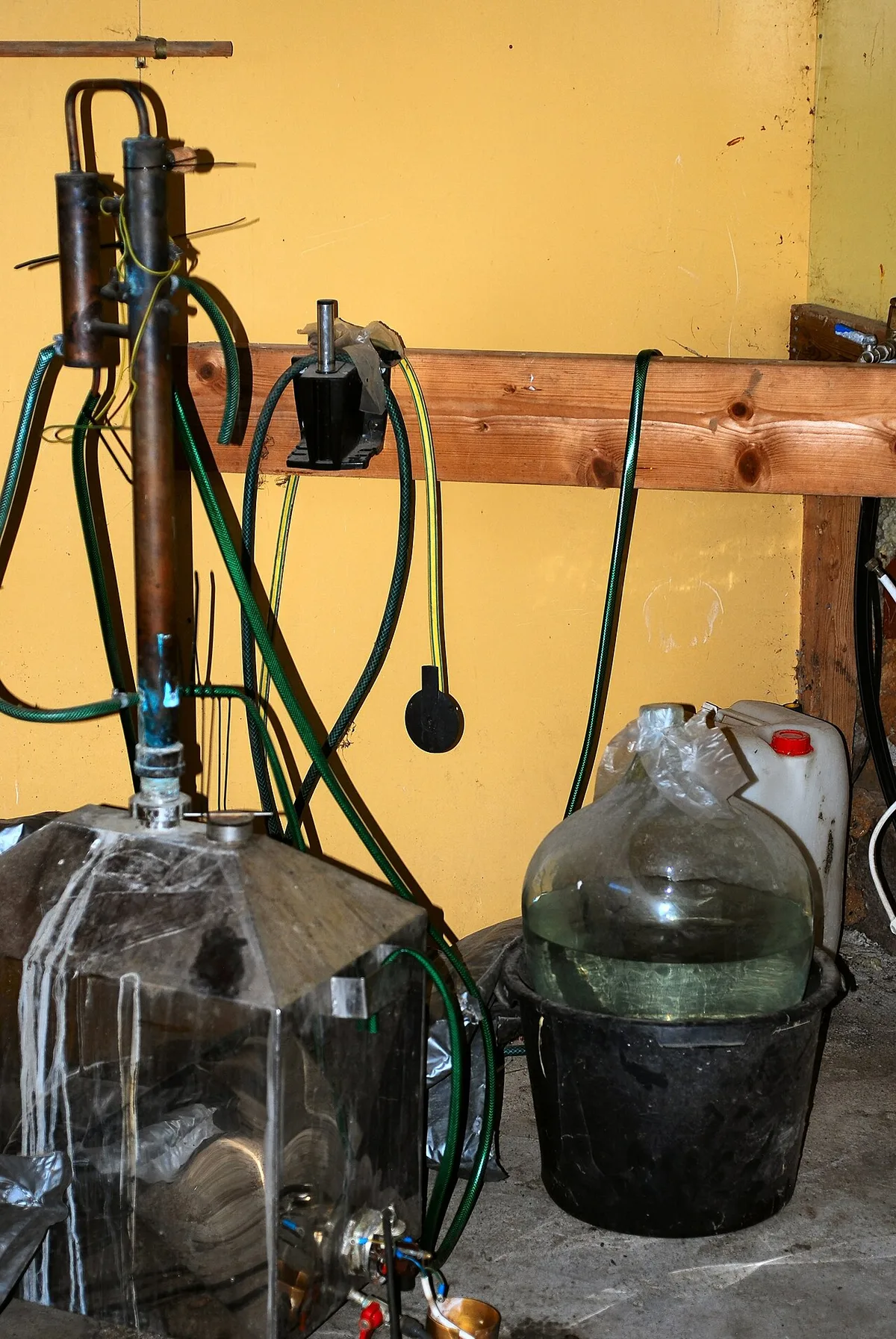
The Supreme Court on October 19, 2026 agreed to hear Department of Justice v. McNutt, 26-204, on the 1868 federal ban on distilling spirits at home. Penalties include up to five years in prison, a $10,000 fine, and forfeiture of home and property. The 5th Circuit struck the ban down in April; days later the 6th Circuit upheld it as a necessary and proper means of collecting excise tax. The Hobby Distillers Association and four of its 1,300 members sued after the Alcohol and Tobacco Tax and Trade Bureau said they could not get home licenses. Solicitor General D. John Sauer called the decision erroneous and said the government has a substantial interest in its authority to safeguard a significant source of tax revenue, arguing home stills more easily conceal operations and thwart inspections. Lawyers for the would-be distillers say there is no limit to the government's claim of power to criminalize local conduct that might conceal taxable activity. Fifteen Republican-led states including Ohio, Florida and Idaho backed them, writing that unlike a good whiskey, this split will not age well. An 1867 House report found at least seven-eighths of spirits went untaxed at a $2-per-gallon rate above market price. Arguments are expected in coming months, with a decision by late June or early July.