


Faith Leaders and Muslim Candidates Gain in Midterms
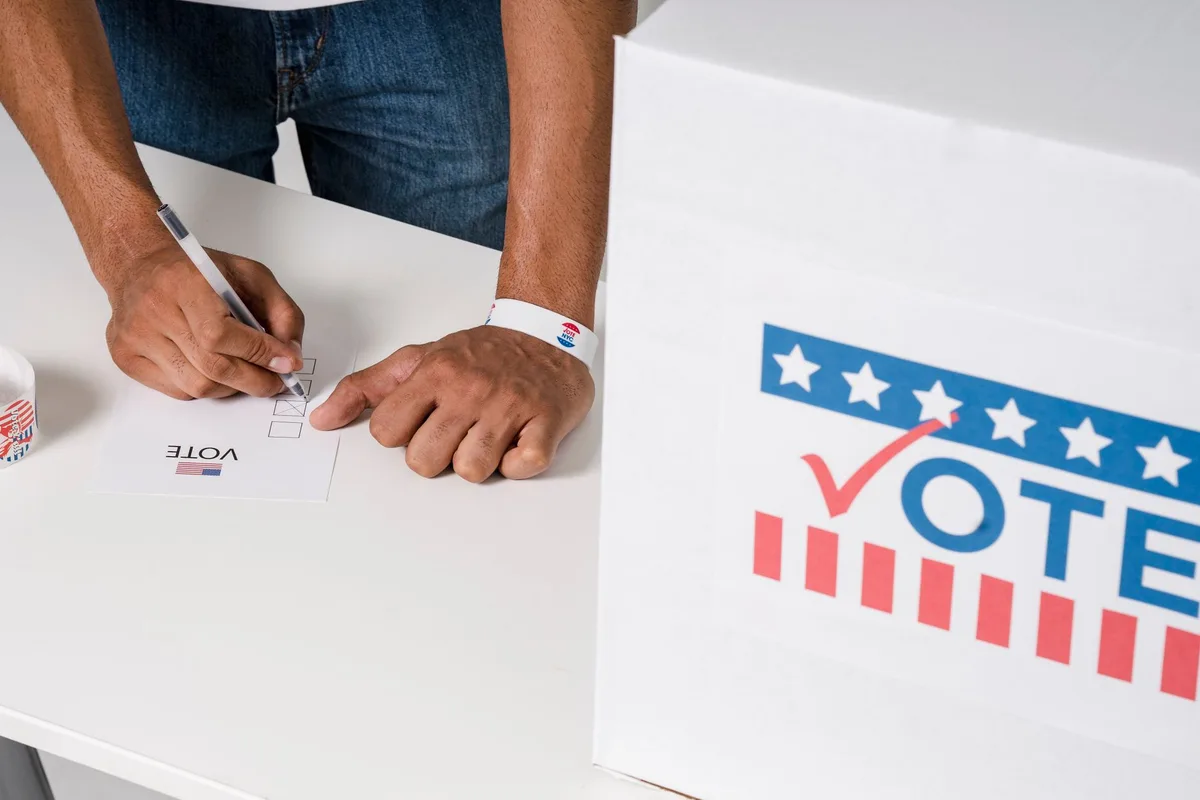
Democrats won broadly in the 2026 midterms, with one account linking the results to public anger over the Iran war, rising living costs and U.S. support for Israel. Progressive Christian candidates won prominent races in traditionally Republican states, including James Talarico in Texas, Adam Hamilton in Kansas, Rob Sand and Sarah Trone Garriott in Iowa; some emphasized compassion, social justice and the separation of church and state. Muslim candidates also made gains, including reported House winners Adam Hamaoui, Ilhan Omar, Rashida Tlaib, André Carson, Aisha Wahab and Lateefah Simon, while Abdul El-Sayed won Michigan’s Senate race and was reported as the first Muslim elected to the U.S. Senate. The wins fueled debate over clergy holding elected office and maintaining independence from partisan politics; organizers said candidates were increasingly comfortable using faith to reach voters and counter conservative religious messaging, though the results did not establish a unified progressive religious movement. Exit-poll analysis found Catholics shifting toward Democrats, white evangelicals remaining strongly Republican while forming a smaller share of voters, and Jewish voters being less overwhelmingly Democratic than in 2024. Commentators described the results as renewed democratic participation and appetite for a different political direction, with one interpretation attributing Democratic gains to practical Christian ethics such as doing good and treating others as one would wish to be treated.
Where do you stand?