



Post-9/11 Surveillance Expansion, Privacy Debate Persists
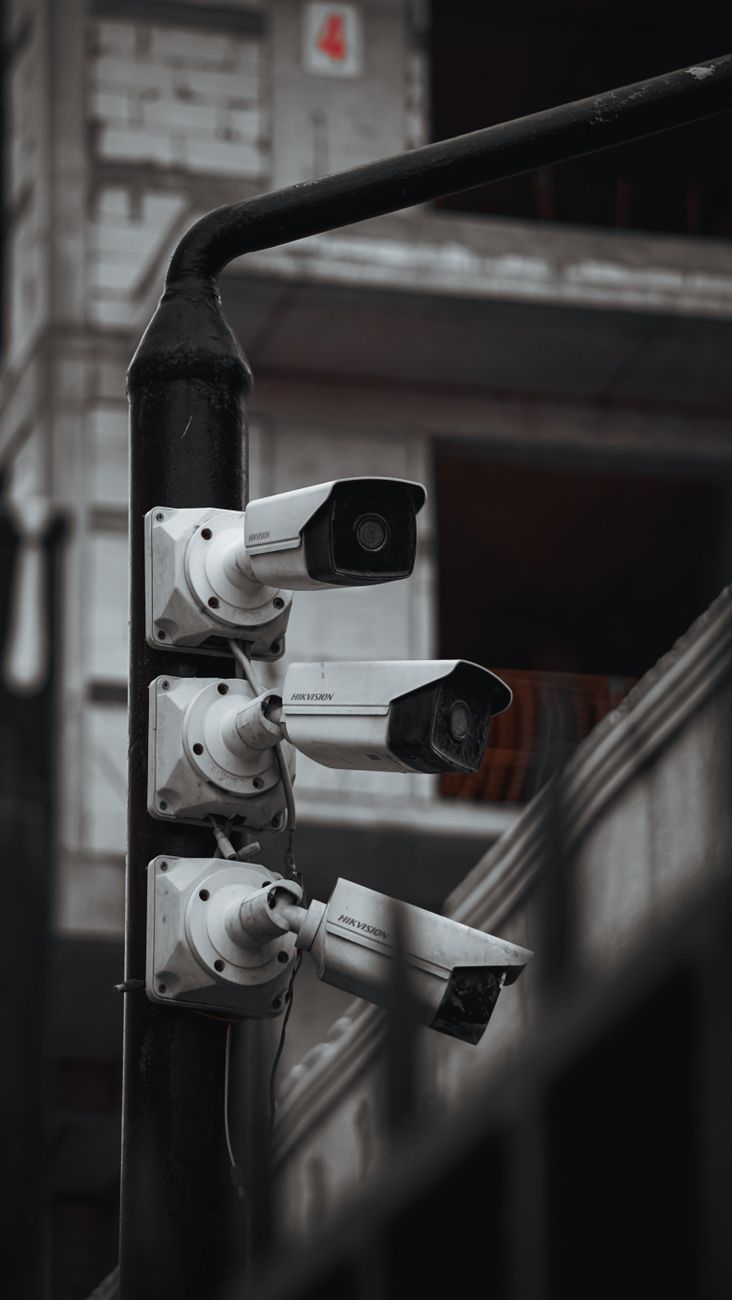
Twenty-five years after the Sept. 11 attacks, surveillance systems created or expanded in their aftermath have become embedded in American intelligence, policing and everyday digital life. Federal, state and local agencies now share information through task forces and fusion centers, while police use technologies such as license-plate readers, camera networks and cellphone-location data, with artificial intelligence increasingly able to connect and analyze vast databases. The expansion has drawn sustained criticism over privacy, constitutional protections and the disproportionate scrutiny faced by Muslim, Arab and immigrant communities. A Pakistani American family’s post-9/11 experience illustrates how suspicion affected ordinary people, while commercial technology has since replaced many informal forms of neighborhood surveillance with large-scale data collection. The debate remains active over Section 702 of the Foreign Intelligence Surveillance Act, which permits warrantless collection targeting foreigners but also sweeps up Americans’ communications and enables warrantless “backdoor” searches; critics warn that AI could make it easier to build detailed dossiers on innocent people.