



Pregnancy Rewires Brain Circuit Driving Food Cravings in Mice
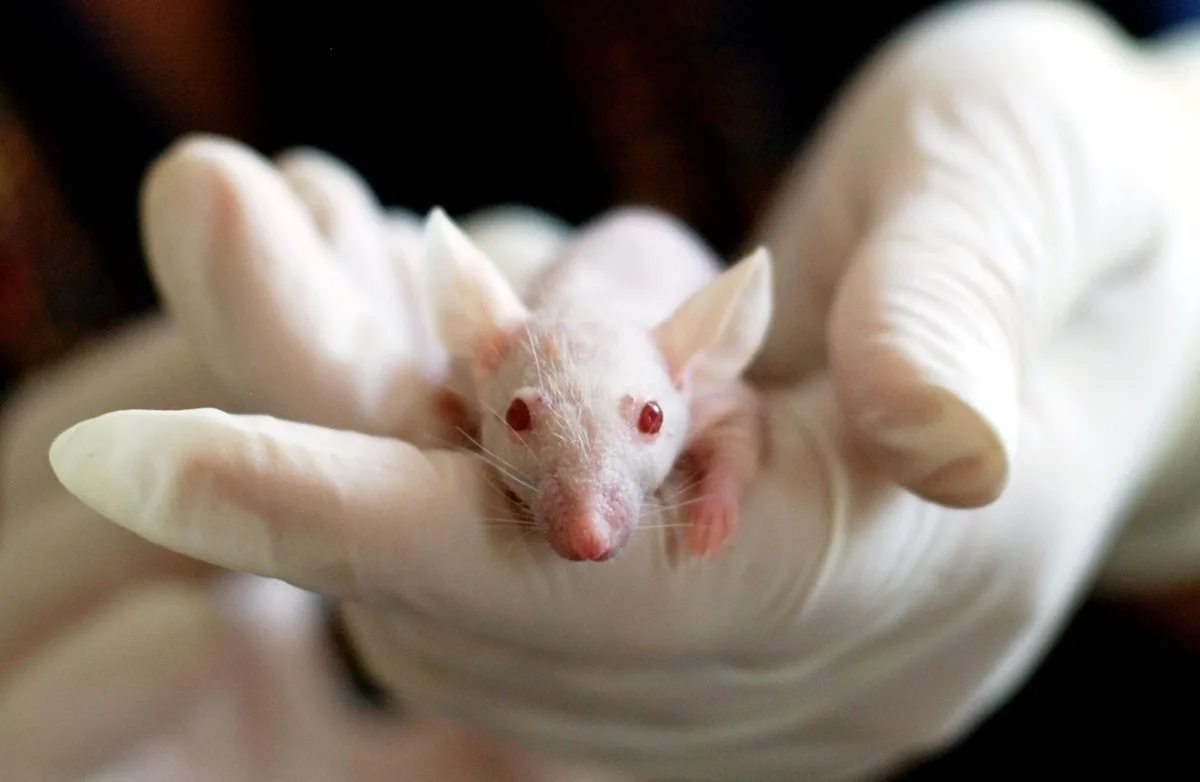
A study published in Nature Neuroscience suggests that pregnancy-related food cravings may arise from changes in a specific brain circuit, though the research was conducted in mice and has not yet been confirmed in humans. During pregnancy, increased activity of the SK3 potassium channel reduced the firing of serotonin-producing neurons in the dorsal raphe nucleus, leading to stronger pursuit of highly palatable foods. Removing SK3 from those neurons prevented the change, while increasing SK3 activity in nonpregnant mice produced similar food-seeking behavior. The researchers also identified a connection between these serotonin neurons and the brain’s ventral tegmental reward region; activating the pathway reduced craving-like behavior in pregnant mice.
Where do you stand?