



Property Tax Push Could Strain Local Budgets
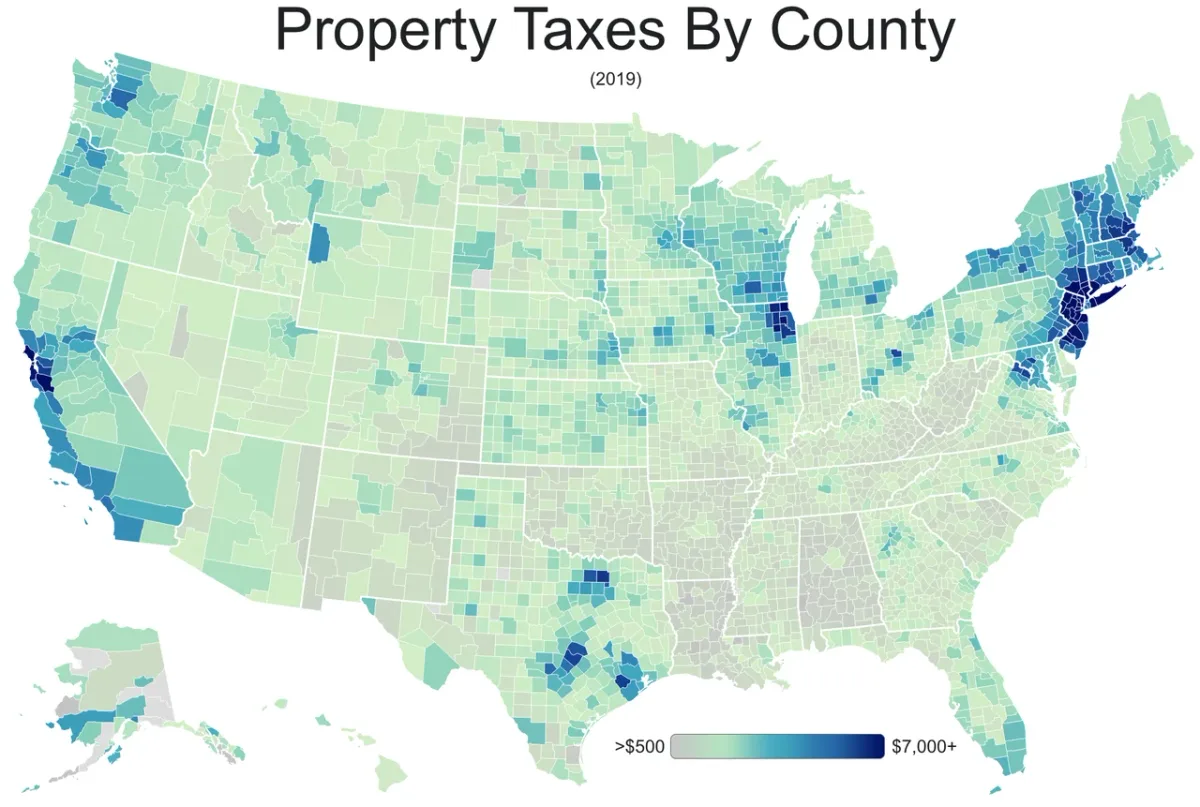
Local governments and school districts face mounting budget pressures as costs rise and property-tax policy shifts threaten key revenue streams. Connecticut municipalities are contending with higher energy, labor, health-care and pension costs, while officials weigh borrowing and emphasize the need for reserves and structurally balanced budgets. In Austin, the city says a typical homeowner’s annual bill will rise by $285 under its upcoming budget’s tax and fee increases. In northeast Missouri, school leaders say a projected $4.57 million state-funding gap across 11 districts could pressure local taxes and, if sustained, affect staffing and student opportunities; they stressed that the estimates are not proposed tax increases. North Carolina voters approved an amendment giving state lawmakers more authority to limit local property-tax increases, prompting county officials to worry about funding schools, emergency services and other public needs. Across states, analysts warn that property-tax cuts without replacement revenue can strain local governments and schools, forcing service reductions or other fiscal measures and potentially pressuring bond ratings.