


Raoul Wallenberg Issues Protective Passports
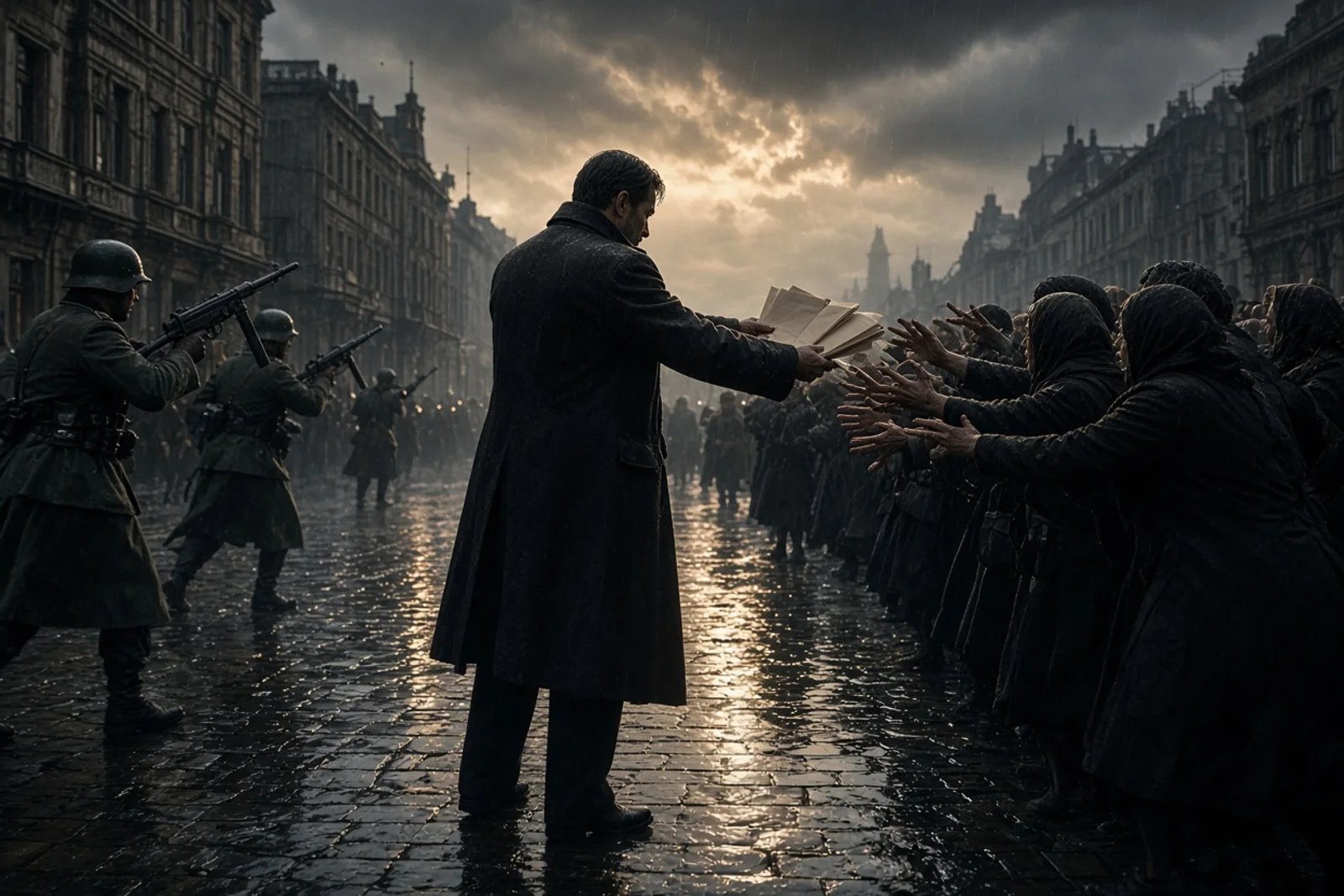
The line outside the Swedish legation stretched past the corner and down the side street toward the river. I stood at the side door with a clipboard, counting heads, trying to keep the names straight while the July sun baked the cobblestones. People clutched whatever papers they had managed to find—old letters, business cards, anything that mentioned Sweden. A woman near the front held her two small boys by the wrists so they would not wander into the street.
Wallenberg came out just after nine. He wore a light suit and carried a leather folder already thick with stamped documents. He moved straight to the table we had set under the awning and began signing. The first man in line gave his name and the name of a cousin who had once shipped goods to Stockholm. Wallenberg listened, asked one short question about the cousin’s address, then wrote the protective letter in his own hand. The man walked away holding the paper against his chest.

By noon the folder was empty and another had replaced it. I took the completed passes and handed them out, checking each name twice so no one left with the wrong document. A girl no older than sixteen asked whether the paper would also cover her mother, who was too ill to stand in line. Wallenberg stepped over, wrote a second letter on the spot, and told her to bring the mother to the legation the next morning if she could walk.
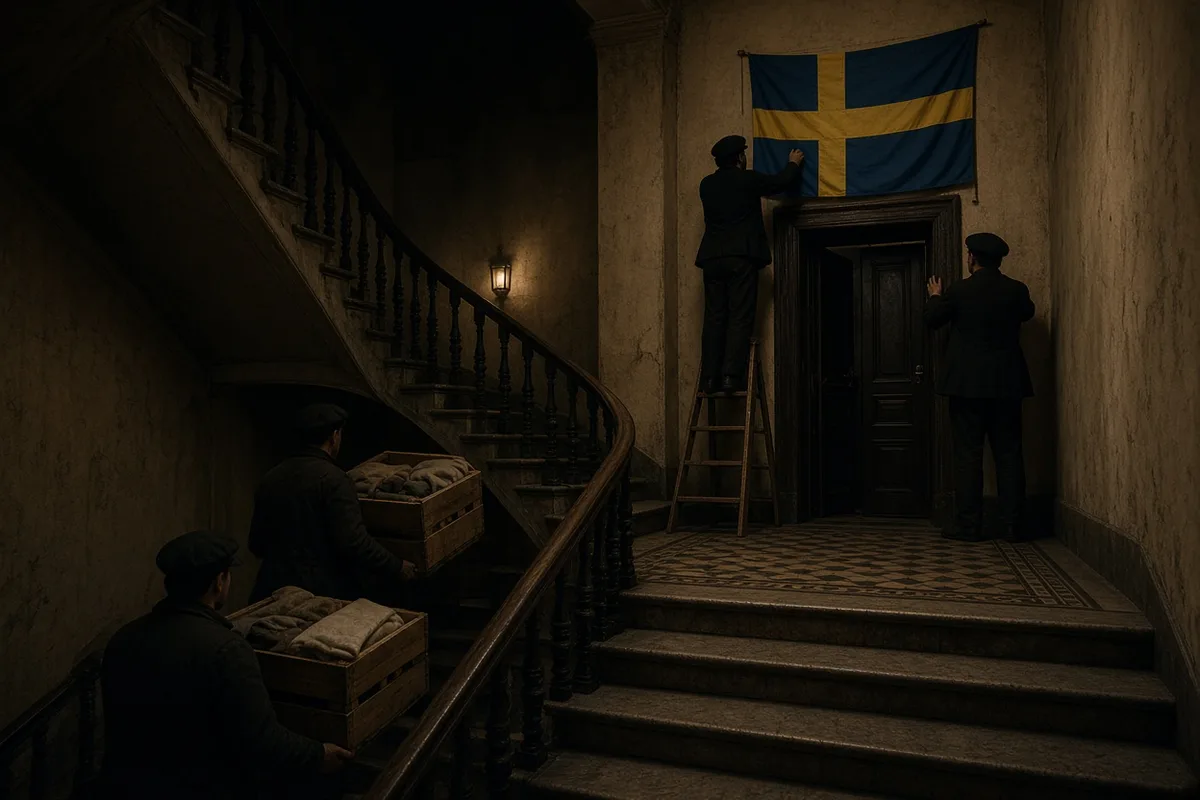
We worked that way for weeks. The safe houses were marked with Swedish flags painted on bedsheets. Thirty-two buildings in all, scattered through the Pest side. Each morning I carried new lists to the caretakers so they would know which families to expect. The kitchens ran on whatever supplies we could buy or barter. One afternoon a truck delivered sacks of flour and tinned meat that had come through the Red Cross; the children lined up with bowls before the flour was even unloaded.
In October the Arrow Cross took the government buildings. The radio announced the change while we were still stamping passes. By evening the streets were loud with boots and shouting. The next day the legation gates stayed closed until Wallenberg himself opened them. He told us to keep working and to say nothing about the new government unless asked.

The first death march left Budapest on a raw morning two weeks later. I stood on the embankment with a stack of blank protective letters and watched the column pass. People stumbled in wet shoes; some had no coats. Wallenberg drove along the route in a car flying Swedish flags. At each bridge he got out, walked into the marching line, and pulled anyone whose name matched a list we had prepared. The guards let him take them. He handed the people to me and I gave them the letters on the spot. We loaded twenty-three that first day into waiting trucks and sent them to the safe houses.
The marches continued for days. Sometimes the temperature dropped below freezing by afternoon. Wallenberg carried extra coats in the car and gave them away when he found someone without one. Once he argued for nearly an hour with a Hungarian officer who wanted to keep a man whose letter had been signed the week before. The officer finally stepped aside. The rescued man could barely stand; I had to help him into the truck.
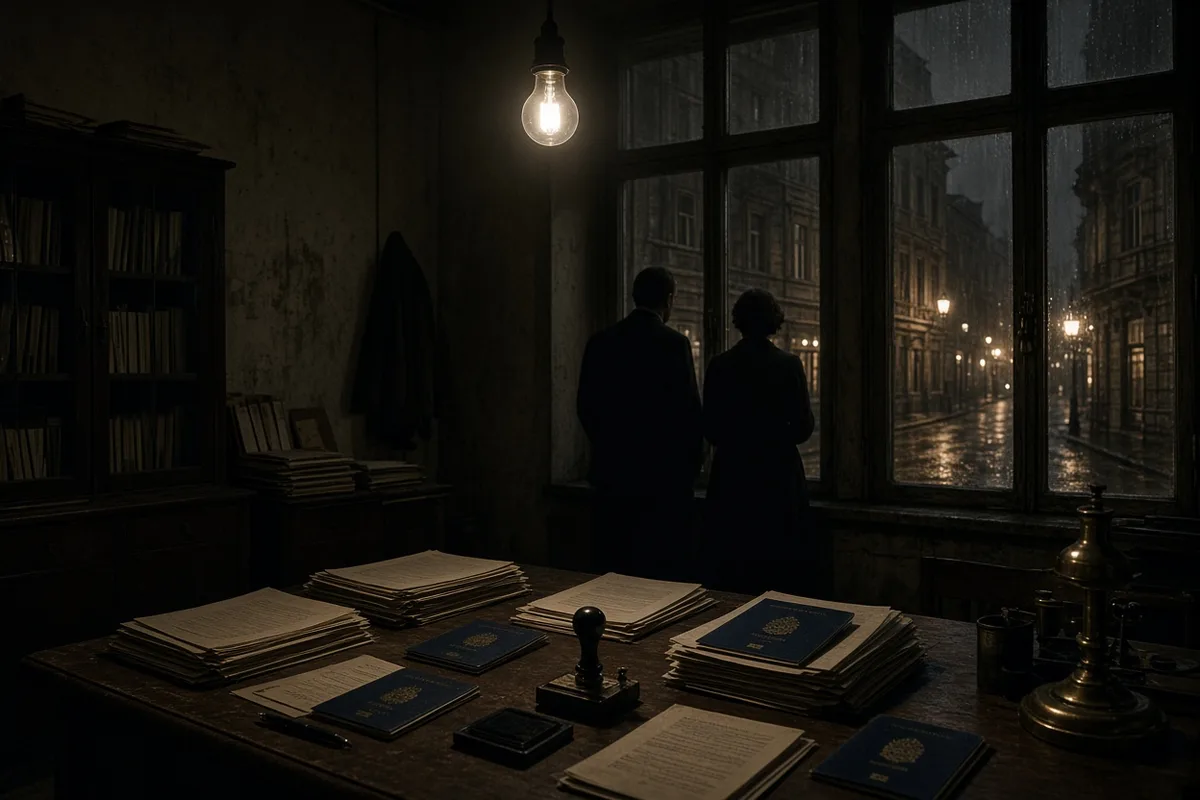
Eichmann returned to the city around then. The deportations from the train stations had already stopped, but the marches replaced them. Wallenberg kept the same routine: drive the route, stop, argue, collect names. We lost count after the first hundred rescues. The safe houses filled past capacity. Some families slept in hallways. The soup kitchen ran from before dawn until the last pot was empty.
One evening a young man arrived at the legation with a forged Arrow Cross uniform and a stack of false identity cards. He said he had pulled three families off a column by pretending to be part of the escort. Wallenberg took the cards, looked them over, and told the man to keep the uniform but to report to the office the next morning for real work. The man became one of the couriers who carried messages between the safe houses.
By December the Soviet troops were close enough that artillery could be heard at night. The Arrow Cross gangs searched the safe houses when they could. We moved families between buildings at dusk, using side streets. Wallenberg stayed in the city even after most other diplomats left. He kept signing passes until the ink in the last bottle ran low.
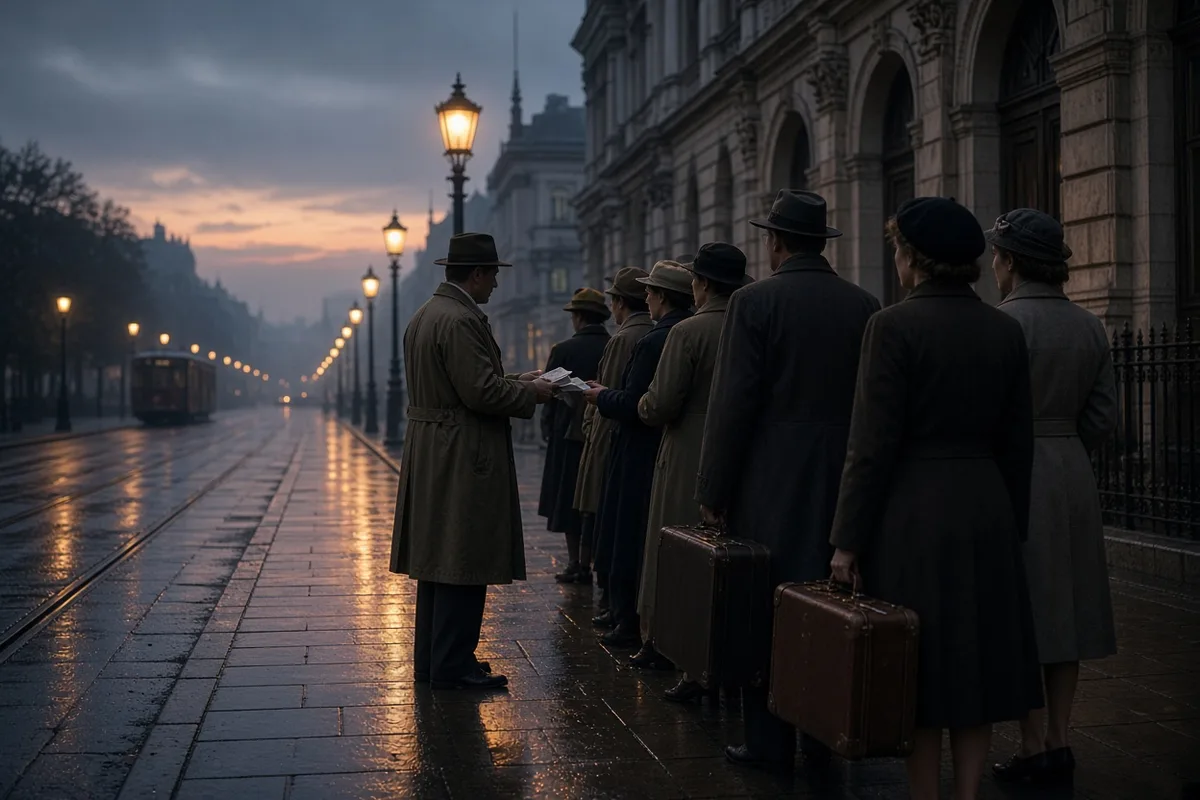
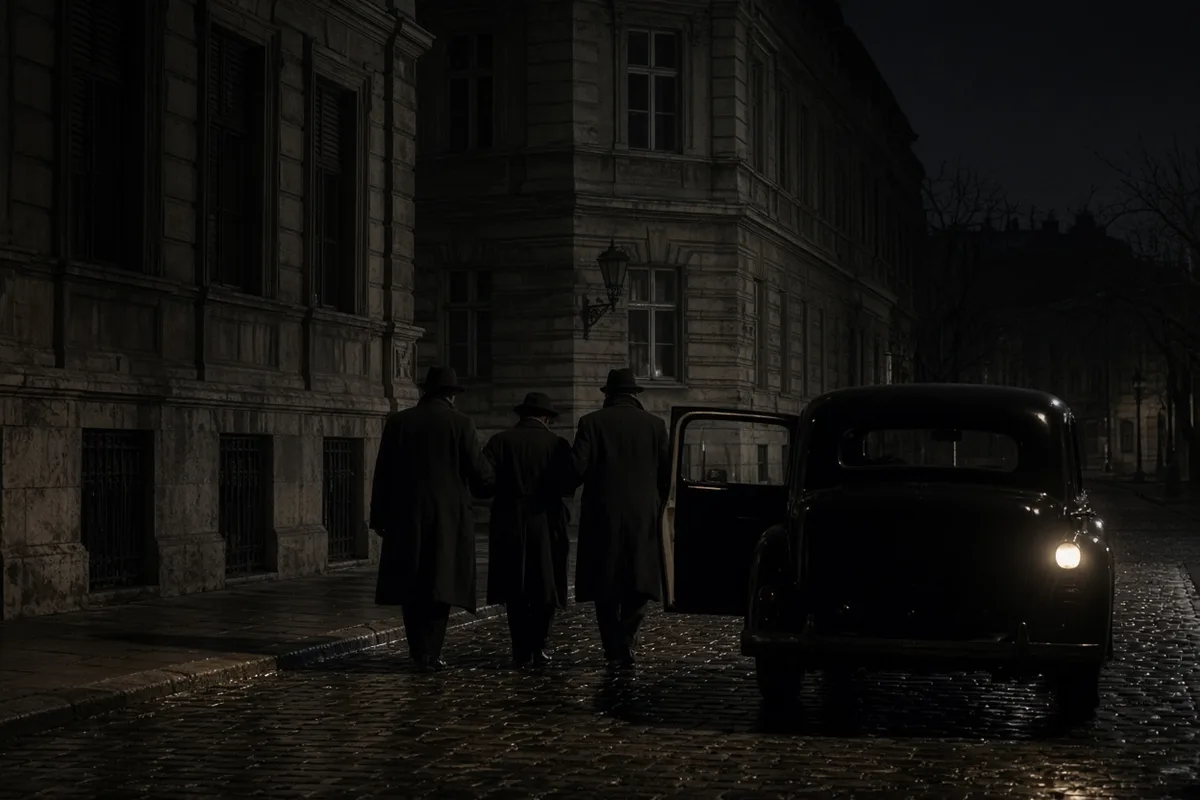
On the final morning I carried the remaining letters to the car. Wallenberg took them without counting and drove toward the western road where another column was forming. I watched the car until it turned the corner. The flags on the hood were still bright against the gray buildings.
The car had already disappeared when the first Soviet tanks rolled past the legation at mid-afternoon on 17 January 1945. I stayed at the side door with the last stack of unsigned letters and watched a T-34 stop at the corner while an officer in a padded jacket climbed out and asked in Russian for the Swedish representative. Per Anger met him on the steps and answered that Wallenberg had left that morning for the western road. The officer wrote the name down in a notebook and said the Red Army would require all foreign diplomats to report to the provisional government in Debrecen within three days. I handed over the remaining letters to Anger and walked back inside to burn the blank forms we no longer needed.
Three weeks later a Soviet major named Nikolai Kuznetsov arrived at the legation with an interpreter and asked to see the lists of people who had received protective documents. He sat at the same table under the awning where Wallenberg had signed and copied thirty-seven names into his own ledger, including the addresses of the safe houses on Benczúr utca and on Pozsonyi út. When I asked whether Wallenberg had reached the Soviet headquarters, Kuznetsov replied that the matter was being handled at a higher level and that no further questions should be put to him. The next day the legation received a telephone message that Wallenberg and his driver, Vilmos Langfelder, had been taken into protective custody near the Austrian border and were being transported to Moscow for debriefing. Anger dictated a cable to the Swedish Foreign Ministry repeating the exact wording of the message and noting the date and the name of the caller.
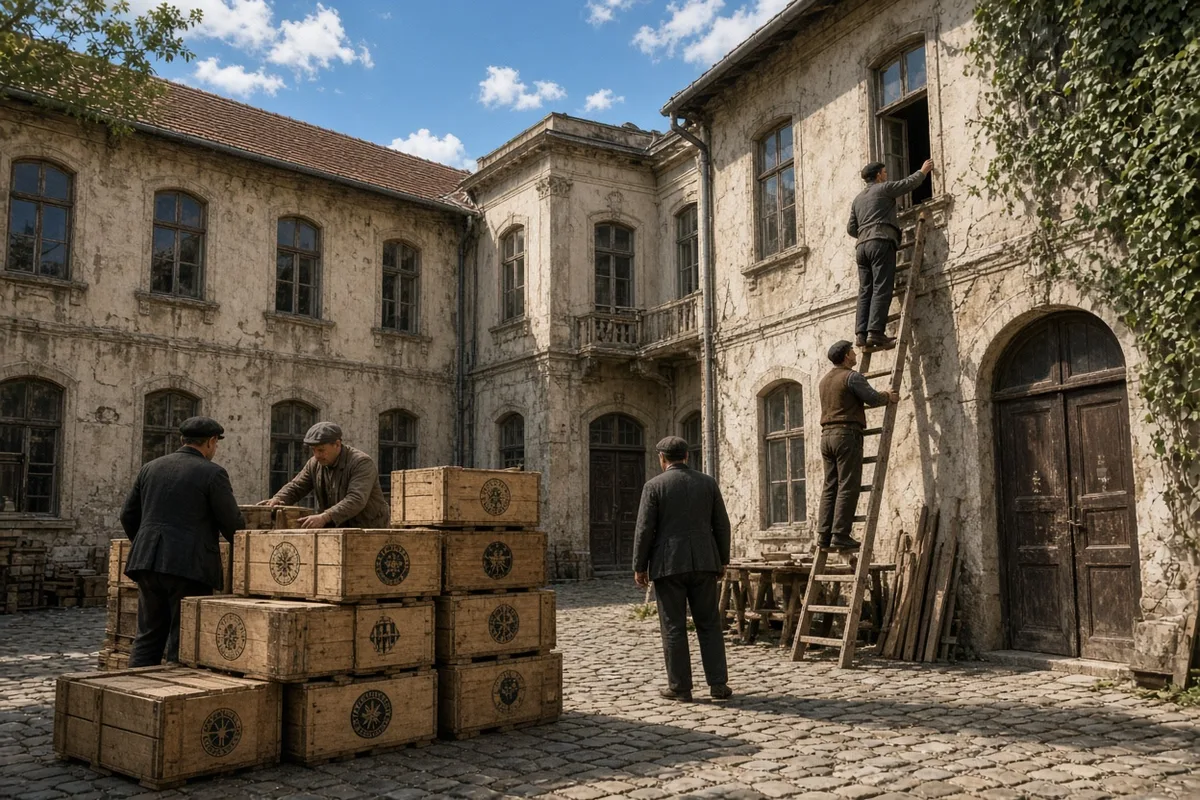
I remained in Budapest through the spring of 1945, working with the International Red Cross to reopen the kitchens at the thirty-two marked buildings. On 12 April the Soviet command returned the buildings to Hungarian civilian authorities, and I delivered the final inventory of supplies—four hundred and twelve kilograms of flour, one hundred and eight tins of meat, and sixty-seven blankets—to the new district office on Váci út. In June I traveled to Stockholm on a military transport and gave a statement to the Swedish legation’s legal section, listing the dates of the death marches I had witnessed and the number of people removed from each column: twenty-three on 20 October, forty-one on 23 October, seventeen on 28 October, and thirty-nine on 4 November. The statement was filed under my name and forwarded to the Soviet embassy in Stockholm with a request for information on Wallenberg’s whereabouts.
In 1947 the Soviet Ministry of Internal Affairs issued a note stating that Raoul Wallenberg had died of myocardial infarction on 17 July 1947 while in Lubyanka prison. The note gave his cell number as 203 and listed the attending physician as A. L. Smoltsov. Swedish diplomats requested an autopsy report and the location of the grave, but received only a second note repeating the same date and cause of death. In 1957 the Soviet government again confirmed the 1947 date in a letter to the Swedish ambassador, adding that Wallenberg’s personal effects, including his diplomatic passport and a leather folder, had been destroyed in 1952 during a routine archive clearance.
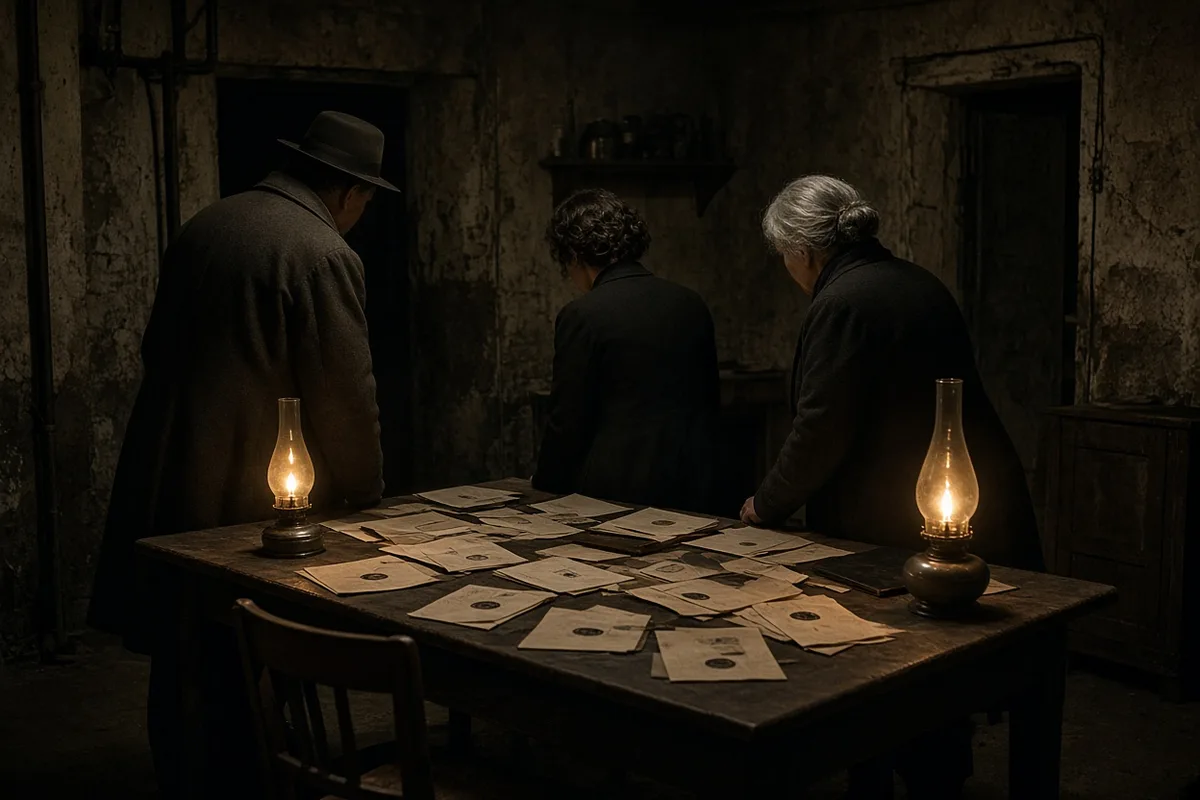
After 1957 I returned to Budapest twice each year to meet survivors who had lived in the safe houses. On 9 October 1963 I spoke with a woman named Katalin Szabó at the rebuilt synagogue on Dohány utca; she showed me the protective letter Wallenberg had written for her and her two sons on 12 July 1944, the day the line stretched past the corner toward the river. She kept the letter in a frame above her kitchen table and said the ink on the lower left corner still carried the smudge from her thumb when she pressed it against her chest. In 1981 the Hungarian government placed a plaque on the wall of the former legation building at 17 Minerva utca listing the thirty-two safe houses and the approximate number of people sheltered, 15,000 according to the count compiled by the Swedish legation staff.
The plaque was replaced in 1993 with a larger stone tablet that included the names of Wallenberg’s Hungarian assistants, among them Pál Szalai and Sándor Fekete. On 17 January 1995, fifty years after the car turned the corner, I stood with a group of survivors at the Shoes on the Danube memorial while a woman named Erzsébet Weisz, then eighty-three, placed a single pair of children’s shoes at the edge of the river. She said the shoes had belonged to her brother, who had been pulled from the column on 23 October 1944 by the man in the light suit who drove the car with the Swedish flags. The river current moved the shoes a few centimeters before they settled against the stone.
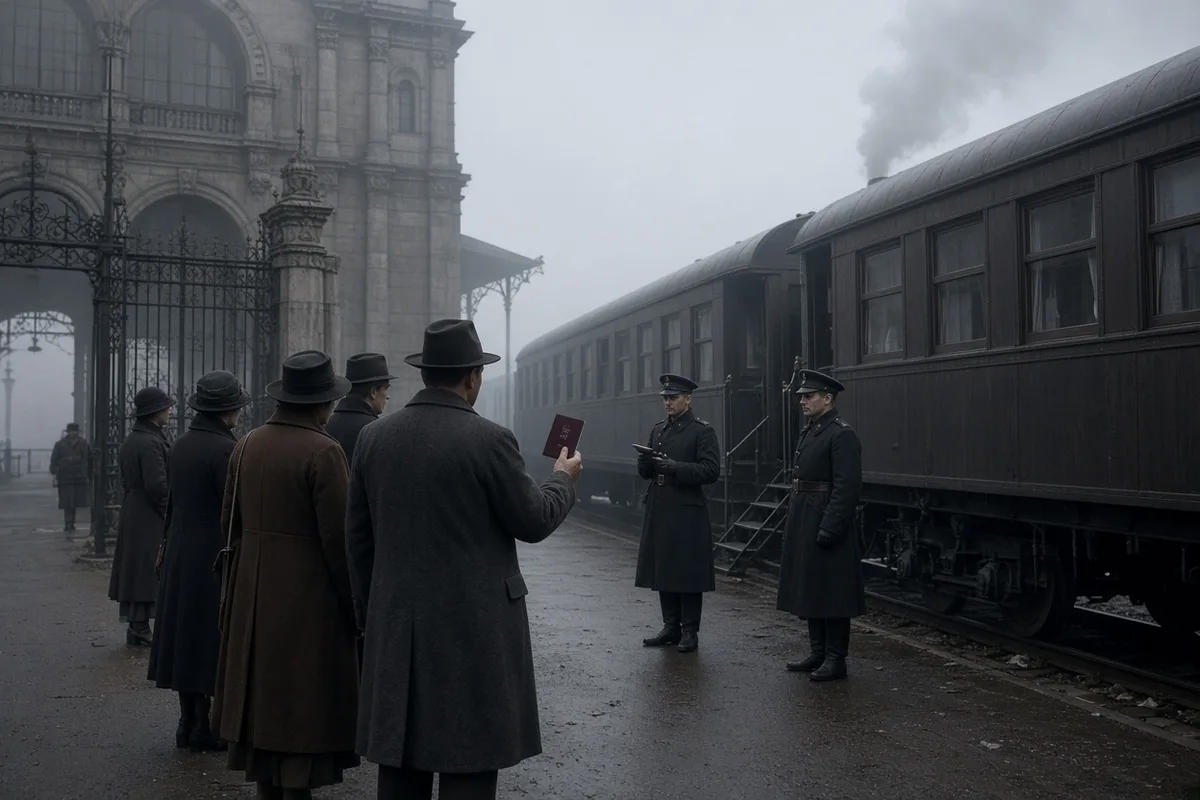
In 2001 the Swedish Foreign Ministry released the full transcript of the 1957 note from the Soviet ambassador, which quoted Foreign Minister Andrei Gromyko telling the Swedish chargé d’affaires that Wallenberg’s file had been closed after the 1947 myocardial infarction entry signed by A. L. Smoltsov. I attended the press conference in Stockholm on 23 February that year and spoke with the archivist who had located the original Russian text in the Foreign Ministry vault; he read aloud the sentence stating that “no personal belongings remain after the 1952 clearance.”
Two years later, on 14 April 2003, the Budapest City Council unveiled a bronze plaque at the former safe house at 16 Pozsonyi út naming the caretaker Sándor Fekete, who had hidden 187 people in the cellar during the Arrow Cross raids of December 1944. Fekete’s daughter, now living in the same building, showed me the original key to the coal chute that her father had used to admit families after curfew.
Russian authorities opened a limited portion of the Lubyanka records in 2009. A declassified report dated 6 March 1945 listed Wallenberg and Vilmos Langfelder as arriving at the prison on 6 February under the numbers 7 and 8 on the transport manifest from Debrecen. The report noted that both men were placed in cell 123 on the third floor and that their diplomatic passports were logged into the property room the same day.
On 17 January 2010 I returned to the embankment where the death march column had passed and met Miklós Kertész, then eighty-six, who had been removed from the line on 4 November 1944. He carried a photocopy of the protective letter Wallenberg had written that afternoon; the letter bore the stamp “Sverige” and the handwritten number 412. Kertész read the line aloud that granted “safe passage for the bearer and his wife under Swedish protection.”
The Raoul Wallenberg Association in Hungary installed a new information board at 17 Minerva utca in 2012 that listed the exact addresses of all thirty-two safe houses and the date each building was returned to civilian use. The board included a photograph of the 12 April 1945 inventory I had delivered, showing the figure 412 kilograms of flour still legible in my own handwriting.
In June 2017 the Swedish government published the complete list of 732 individuals whose protective letters were issued in Wallenberg’s own hand between July and December 1944; the list was compiled from the carbon copies preserved in the legation archive. One entry recorded the letter given to Erzsébet Weisz and her brother on 23 October, with the notation “mother already in safe house Benczúr utca 14.”
I last visited Budapest in October 2019 to attend the rededication of the Shoes on the Danube memorial after restoration work funded by the Hungarian Jewish Museum. A woman named Ilona Nagy, ninety-one, placed a pair of worn leather shoes at the water’s edge and said they had belonged to her cousin, whom Wallenberg had pulled from the column near the Chain Bridge on 28 October 1944. Nagy added that the cousin later lived in one of the kitchens on Váci út until the Soviet command returned the buildings on 12 April 1945.
The final image I carry is of Nagy standing alone after the ceremony, holding the shoes in both hands while the river moved past the stones, her coat buttoned to the collar against the October wind.