


Raoul Wallenberg Saves Thousands in Budapest
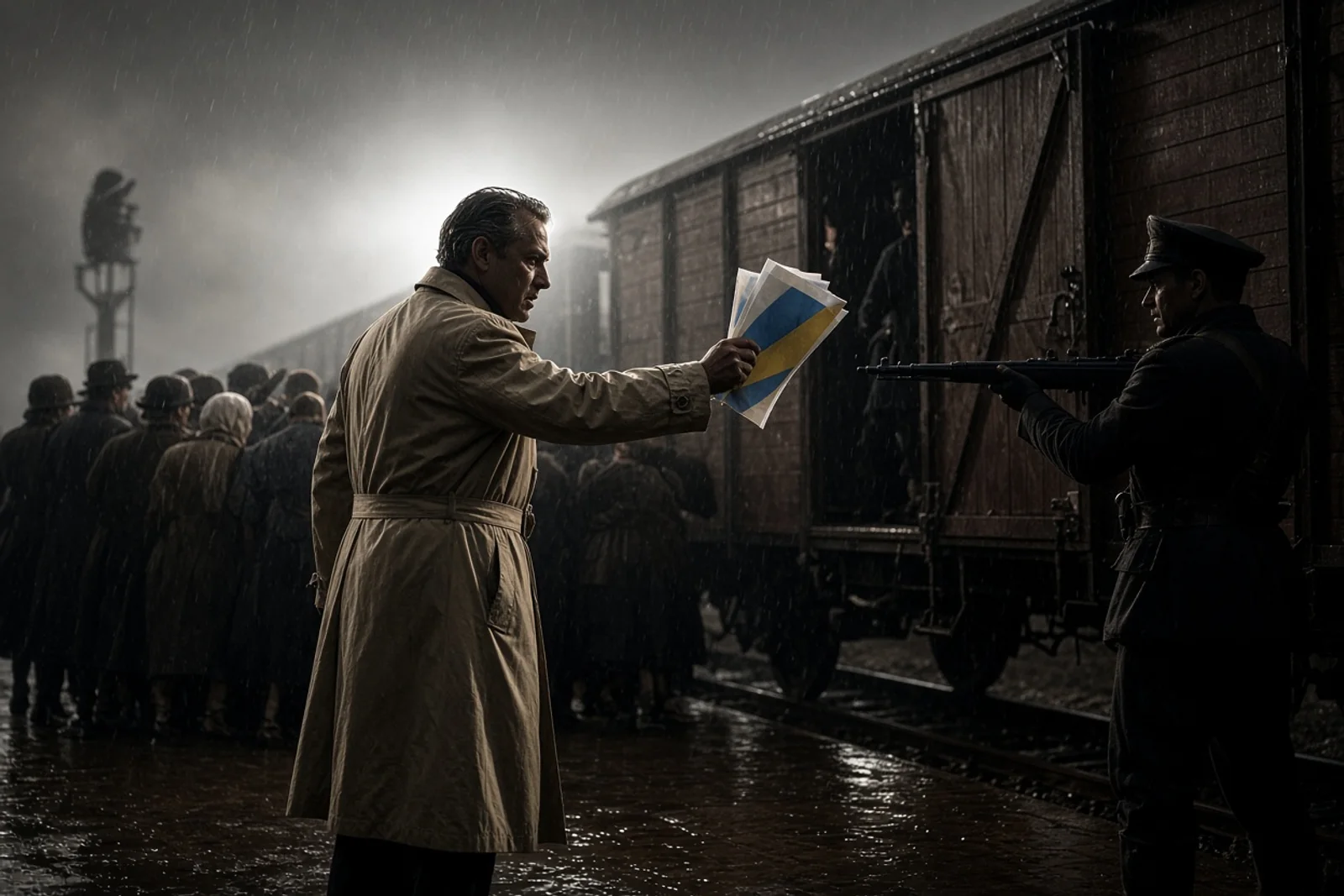
The rain had turned the cobblestones slick outside the Swedish legation when I first saw him step from the black car. He carried a leather satchel and wore a raincoat too thin for the weather. Inside the building the corridors already smelled of wet wool and fear. People waited on every stair, clutching old letters from relatives in Stockholm or photographs of cousins who had once lived there.
He began signing papers that same afternoon. The protective documents carried the Swedish crown and a number. Each one listed a name and a birth date. By the end of the week the line outside stretched past the corner. I stood in it with my mother and received two sheets that declared us under Swedish protection. The ink was still damp when we folded them into our coats.
We moved into one of the buildings he had rented on the Pest side of the Danube. Swedish flags hung from the windows. Guards posted at the door wore armbands with three crowns. The Arrow Cross men who patrolled the street sometimes stopped and stared up at the flags, but they kept moving. Inside, families shared rooms and cooked on small stoves. Wallenberg came through twice a week with lists, checking who still needed medicine or extra blankets.

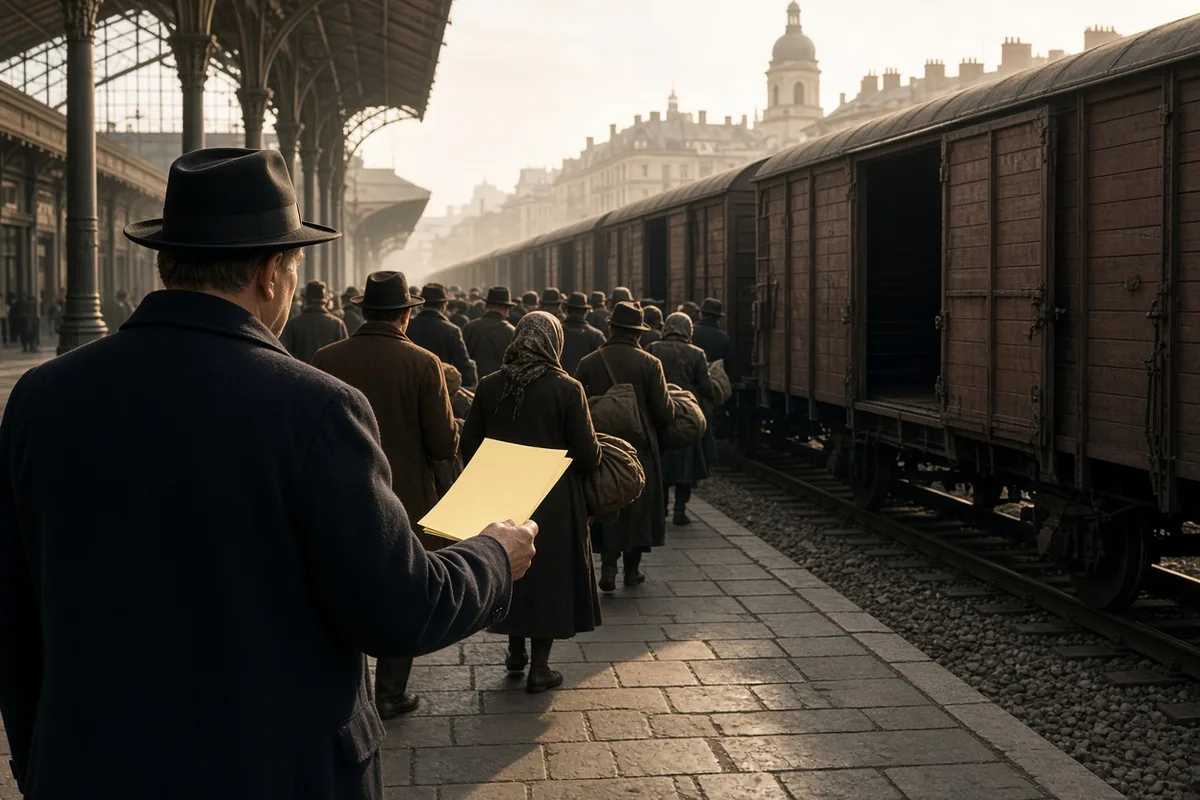
By late September the deportations from the provinces had stopped, yet Budapest felt no safer. Trucks appeared at night and took people from the outer districts. We heard the trains leaving from the eastern station. Wallenberg sent staff members to the platforms with stacks of fresh documents. They handed them through the windows of the cattle cars when the guards looked away.
October brought the coup. Horthy was removed. The Arrow Cross took the ministries and began new roundups in daylight. On the first day after the change I watched from an upper window as men in green shirts dragged families from a neighboring house. Wallenberg arrived in a car with Swedish plates. He walked straight to the officer in charge and pointed at the building. His voice carried across the street. This property belongs to the legation. The officer hesitated, then ordered his men to stand down.
The death marches started soon after. Columns of people walked west along the river road toward the Austrian border. Many had no shoes. Wallenberg drove along the route with a driver and two assistants. At each group he stopped and demanded to see papers. When someone held up a Swedish document he pulled that person out of line. The guards protested but usually let the claim stand. He repeated the process at every bend in the road until the car could hold no more passengers.
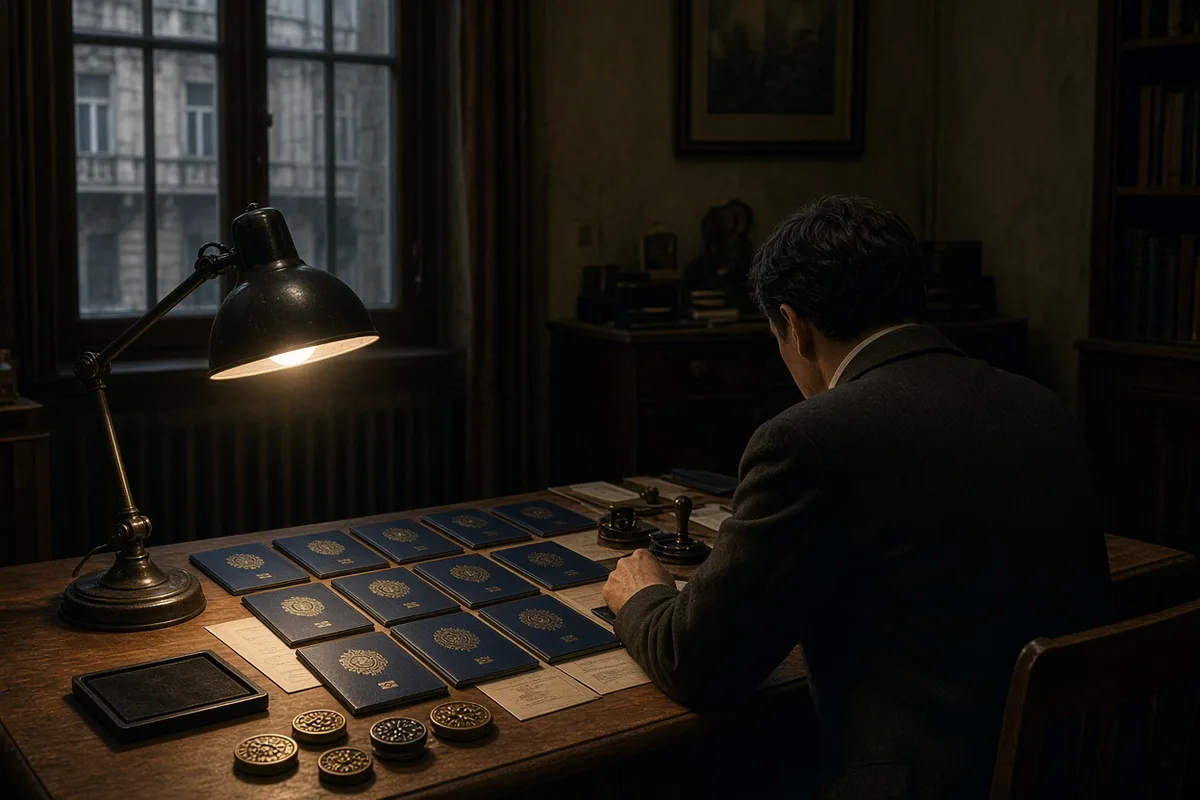
One afternoon he boarded a train that had already begun to move. He climbed onto the steps of a freight car and moved from person to person, matching names against his list. Several guards followed him down the length of the train. He kept handing out documents until the locomotive slowed at a signal. When it stopped he stepped off with twelve people and walked them back toward the city.
Inside the safe houses the number of residents grew each day. We slept in shifts. Soup kitchens ran from morning until the pots were empty. Wallenberg’s office employed typists who worked through the night producing more certificates. He paid for food and fuel with money sent from Stockholm and from private donors in the city.
Eichmann returned in the middle of October. Wallenberg met him once at a dinner arranged by neutral diplomats. They sat at opposite ends of a table. Eichmann spoke about finishing his assignment. Wallenberg answered that the war was ending and asked what purpose remained. Eichmann said he would continue until the final order. The conversation ended without agreement.
December brought snow and artillery fire from the east. The Red Army reached the outskirts. Inside Budapest the Arrow Cross intensified the searches. They entered several protected buildings and removed people at gunpoint. Wallenberg confronted each raid with the same demand: the buildings flew the Swedish flag. Sometimes the intruders left. Sometimes they took half the residents before he could stop them.
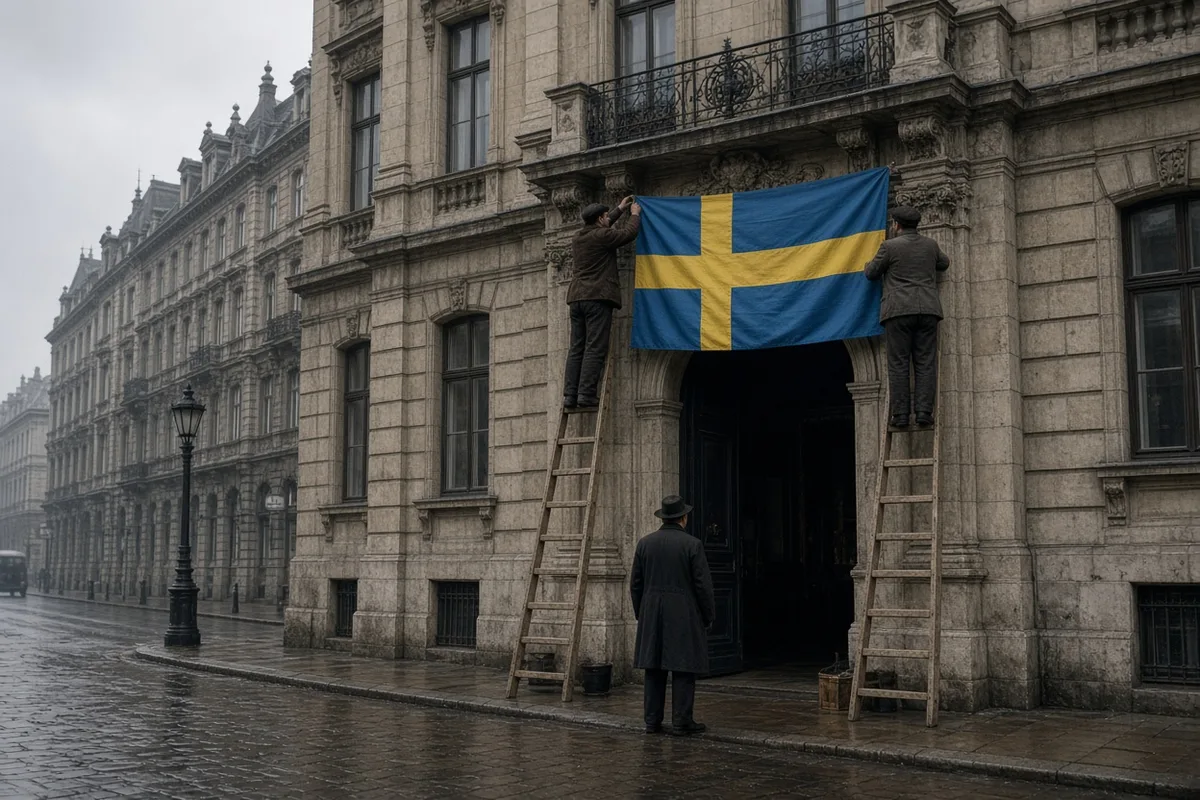
On the last day of the year he walked through the international ghetto with a Swiss and a Portuguese diplomat. They counted the remaining protected houses and marked new ones on a map. The temperature stayed below freezing. People burned furniture for heat. Wallenberg told his staff to keep the soup kitchen open as long as supplies lasted.
The siege tightened in January. Shells landed closer each morning. On the seventeenth the Red Army had already crossed the Danube in several places. Wallenberg left the legation in a car flying Swedish colors. He carried documents he said were needed for negotiations with the Soviet command. Two Russian officers stopped the vehicle three blocks away. They spoke with him briefly, then ordered him into their own truck. The Swedish driver returned alone and reported what he had seen.
We stayed in the building for three more days. When Soviet troops reached the street they ordered everyone outside for registration. The protective passports no longer mattered. The flags came down. Later we learned that Wallenberg had been taken to a prison in the east. No further word arrived.
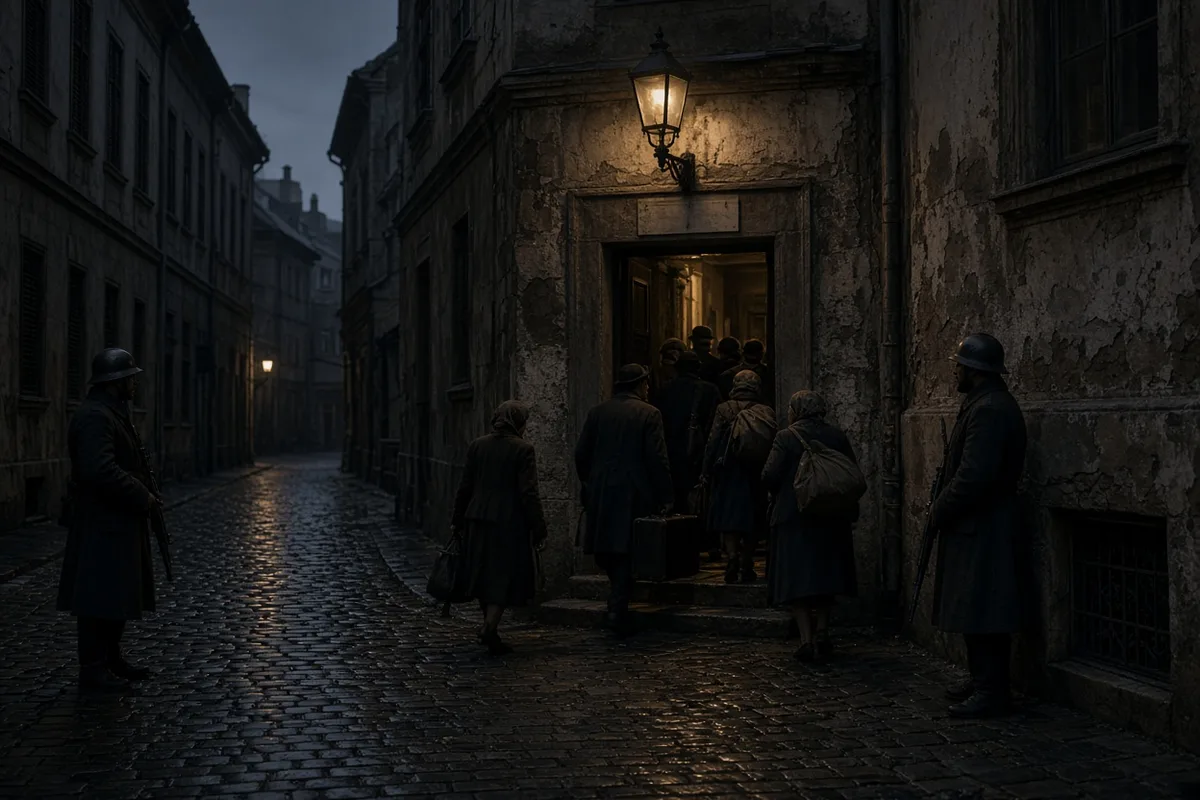
The houses stood empty by spring. Rain washed the last Swedish markings from the doors. People who had lived there scattered to other cities or remained in Budapest to rebuild. The number of certificates issued stood at roughly four thousand five hundred. The buildings he had placed under Swedish protection sheltered several times that many at their peak.
Years afterward the city placed a plaque on one of the corner buildings. The text listed dates and the name Raoul Wallenberg. Passersby sometimes stopped to read it. The plaque gathered soot like every other stone in the street.
In the spring of 1945 the Swedish legation on Gyopár Street received its first telegram from Stockholm asking for any trace of the missing attaché. Ambassador Carl Ivan Danielsson replied on 12 March that Wallenberg and his driver Vilmos Langfelder had last been seen entering a Soviet command post near Buda Castle on 17 January. By June the Foreign Ministry in Stockholm had filed three formal notes with the Soviet embassy, each citing the date of departure and the license plate of the diplomatic car, yet Moscow answered only that the two men were under protective custody for their own safety.
Staff who remained in Budapest after the siege kept a ledger of every certificate Wallenberg had issued; the final count reached 4,712 protective passports and an additional 7,800 persons sheltered in the thirty-one buildings placed under Swedish protection between August and December 1944. One typist, Margareta Bauer, recorded on 3 February that the last batch of blank forms left the legation safe on 16 January, signed only with Wallenberg’s initials. Survivors who returned to the empty houses that spring found the stoves still cold and the Swedish flags folded in the cellars, their fabric marked with the three-crown stamp.
In 1947 the Soviet government sent a single memorandum to the Swedish ambassador in Moscow stating that Raoul Wallenberg had died of a heart attack in Lubyanka prison on 17 July 1947; the note, signed by Deputy Foreign Minister Andrei Vyshinsky, contained no medical record or burial location. Swedish diplomats requested an autopsy report and the name of any cellmate, but received no further reply. Langfelder’s family in Budapest received a similar notice in 1952, after which the Hungarian authorities closed the file.
By the early 1950s several hundred of those who had held the protective documents applied for new Hungarian identity papers; the municipal registry in Pest recorded 1,246 such applications between 1948 and 1953, each listing the Swedish certificate number as prior proof of residence. One applicant, Erzsébet Kardos, born 12 May 1929, wrote on her form that she had been removed from a freight car at Kelenföld station on 29 November 1944 after a Swedish staff member handed her a document numbered 3487.
The city council approved a memorial plaque in 1948, yet it remained in storage until 1987, when it was affixed to the wall of the former legation at 16 Tükör Street. The inscription listed only the dates 4 July 1912 and 17 January 1945, followed by the phrase “Swedish diplomat who saved lives.” In 1997 a second plaque was placed at the Soviet-era prison on Conti Street, recording the date Wallenberg was last seen in Budapest.
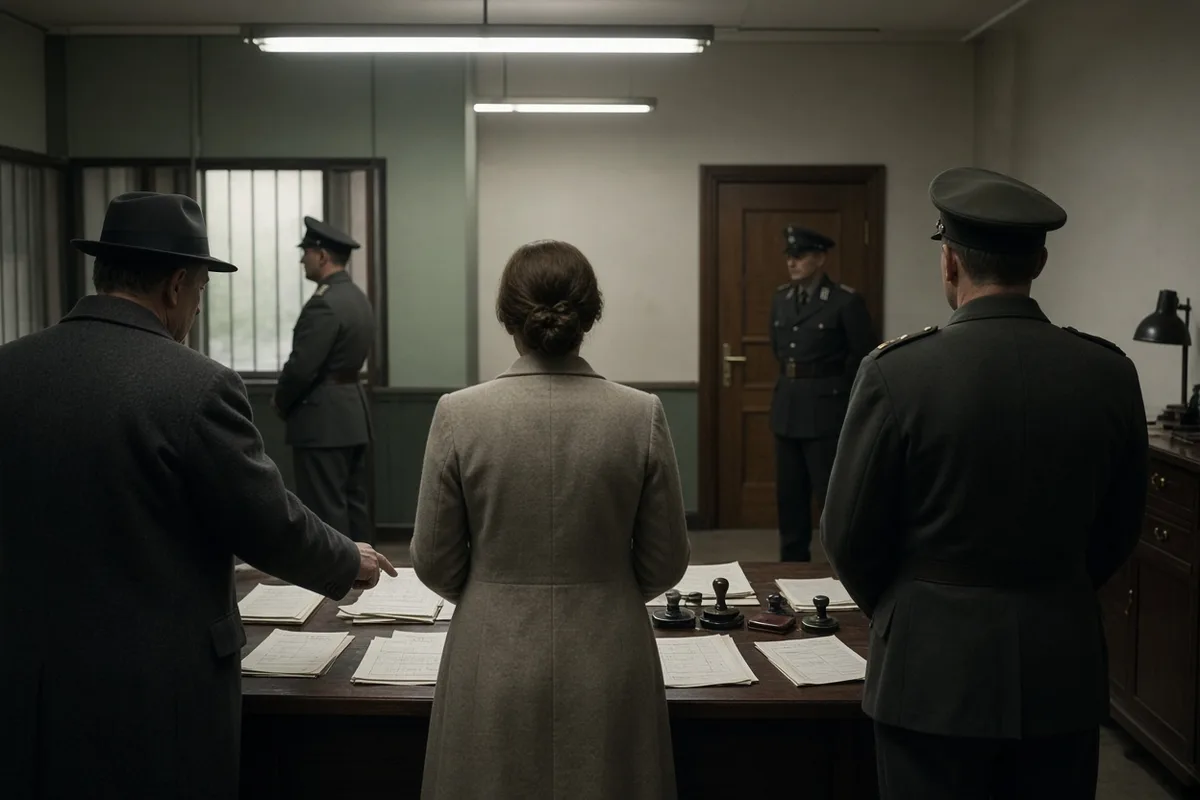
Archival files opened in Moscow in 1991 included a 1952 interrogation transcript in which a prisoner identified as “prisoner number 7” answered questions about contacts with American diplomats; the transcript carried Wallenberg’s name in the margin, written by an unknown hand. Swedish researchers later matched the handwriting to an NKVD clerk who had processed arrivals on 19 January 1945. No photograph accompanied the file.
In 2012 the Swedish Tax Agency declared Wallenberg legally dead, citing the absence of any confirmed sighting after 1957; the decision listed his last known address as the Lubyanka and referenced statements from former prisoners who had shared cells with him in 1946. One such statement, given by a Latvian inmate named Janis Avotins in 1993, described a tall Swedish prisoner who spoke Hungarian and kept a list of names on scraps of paper.
On an ordinary weekday in 2023 an elderly woman stepped from a tram at the corner of Pozsonyi Road and walked to the doorway of number 17, where she placed a small envelope containing a single protective document numbered 2194. She stood for several minutes with her hand on the stone before turning back toward the river, the tram already pulling away behind her.
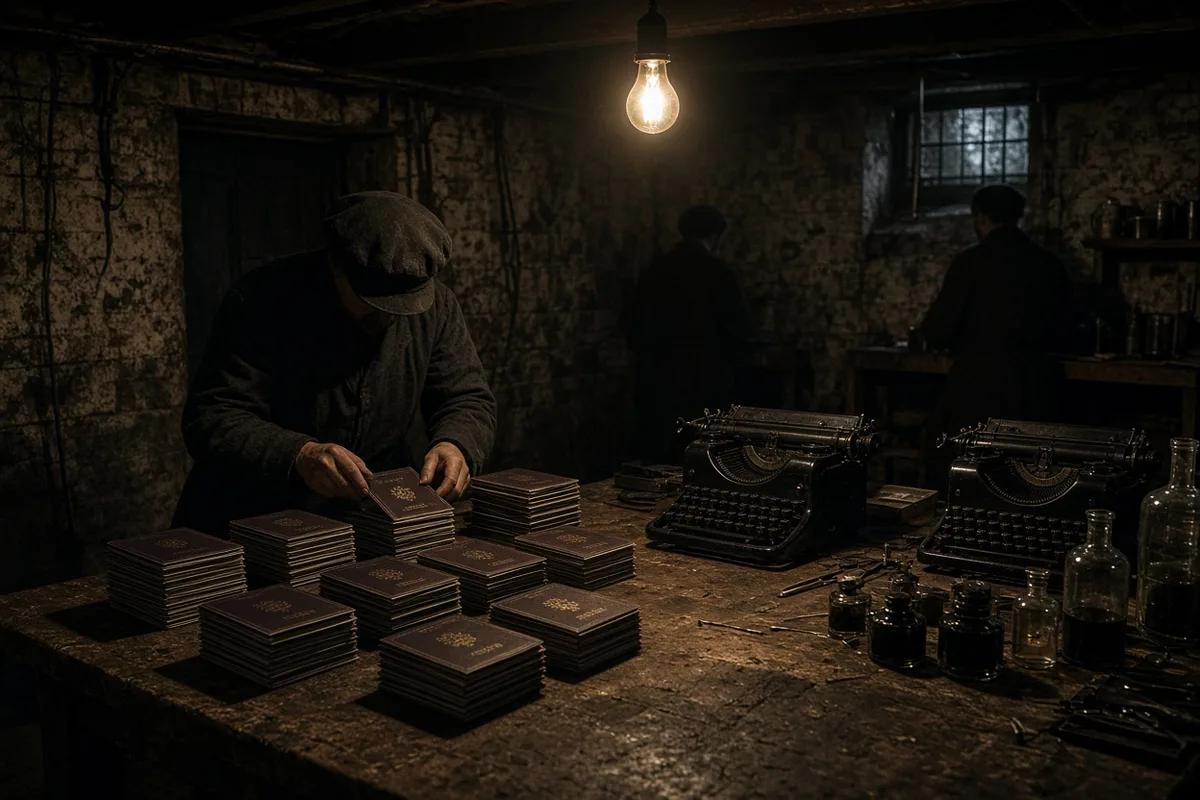
On 14 October 1947 the Swedish legation in Budapest forwarded to Stockholm a copy of the Vyshinsky memorandum together with a separate note from Ambassador Staffan Söderblom recording that the Soviet authorities had refused access to any cell register or medical log from Lubyanka. The note quoted Söderblom’s own phrase that “no trace of the attaché or his driver remains available for verification.” In the same month the Hungarian Interior Ministry closed its own file on Vilmos Langfelder after his mother, Ilona Langfelder, received a one-sentence notification dated 9 October 1952 stating only that her son had died in Soviet custody.
The Raoul Wallenberg Association, formed in Budapest in 1990, located and photographed thirty-one of the original protected houses; its 1994 register listed the addresses and the number of residents each had housed on 1 January 1945. One entry for 6 Pozsonyi Road recorded 348 persons registered under Swedish protection on that date, with the signature of typist Margareta Bauer appearing on the final page of the ledger. The association also recovered the original Swedish legation guest book, which contained an entry for 16 January 1945 noting that Wallenberg had signed out at 14:40 hours carrying “diplomatic papers for Soviet headquarters.”
In 2003 the city of Budapest renamed the street in front of the former safe house at 17 Pozsonyi Road as Raoul Wallenberg rakpart; the municipal decree cited the 1948 plaque text and added the coordinates 47.5147° N, 19.0548° E. A bronze relief portrait was installed on the building façade on 4 July 2012, the centenary of Wallenberg’s birth, showing the attaché in profile with the Swedish crown and the number 2194 beneath it. The Budapest Holocaust Memorial Center maintains a database that cross-references 4,712 certificate numbers with postwar identity applications; entry 2194 corresponds to the name of a woman born in 1927 who applied for a new Hungarian passport on 11 March 1949.
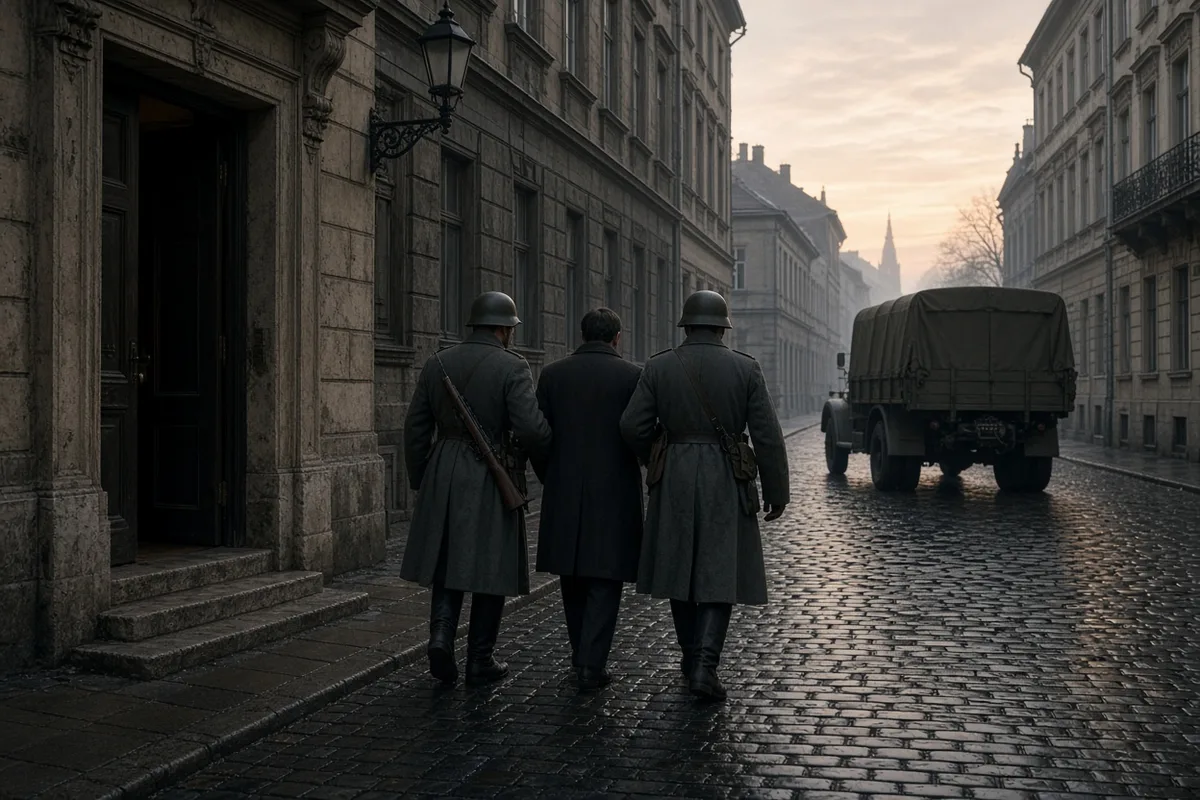
Swedish Foreign Ministry archives released in 2017 include a 1946 telegram from the legation’s acting chargé d’affaires, Per Anger, stating that 2,300 of the protective documents had been presented at Soviet checkpoints between 18 January and 3 February 1945. Anger’s telegram quotes a Soviet major at the Buda bridgehead who told him on 22 January that “the Swedish officer is being held for routine questioning at the command post on Gellért Hill.” No further entry appears in Anger’s subsequent reports.
The last surviving member of Wallenberg’s immediate staff, accountant Károly Szabó, gave an interview on 12 June 1989 in which he described the final ledger entry made on 16 January 1945: “Wallenberg signed 184 blank forms and left them with instructions to continue issuing until the forms ran out.” Szabó’s statement was recorded by the Hungarian Jewish Archives and filed under accession number 1989/47. A copy of one of those forms, numbered 4701, surfaced in 2008 in the possession of a family in Vienna whose grandmother had carried it across the Austrian border on 2 February 1945.
Today the former legation building at 16 Tükör Street houses the Swedish Embassy’s consular section; a glass case in the entrance hall displays the original three-crown flag that flew above the safe houses and a typed list of 4,712 names compiled in 1945 by Margareta Bauer. Visitors may request to see the list between 09:00 and 12:00 on weekdays; the embassy recorded 1,872 such requests in 2022. A small brass plate on the threshold reads “Raoul Wallenberg left this building 17 January 1945.”
On 17 January 2024 a woman in her late nineties entered the courtyard of the former international ghetto at 27 Pozsonyi Road carrying a single sheet of paper. She placed the sheet, numbered 2194 and bearing the Swedish crown, on the stone step where the envelope had been left the previous year, then walked the length of the courtyard and out through the gate onto the street.