



How Zenith's 1950 Lazy Bone remote turned viewers into channel surfers
8 sourcesUpdated Sep 5, 20261 min read
Sponsored
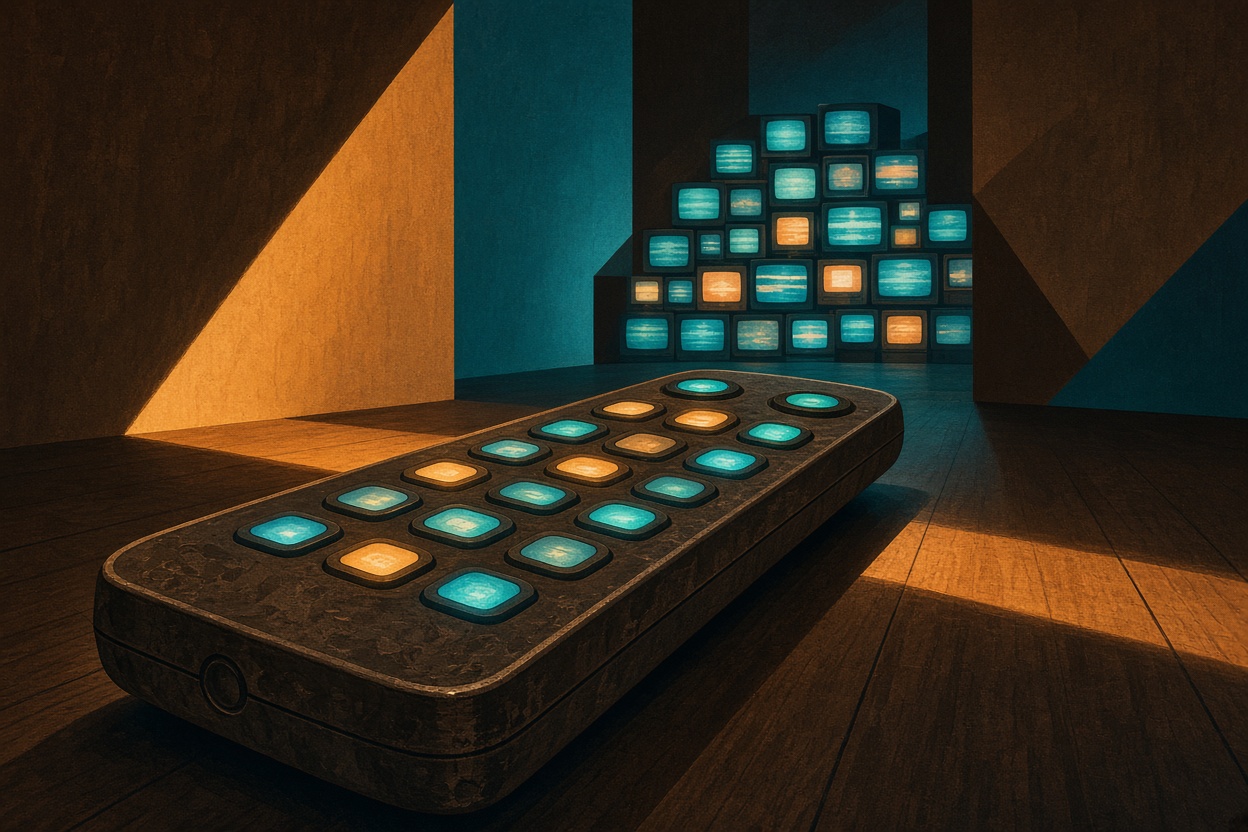
The television remote transformed channel changing from a physical chore into an effortless activity, helping create the modern couch potato and channel surfer. Zenith Electronics introduced the wired Lazy Bone in 1950, followed by the wireless Flash-Matic in 1955 and the sound-wave Space Command in 1956; infrared remotes became standard in the 1980s as cable expanded viewing choices. The device changed television programming by making it harder to hold viewers’ attention, increasing the importance of strong scheduling and visually compelling content. Despite its convenience, the remote also brought familiar frustrations, including lost devices, dead batteries and competing remotes.
Sponsored