


Sadhu Sundar Singh Preaches Across the Himalayas
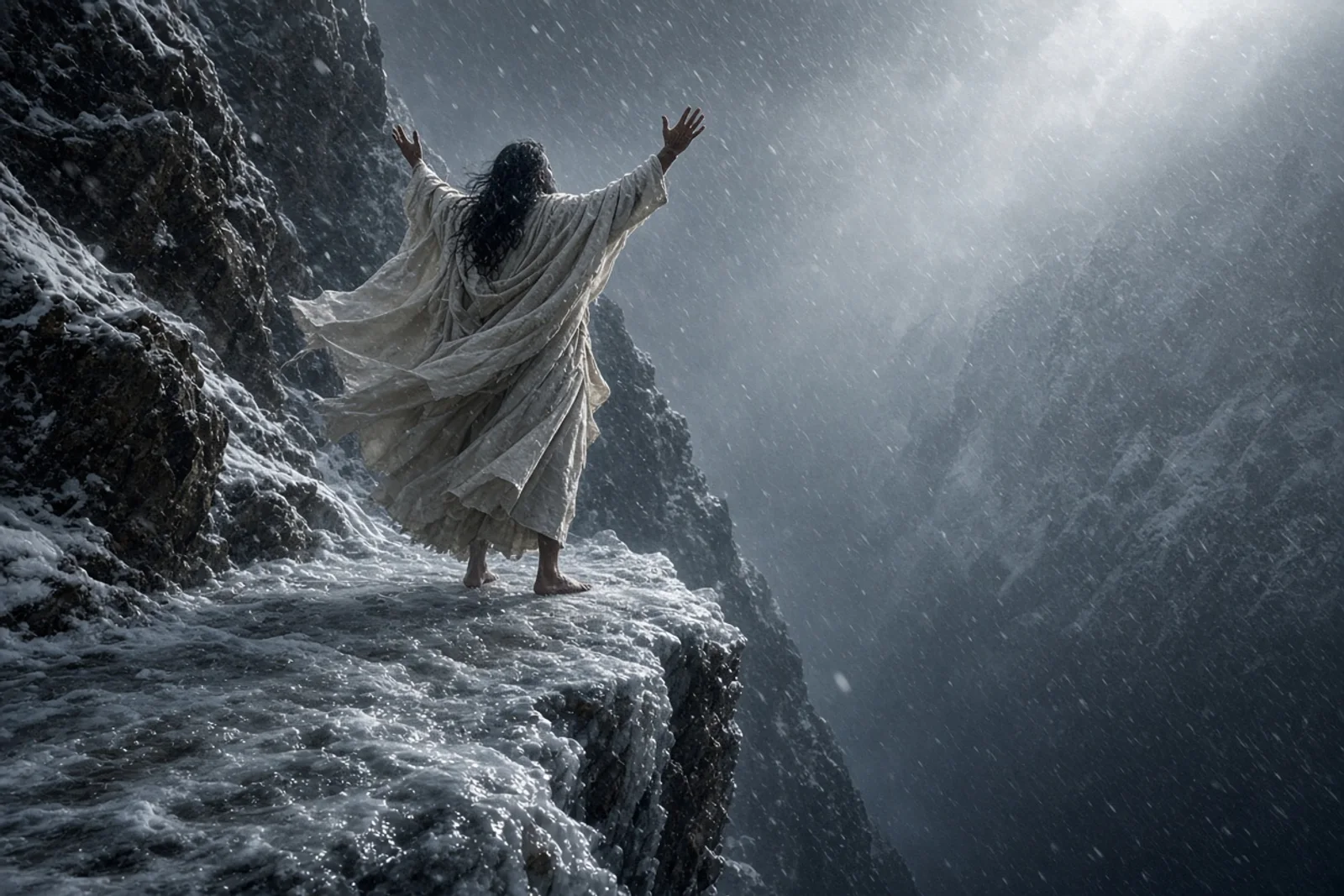
The trail north of Shimla still held the night’s cold when I first saw him. I had come down from the higher villages with a load of wool, expecting only the usual dust and the ache in my shoulders. Instead a man in a saffron robe stepped out from the trees ahead of me, feet bare on the frost. He carried nothing but a book wrapped in cloth. When he turned, his eyes caught mine as if he had been waiting.
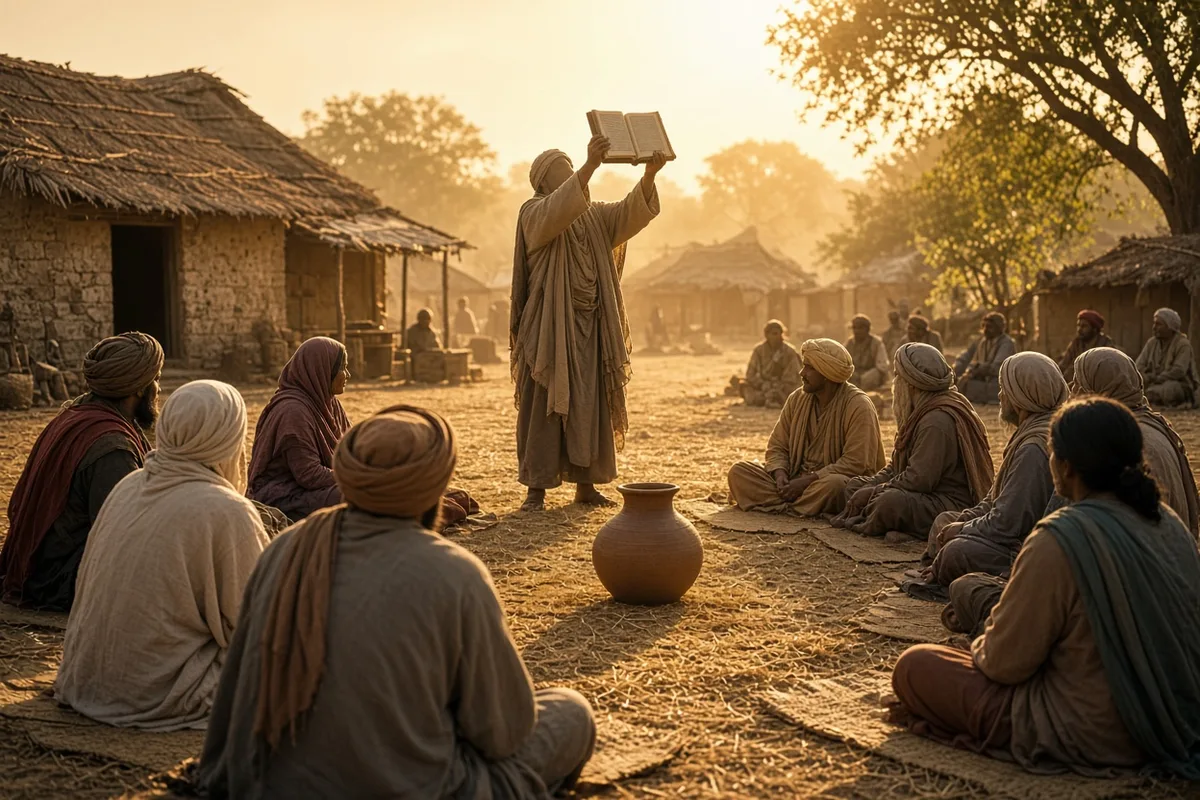
He asked if I knew the way to the next hamlet. I nodded and fell in beside him without thinking why. By midday we reached the cluster of stone houses where the women were spreading grain on the flat roofs. He stopped at the edge of the common ground and waited until a few men drifted over. Then he spoke, not loudly, but the words carried.
He told them the story of the carpenter from Galilee who had walked the same kind of paths. No one laughed at first. The older men watched his bare feet on the stones. One boy asked what the foreign god wanted from them. Sundar Singh answered that the one he followed asked only that they listen to the voice already inside their own silence.

That evening the headman let him sleep in the cattle shed. I stayed too, though my own house lay only an hour farther on. In the dark I heard him pray in a language I did not know, then in our own. He spoke to someone as if the person stood right there in the straw.
We left before dawn. The path climbed steeply toward the pass. Snow still lay in the hollows. I wore thick sandals; he walked on without them. When I asked if the cold troubled him he only smiled and said the road itself was enough. By noon my feet hurt inside the leather. His left heel showed a fresh cut, yet he never slowed.
At the next cluster of houses he preached again, this time inside the low temple that served for meetings. A few women came with children on their hips. One man shouted that the old gods had kept the snow away this year and needed no new stories. Sundar Singh waited until the shouting stopped, then asked the man what peace he had found in the old stories. The man had no answer ready.
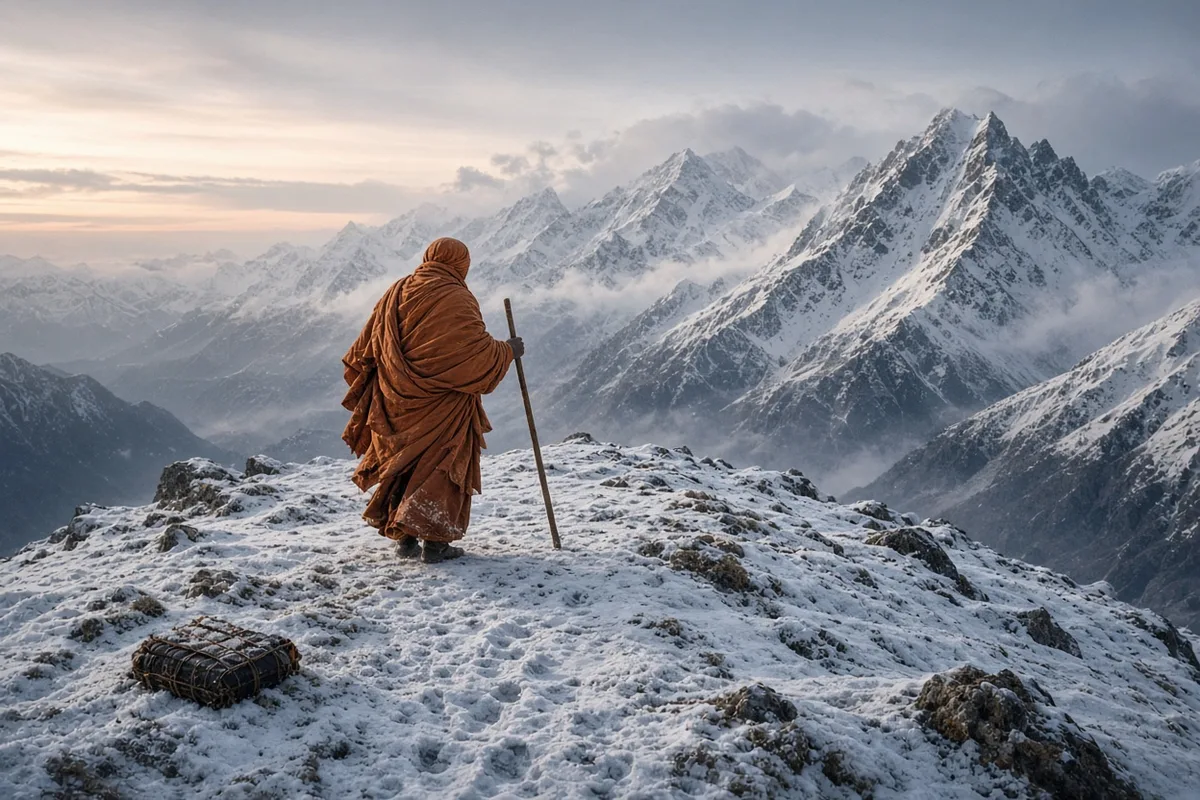
We traveled together for four days after that. I carried extra food because he refused to ask for it. He would sit on a rock at midday, open the wrapped book, and read aloud to whoever passed. Sometimes no one stopped. He read anyway, voice steady against the wind.
On the fifth morning we reached a wider valley where traders from both sides of the range met. A crowd had already gathered for market day. Sundar Singh climbed onto an empty grain sack and began to speak. He told them of the light that had come to him in a room years before, of the marks he had seen on the hands and feet. A trader from the south tried to argue that such visions belonged only to the old saints. Sundar Singh answered that the light had not asked for his learning, only his hunger.
By afternoon the crowd had thinned. Two men stayed to ask more. One of them later walked with us part of the way out of the valley. He said he had never heard the name Yesu spoken without anger until that day.
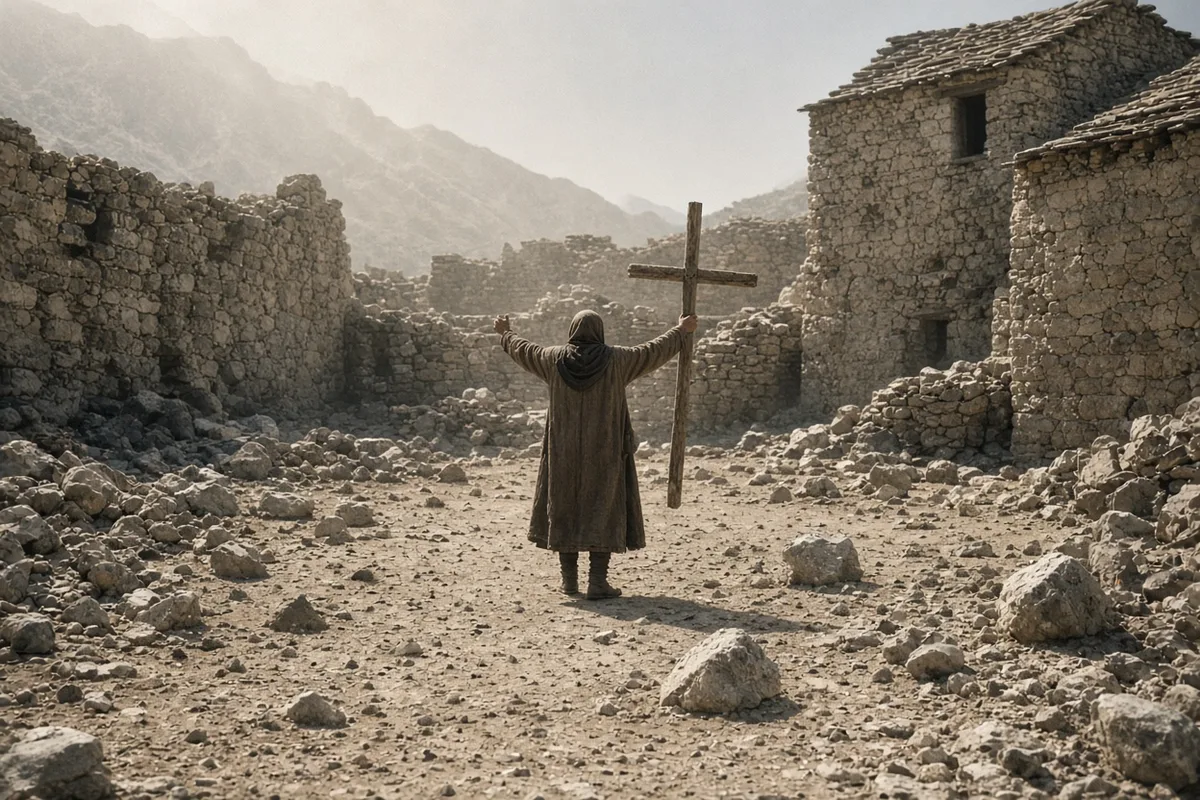
We parted at the next pass. I had to return with the wool before the heavier snows closed the route. Sundar Singh continued north toward the high villages where the Buddhist lamas traveled. He gave me no blessing, only a nod and the same question he had asked the first morning: whether I would listen when the voice inside grew quiet.
Months later I heard he had reached the Tibetan side and crossed back again before winter. Travelers spoke of a barefoot sadhu who healed a child in one village and was driven out of another with stones. The stories always ended the same way: he kept walking.
I still carry the wool between the same valleys. The cut on my heel from that journey healed long ago. Sometimes at night when the wind moves through the pines I remember the sound of his voice against the stones, and I wonder how far the road took him before the snow came down again.
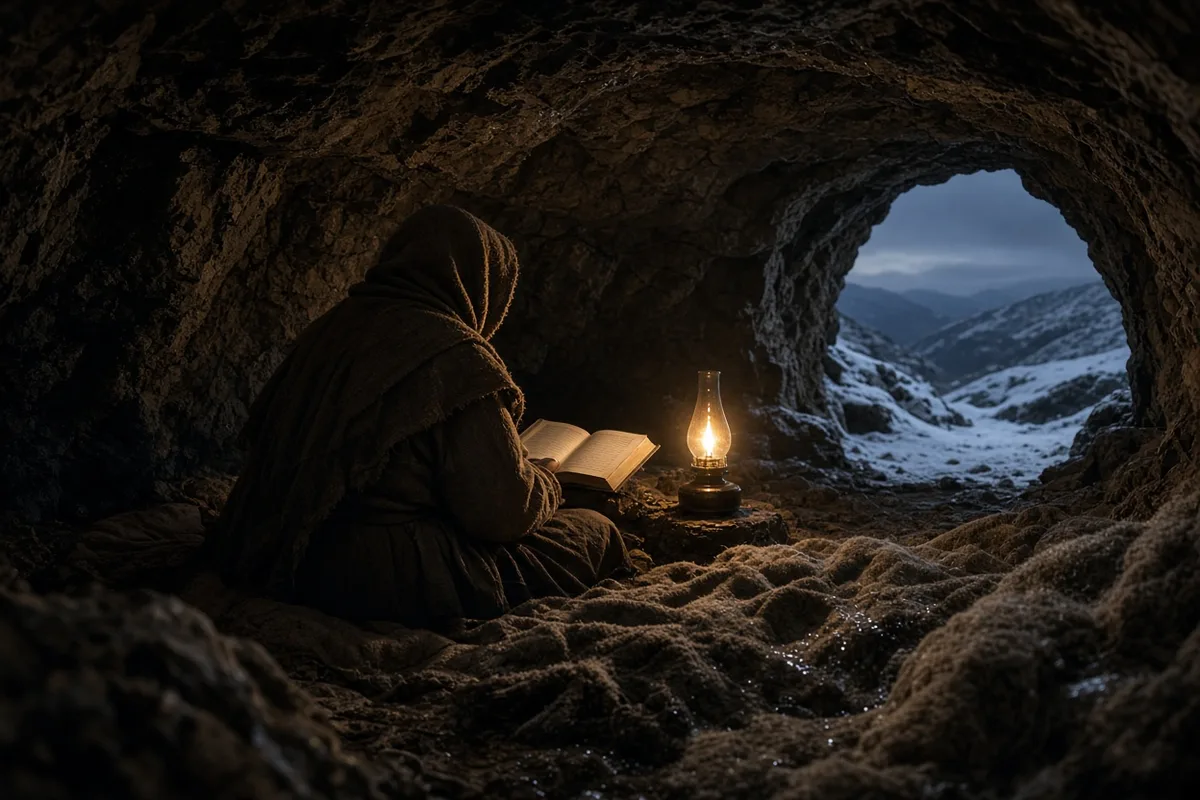
The traders who returned that winter spoke of his crossing at the Shipki La on the fourteenth of October 1912, where he met the lama of Tashigang and read aloud from the Gospel of John in a dialect the interpreter from Leh could follow. One of those traders, a man named Tashi from the village above Namgyal, later told me the exact words Sundar Singh used when the lama asked about the foreign book: “It is the same light that shone on the mountain when the disciples saw the change in their master’s face.” Tashi counted three nights the sadhu spent in the monastery before the monks gave him a bowl of tsampa and sent him on toward the road that leads past the hot springs at Chumik. By the time the passes opened again in May 1913, word had reached the wool market at Rampur that the same man had healed a boy whose leg had been crushed by a falling rock, using only the oil from a small flask he carried in the folds of his robe.
Years after that first meeting I began to meet other men who had walked stretches of the same route. In 1918 a merchant from Kinnaur named Ram Das showed me a page torn from a notebook in which Sundar Singh had written the date 22 June 1914 and the name of the village where he had been stoned after preaching near the gompa at Poo. Ram Das said the sadhu had continued north that season, crossing into Tibet again at the Shipki and reaching Lhasa by the end of September, where he stayed in a pilgrim house near the Jokhang and spoke each morning to anyone who would listen about the marks he had seen on the hands. The notebook page listed seventeen villages between Poo and the frontier, each with a number beside it that Ram Das believed counted the days spent in each place. When I asked what the sadhu had eaten on those days, Ram Das answered that the notebook mentioned only tea and the bread given by one family in the valley below Tholing.
By 1923 the stories that reached Shimla came through the mission house at Kotgarh, where the American workers kept a record of every traveler who stopped for a night. One entry dated 9 May 1922 noted that Sundar Singh had arrived barefoot with a fresh cut across the sole of his right foot, stayed three nights, and left with a copy of the Tibetan New Testament printed in Calcutta in 1903. The same record listed the names of two men from the village of Narkanda who walked with him as far as the bridge over the Sutlej and heard him repeat the phrase “the voice inside their own silence” when they asked why he would not stay longer in the warmer valleys. Those two men returned with a small bundle of letters addressed to churches in the Punjab, each letter signed with the single word “Sundar” and dated from the rest house at Sarahan on the twenty-third of that month.
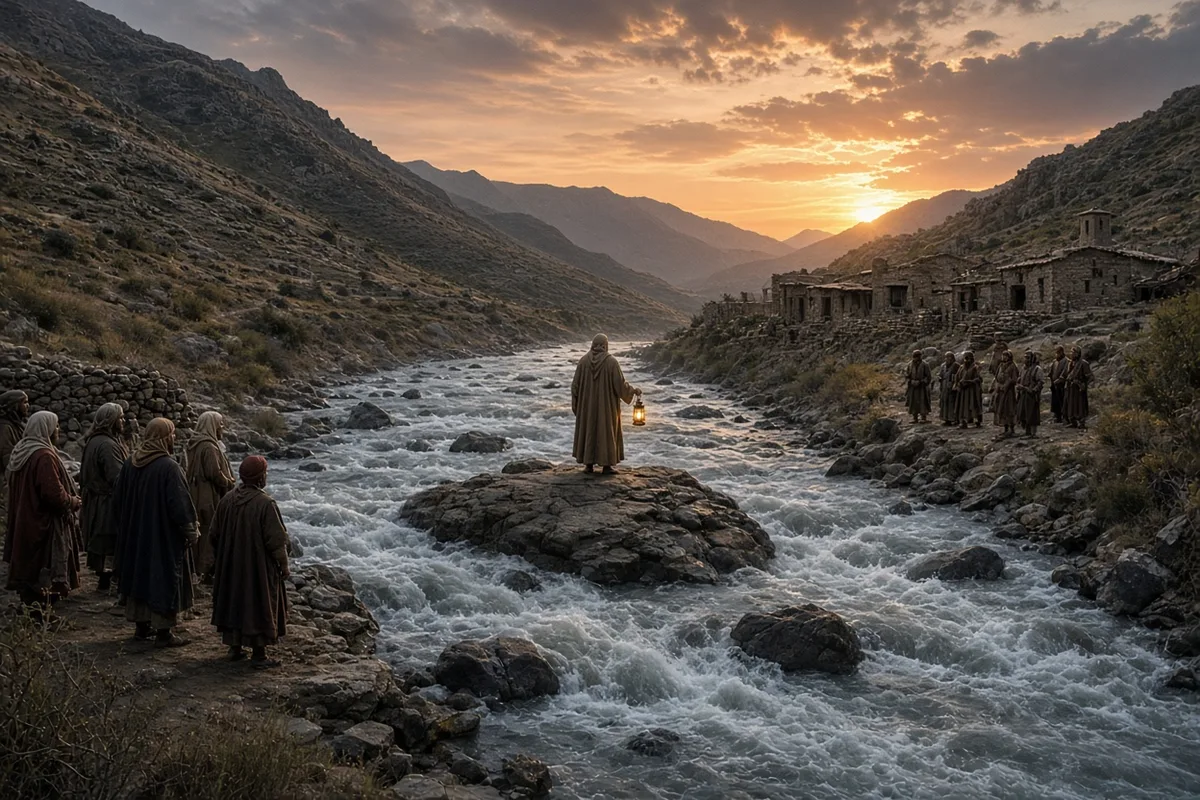
The last clear account I received came from a trader named Sonam who crossed the frontier in the autumn of 1929. Sonam described meeting the sadhu at a tea-house two days’ walk beyond Tashigang on the twenty-third of September, where Sundar Singh asked for directions to the pass that leads toward the Tsangpo river. Sonam counted eight other men present that evening and remembered the exact question the sadhu put to them: “If the light has already come to you, why do you still walk with your eyes on the ground?” Three weeks later another party returned with news that the sadhu had been seen once more at a small gompa near the frontier, after which the snow began and no further word reached the lower valleys. The mission records at Kotgarh note the date of that final report as 18 October 1929 and list the names of the four men who brought it down.
After the passes opened in 1930 I asked every trader I met whether they had heard of any new crossing by the barefoot sadhu. One man from the upper valley brought a story that a monk at the gompa near Chumik had kept a saffron cloth and a small book wrapped in oilcloth for three winters, believing they belonged to the traveler who had left them before the snow closed the route. The monk’s name was given as Lobsang, and the date written inside the front cover of the book was 1925. No one ever claimed the cloth or the book, and when I passed that way in 1934 the same monk still kept them on a shelf beside the butter lamps.
In the years that followed I continued to carry wool along the same track north of Shimla, and each spring I stopped at the mission house at Kotgarh to ask whether any letter had come. The workers there maintained a list of twenty-three places where Sundar Singh had preached between 1908 and 1929, with the number of days recorded beside each name. One entry for the village of Sangla noted that he had spoken for four consecutive evenings in June 1916 and that twelve men had stayed after the last meeting to ask further questions. The list stopped at the entry for Tashigang in 1929.
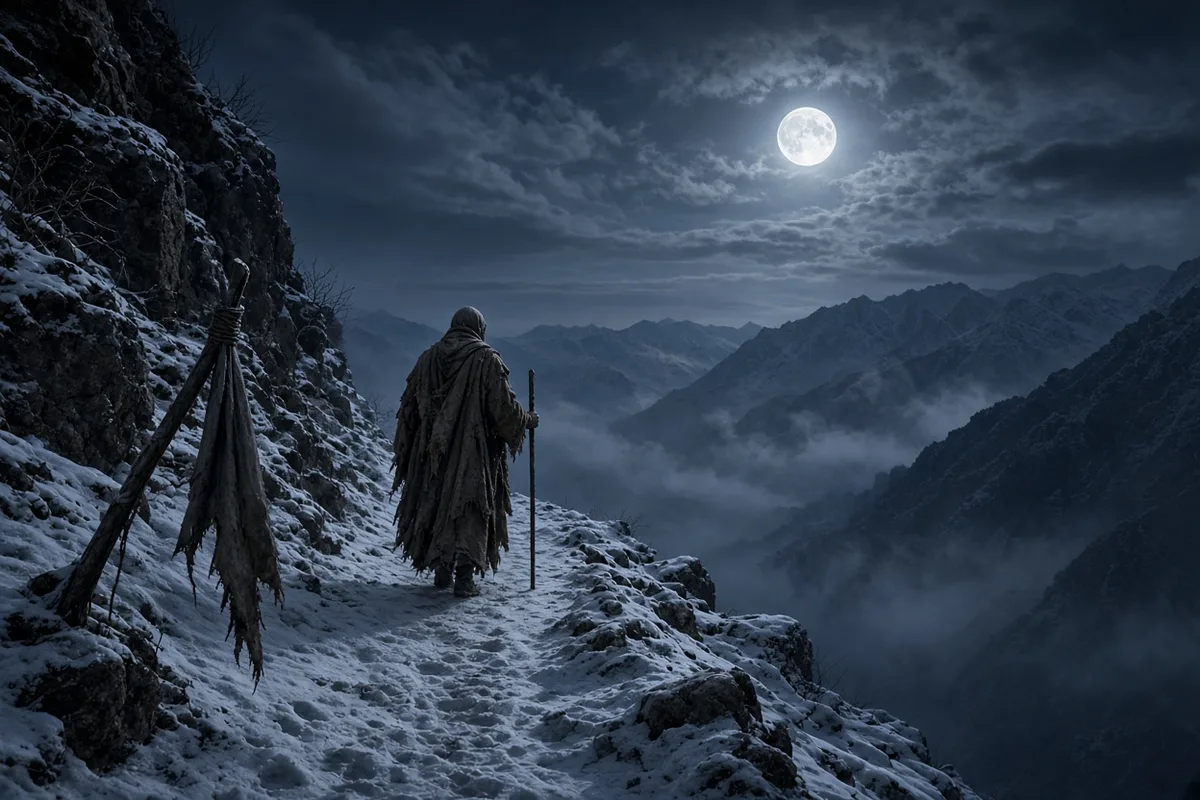
Today the stone rest house at Sarahan still stands on the same slope above the Sutlej, and the men who stable their ponies there sometimes point to a narrow ledge where a traveler in a saffron robe once sat and read from a wrapped book while the wind moved through the pines. The cut on my own heel healed decades ago, yet the track I follow each season still crosses the same frost-covered ground where I first saw him step out from the trees.
The stone rest house at Sarahan still stands on the same slope above the Sutlej, and the men who stable their ponies there sometimes point to a narrow ledge where a traveler in a saffron robe once sat and read from a wrapped book while the wind moved through the pines. The cut on my own heel healed decades ago, yet the track I follow each season still crosses the same frost-covered ground where I first saw him step out from the trees.
In 1937 a herder named Dorje from the village of Rekong Peo showed me a brass bowl he had carried down from the monastery at Tashigang. Dorje said the bowl had belonged to a monk named Lobsang who died in the winter of 1931, and that Lobsang had kept the bowl on a shelf beside a saffron cloth and an oilcloth-wrapped book dated 1925. When Dorje asked Lobsang who had left the items, the monk answered only that the traveler had spoken of “the same light that shone on the mountain when the disciples saw the change in their master’s face” before walking toward the Tsangpo in September 1929.
The mission ledger at Kotgarh records that on 4 April 1932 two men from Narkanda brought a letter addressed to the Punjab churches and signed “Sundar” from the rest house at Sarahan. The letter, written on the twenty-third of May 1922 according to the date at the bottom, asked that copies of the Tibetan New Testament printed in Calcutta in 1903 be sent to the seventeen villages listed in the notebook page Ram Das had shown me in 1918. The ledger entry notes that no further letters arrived after that date.
By 1945 the American workers at Kotgarh had compiled a list of twenty-three places where Sundar Singh had preached between 1908 and 1929, each entry giving the number of days spent and the number of men who stayed after the final meeting. The entry for Sangla records four evenings in June 1916 and twelve men who remained to ask questions. The entry for Tashigang records the last known date as 18 October 1929 and names the four traders who carried the report down to the mission house.
Today the bridge over the Sutlej near Narkanda carries lorries loaded with apples from the orchards above Sarahan. Two men from the village still walk each spring to the same ledge at the rest house and point out the place where the saffron-robed traveler sat. One of them, a grandson of the merchant Ram Das, keeps the torn notebook page dated 22 June 1914 that lists the seventeen villages between Poo and the frontier.
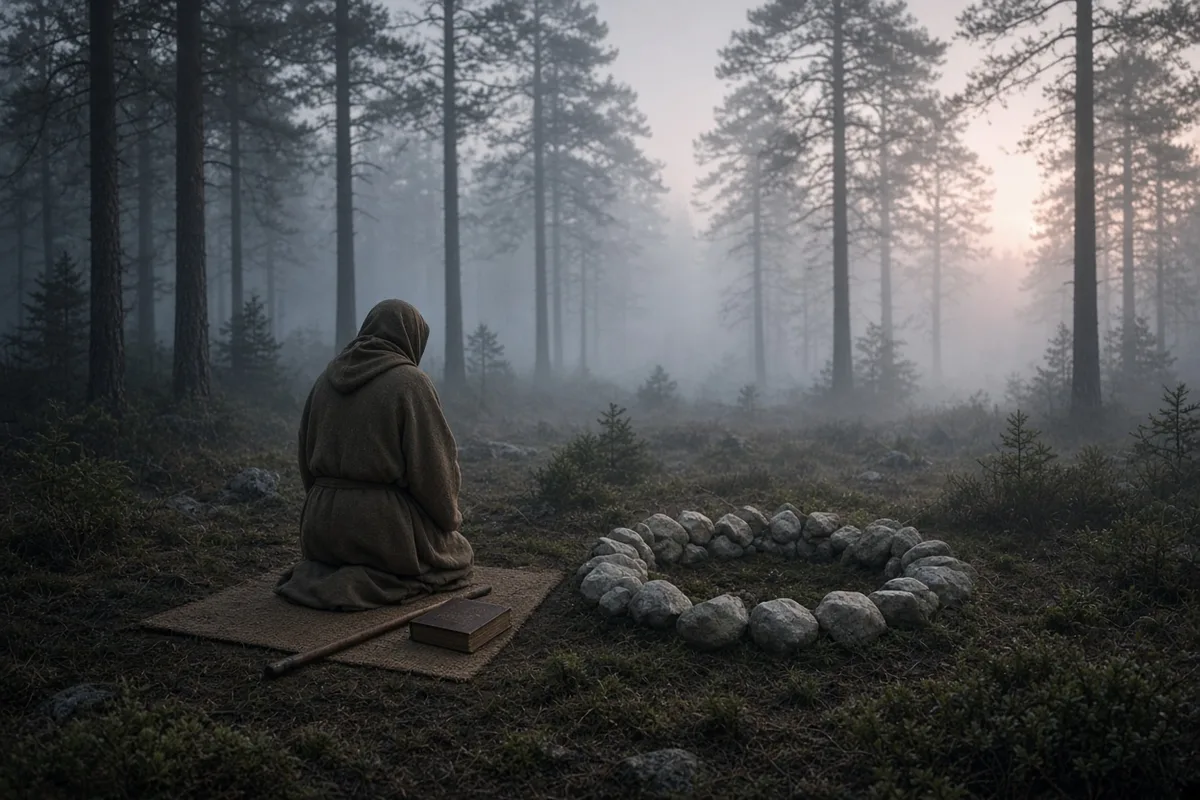
In 1958 a lama at the gompa near Chumik showed a visitor the small book wrapped in oilcloth that had remained on the shelf beside the butter lamps since 1934. The visitor, a trader from Rampur named Tenzin, copied the date 1925 written inside the front cover and noted that the pages contained verses from the Gospel of John in a dialect the interpreter from Leh could follow. The lama stated that no one had claimed the book after three winters.
The wool market at Rampur still opens each May when the passes clear. Traders from Kinnaur and from the Tibetan side meet there, and one or two of the older men sometimes mention the barefoot sadhu who crossed at Shipki La on 14 October 1912 and read aloud to the lama of Tashigang. The market records for 1963 list the names of six men who asked whether any new word had come from the Tsangpo river route since the snow of 1929.
A stone marker now stands at the edge of the common ground in the hamlet north of Shimla where the women spread grain on the flat roofs. The marker bears the date 9 May 1922 and the phrase “the voice inside their own silence” carved in the local script. Each year on that date the headman’s grandson places a bowl of tsampa beside the stone and waits until the light changes on the stones before returning to his house.