



Samaritan's Purse turns down $300M from State Department for humanitarian relief
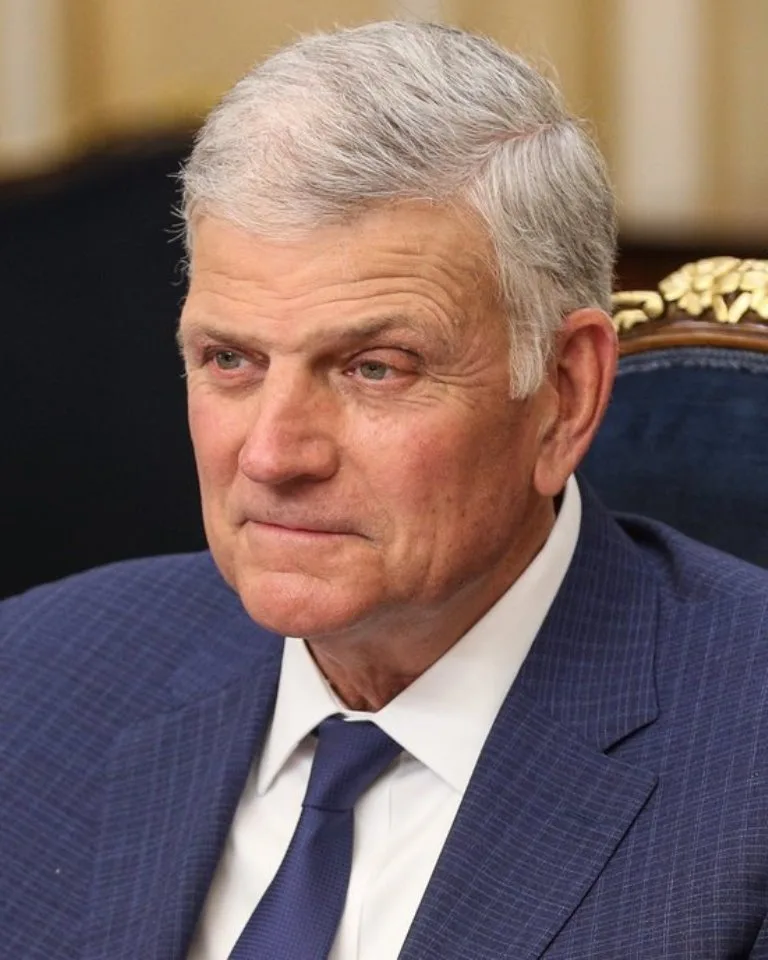
Franklin Graham’s Samaritan’s Purse sat on nearly $2.5 billion in reserve at the end of 2024 when the ministry turned down a $300 million State Department grant for humanitarian relief. In the Aug. 28 statement, Graham laid out the decision reached after prayer. “While we deeply appreciate the confidence that the State Department has placed in Samaritan’s Purse, after prayer and discussion, we have withdrawn from being a recipient of these funds,” Franklin Graham said. The money belonged to a larger $2 billion pledge the State Department announced on Aug. 6 for faith-based and community organizations. The humanitarian relief portion totaled $538 million and was to be administered by a consortium of World Vision, Compassion International, Accord Network, and Samaritan’s Purse. That same day World Vision announced it would accept its $238 million share for disaster relief work. Graham returned to the principle that has guided the Boone, North Carolina-based group. “Throughout my history leading Samaritan’s Purse, we have always relied on God, not government, for funding. We thank God for the incredible donors He has led to be a part of upholding this ministry,” Franklin Graham said. The organization has long kept government money to a small slice of its work. From 2020-2024 Samaritan’s Purse received $296 million in government grants, under 5% of its budget averaging over $1 billion a year. In 2024 alone it took more than $75 million in government grants out of $1.8 billion total revenue. Through it all the ministry kept active relief operations going, with disaster-relief specialists on the ground in Nepal following flash flooding, an emergency field hospital opened in Venezuela after the earthquake, and an Ebola Treatment Center running in the Democratic Republic of the Congo. Faith remains at the center of every response. “As we have done for decades, we will continue sharing the hope of the Gospel of Jesus Christ—His death, burial, resurrection, and coming return—always responding to crises in Jesus’ Name,” Franklin Graham said. He stressed the partnership would not end. “We are grateful for our working relationship with the State Department and will continue to be available to partner with the U.S. government in response to emergencies, just not through this macro grant program,” Franklin Graham said. He went on to say, “I am thankful for the changes President Trump has made to America’s foreign aid program and appreciate the tremendous efforts Secretary of State Marco Rubio has put into this. I’m grateful that the U.S. government remains the global leader in providing life-saving aid around the world.” By email a State Department spokesperson confirmed awareness of the withdrawal and the wish to keep working with the group. “Faith based organizations play a key role in global disaster response and we look forward to continuing our productive and collaborative relationship with this important faith-based organization,” the State Department spokesperson said. the awards themselves had changed once USAID was shut down after the inauguration-day executive order that froze foreign aid. “There was no request for proposals, which is something that was completely standard practice at USAID,” Mark Hetfield said. He added, “The change really is that there used to be a process to it. Non-governmental organizations were selected based on their competencies and their expertise, not based on their ideology or their political relationship with the government.” World Vision received more than $2.2 billion in government grants over a similar period, about 30% of its budget, and its 990 showed less than $500,000 in reserve as of September 2025. Samaritan’s Purse had nearly $2.5 billion in reserve at end of 2024.