



Human Brain Organoids Build Circuits in Cortex-Less Mice
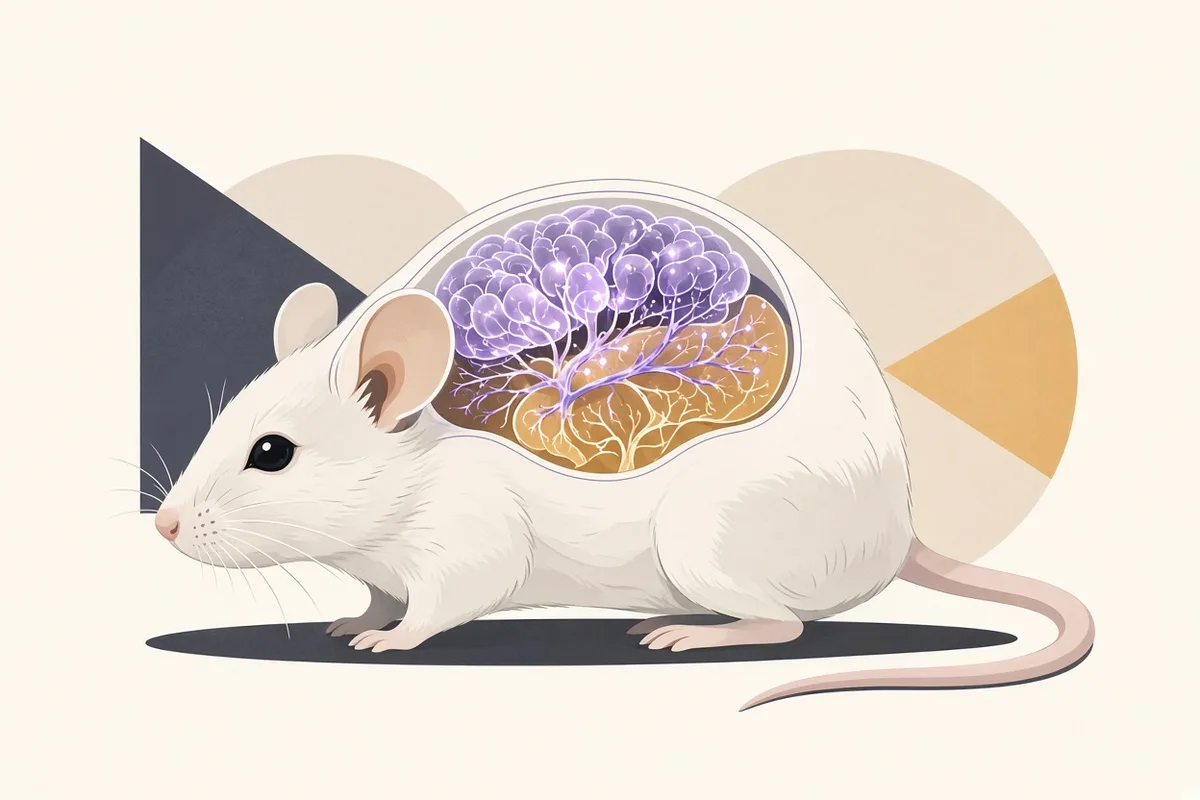
Scientists at Stanford transplanted human cerebral-cortex organoids into newborn mice genetically engineered to lack most of their cortex and hippocampus, creating space for the human tissue to grow and connect with the animals’ nervous systems. The grafts matured into cortex-like structures, formed functional neural circuits and in some tests restored much of the mice’s memory performance and improved their movement compared with mice that received no transplant. Researchers say the model could provide unprecedented access to living human neural tissue for studying brain development, neurodevelopmental disorders and conditions such as oxygen deprivation around birth, while also enabling drug testing. The approach addresses limitations of lab-grown organoids, which lack the full developmental signals and connections of a living brain, but it raises ongoing scientific and ethical questions about using human neural tissue in animals.