



Amateur Finds Germany’s Largest Hadrianic Coin Hoard
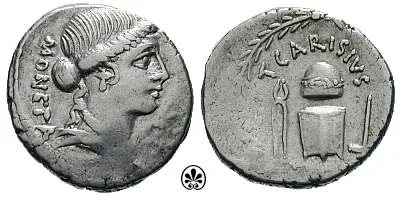
Amateur archaeologist Oliver Riedl found 934 Roman silver denarii near Wesseling, south of Cologne, after his metal detector kept signaling. He alerted authorities; specialists uncovered the 3.1-kilogram hoard, called Germany's largest from Emperor Hadrian's era by the Rhineland Office for the Preservation of Archaeological Monuments. It went on display at the LVR-LandesMuseum Bonn on September 22, 2026. Riedl said, "It was clear to me that there was something bigger buried here." Erich Classen said the coins were likely buried deliberately in the second quarter of the second century A.D. to keep money safe, as banks did not exist, and "perhaps the owner died before that could happen, without being able to pass on the knowledge about the coins." Rahel Otte said a legionary earned 300 denarii a year with about half withheld, needing roughly six years of disposable income to amass the hoard. One displayed coin dates to 148 B.C. The Cologne area was under Roman control roughly from 39 BC to AD 459 after Agrippa secured the Rhine. CONTESTED: No factual disputes in the record; all outlets draw the same LVR figures and quotes. Owner identity and exact non-recovery reason remain unknown.