



Siberian Tomb Reveals 2,800-Year-Old Cannabis Use
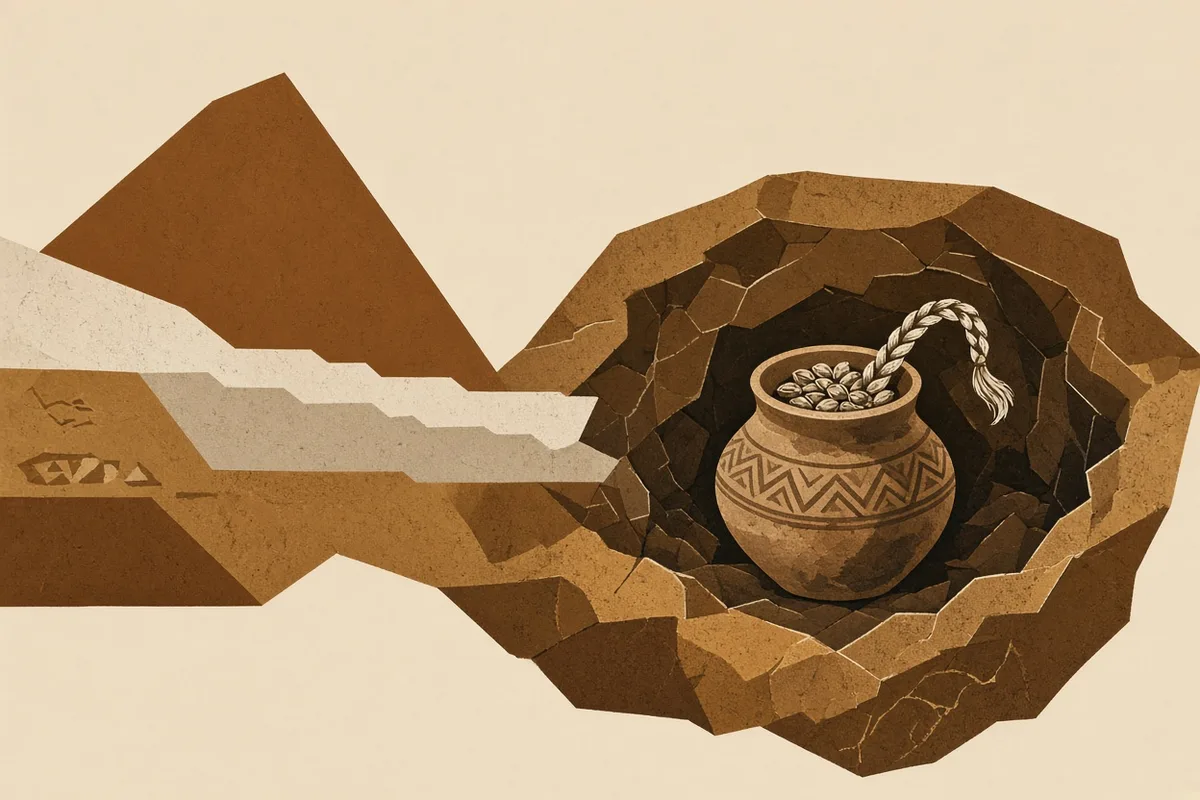
Archaeologists at a 2,800-year-old Scythian burial mound at Tunnug 1 in southern Siberia's Uyuk Valley found more than 1,000 cannabis seeds and about 500 fragments, and human hair with signals consistent with THC and cannabinol. Radiocarbon dating placed the seeds between 800 and 760 BCE. A team from Germany, Russia, Sweden and Switzerland began the dig in 2017 and published Thursday in Science. Researchers say the find is the oldest direct evidence of psychoactive cannabis use, predating similar China findings by at least 300 years, and that seeds were deliberately placed in the tomb. Gino Caspari said it is extremely rare to have preserved plant parts and human soft tissue with the active compounds in the same context. The team says the evidence cannot show how cannabis was consumed or whether seeds came from plants cultivated for intoxication. Volker Auwaerter said the hair analysis is scientifically weak and falls far short of what would have been possible, noting hair data carry the main claims on consumption and psychoactive use. He said external burial exposure could not be ruled out. Sequencing of plant samples has begun to study domestication and spread.