



Scientists inject 6,000 elms to breed disease-tolerant stock
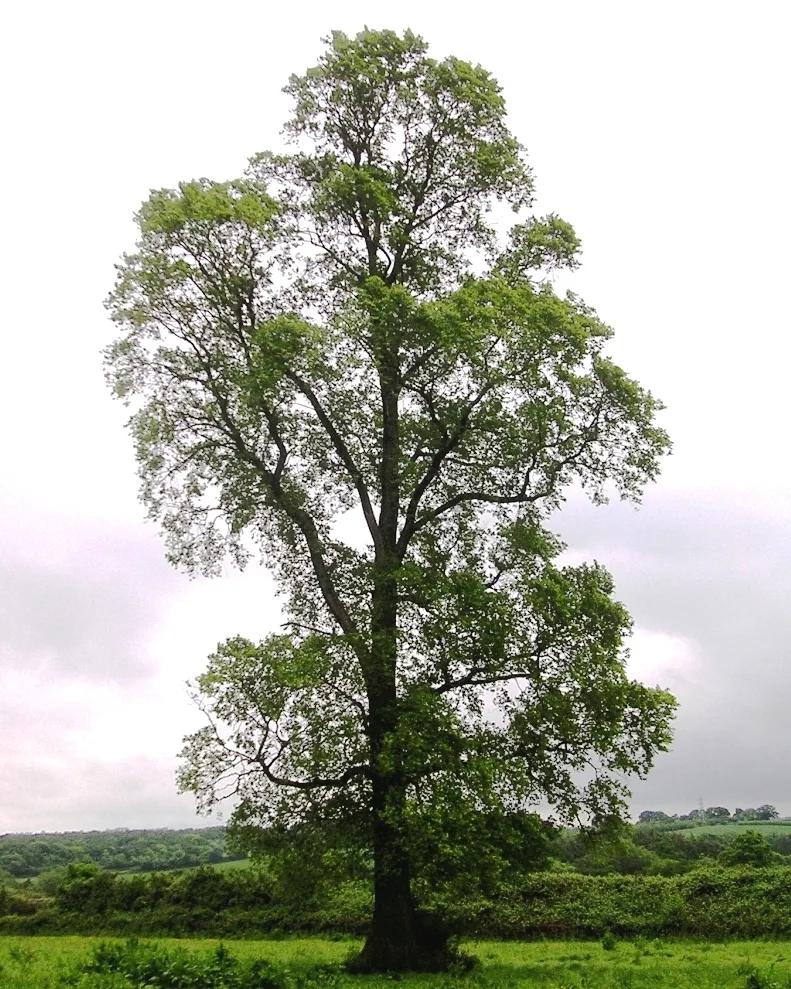
Scientists in Vermont are leading efforts to restore American elms by testing resistance to Dutch elm disease through inoculating 6,000 young trees, with survivors entering a breeding program to expand genetic diversity for future restoration in forests, along riverbanks, and backyards. The project aims to ultimately produce seeds via a seed orchard after about 15 years, enabling large-scale reestablishment of elms once they are propagated. Dutch elm disease, a fungus spread by bark beetles, has decimated elms for decades and helped shrink the species’ presence in New England, making preservation crucial for forest hydrology and ecosystem resilience in a changing climate. The initiative reflects a broader national effort to combat forest pests and diseases that threaten industries like logging and the ecological balance of forests. Similar conservation battles are underway in other states, including North Carolina, where efforts to save ash trees are part of the same push to safeguard biodiversity and forest health through proactive interventions. By shifting from treating symptoms to building genetic and biological resilience, these programs seek long-term restoration of iconic elm populations and healthier forests for future generations.
Where do you stand?