



Scientists Recreated Chirps of Jurassic Insects, Simulating a 165 Million-yo Soundscape (Listen)
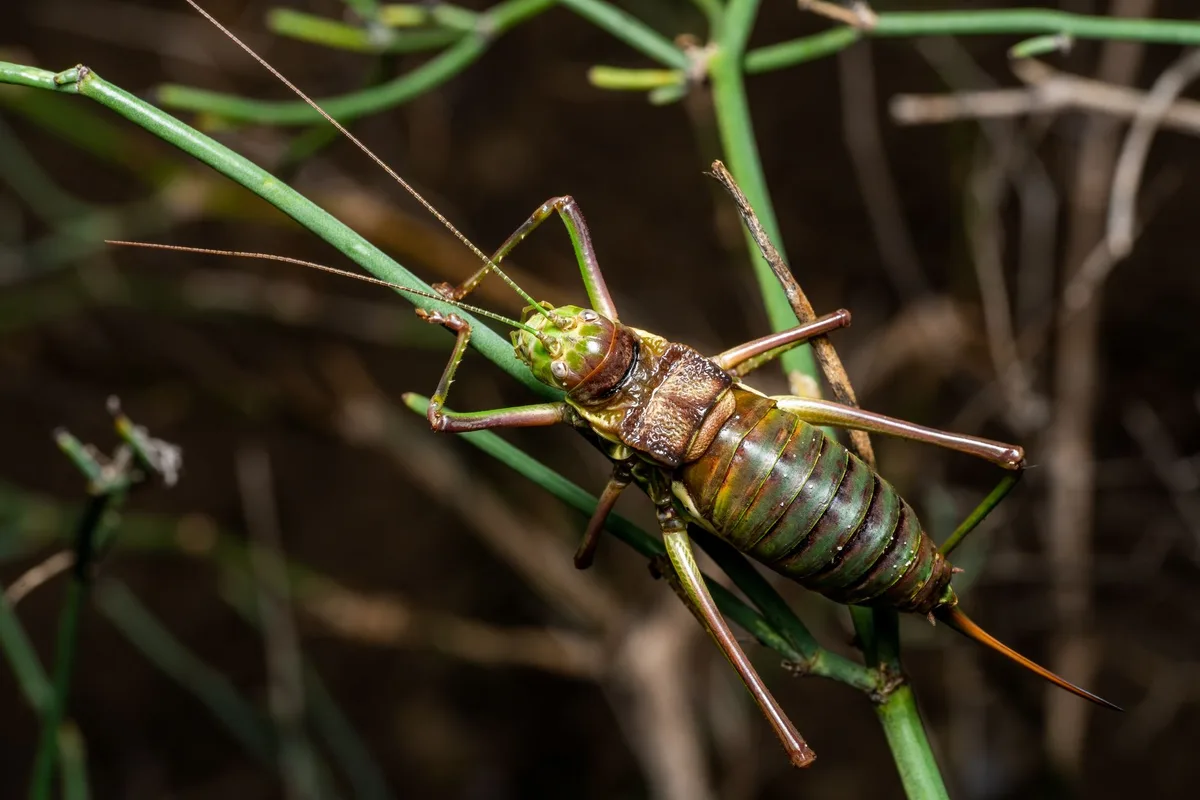
Thorin Jonsson at the Institute of Biology at the University of Graz received well-preserved fossils of nine grasshopper species collected by his Chinese colleagues from a single Middle Jurassic site in what is now Inner Mongolia. The wing ridges and teeth that these insects used to make sound stood out clearly on the stone, giving the team direct measurements they could feed into models. The insects belonged to the order Orthoptera and produced sound by rubbing one wing structure against another or against a leg. The spacing and number of teeth on each ridge, along with the shape and motion of the wings, determined the exact pitch and rhythm of each call. Because the fossils captured those physical details, the researchers could calculate frequency values without needing any soft tissue that had long since disappeared. Jonsson and his collaborators from the universities of Lincoln, Bristol, Beijing, and Tempe ran the measurements through a series of analyses, computer simulations, and AI evaluations. The process yielded the specific hertz values for each species and allowed them to recreate short sequences of the original stridulations. The work appeared in the journal PNAS. Several of the nine species produced steady, low-pitched tones much like those of living crickets. Others generated higher, sharper notes that resemble the calls of modern leafhoppers. The team recorded a clear range of frequencies across the group rather than a single uniform sound. One relative of the katydid, Sigmaboilus peregrinus, stood out because its reconstructed call fell between 20 and 22 kilohertz, just above the upper limit of human hearing. The species lived millions of years before the earliest known bats, so the ultrasonic range could not have evolved as a response to bat echolocation. The researchers considered that the high-frequency calls may have helped the insects avoid other predators present at the time or may have allowed males to be heard above the background noise of the Jurassic night. Either possibility points to acoustic pressures that existed long before bats appeared. The study supplies the oldest direct reproduction of any animal sound yet achieved. The wing features function like a set of instructions that modern computing can translate into audible output, much as ancient musical notation can still be performed today. The resulting simulations show that the Middle Jurassic soundscape already contained a wider variety of insect calls than earlier assumptions had allowed.
Where do you stand?