


SMX Says Oil Volatility Elevates Recycled Plastic
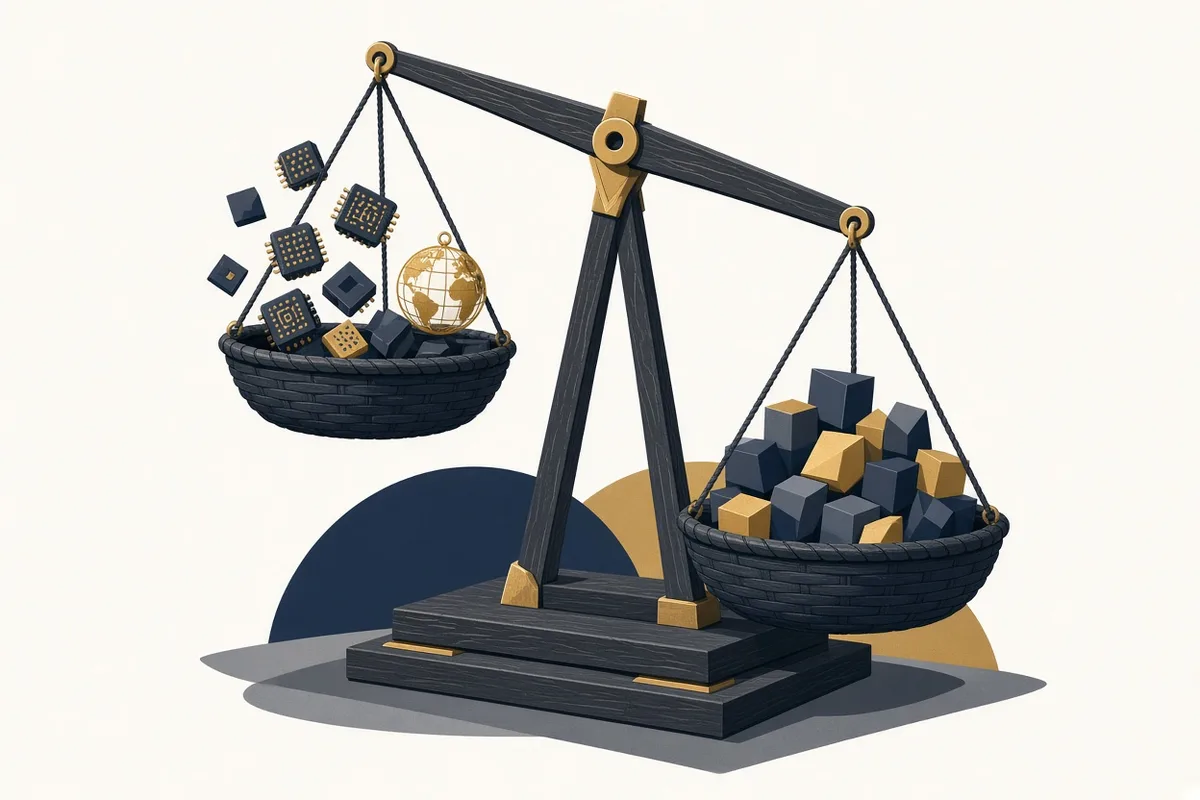
Rising oil and diesel costs, supply disruptions, tariffs and potential plastic taxes are making recycled plastic an increasingly important economic alternative to virgin plastic, not merely an environmental choice. Because virgin plastic depends on fossil-fuel feedstocks and energy-intensive transportation and manufacturing, energy shocks can raise costs throughout the supply chain and contribute to broader affordability pressures. The “Age of Parity,” as described by SMX, refers to the point at which recycled and virgin plastic become more competitive in price, potentially turning recovered waste into a domestic industrial resource. SMX says traceability tools can help verify recycled content and strengthen confidence in recycled plastic as a reliable manufacturing input. The environmental case remains urgent: Bangladesh’s plastic consumption has risen sharply, while only about 31% of its plastic was recycled in 2020, and researchers continue to find microplastics throughout the environment. Together, the articles argue that expanding recycling infrastructure and reducing reliance on single-use plastics can address both economic volatility and the growing waste crisis.
Where do you stand?