


Spaceflight Alters Alzheimer’s-Linked Protein Processing in Brain Organoids
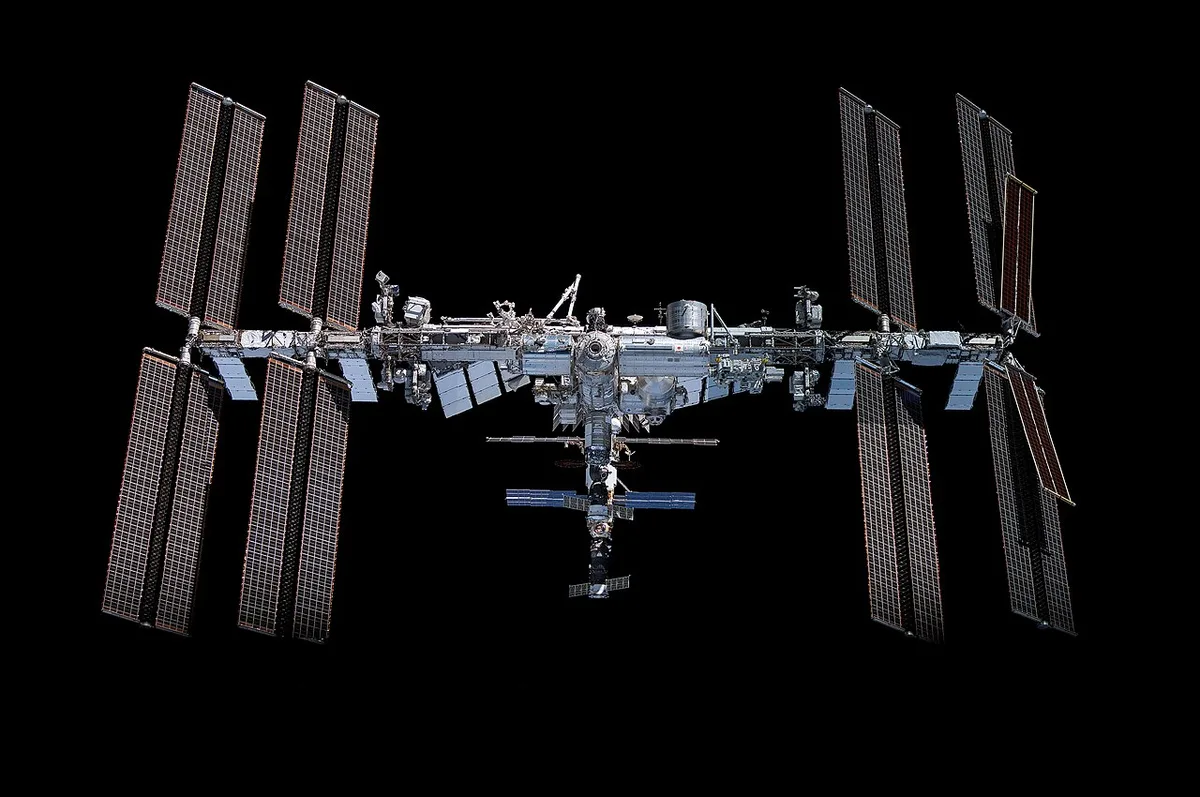
Human cortical brain organoids carrying Alzheimer’s-associated mutations spent more than 40 days aboard the International Space Station, where microgravity, radiation and other spaceflight stresses altered molecular and cellular processes. After their return, researchers found mutation-specific changes: APP-mutant organoids had elevated amyloid-beta, PSEN2-mutant organoids had more phosphorylated tau, and PSEN1-mutant organoids showed extensive changes in gene activity; researchers also detected shifts in nerve-cell signaling, energy production and RNA processing. A stress-response protein, CIRBP, increased across the organoid groups and may warrant further study. The findings suggest spaceflight could offer a way to investigate disease-related processes that are difficult to reproduce on Earth, but the work is preliminary, and organoids do not fully replicate human brains; researchers say they need to test whether the changes can be reproduced on Earth and explore more complex models.