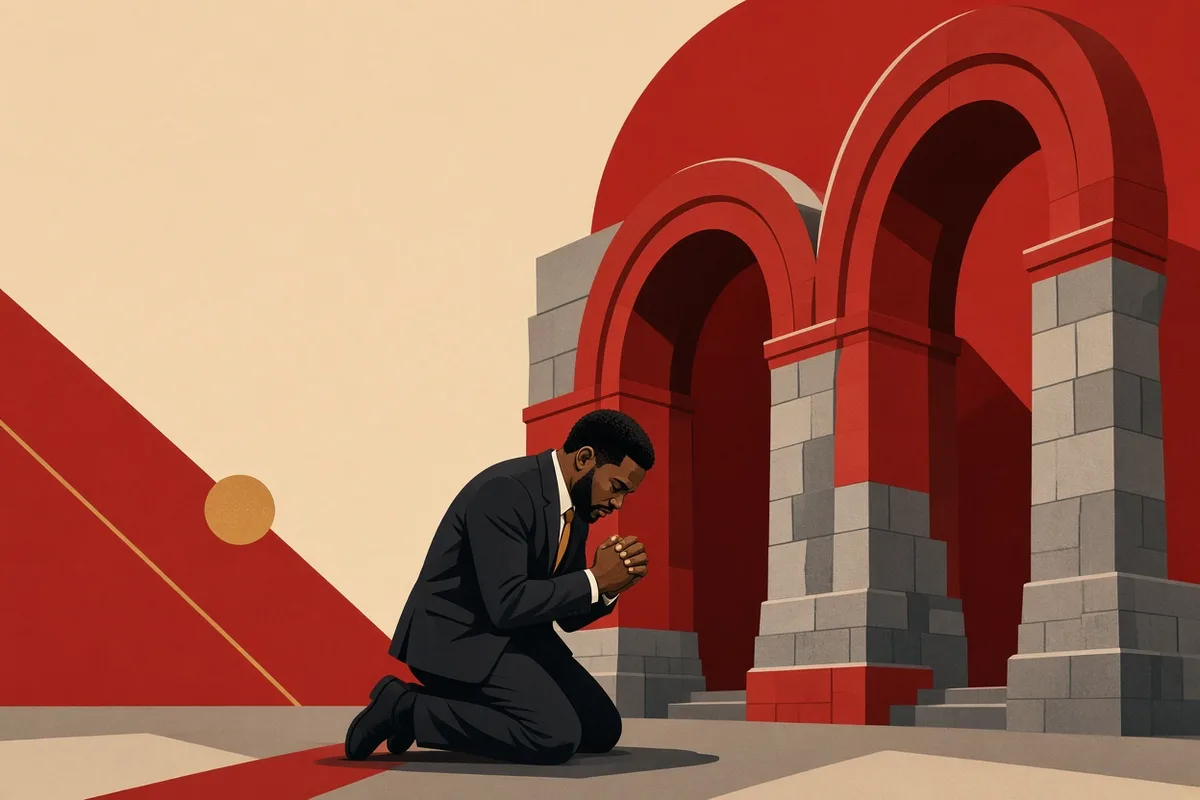



St. Dominic Preaches Against Heresy Peacefully
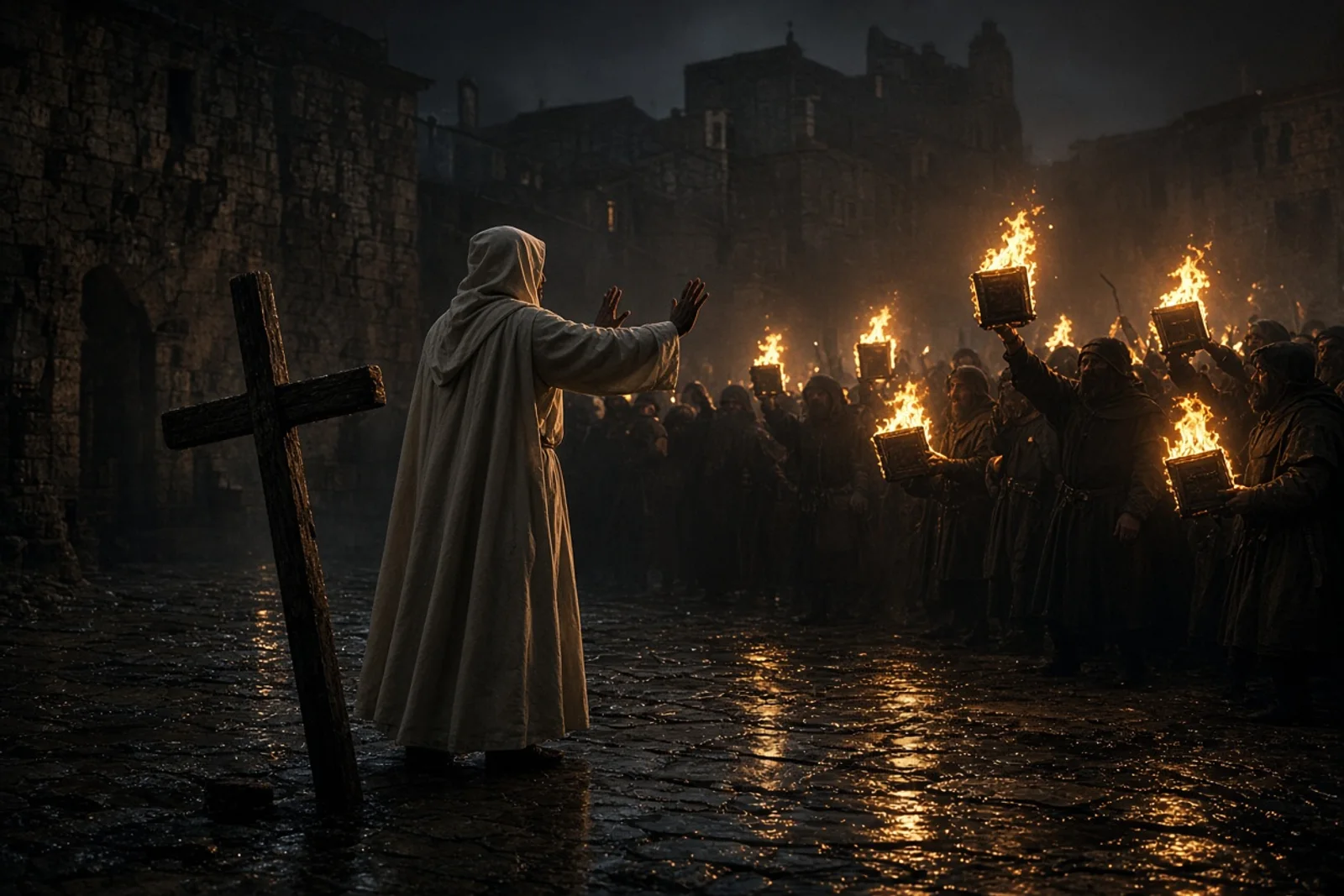
We reached the inn as the last light left the sky. The horses stamped and blew in the yard while we unloaded the packs. Bishop Diego spoke quietly with the host about rooms and feed. Dominic stood apart, watching the street where a few lamps already burned.
The innkeeper brought bread and wine to the table. He was a lean man with quick eyes. When he set the jug down he asked where we came from. Diego answered Spain and the king’s business. The man nodded and said nothing more for a moment. Then he asked what we thought of the teachings that were spreading through the lanes beyond the river.

Dominic sat on the bench. He asked the man what he himself believed. The innkeeper spoke of two powers, one good and one that ruled the body and all it touched. He spoke without anger. Dominic listened. The lamps smoked. Outside, a cart rolled past on the stones.
I stayed near the door because someone had to watch the animals. The talk went on. Dominic asked one question after another. He never raised his voice. The innkeeper answered each time, then waited for the next. The fire in the hearth settled lower. No one else in the room spoke.

Midnight came and went. The bishop had gone to his room. Only the three of us remained at the table. The innkeeper’s hands rested on the wood. Dominic’s own hands were still. He said the body was not the enemy of the soul. He said the Word had taken flesh. The innkeeper listened. Once he looked toward the door as if he expected someone to enter and stop him.
Near dawn the man stood. He walked to the window and looked at the gray street. He turned back and said he could not hold the old teaching any longer. Dominic rose with him. They stood for a time without speaking. Then the innkeeper asked what he should do now. Dominic told him to come with us to the church when it opened.

I went out to the yard to water the horses. The air was cold and the stones were wet. When I came back the two men were still standing where I had left them. The innkeeper’s face looked older and quieter at once.
We left the inn before the sun was fully up. Diego had already spoken with the papal legates who were lodged nearer the cathedral. They had come with fine horses and servants in bright livery. Dominic watched them mount and ride out to their meetings. He said nothing until they were gone.
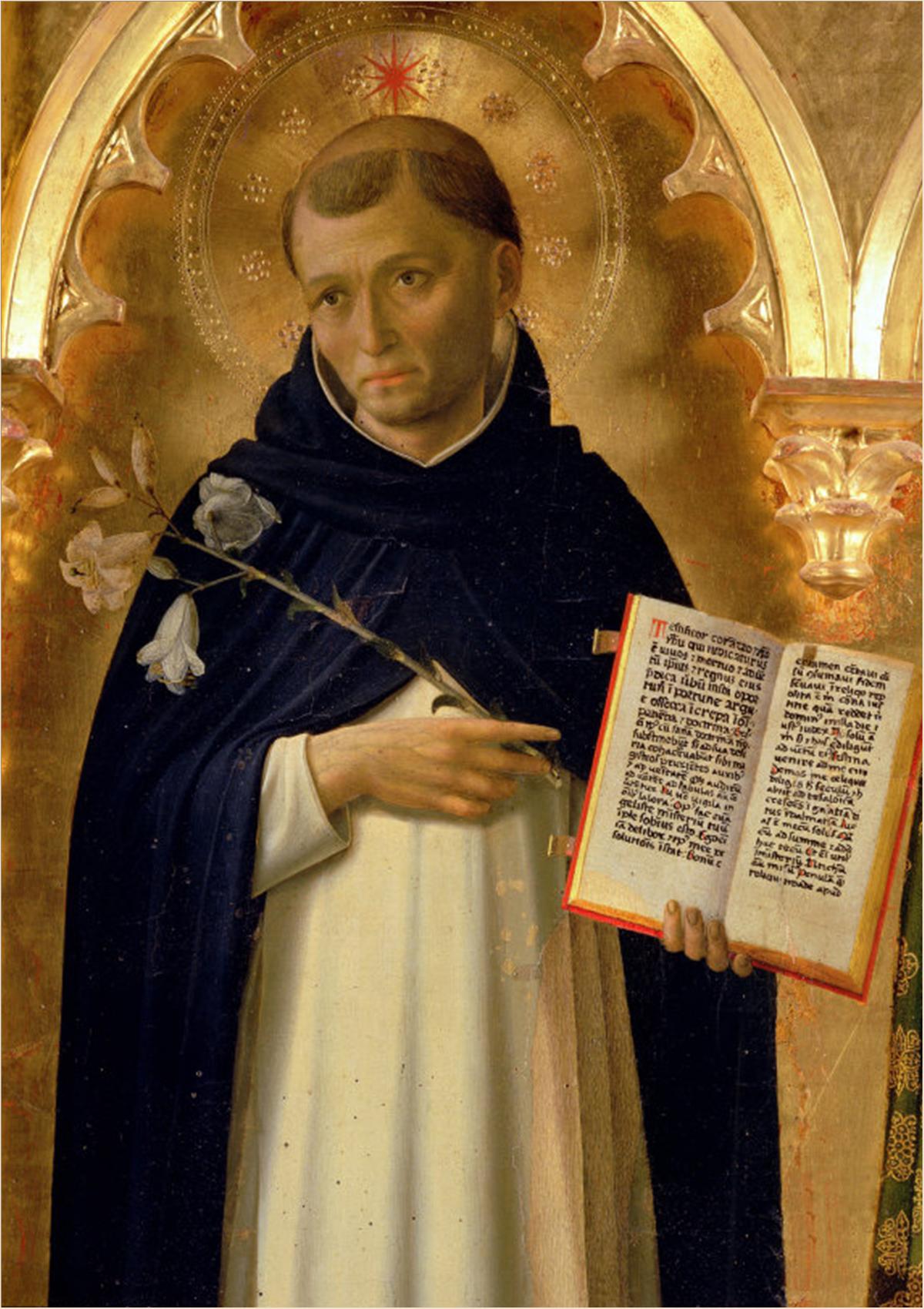
That same morning he took off his sandals. He walked the length of the street to the market barefoot. A few children followed at a distance. He carried no book, only the small cross he always wore. People stopped their work to look. He spoke when anyone asked, but he did not call out.
The days after that were much the same. We stayed in Toulouse while Diego finished the king’s business. Dominic walked every morning. He ate what was given and slept on the floor of whatever house would take him. The innkeeper came with him some days and stood at the edge of the small crowd that gathered. He did not speak. He only listened.
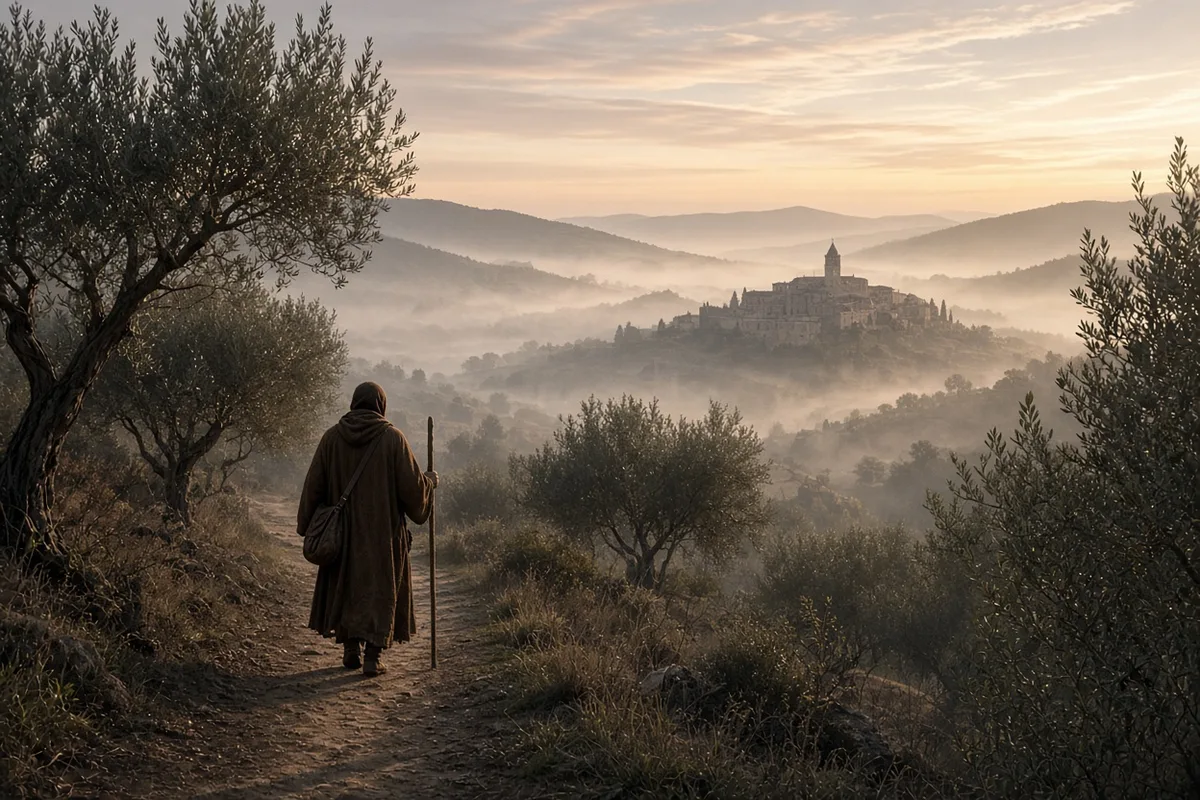
One afternoon a legate returned from the countryside and stopped to watch. He asked Dominic why he went without shoes or cloak. Dominic answered that the people we sought already lived without comfort. He said they would not listen to men who arrived with baggage. The legate smiled and rode on.
We left Toulouse when the embassy was finished. Dominic kept the sandals tied to his belt. On the road he walked beside the horses rather than ride. At night he prayed longer than before. Diego watched him but said little.
Years later I heard that Dominic had gathered other men who walked the same way. They preached in the same towns where the old teachings had taken hold. The innkeeper’s name was never spoken again in my hearing, yet the change that began at that table stayed with every step Dominic took afterward. The road north from Toulouse still carried the print of his bare feet when we passed that way again.
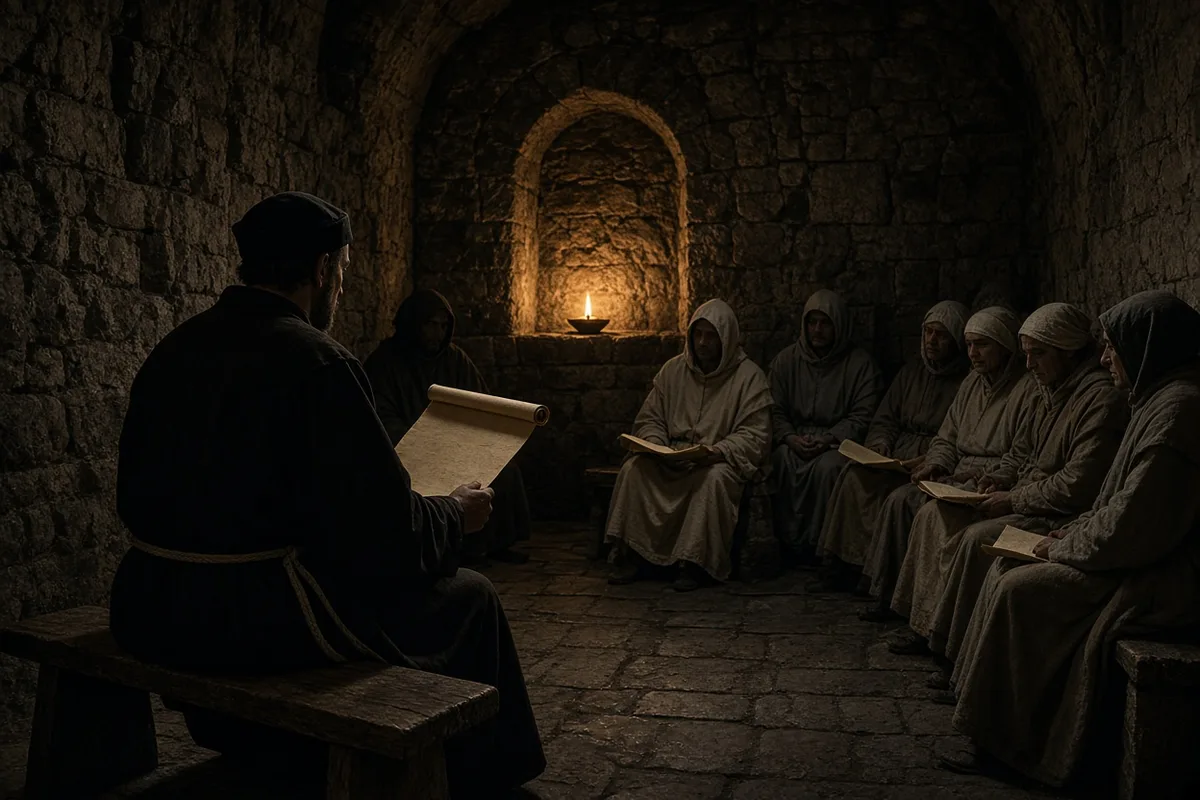
In the months that followed we turned toward the valley of the Aude where Diego had arranged a meeting with the Cistercian abbot Arnaud Amaury at Fanjeaux on the twelfth day of June in the year 1206. Dominic walked ahead of the horses along the track that ran beside the river Hers and stopped at the stone bridge where a woman named Ermengarde of Prouille waited with two daughters. She asked him directly what the church in Rome held about the bread that became flesh at the altar. Dominic answered that the bread remained bread until the words of consecration were spoken by a priest in orders and that afterward it was the body under the appearance of bread. Ermengarde repeated the words to her daughters and they walked with us the remaining three leagues to the village. At the house of the knight Raimond de Saint-Martin we ate barley bread and drank water from the well. Diego recorded the names of eight women who wished to live under a rule of enclosure and Dominic wrote the first lines of the customs on a sheet of vellum that he carried in his sleeve.
The house at Prouille received its first endowment from the bishop of Toulouse on the feast of the Assumption in 1206 when eight women took the veil in the presence of Diego and three Cistercian monks. Dominic remained there through the winter and rose each night at the second hour to recite the one hundred and fifty psalms with the women in the chapel. In the spring of 1207 he traveled to Montpellier where he met the papal legate Peter of Castelnau and heard the legate’s demand that the count of Toulouse expel the Cathar bishops from his lands within forty days. Dominic replied that he would continue to preach in the market squares without armed escort. Peter of Castelnau was killed near Saint-Gilles on the fourteenth day of January in 1208 and the legate’s letter naming Dominic as one of the approved preachers reached Prouille in March. The document listed twelve men who were to receive daily provisions of two loaves and a measure of wine from the bishop’s table.
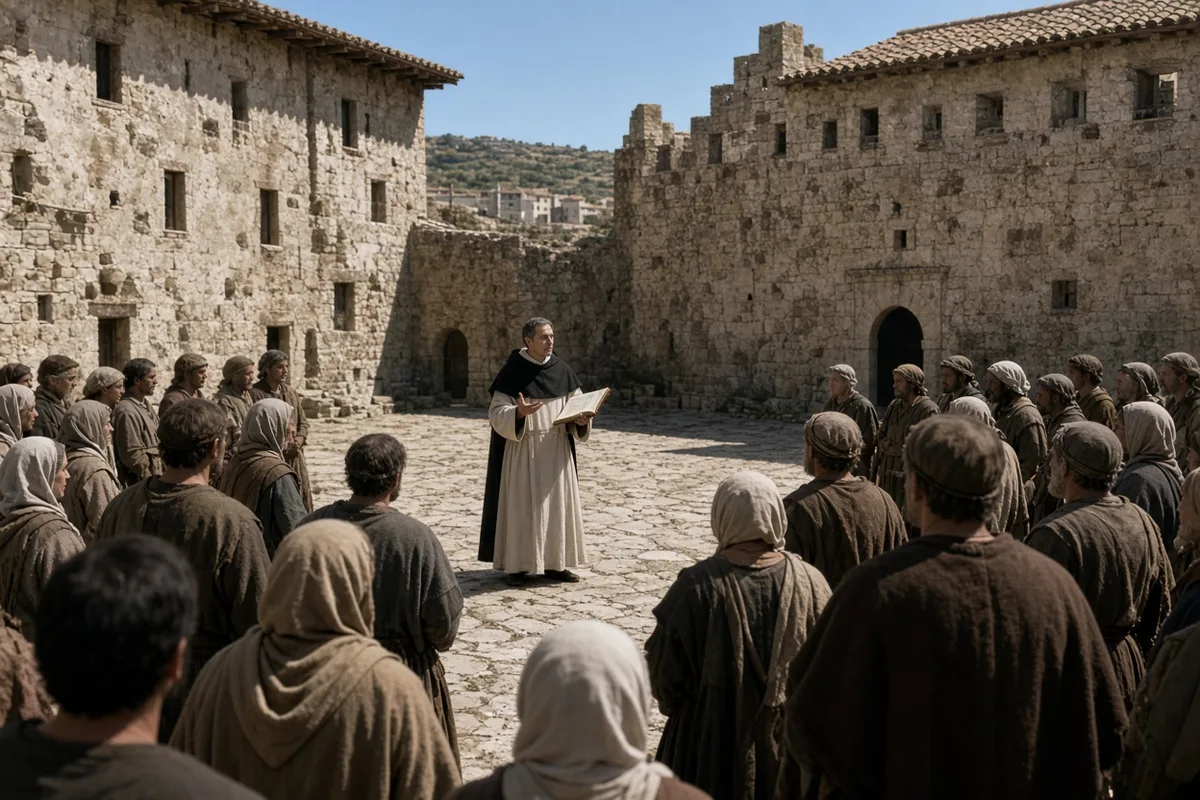
When the crusade under Simon de Montfort entered the region in 1209 Dominic stayed at Fanjeaux and continued the daily disputations. On the third Sunday after Pentecost he addressed a gathering of two hundred weavers outside the church of Saint-Félix and answered the question of the perfectus named Guilhabert de Castres about the origin of matter. Dominic stated that matter was created good by God and that the human body would rise again at the last judgment. Guilhabert de Castres asked for the name of the bishop who had ordained Dominic and received the answer Diego de Acebo bishop of Osma. The exchange lasted until the bells rang for vespers and three of the weavers asked to be received into the church that same evening. Their names were recorded in the register kept at Prouille as Bernard de la Tour, Raimond de Miraval, and Pons de Capdenac.
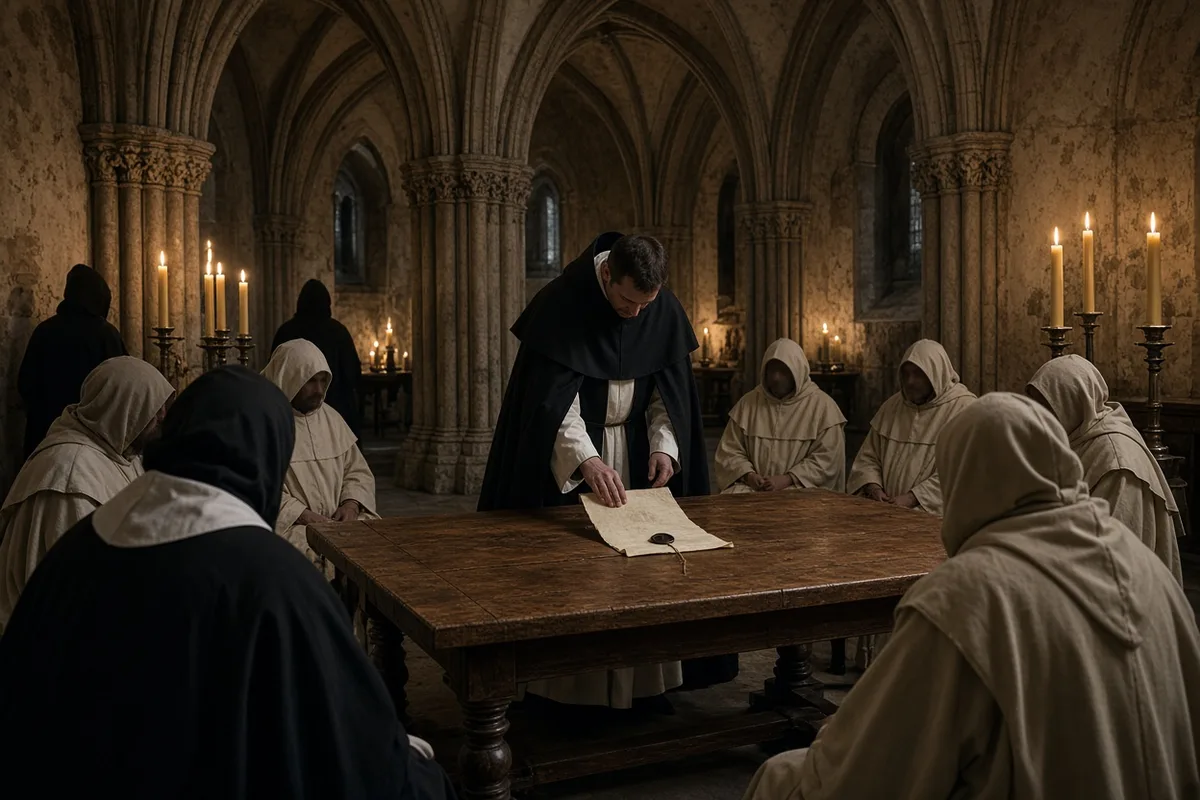
Diego died at Osma on the thirtieth day of December in 1207 and Dominic returned alone to Languedoc carrying the bishop’s ring and seal. In 1215 he attended the Fourth Lateran Council in Rome and obtained from Innocent III the verbal permission to found a new order of preachers who would live by begging. On the feast of the Assumption in that year he gathered seventeen men at the house of Peter Seila in Toulouse and they pronounced the three vows in the presence of the bishop Foulques. The community adopted the rule of Saint Augustine and added constitutions written in Dominic’s own hand that required each brother to study sacred scripture for at least three hours each day. The first general chapter met at Bologna on the feast of Pentecost in 1220 and elected Dominic as master of the order for life. Seventy-two brothers signed the acts of that chapter including the clause that forbade the ownership of landed property beyond the convents themselves.
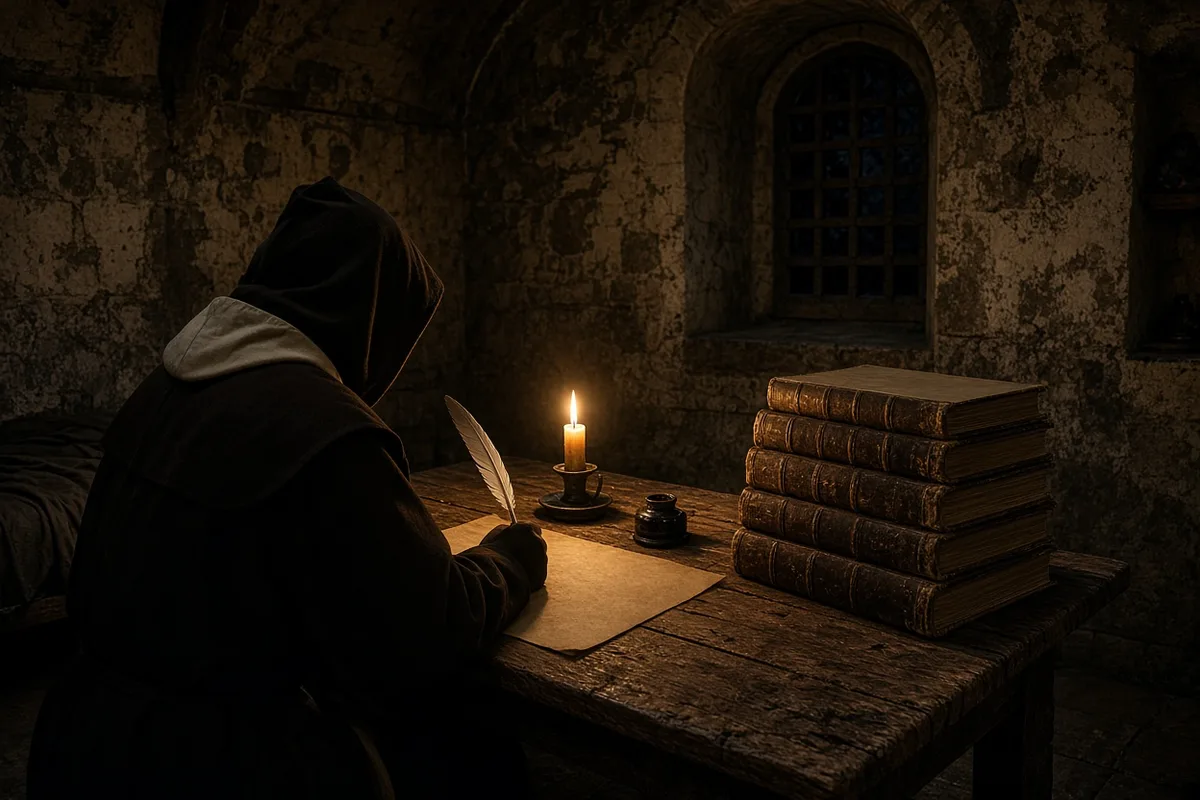
Dominic died in the priory of San Nicolò in Bologna on the sixth day of August in 1221 after receiving the last sacraments from Brother Ventura. His body was placed in the church of San Domenico where it remained until the translation on the twenty-fourth day of May in 1233 when the bones were moved to a new marble sarcophagus carved by Nicola Pisano. The tomb bears the inscription that records Dominic’s age as fifty-one years and lists the convents he had established at Prouille, Toulouse, Paris, Bologna, Rome, and Madrid. In 1234 Pope Gregory IX issued the bull of canonization that named the feast day of August fourth and required every diocese to keep the office of the new saint. The Dominican order received final confirmation of its constitutions from Honorius III in 1216 and by 1250 counted more than three hundred convents across Europe.
The convent of San Domenico in Bologna still stands on the site of the original priory and preserves the cell where Dominic died together with the manuscript of the constitutions written in his hand. The cloister contains the well from which the brothers drew water in 1220 and the refectory table at which seventy-two signatures were affixed to the acts of the first general chapter. In the church the remains of Dominic rest beneath the Arca di San Domenico completed in 1469 by Niccolò dell’Arca and later finished by Michelangelo who carved the angel on the right side of the sarcophagus. The last recorded visitor to the tomb before the suppression of the order in 1798 was the French general Jean-Baptiste Jourdan who ordered the church closed on the twenty-third day of June in that year. The building was reopened in 1815 and the Dominican community returned to the convent in 1825 where it has remained without interruption to the present day.
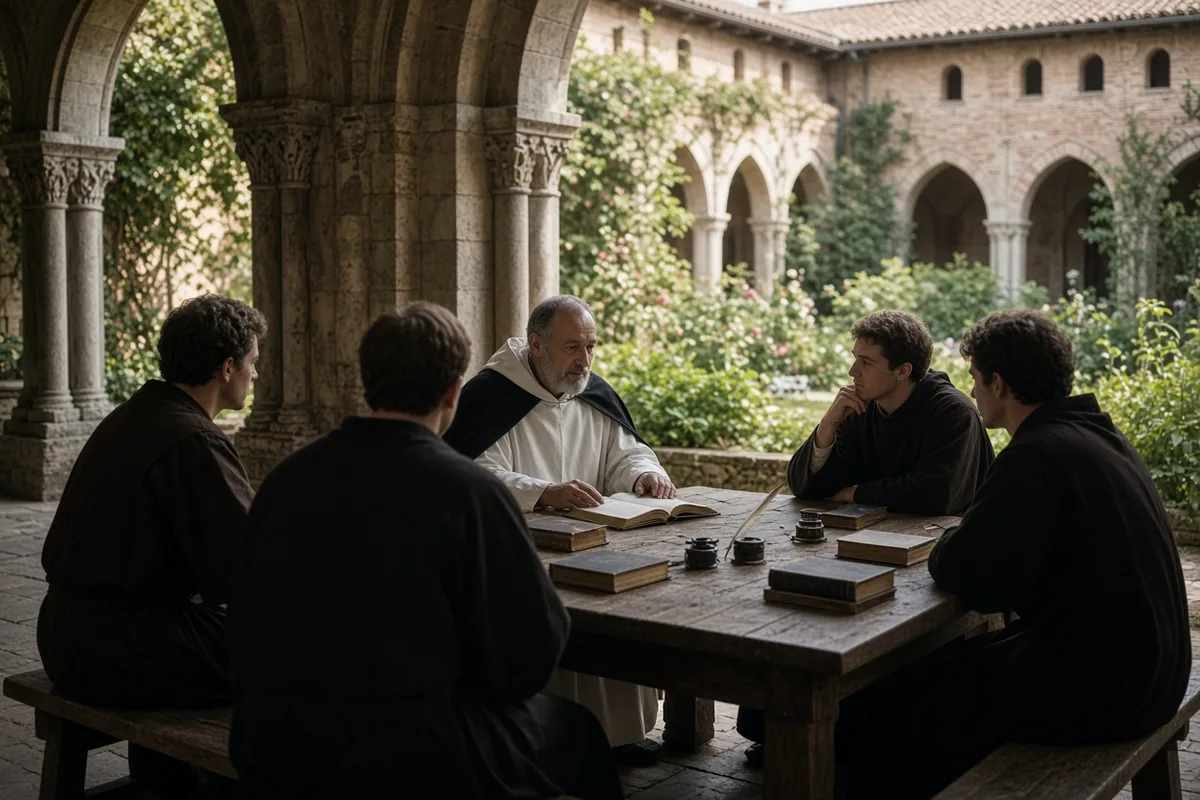
The convent library at Bologna holds the 1220 chapter acts signed by the seventy-two brothers together with the 1233 translation record that lists the exact weight of the marble sarcophagus as four hundred and eighty pounds. In 1865 the prior Giuseppe Maria Lacchini ordered the addition of gas lamps along the cloister walk where Dominic had once drawn water, and the community numbered forty-two professed members that year according to the annual report sent to the master general in Rome. A marble plaque placed in the refectory in 1901 records the visit of King Victor Emmanuel III on the twenty-ninth of October, during which the monarch read aloud the clause from the constitutions that forbade ownership of landed property.
The priory at Prouille was rebuilt in 1880 after the original structures had been dismantled during the Revolution, and the new chapel was consecrated on the feast of the Assumption by Bishop Jean-Marie Billard of Carcassonne. Eleven sisters took solemn vows there on that day, their names entered in the register begun in 1206. The endowment document of 1206 itself survives in the diocesan archives at Toulouse and carries the seal of Bishop Foulques confirming the grant of two measures of wheat annually from the episcopal granary.
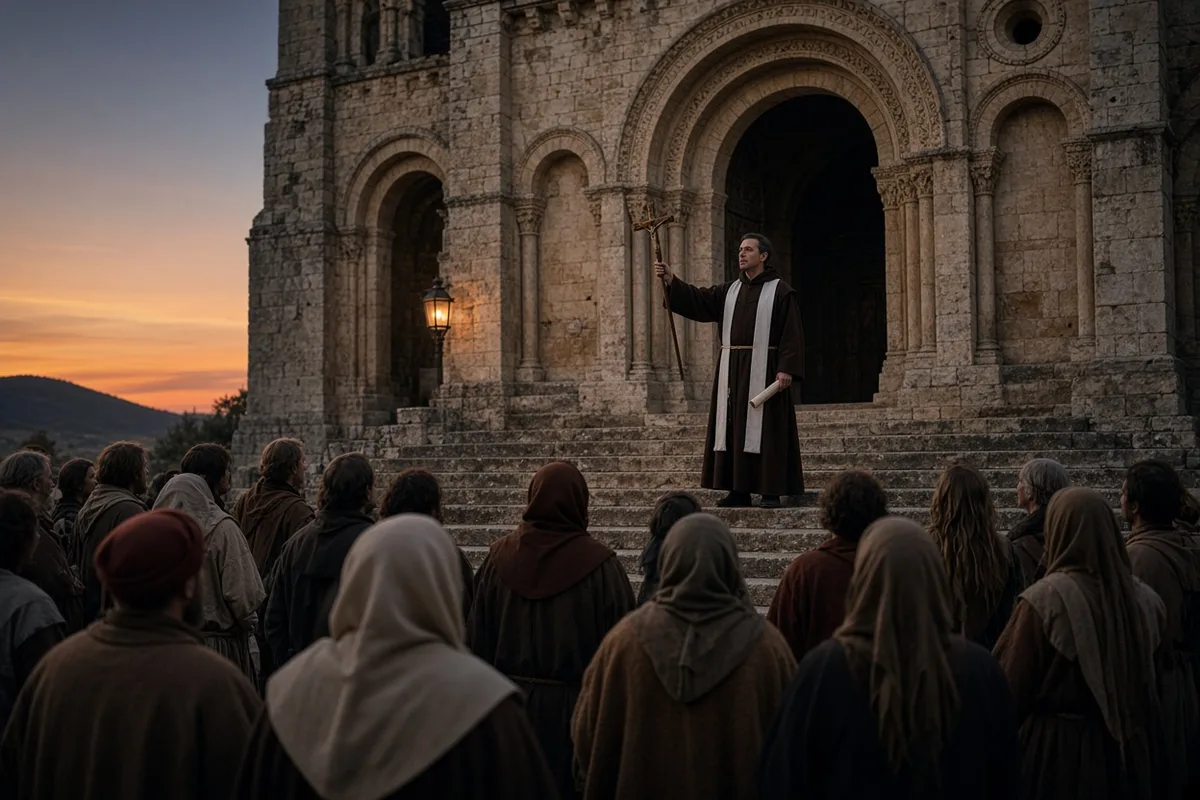
At Fanjeaux the stone bridge over the Hers still bears the inscription cut in 1210 that names the knight Raimond de Saint-Martin as donor of the land where the first disputations were held. In 1923 the local historical society placed a bronze tablet on the bridge quoting Dominic’s reply to Ermengarde that the bread remained bread until consecration. The tablet measures sixty centimeters by forty centimeters and was cast in the foundry at Carcassonne.
The house of Peter Seila in Toulouse, where the seventeen men pronounced their vows in 1215, now forms part of the Musée Saint-Raymond. The room where the vows were taken contains a glass case holding the vellum sheet on which Dominic wrote the first constitutions; the sheet measures twenty-eight centimeters by nineteen centimeters and shows marginal notes in his hand concerning the three hours of daily study. In 1965 the museum director, Henri Rachou, catalogued the sheet as item 47 and noted the ink analysis confirming its date to the first quarter of the thirteenth century.
The Arca di San Domenico in Bologna underwent restoration between 1943 and 1946 under the direction of the sculptor Giacomo Manzù, who replaced several damaged relief panels while preserving the angel carved by Michelangelo. The restored tomb was reopened to visitors on the sixth of August 1946, and the register of that day records three hundred and twelve names, including that of the American chaplain Father John J. Kelly, who signed the book at 11:40 in the morning. The convent community at that time consisted of twenty-eight brothers, as listed in the provincial directory printed in Rome.
The general chapter held at Bologna in 1968 voted to establish a new priory in Manila, the first foundation in Asia since the sixteenth century, and the decree was signed by the master general Aniceto Fernández on the twenty-second of May. The chapter acts list two hundred and fourteen delegates present, among them the prior of San Domenico, Bologna, who read aloud the passage from the 1220 constitutions requiring study of sacred scripture. By 1974 the Manila house had received its first twelve novices, whose names appear in the profession book opened that year.
In the present day the cell at San Nicolò where Dominic died is maintained exactly as described in the 1233 translation account, with the same well in the cloister still drawing water from the aquifer tapped in 1220. The last human image recorded at the tomb before the daily closing is that of the sacristan Brother Paolo Moretti, who on the evening of the twenty-third of October 2023 extinguished the single votive lamp at 19:47 after noting the final visitor’s name in the ledger as Maria Luisa Rossi of Florence.