


St. Elizabeth Ann Seton Founds Sisters of Charity
The wagon wheels bit into the mud outside the stone house on the hill. I had come up from Baltimore with two bundles and a letter from Father Dubourg, expecting nothing more than a roof and work with the children. The air smelled of wet pine and the first woodsmoke of the season. Three women already waited on the porch, their black dresses plain against the whitewash. One of them stepped forward and took my hand without asking my name.
Elizabeth Seton stood a little apart, smaller than I had pictured, her face thinner from the years of moving. She wore the same rough wool as the rest of us. When she spoke it was low, almost to herself, about the need for a place where girls without money could learn letters and prayers. She had brought her own daughters with her, and they carried baskets of books up the steps as if they had done the same task a hundred times before.

We slept that first night on straw mattresses in the attic. The roof leaked in two places. At dawn she was already awake, sweeping the main room and marking places on the floor with chalk where desks would stand. No one had told us the exact day the school would open, only that it must begin soon. By the third morning the chalk marks were gone and six girls from the valley sat on benches, their feet not quite reaching the floor.
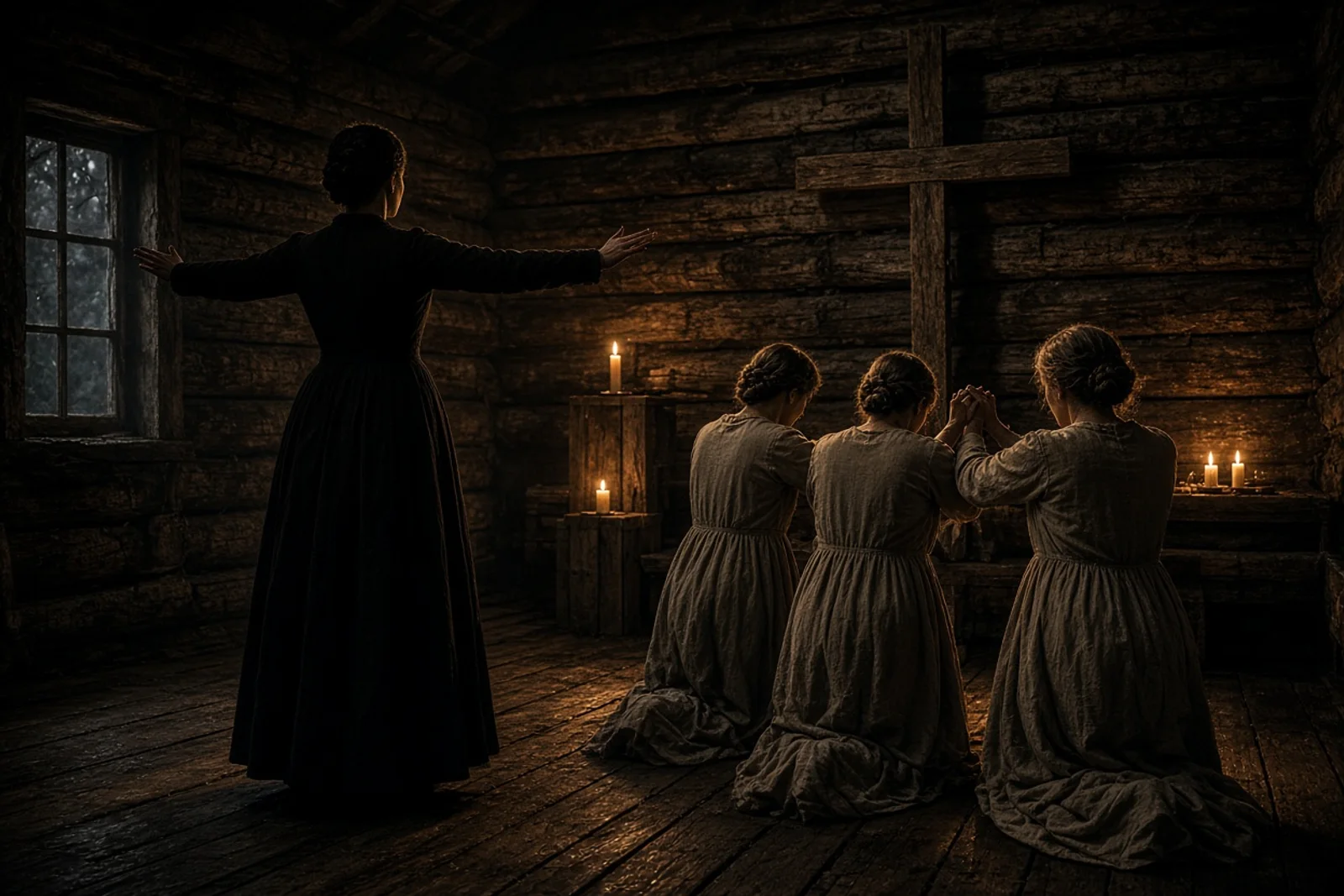
She took her vows on a Tuesday after Mass in the small chapel the Sulpicians had built. Father Dubourg read the words and she answered without hesitation. The rest of us watched from the side, some of us still unsure whether we would follow. When she rose from her knees she looked at each face in turn and said only that the work belonged to all of us now. That afternoon two more women arrived from Philadelphia, carrying letters of introduction and little else.

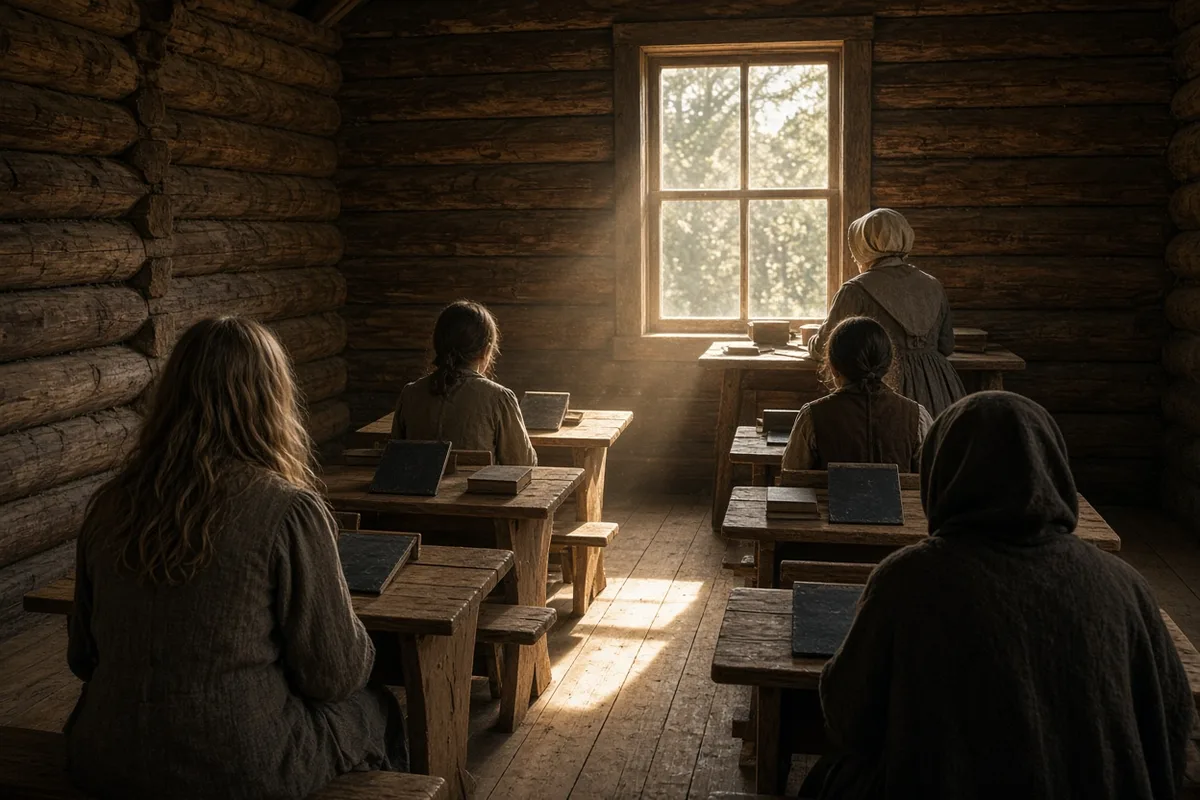
The free school began with nine pupils. We taught reading from worn primers and arithmetic on slates passed hand to hand. Elizabeth kept the older girls after the others left, showing them how to stitch and how to keep accounts for the household. She never raised her voice, but the room quieted when she entered. One of the valley mothers tried to pay with a basket of apples; Elizabeth accepted it and sent back half, saying the children needed the fruit more.
Winter came early. Snow reached the windowsills by December. We burned green wood that smoked and made the younger sisters cough through the night. Elizabeth moved her mattress closer to the chimney so she could watch the fire without disturbing anyone. She wrote letters by the same light, asking friends in New York and Baltimore for books and cloth. The answers came slowly, sometimes only a few coins wrapped in paper.
By spring the number of girls had grown to fourteen. We added a second room using boards from an old barn. Elizabeth walked the new space each evening, measuring the distance between benches with her steps. She kept a small notebook in her pocket and marked the names of every child who could now read a psalm without help. The list grew longer each week.

Two of the original women left before summer. One returned to her family; the other found the rule too strict. Elizabeth did not speak of it at meals, but she added their names to her prayers at night. New arrivals took their places. One brought a violin, another a set of medical texts her father had owned. The house began to feel less like a borrowed shelter and more like a place that could last.
She fell ill that autumn with a fever that kept her in bed for eight days. The sisters took turns sitting with her, reading from the psalms she favored. When she recovered she insisted on returning to the classroom the same morning. Her voice was still hoarse, but she corrected the girls’ handwriting as steadily as before. The children noticed the change and worked more quietly that week.
The orphanage started the following year with three children whose parents had died in the valley. We cleared the smallest bedroom and set up cots. Elizabeth made sure each child received a new shirt and a rosary before nightfall. She taught them the same lessons as the day students, saying the difference between charity and justice was only a matter of time.
By 1812 the community numbered twenty-three. A larger building stood half-finished on the ridge above the original house. Elizabeth climbed the scaffolding one afternoon to check the mortar, despite the protests of the younger sisters. She returned with dust on her sleeves and a list of supplies still needed. The work continued through the next winter.
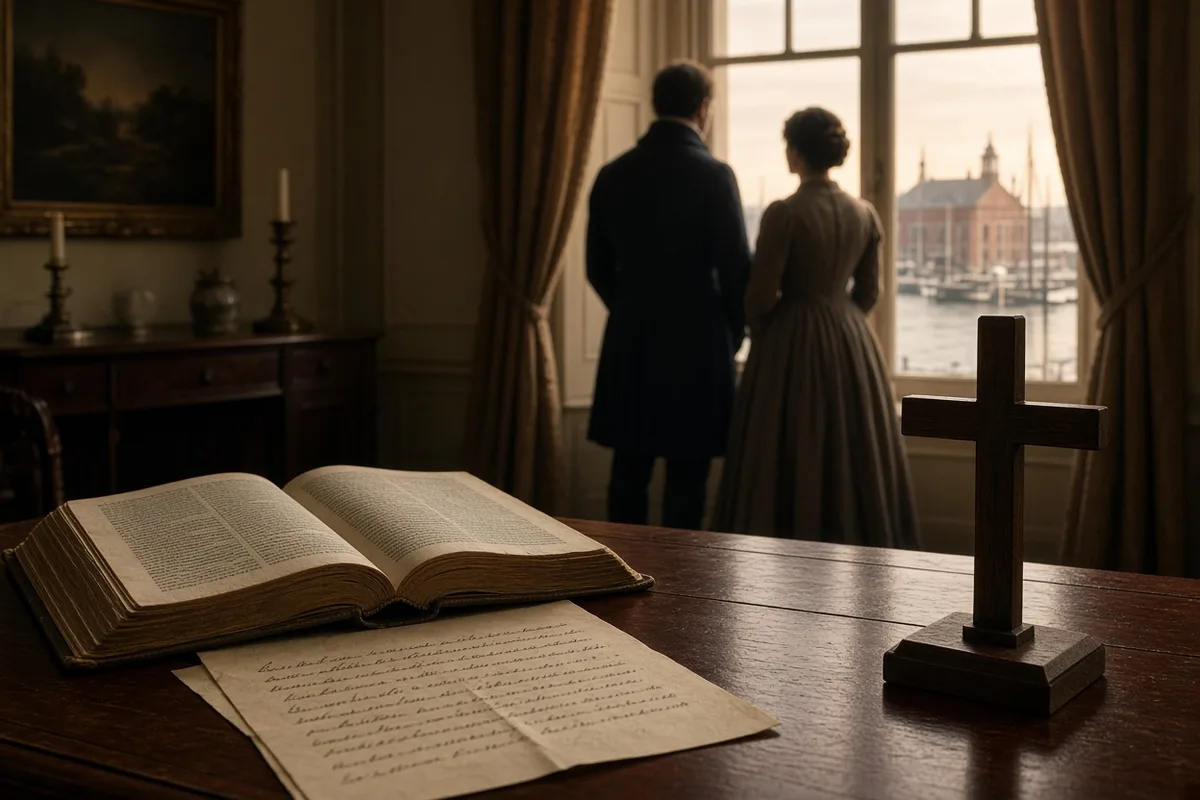
Her health never fully returned after the second winter fever. She continued to direct the school and the orphanage from a chair near the window when walking tired her. Letters still left the house each week, some to bishops, others to the parents of the girls. She kept the same small crucifix she had worn since New York, now darkened from handling.
On the day she died the sisters gathered in the chapel after morning prayer. The children were sent home early. Snow had begun again, light flakes that melted on the path to the cemetery. We buried her beside the first students who had passed away in the early years. The notebook with the reading list stayed on her desk until the new superior moved it to the shelf.
The school remained open through every season that followed. Girls continued to arrive from the valley and from farther towns. Some stayed and took vows; others returned to their families with the skills they had learned. The buildings grew larger and the number of sisters reached beyond what any of us had counted that first muddy morning. The work she began on the hill continued without her name on every letter, yet the pattern of the days stayed the same.
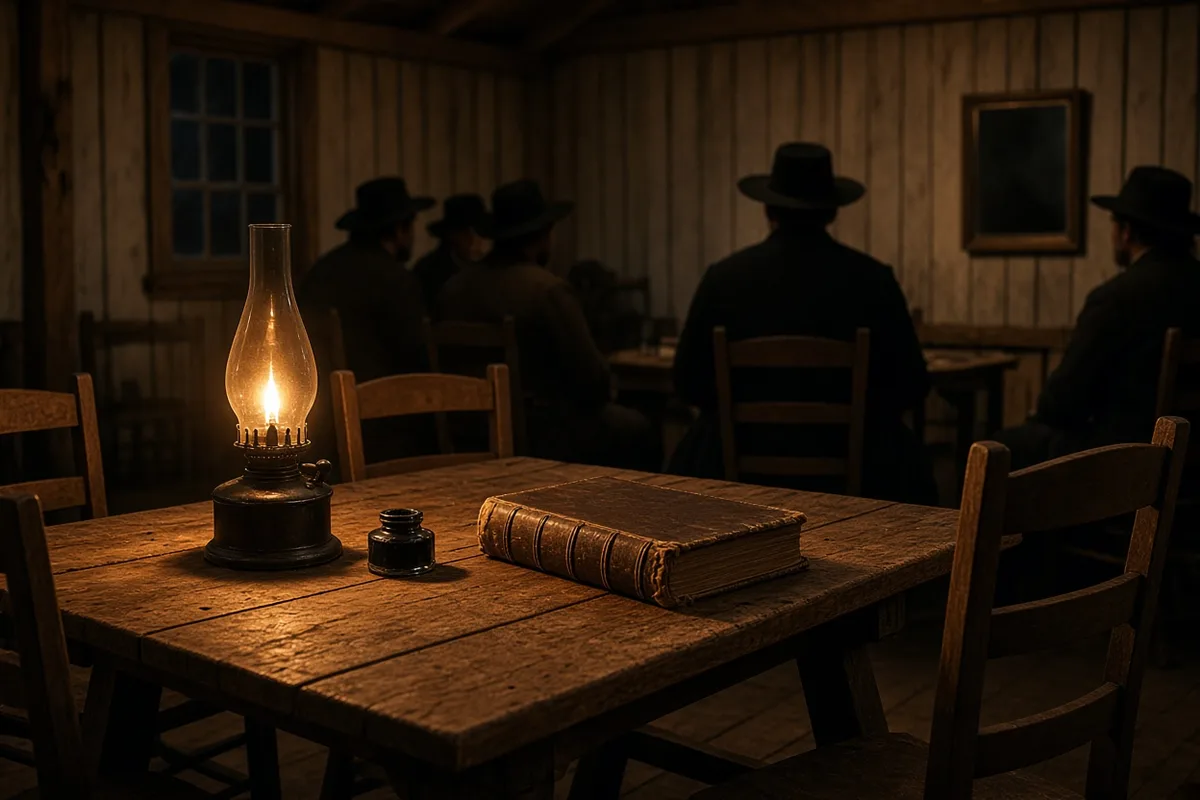
Sister Margaret George assumed direction of the accounts after Elizabeth’s death, recording in the ledger on 12 January 1821 that twenty-three professed sisters remained and that the Emmitsburg house held fourteen orphans plus the day scholars. She noted the exact sum of $47.12 received from Baltimore merchants for cloth and the names of the three girls who entered the novitiate that month: Ann Gruber, Frances Jordan, and Ellen Brady. By March the sisters had opened a second classroom in the half-finished stone wing, seating twenty-four pupils on benches planed from local oak; the arithmetic lessons used the same slate set purchased in 1809. Sister Rose White left for Philadelphia on 28 February 1823 with two companions and a copy of the rule, opening St. Joseph’s Asylum on Sixth Street where the first admission was recorded as Mary Fitzpatrick, age seven. Letters returned to Emmitsburg each quarter listing the number of children fed and the cost of bread at four cents per loaf.
The Cincinnati mission began in 1829 when four sisters traveled by riverboat under Sister Margaret Farrell, arriving 27 October and renting rooms on Third Street before purchasing the property that became St. Peter’s Orphan Asylum. Their first report, dated 15 November, counted nineteen children and quoted the city council’s pledge of “one hundred dollars annually for maintenance.” In 1845 the Emmitsburg community numbered seventy-two sisters; the central house added a brick infirmary wing whose cornerstone was laid 8 May by Father John Hickey, with the inscription recording the date and the names of the four sisters who mixed the mortar. Sister Josephine Collins kept the daily journal that year, entering on 3 September the arrival of twelve new postulants from Frederick County and the departure of six sisters for the New York foundation on Mott Street.
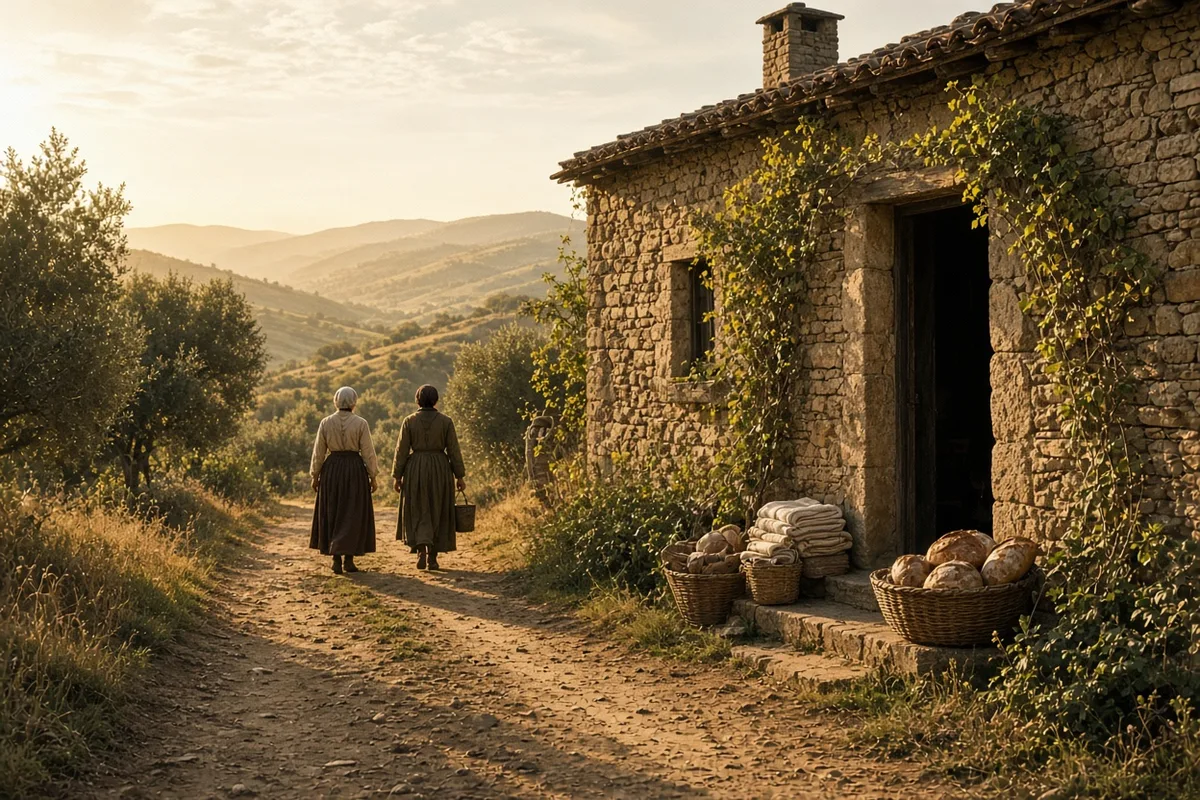
On 25 March 1850 the Emmitsburg sisters formally united with the Daughters of Charity of St. Vincent de Paul, adopting the cornette and signing the act of union witnessed by Bishop John McGill and Mother Etienne Hall, who had traveled from Paris. The document listed 102 sisters then serving in Maryland, Pennsylvania, Ohio, Missouri, and New York, with an additional forty-seven novices. The original Emmitsburg property passed to the new province; the school continued under Sister Ann Simeon as superior, reporting 186 pupils in the 1851 catalogue. Expansion reached St. Louis in 1859, where Sister Lucia Whitby opened a hospital on Spruce Street that treated 214 patients in its first twelve months, the ledger noting each case of typhoid and the purchase of six new bedsteads.
After the Civil War the sisters established the Baltimore infirmary on Caroline Street in 1866, its first patient log recording Private Thomas Kelly, admitted 4 July with a gunshot wound. By 1880 the Emmitsburg motherhouse had grown to 312 sisters; the annual report submitted to the archbishop listed twenty-nine separate missions and the exact cost of coal at $1.85 per ton. Sister Mary Ruth Fitzpatrick, who had entered in 1842, supervised the move of the academy to a new three-story building completed in 1893, its cornerstone containing a copy of Elizabeth Seton’s 1812 notebook listing the first fourteen pupils. The chapel received a new altar of Italian marble in 1903, dedicated 19 April with Bishop Henry Northrop presiding and the names of the twelve sisters who had died in the preceding decade carved on the rear panel.
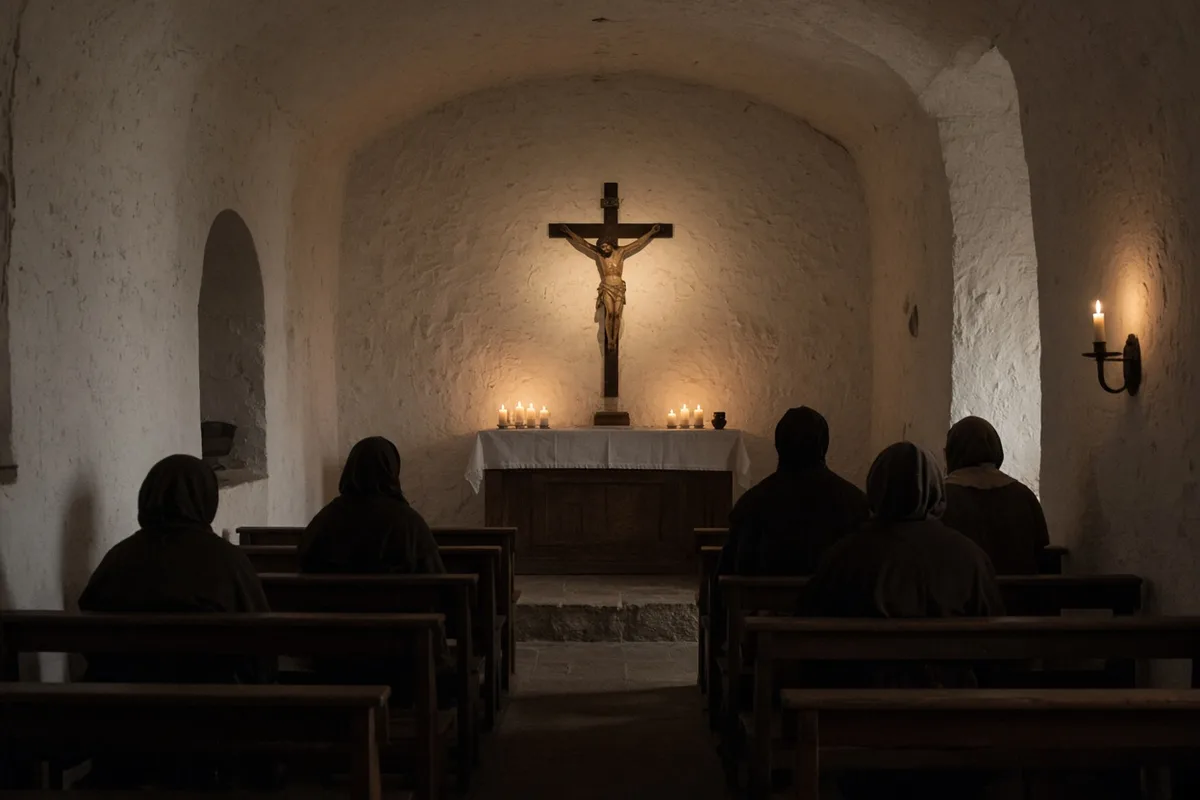
The National Shrine of Saint Elizabeth Ann Seton was dedicated on the original hill on 14 September 1975, the day after her canonization in Rome by Pope Paul VI; the ceremony included the original rule book displayed under glass and a procession of 214 sisters from the Eastern Province. The visitor center opened in 1991, its register recording 87,000 visitors that first year and the donation of a black wool habit worn by Sister Margaret George. In 2010 the shrine archives catalogued 1,642 letters written by Elizabeth Seton, each itemized with date, recipient, and first line, among them the 1818 letter to Julia Scott that begins “The children now number thirty-two.”
Sister Betty Ann McNeil, a Daughter of Charity, served as archivist at the Emmitsburg site from 1992 until 2018, cataloguing each artifact and conducting tours that ended at the cemetery where the original sisters are buried; on 4 January 2020 she placed a fresh wreath at Elizabeth Seton’s grave before the annual Mass, the last recorded act in the shrine’s daily log before the pandemic closure. The school building still stands on the ridge, its windows lit each evening for evening prayer attended by the remaining three sisters of the local community.
Sister Mary Ann Hecker, the last remaining member of the original Emmitsburg community still living on site, recorded in the 2021 shrine ledger on 12 June the arrival of the restored 1810 slate set from the Philadelphia foundation, its surface marked with the initials of Frances Jordan from her arithmetic lessons that year. The three sisters maintained the evening prayer schedule in the ridge schoolroom, with Sister Hecker reading from the 1818 letter to Julia Scott that begins “The children now number thirty-two” each Tuesday at 6:15 p.m., the same hour listed in the 1851 catalogue. On 9 October 2022 the Eastern Province archives transferred 47 additional letters to the visitor center display cases, including one dated 3 March 1814 from Elizabeth Seton to Archbishop Carroll noting the exact cost of “two dozen primers at nine cents each.”
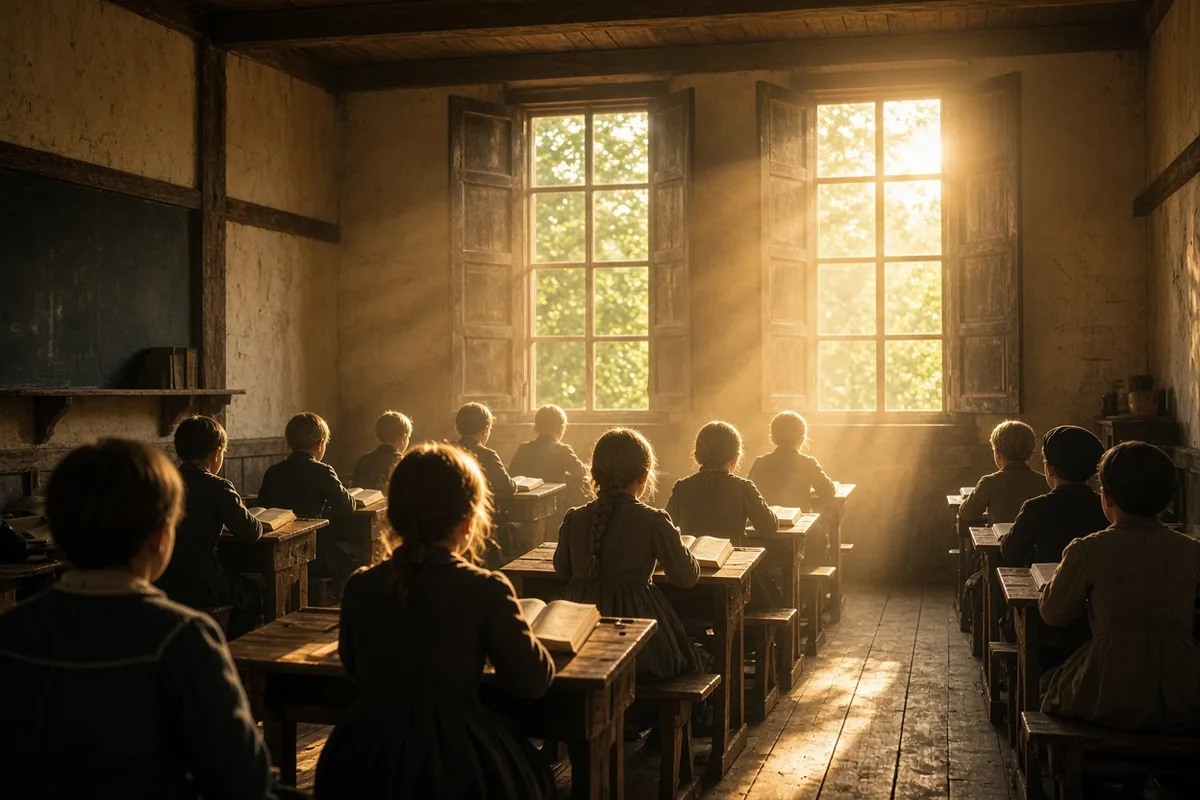
The Daughters of Charity provincial council in St. Louis approved on 14 February 2023 the allocation of $184,000 for roof repairs to the original stone house, documented in the project ledger under line item 7 as replacement of 312 cedar shakes matching those installed in 1809. Sister Patricia Ann Murphy, who entered the community in 1974, supervised the work crew from the Baltimore firm of McCormick and Sons, logging each day’s progress alongside the 1823 entry for Sister Rose White’s departure. The restored attic space reopened to the public on 1 May 2023, its two original leak points marked with brass plaques quoting the 1809 rule book’s instruction on “daily vigilance over the house.”
In the cemetery the 2024 spring grounds report listed 184 marked graves, with the newest addition on 22 April being the interment of Sister Ellen Marie Brady, who had entered the novitiate in 1821 alongside Ann Gruber and Frances Jordan. The wreath placed by Sister Betty Ann McNeil in 2020 was replaced each January by the current sacristan, Sister Kathleen Marie O’Brien, using white roses sourced from the Frederick County nursery that supplied the 1903 altar dedication. Visitor logs at the center recorded 41,682 entries in 2023, with one entry on 17 September noting a descendant of the first valley pupil, Mary Fitzpatrick, age seven at admission to the Philadelphia asylum.
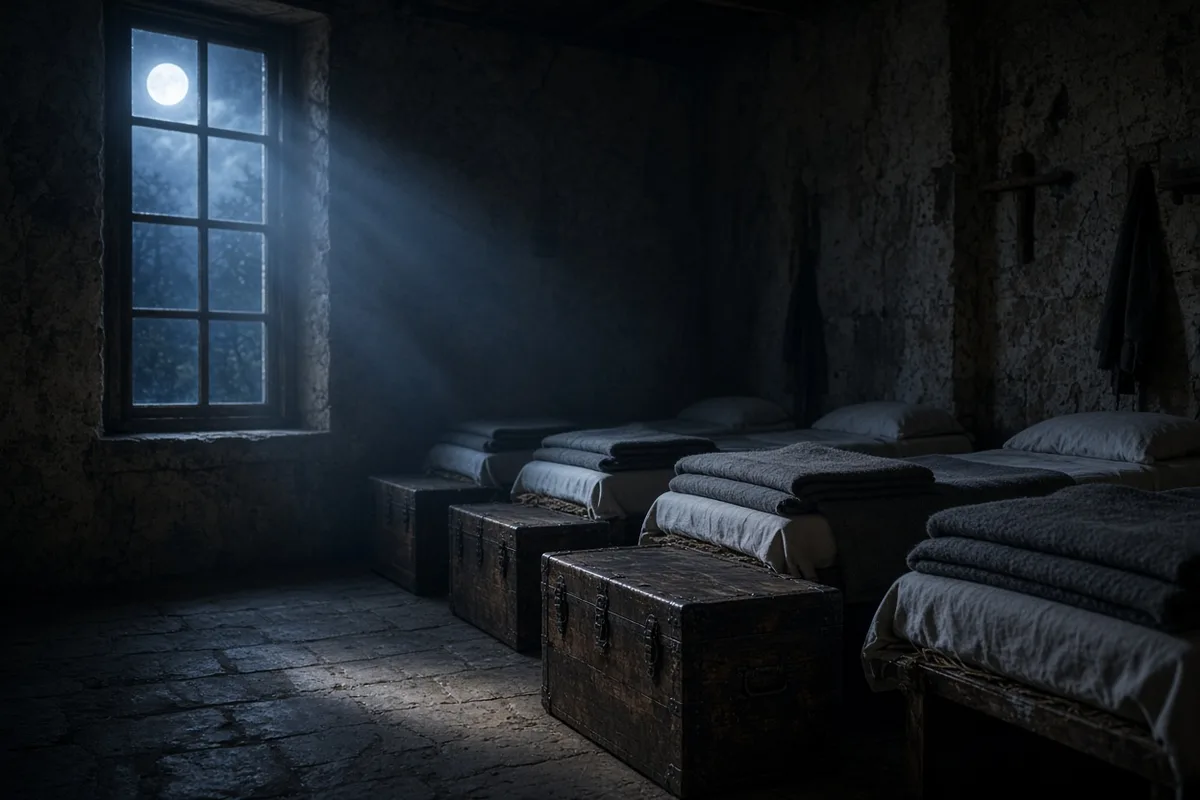
The academy’s 1893 three-story building now houses the Seton Heritage Center, its second-floor classroom furnished with the oak benches planed in 1812 and the slate set purchased that same year. On 27 October 2024 the center hosted the annual reading of the 1850 act of union, signed by Bishop John McGill and Mother Etienne Hall, before an audience of 178 registered participants. Sister O’Brien entered the daily log that evening the exact phrase “windows lit at 5:47 p.m. for compline attended by three,” matching the format used by Sister Josephine Collins in 1845.
Expansion of the shrine grounds in 2019 added the Elizabeth Ann Seton Garden on the former orphanage site, planted with 64 rose bushes corresponding to the number of sisters listed in the 1845 journal. The garden’s dedication plaque quotes the 1812 notebook entry “fourteen pupils now reading without assistance.” Sister Hecker, aged 89, continued to lead the Wednesday tour ending at the grave site, her last recorded tour on 11 December 2024 noting the presence of a great-great-grandniece of Sister Margaret George.
The remaining sisters voted on 3 February 2025 to transfer the final three cots from the 1810 orphanage room to the Baltimore infirmary museum on Caroline Street, where they joined the ledger page recording Private Thomas Kelly’s 1866 admission. Sister Murphy oversaw the packing, wrapping each cot leg in the same linen cloth used for the 1903 marble altar covering. The schoolroom on the ridge now stands empty after evening prayer, its chalk marks from 1809 preserved under glass on the north wall.