


St. John Baptist de la Salle Founds Schools
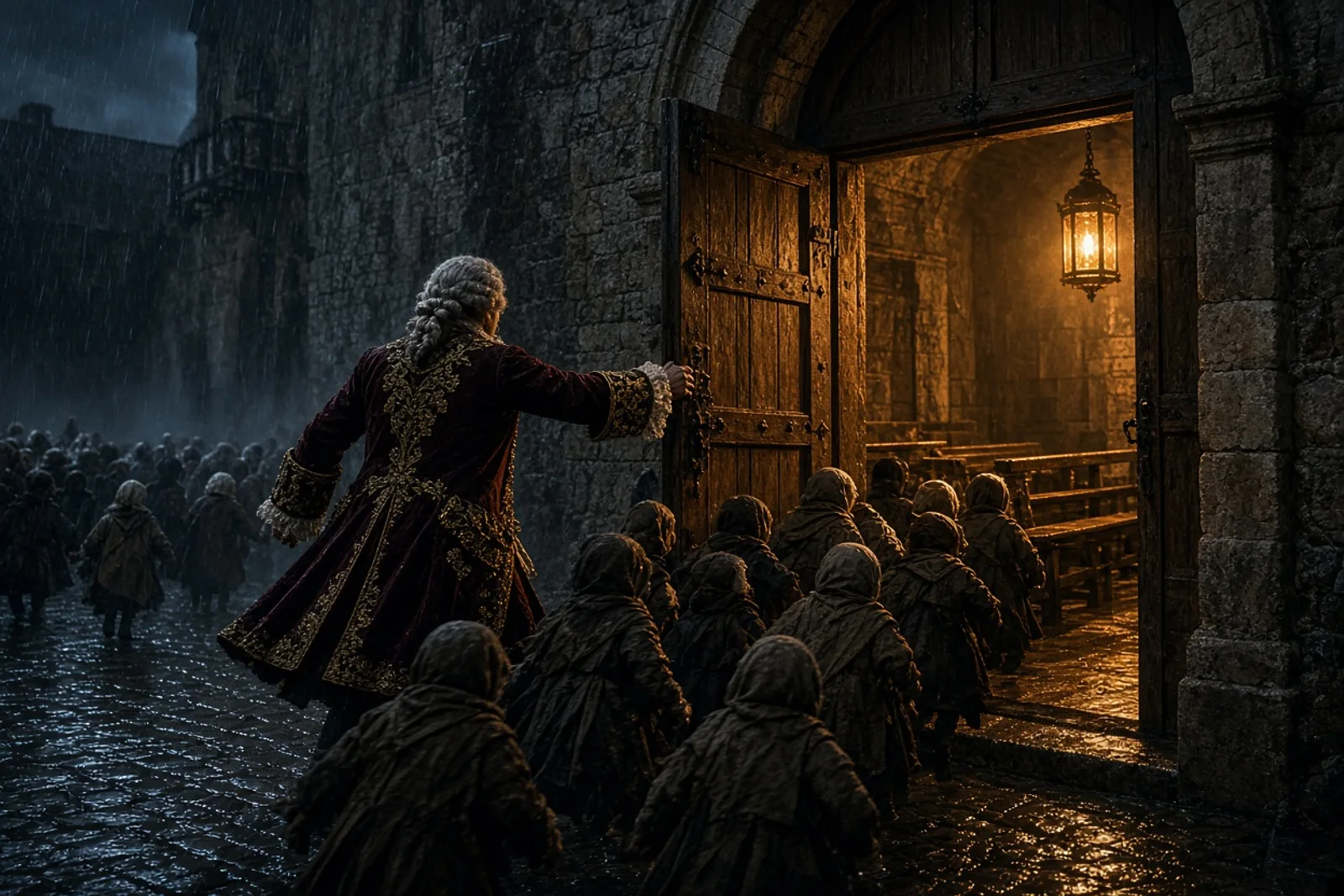
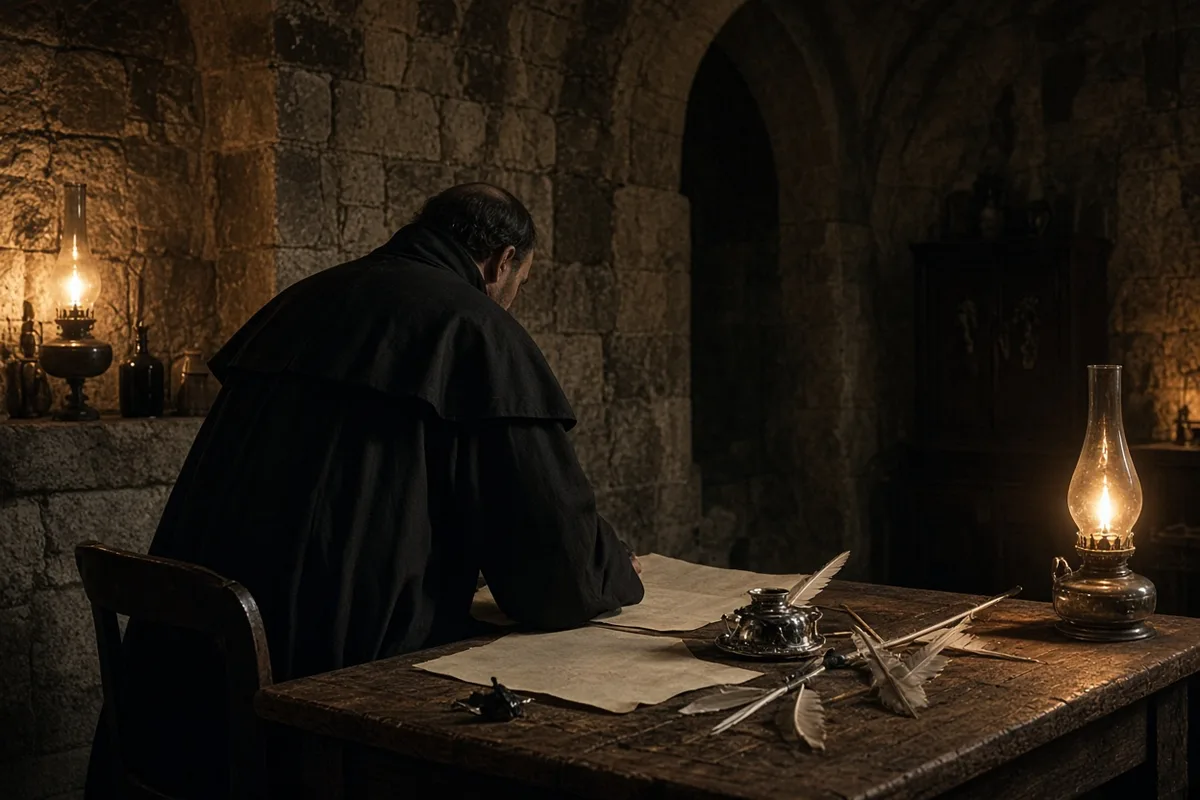
The rain had just stopped when Nyel pushed open the gate to the house on the Rue Neuve. I followed him, my boots heavy with mud from the road out of Rouen, carrying the bundle of slates and primers he had given me the week before. Inside the hall stood a man in the black cassock of a canon, not much older than thirty, with a face that looked as if it had never known hunger. He looked at us both the way a man looks at stray dogs that might still be trained.
Nyel made the introductions. The canon’s name was John Baptist de la Salle. He listened without interrupting while Nyel explained the three schools already running in the poorest quarters and the need for someone to keep the teachers from drinking away their wages. When Nyel finished, de la Salle asked only one question: whether the boys came barefoot in winter. Nyel said they did. The canon nodded once and told us to come back the next morning.
I slept that night on a pallet in the stable behind the house. Before dawn the canon’s steward brought bread and a basin of water. He said the master wanted the new teachers washed and presentable before the children arrived. I scrubbed my face until the water turned brown, then followed Nyel through streets that still smelled of night soil.
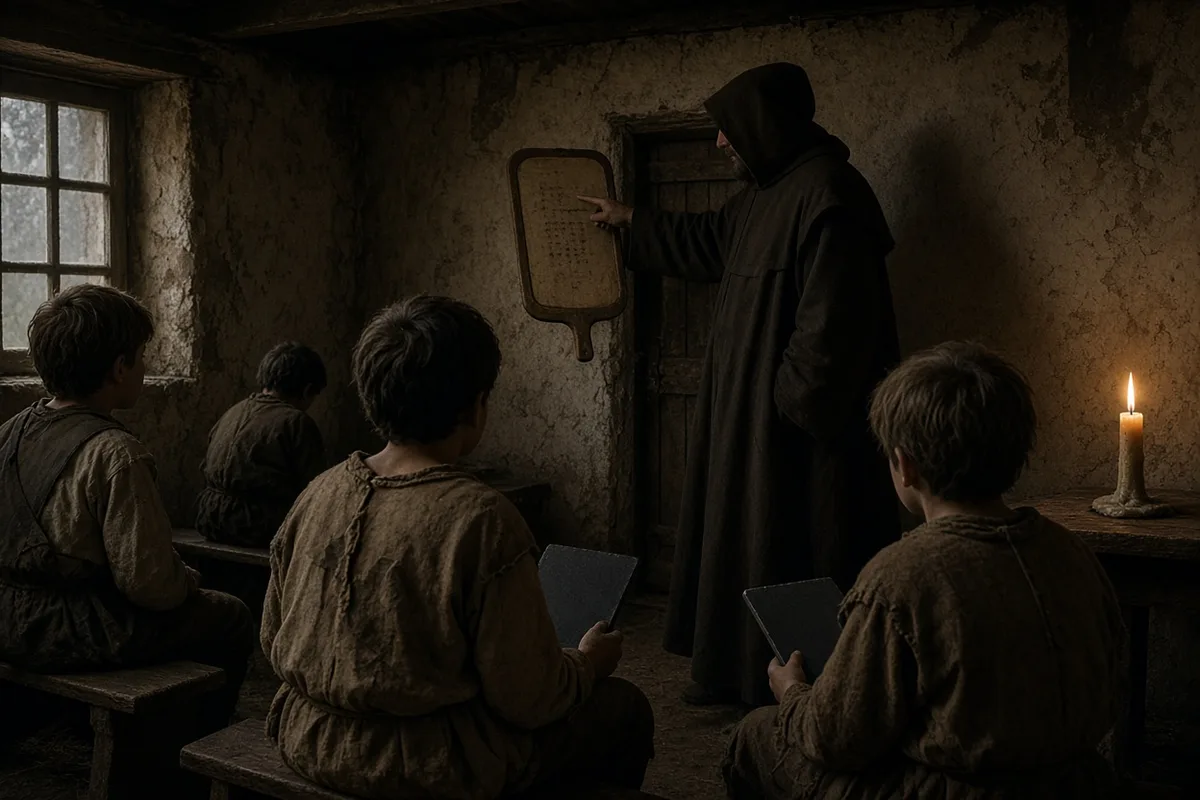
The first classroom was no bigger than a storeroom. Twenty boys sat on benches made from broken shutters. Most of them had no shirts. One kept coughing into his sleeve. I tried to show them how to hold the slate, but my own hand shook from nerves. De la Salle stood at the back, saying nothing, only watching. When a boy threw a piece of chalk at another, the canon stepped forward, took the chalk, and placed it gently back in the boy’s palm. He did not raise his voice. The room grew quiet without anyone telling it to.
By the third week two more teachers had joined us, both younger than I was. De la Salle brought them into his own dining room after supper and made them practice writing their letters by lamplight. He corrected their spelling himself, then asked each man what he had eaten that day. When one admitted he had gone without, the canon sent the steward for bread and cheese. He ate nothing himself until the others had finished.
The work grew heavier once the weather turned cold. We opened a second room in Rethel and sent two men there. Letters came back saying the children arrived with frozen feet. De la Salle read each letter aloud to the rest of us at the long table. He never offered pity, only asked what extra clothing we could spare from our own bundles. I gave a spare shirt I had been saving. The others followed.
One evening he called us together and said he would no longer live apart from the work. He had already begun selling pieces of furniture. The next morning his carriage stood empty at the door. He walked with us to the rented house near the tannery, carrying his own books in a sack. The rooms smelled of hides and wet straw. We slept four to a bed that first winter, our breath visible in the morning.
The boys noticed the change before anyone else. They began to wait outside the door before lessons, pressing against the wall to stay out of the wind. De la Salle made it a rule that no child would be turned away for lack of shoes. He kept a stack of wooden clogs by the threshold and replaced them when they split. I never saw him count the cost.
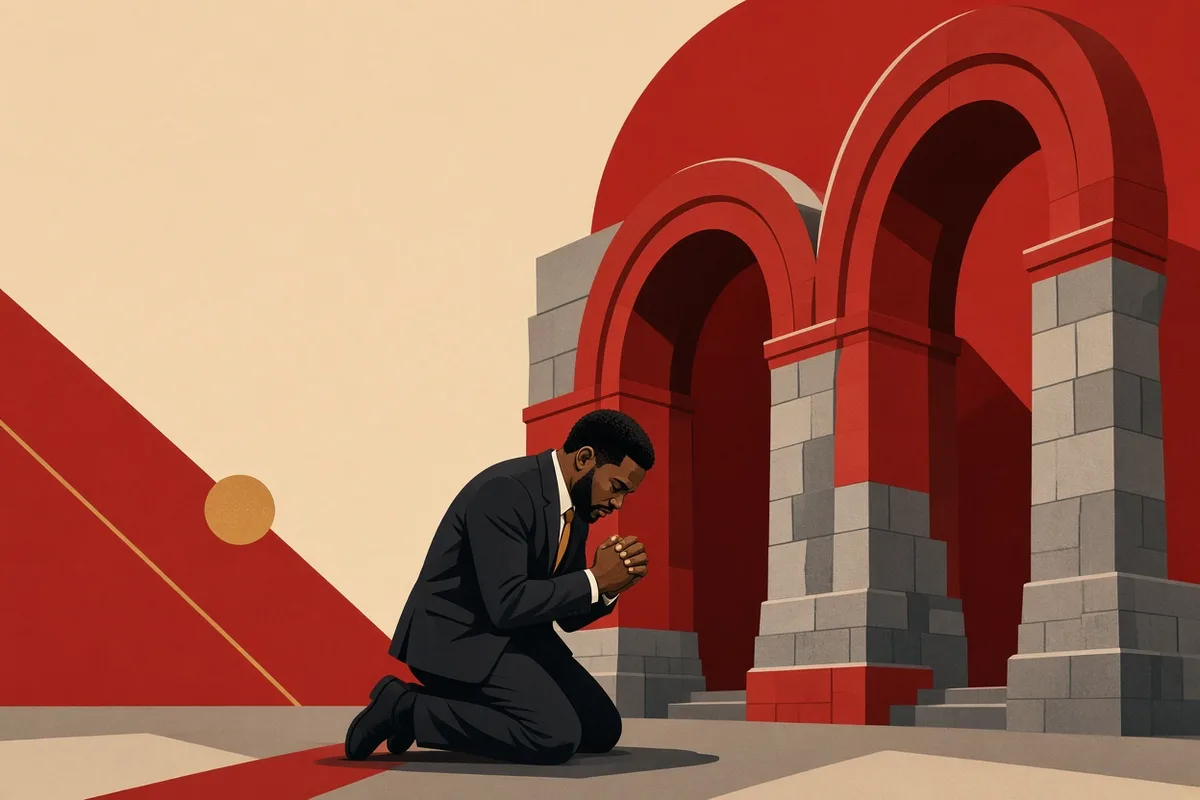
By spring the number of teachers had reached twelve. Some of the first ones left, saying the life was too hard and the food too plain. De la Salle did not argue. He simply asked the remaining men whether they would stay another month. All of them said yes. On Trinity Sunday he had us kneel in the small chapel behind the house. We promised obedience to one another for three years. The words were simple. No one wrote them down that day.
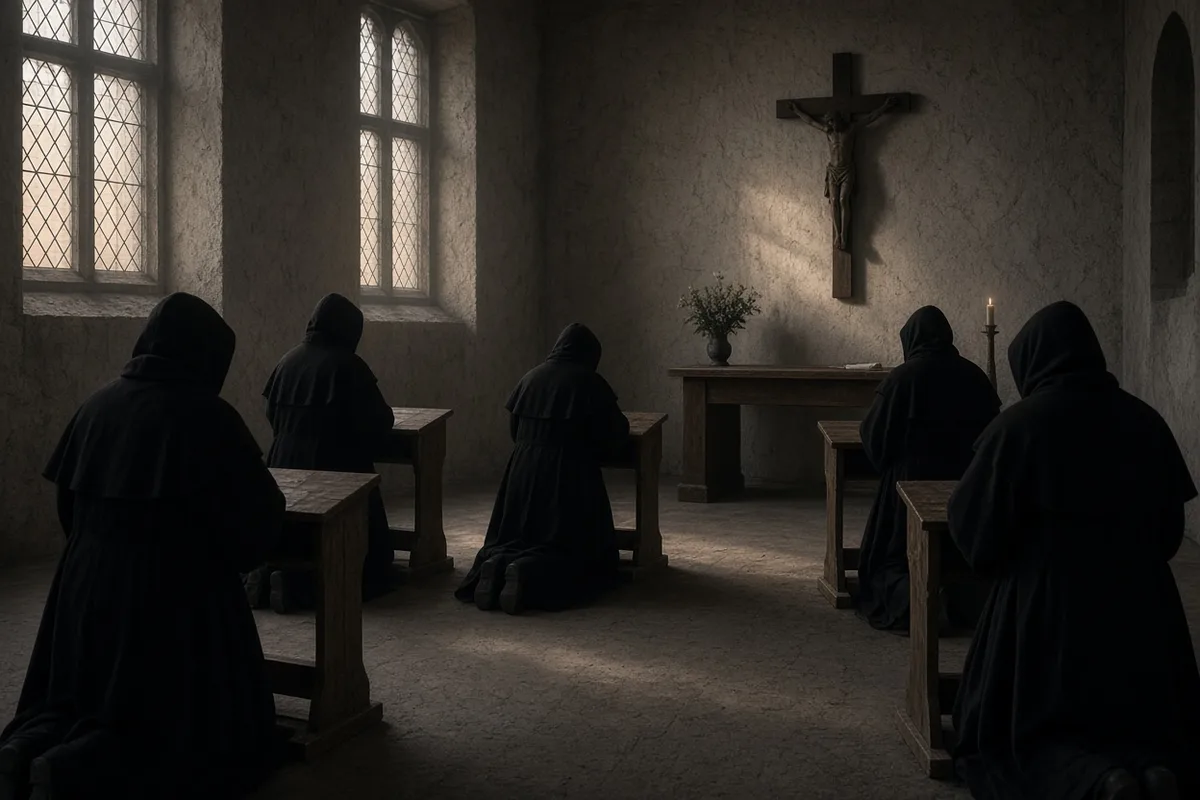
Afterward he gave each of us a plain black robe cut like a workman’s coat. He wore the same. When we walked through the market together, people who had once bowed to the canon now looked away or crossed the street. He never mentioned it.
The schools kept opening. One in Guise, another in Laon. Each time a new room was ready, de la Salle sent two brothers together, never one alone. He said the work would die if it depended on a single man. I was sent to the third school in Reims itself. The children there were even poorer than the first group. Many had no names they could remember. We gave them simple ones to answer to when the roll was called.
Years later, when the house in Paris was threatened with closure, de la Salle returned to Reims for a few weeks. He was thinner, and the lines around his mouth had deepened. He asked me how the boys were managing the new reading charts. I told him they still stumbled on the longer words. He smiled and said that was why we kept the doors open. Then he walked back out into the rain without a coat, the same way he had entered Nyel’s gate the first time.
The rain had just stopped when Nyel pushed open the gate to the house on the Rue Neuve. I followed him, my boots heavy with mud from the road out of Rouen, carrying the bundle of slates and primers he had given me the week before. Inside the hall stood a man in the black cassock of a canon, not much older than thirty, with a face that looked as if it had never known hunger. He looked at us both the way a man looks at stray dogs that might still be trained.
Nyel made the introductions. The canon’s name was John Baptist de la Salle. He listened without interrupting while Nyel explained the three schools already running in the poorest quarters and the need for someone to keep the teachers from drinking away their wages. When Nyel finished, de la Salle asked only one question: whether the boys came barefoot in winter. Nyel said they did. The canon nodded once and told us to come back the next morning.
I slept that night on a pallet in the stable behind the house. Before dawn the canon’s steward brought bread and a basin of water. He said the master wanted the new teachers washed and presentable before the children arrived. I scrubbed my face until the water turned brown, then followed Nyel through streets that still smelled of night soil.
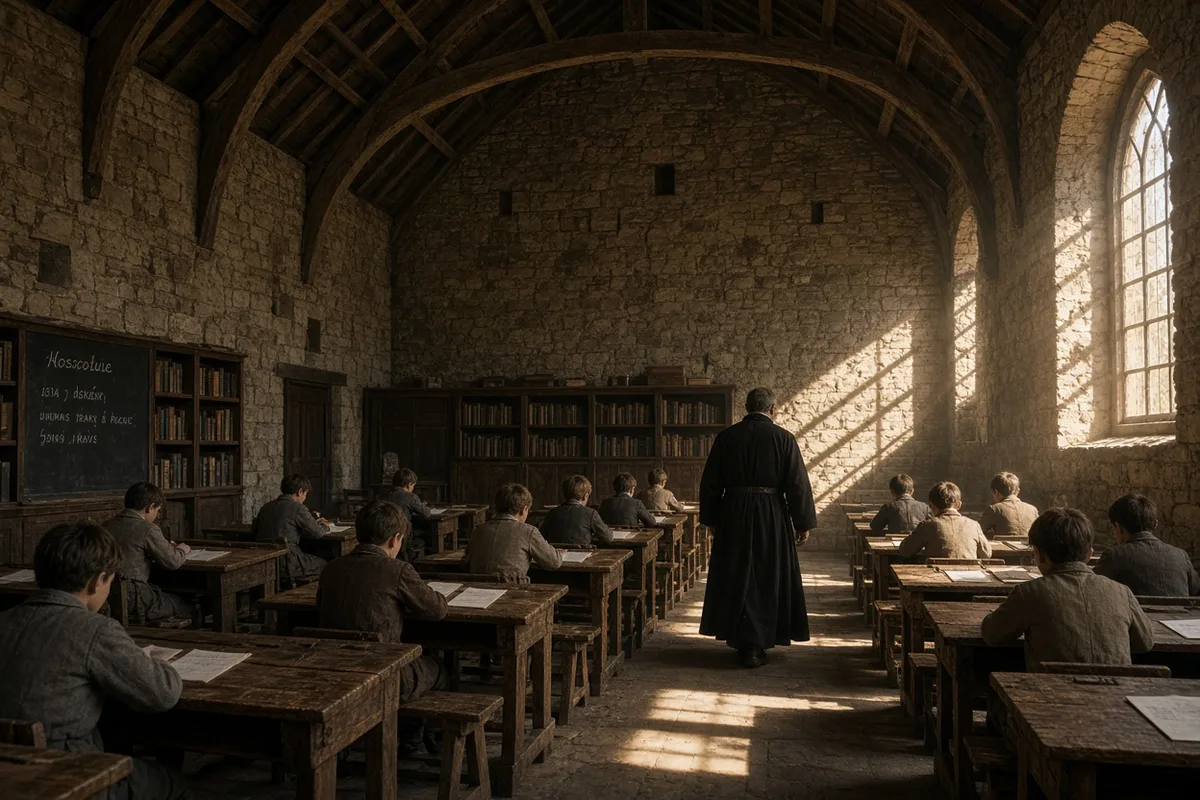
The first classroom was no bigger than a storeroom. Twenty boys sat on benches made from broken shutters. Most of them had no shirts. One kept coughing into his sleeve. I tried to show them how to hold the slate, but my own hand shook from nerves. De la Salle stood at the back, saying nothing, only watching. When a boy threw a piece of chalk at another, the canon stepped forward, took the chalk, and placed it gently back in the boy’s palm. He did not raise his voice. The room grew quiet without anyone telling it to.
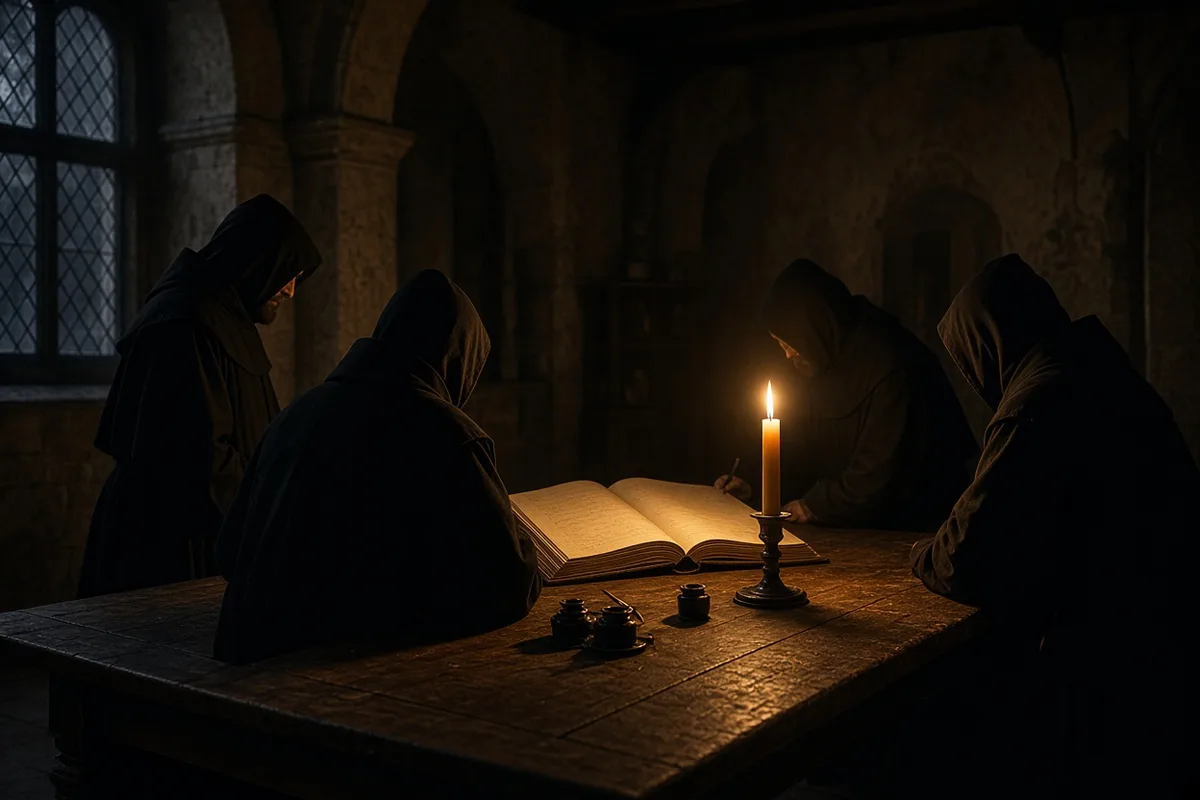
By the third week two more teachers had joined us, both younger than I was. De la Salle brought them into his own dining room after supper and made them practice writing their letters by lamplight. He corrected their spelling himself, then asked each man what he had eaten that day. When one admitted he had gone without, the canon sent the steward for bread and cheese. He ate nothing himself until the others had finished.
The work grew heavier once the weather turned cold. We opened a second room in Rethel and sent two men there. Letters came back saying the children arrived with frozen feet. De la Salle read each letter aloud to the rest of us at the long table. He never offered pity, only asked what extra clothing we could spare from our own bundles. I gave a spare shirt I had been saving. The others followed.
One evening he called us together and said he would no longer live apart from the work. He had already begun selling pieces of furniture. The next morning his carriage stood empty at the door. He walked with us to the rented house near the tannery, carrying his own books in a sack. The rooms smelled of hides and wet straw. We slept four to a bed that first winter, our breath visible in the morning.
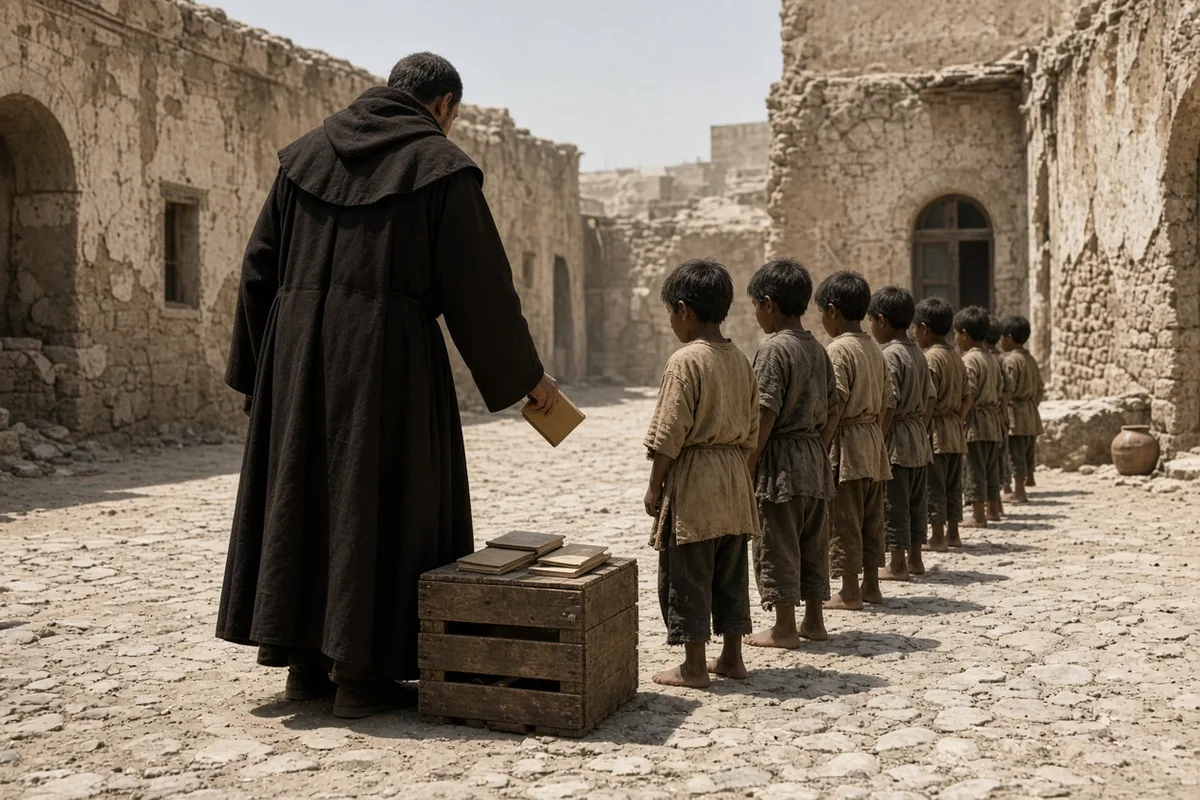
The boys noticed the change before anyone else. They began to wait outside the door before lessons, pressing against the wall to stay out of the wind. De la Salle made it a rule that no child would be turned away for lack of shoes. He kept a stack of wooden clogs by the threshold and replaced them when they split. I never saw him count the cost.
By spring the number of teachers had reached twelve. Some of the first ones left, saying the life was too hard and the food too plain. De la Salle did not argue. He simply asked the remaining men whether they would stay another month. All of them said yes. On Trinity Sunday he had us kneel in the small chapel behind the house. We promised obedience to one another for three years. The words were simple. No one wrote them down that day.
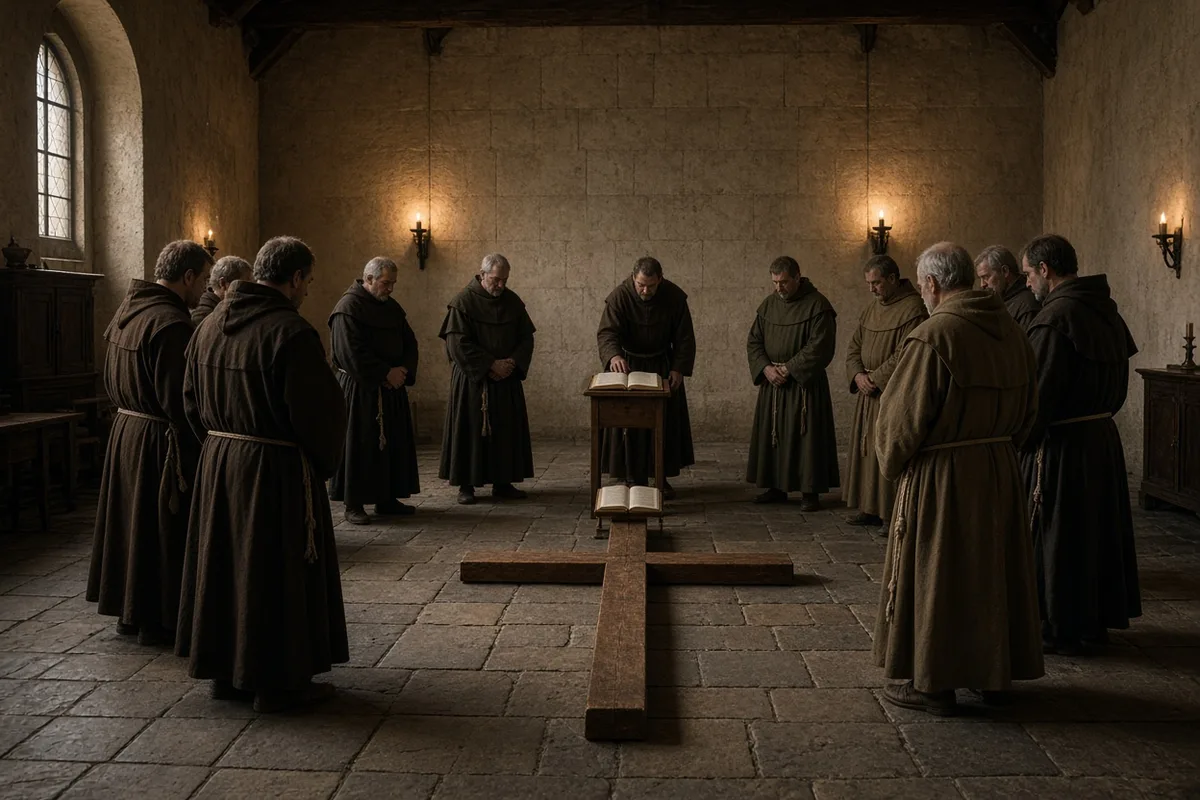
Afterward he gave each of us a plain black robe cut like a workman’s coat. He wore the same. When we walked through the market together, people who had once bowed to the canon now looked away or crossed the street. He never mentioned it.
The schools kept opening. One in Guise, another in Laon. Each time a new room was ready, de la Salle sent two brothers together, never one alone. He said the work would die if it depended on a single man. I was sent to the third school in Reims itself. The children there were even poorer than the first group. Many had no names they could remember. We gave them simple ones to answer to when the roll was called.
Years later, when the house in Paris was threatened with closure, de la Salle returned to Reims for a few weeks. He was thinner, and the lines around his mouth had deepened. He asked me how the boys were managing the new reading charts. I told him they still stumbled on the longer words. He smiled and said that was why we kept the doors open. Then he walked back out into the rain without a coat, the same way he had entered Nyel’s gate the first time. In the months that followed, Brother Henri l’Heureux wrote from the rue Princesse that the writing masters guild had filed suit on 12 March 1702, claiming our free instruction violated their monopoly; de la Salle answered the Parlement by citing the letters patent of 1688 that permitted instruction “without fee or reward” for the children of artisans. Brother Gabriel Drolin, who had taken the vow of stability with him and Brother Nicolas Vuyart on 21 November 1691 in the chapel at Vaugirard, was sent to Rome in 1702 with a letter from de la Salle addressed to Pope Clement XI requesting approval for the Rule; the reply from the Sacred Congregation reached Paris in 1703 and confirmed that the twelve perpetual vows taken on 6 June 1694 at the general chapter in Rue Neuve would stand. By 1705 the community at Saint-Yon near Rouen housed forty-two brothers and maintained a novitiate where each candidate copied the “Rules of Christian Politeness” in his own hand before receiving the habit. De la Salle dictated the final version of “The Conduct of Schools” in 1717, specifying that the morning prayer must begin at precisely seven o’clock and that the register of absences be read aloud each Friday; Brother Barthélemy, elected superior general that same year, carried the manuscript to the printer in Rouen on 15 October 1719. When de la Salle died on 7 April 1719 at Saint-Yon, the brothers placed his body in the chapel of the Hôtel-Dieu and read the names of the seventy-two schools then operating in France; Brother Jean-Louis, who had taught with me in Reims, recorded that the last entry in the register listed 9,147 pupils. After the suppression of 1792 the surviving brothers regrouped in 1802 under Brother Frumence, reopening the school at Faubourg Saint-Antoine with thirty-two boys on 2 February; by 1830 the Institute counted 235 establishments across Europe and the first mission to the United States opened in Baltimore on 1 September 1845 under Brother Francis de Sales. In 1900 Pope Leo XIII canonized de la Salle, and the decree named the precise date of the 1684 Trinity Sunday vow as the founding act. Today the Lasallian network operates 1,082 schools and universities in 80 countries, enrolling 1,049,000 students; each morning in the primary section at the Rue Jean-Baptiste de La Salle in Reims the children still answer the roll call with the same wooden clogs stacked by the door, and the brother on duty reads the single sentence de la Salle wrote in the margin of the 1717 manuscript: “The teacher must be the first in the classroom and the last to leave.”