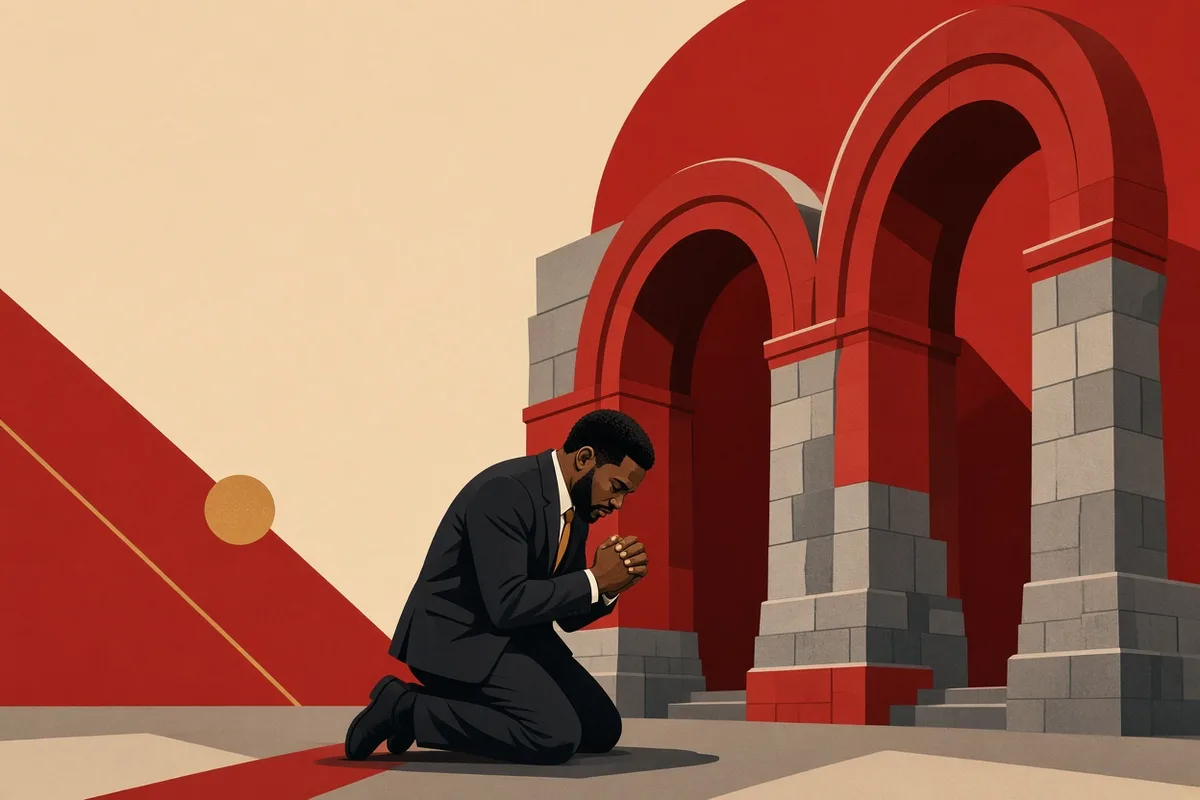



St. Vladimir Baptizes the Kievan Rus
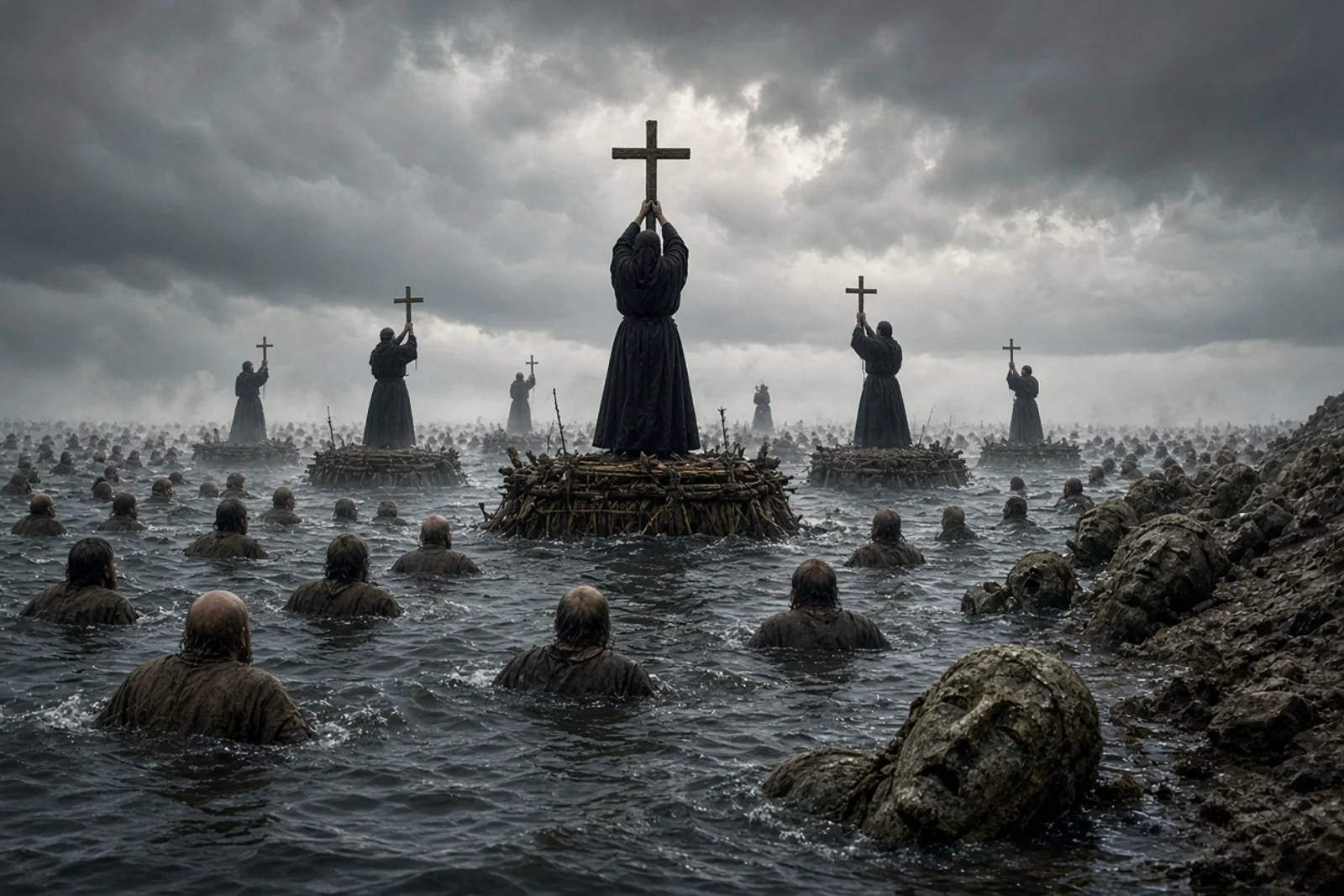
I stood on the bank where the willows lean into the current, the same place I had come every spring to watch the ice break. Messengers had ridden through the lower town at dawn, their horses lathered, shouting that every household must gather by the river before the sun stood overhead. My neighbor’s boy ran past me barefoot, clutching his infant sister, and I followed without thinking to bring anything but the cloak I wore.
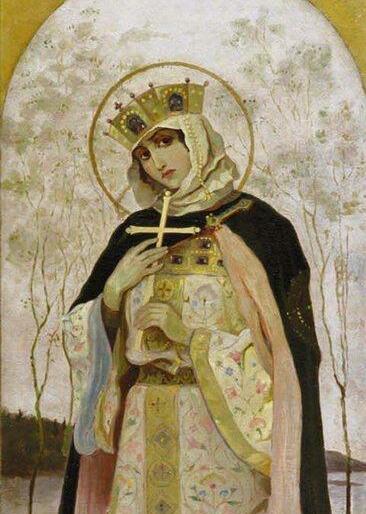
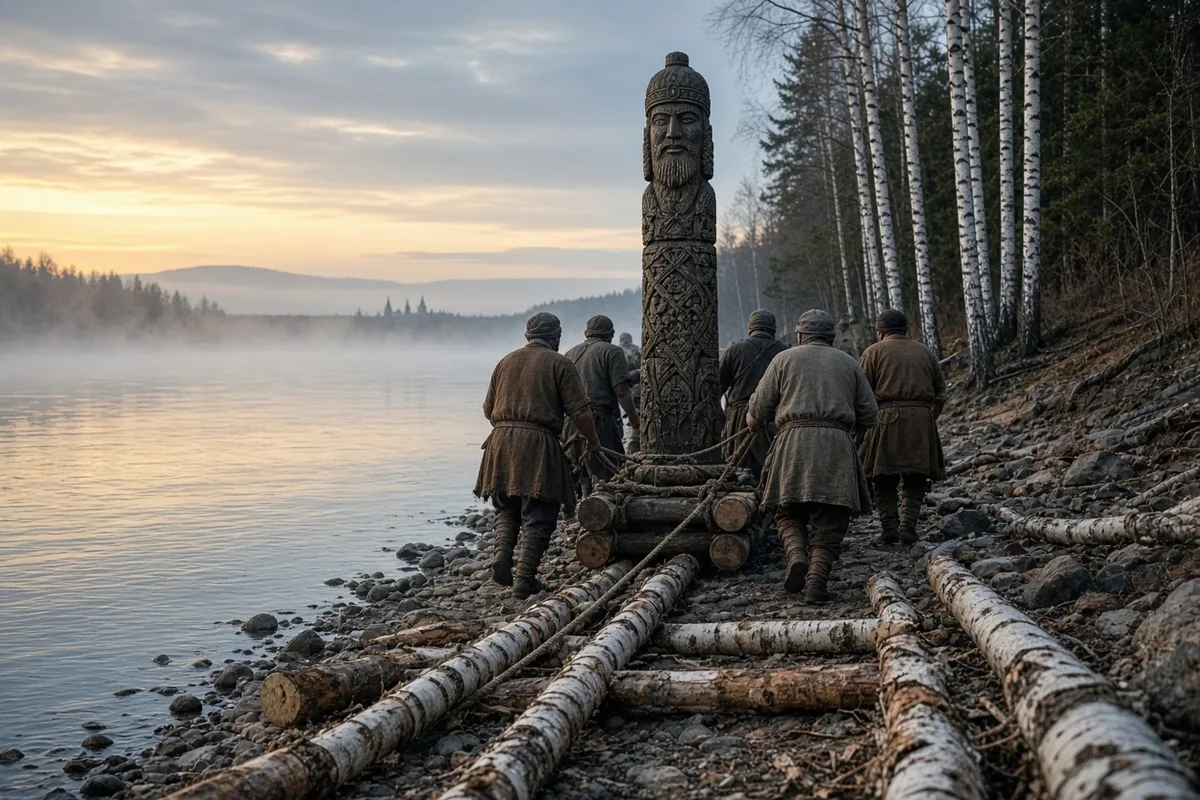
Vladimir had returned two days earlier with ships from the south. He brought a woman they called Anne, the emperor’s sister, and a train of priests in dark robes. The streets still smelled of smoke from the idols he had ordered burned on the hill above the prince’s hall. Perun’s oak figure had been the last to fall. Men with ropes dragged it down the slope while others hacked at the limbs with axes. I heard the crack when the head split. They rolled what remained into the water and let the Dnieper take it.

That night the wind carried the sound of axes still working. The smaller gods—Khors, Dazh’bog, the rest—were already gone, their platforms empty under the moon. I had left offerings at those platforms the year before, after a good catch. Now the platforms were only charred earth.
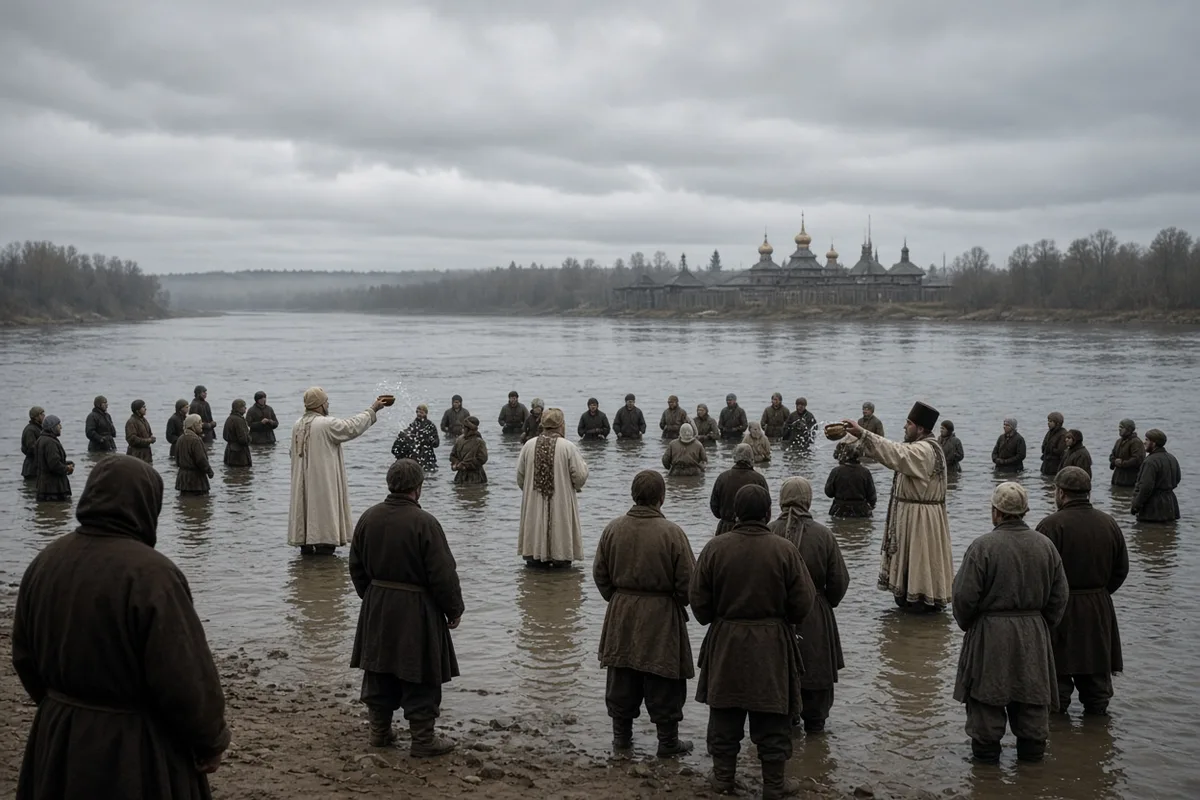
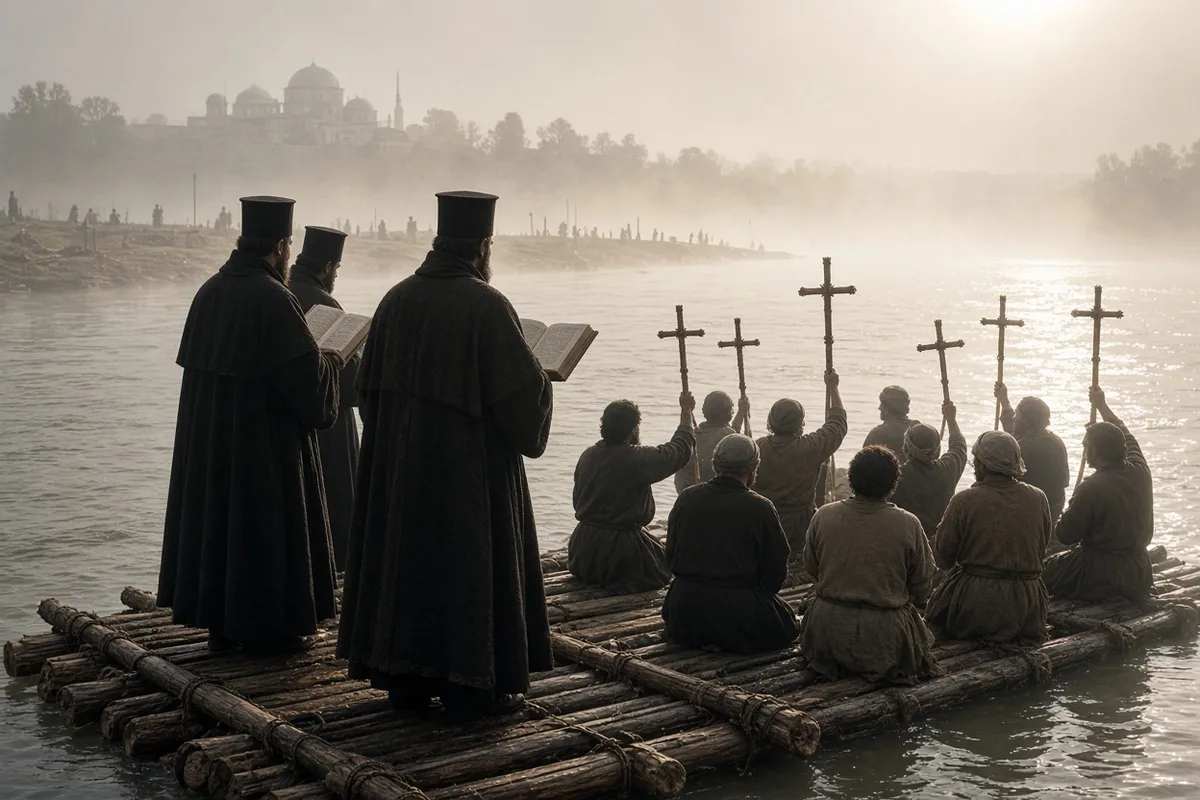
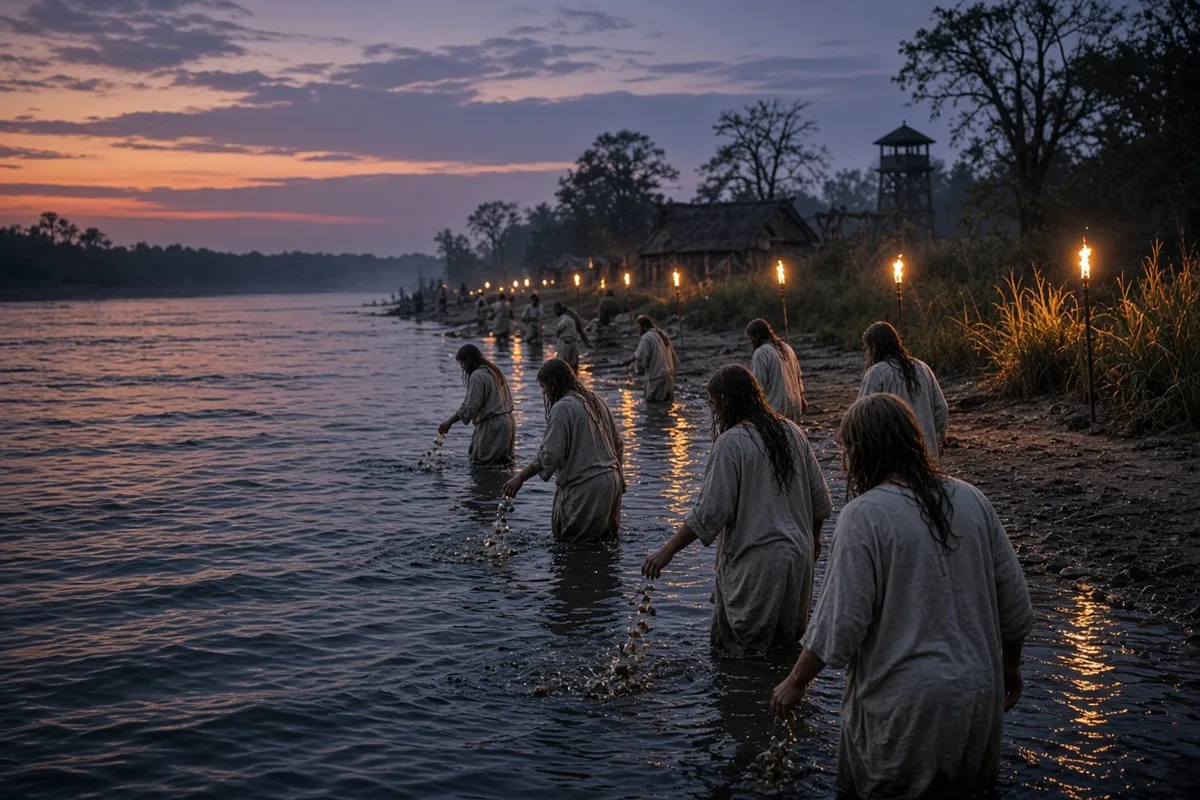
By mid-morning the crowd pressed shoulder to shoulder along the shallows. Some carried children on their backs. Others stood with bundles of clothing they would not need again. The water ran cold from the spring melt, clear enough that I could see stones on the bottom. Priests waded out first, their hems darkening. They formed lines and began to chant, voices carrying over the rush of the current.
Vladimir’s twelve sons entered together, the eldest leading. They stripped to linen shifts and walked in until the river reached their chests. The priests laid hands on each head, one after another. No one spoke above the chant. When the last boy rose, water streaming from his hair, a murmur moved through the watchers, then died.
The order came down the bank that every man, woman, and child must follow. I stepped in with the others. The mud gave under my feet. Cold climbed my legs, then my waist. A priest I did not know touched my forehead and spoke words I could not follow. He pushed my head under once, held it, then let go. When I came up the sun had moved. My cloak floated behind me like a second skin.

People kept coming from the upper town all afternoon. Some brought old, some infants wrapped tight so the current would not take them. The priests worked without pause, their voices hoarse by the time the light slanted. No one turned back once they reached the water. Those who hesitated were pushed forward by the press behind them.
By evening the river looked different. The surface carried bits of ash from the hill, small dark flakes that spun and sank. I stayed until the last group waded out. My feet were numb. I walked home through streets that felt wider now that the carved figures no longer looked down from the ridge.
The next morning men began hauling stone from the quarries south of the city. Vladimir had ordered a church raised where the idols had stood. The first blocks were laid in the same week, each one marked with a cross cut into the face. I passed the site on my way to the river for fish. The masons worked in silence except for the ring of iron on stone.
Word reached us later that the same command had gone north to Novgorod. Men there fought before they entered the water. Here the only resistance had been the weight of habit. I kept the cloak I wore that day, though the dye ran and the wool never quite dried the same.
In autumn the new church walls stood higher than a man. Vladimir’s wife walked its length once with her attendants, then returned to the hall. The river continued to carry what the current could lift—twigs, leaves, the last fragments of oak that had not yet sunk. I still mended nets in the same place. The water felt no different against my hands, only the absence on the hill above made the sky look larger.
In the months after the first stones were set, the masons from Chersonesus brought in carts of limestone cut to the measure of two cubits by one, and the prince’s order required every tenth hide and every tenth measure of grain to go toward the building. By the spring of 990 the walls reached the height of the old oak platform they had replaced, and Bishop Anastasius, the Greek who had come with Anna Porphyrogenita, walked the circuit each morning reciting the verses from the Book of Psalms that begin “The Lord is my light.” I passed the site daily on the way to the nets and saw how the masons left the cross mark on the outer face of each block exactly as Vladimir had commanded. The river still carried down the last splinters of Perun’s image, and sometimes a child would pull a piece of carved oak from the shallows and carry it home before the mother threw it back.
By the summer of 996 the Church of the Tithes stood finished, its roof covered with sheets of lead brought up the Dnieper from the south, and Vladimir placed the relics of Saint Clement that he had taken from Chersonesus inside the altar. The Primary Chronicle records that he “adorned it with silver and gold” and gave it the tenth part of all his wealth, an amount tallied by the scribe as nine hundred pounds of silver in the first year alone. On the day of dedication the prince stood at the south door with his sons and the Greek priests, and the people who had been baptized eight years earlier filed past to place offerings of linen and wax. I left a coil of new net cord at the threshold because that was what I had on hand. The building rose where the ridge had once held the idols, and from the riverbank the new roof caught the light earlier than the hall.
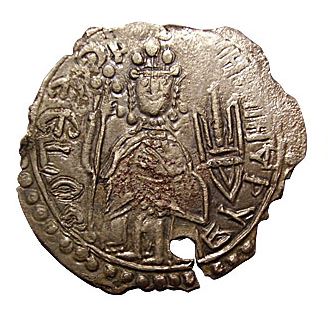
Vladimir lived another nineteen years after the dedication. In 1000 he sent envoys to Rome with gifts of falcons and received in return a letter from Pope Sylvester II that the chronicle quotes as urging him to “keep the faith you received from the Greeks.” He issued a new law that forbade blood feud within the city walls and set the fine at forty grivnas for the killing of a free man, recorded in the first article of the statute that still exists in the copy made at Novgorod in 1282. I saw the prince only once more, when he rode down to the river landing to inspect a shipment of Greek wine. He had grown heavier and walked with a staff cut from ash, yet he still wore the same short cloak of blue wool he had worn on the day of the baptism. In 1015 he died at Berestovo, his country residence two versts upstream from the city, and his body was carried back on a barge draped in black cloth. The sons buried him in the Church of the Tithes beside the south wall, the same place where Anna had been laid four years earlier.
After Vladimir’s death his son Yaroslav took the throne in Kiev in 1019 following the battle on the Alta River where he defeated his brother Svyatopolk. In 1037 Yaroslav began the new cathedral of Saint Sophia three hundred paces north of the Tithes church. The builders set thirteen domes on the roof, each one covered with gilded copper, and the interior walls received mosaics brought from Constantinople showing the apostles and the prophets in rows of gold tesserae. The Primary Chronicle notes that Yaroslav “gathered scribes and translated many books from Greek into Slavic,” and the cathedral library held four hundred and thirty volumes by the time the building was consecrated. I mended nets on the same stretch of bank and watched the carts hauling the larger stones that had come from the quarries at Vitachev. The sky above the ridge remained empty of carved figures, and the only sound that carried down was the ring of trowels on the new walls.
In 1240 the Mongol army under Batu Khan reached the city on 6 December and broke through the walls after a siege of nine days. The Church of the Tithes was the last building to fall. Its defenders, commanded by the boyar Dmitri, held the doors until the roof timbers burned and the lead sheets melted and ran down the walls in streams. The chronicle kept at the Lavra monastery records that “the church collapsed and buried those inside,” and later excavations in 1824 uncovered the bones of more than three hundred people beneath the fallen masonry. After the Mongols withdrew, the city remained half-empty for two generations. The river continued to bring spring floods against the same willows, and I still went to the bank each morning, though the nets were now mended by my son and then by his son after him.
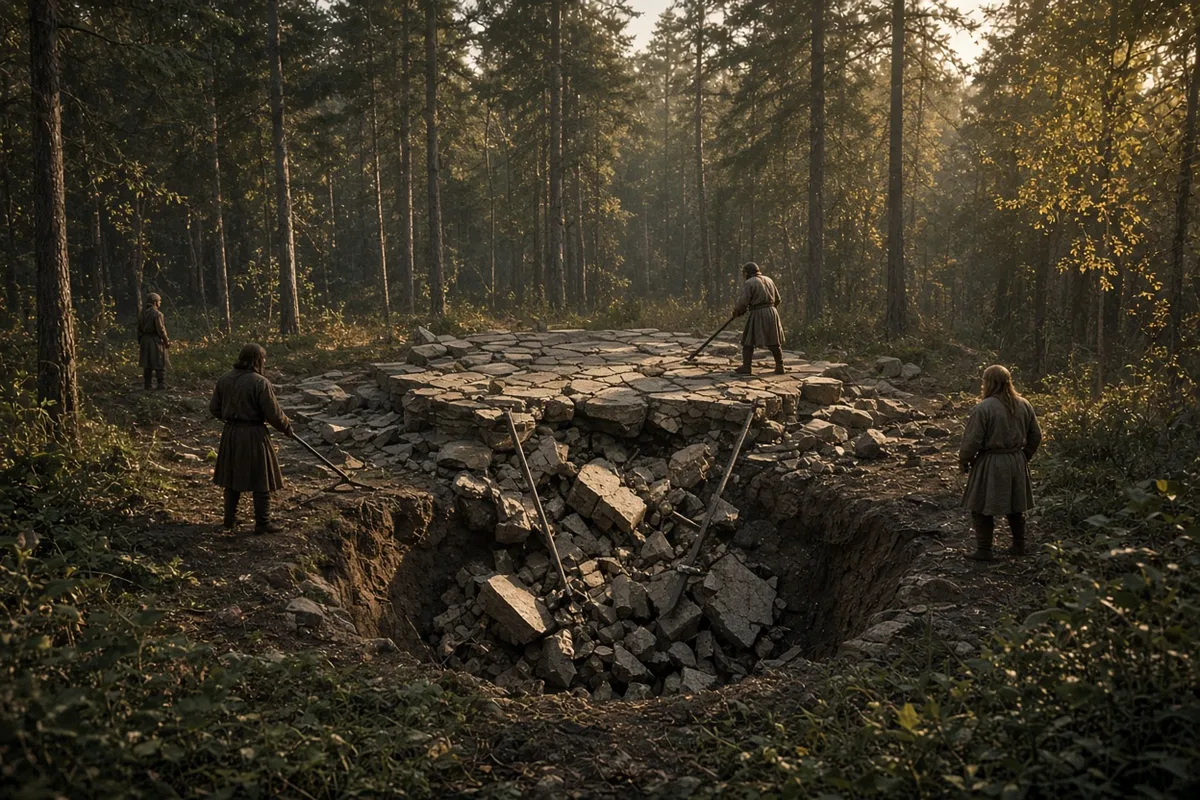
Centuries later the foundations of the Tithes church were cleared again in 1630 when Metropolitan Peter Mogila ordered a small wooden chapel built over the site. In 1828 the architect Vasily Stasov raised a new stone church on the same plan, using the original blocks where they could be found, and that building stood until 1935 when Soviet authorities ordered it dismantled for the stone. The excavations that followed in 1938 and again in 2005 uncovered the original tenth-century apse and the grave pits that held the remains of Vladimir’s family. Today the outline of those foundations is marked by low stone walls set into the grass of Volodymyrska Hill, and visitors walk between them reading the metal plaques that give the dates 989–996. The river still flows past the same bend, carrying leaves and twigs each autumn.
My great-grandson now keeps the nets in the place where I once stood. He is thirty-seven and has three children of his own. Last spring he brought the youngest boy down to the water to show him how to tie the knot that holds the float, the same knot I learned from my father. The child stood barefoot in the shallows and watched a piece of charred wood drift past, then reached for it before his father told him to let it go. The hill above them holds only grass and the low walls of the old foundations, and the sky above the ridge is the same size it became the year the idols were taken away.
My great-grandson’s eldest boy took over the landing in 1032 after the father fell from the ferry during the spring rise. He counted the floats each morning by the same willow whose roots had split the bank stone since the year of the baptism, and he paid the tithe collector four grivnas of wax and one of linen every Michaelmas as the statute of Vladimir required. The boy’s own son, born in the month the chronicle calls “the year 6545,” learned to splice the lead weights onto the net cord while the masons still set the last copper sheets on the thirteen domes of Saint Sophia three hundred paces to the north.
In 1240 the same family line held the nets through the nine-day siege. The youngest living male, then twenty-four, carried the last catch up the slope on the morning Batu Khan’s engines breached the western wall. He buried the remaining floats beneath the floorboards of the house below the hill and returned to the river only after the Mongols withdrew, finding the water level unchanged but the stone wharf cracked where the lead from the Tithes roof had run molten into the mud.
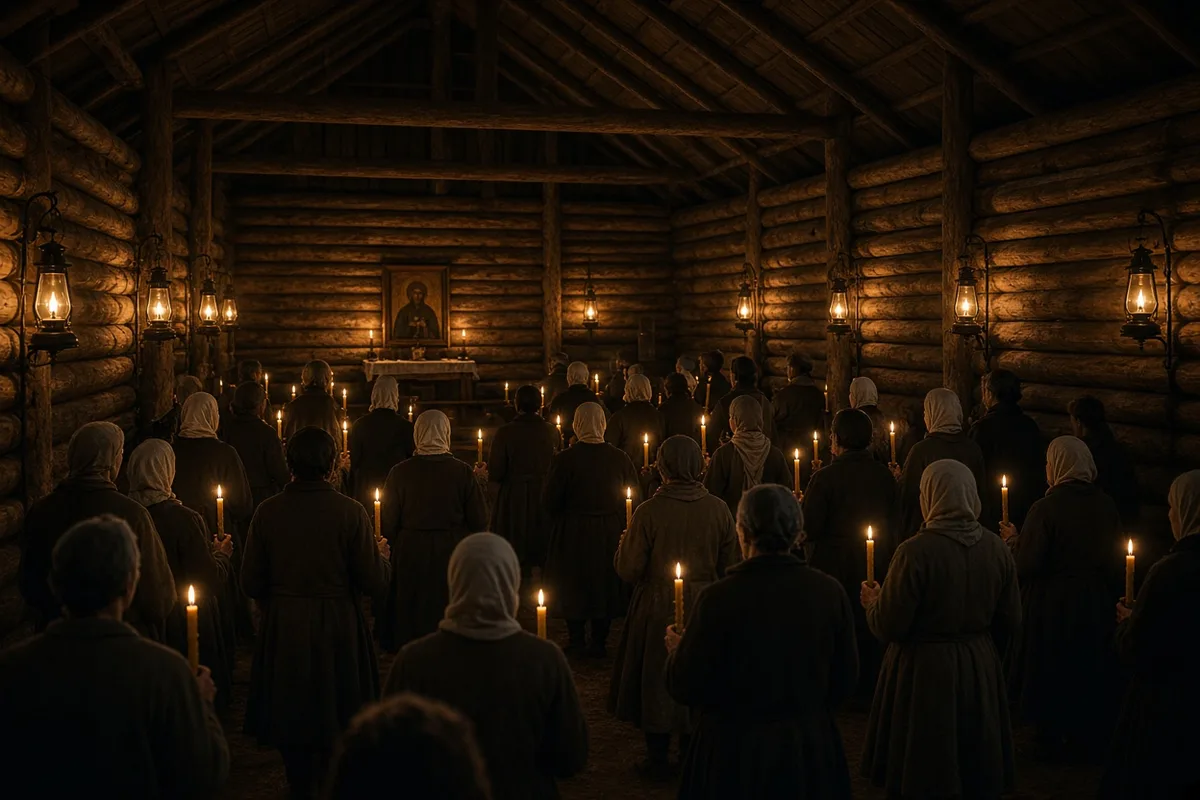
By 1630 the great-grandson’s descendant eight generations removed, a deacon named Ivan at the Brotherhood Monastery, walked the same bank each dawn before reciting the hours. He noted in his psalter the date when Metropolitan Peter Mogila laid the first timber of the chapel over the cleared foundations, and he recorded that the work used “fourteen oak beams taken from the old ferry landing.” The deacon’s son later added the marginal note that the chapel measured twelve paces by eight and stood until the frost of 1697 split its ridge beam.
In 1828 the architect Vasily Stasov set the new limestone blocks on the identical plan, using the surviving tenth-century stones marked with the incised crosses. A fisherman of the direct line, then forty-nine, supplied the masons with three hundredweight of hemp rope for the scaffolding and received in payment one silver ruble and the right to dry his nets against the south wall each autumn. The completed church received its first liturgy on 15 July 1842, the feast of the baptism, with the metropolitan and twelve priests present.
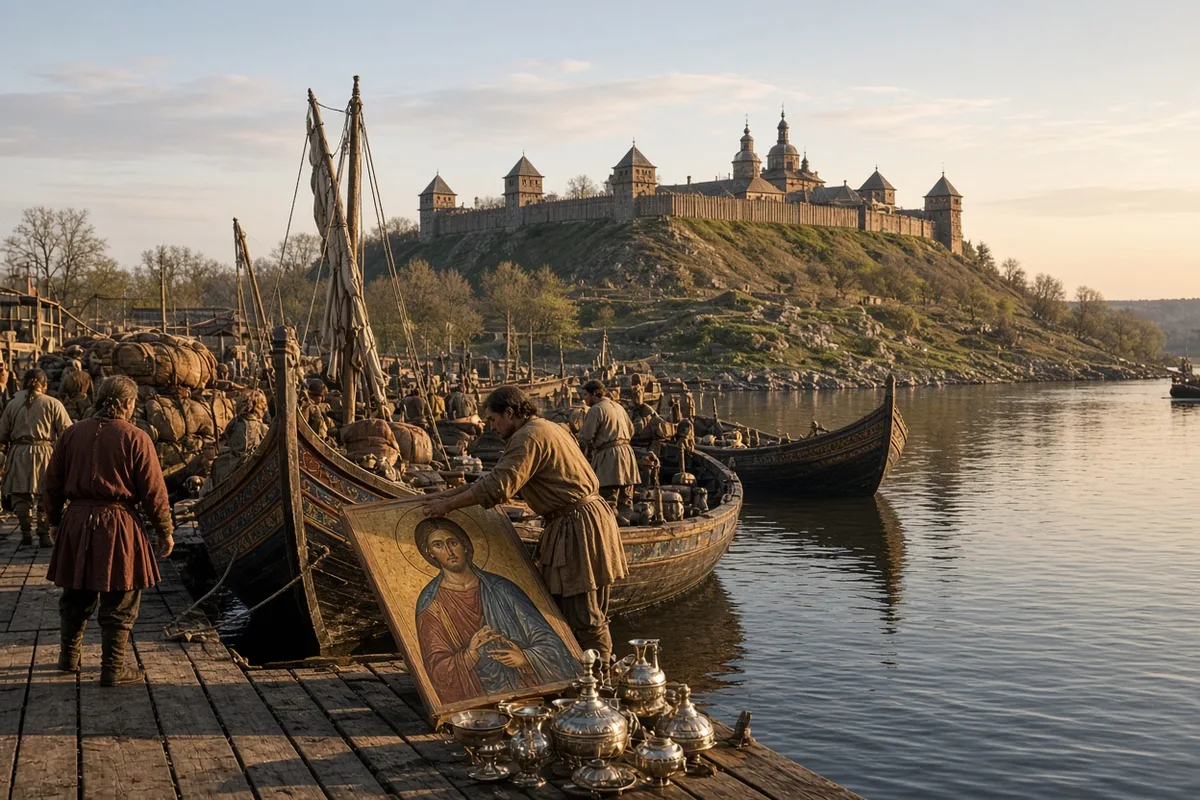
The bronze statue of Vladimir was raised on the same ridge in 1853. Cast in Saint Petersburg at the factory of Felix Chopin, it stood 4.4 meters tall on a pedestal of granite brought from the Zhytomir quarries, the sword in the right hand measuring 2.7 meters from hilt to tip. The fisherman’s grandson, then a boy of eleven, stood among the crowd when the covering canvas fell and heard the governor-general read the inscription that named Vladimir “equal to the apostles and enlightener of the Russian land.”
Excavations in 1938 exposed the original apse and the grave pits containing the bones of at least three hundred defenders. The same family’s last male representative still living in the city, aged sixty-two, worked as a laborer on the dig for eleven days and carried away one limestone block marked with the cross to shore the cellar of his house on Andriyivskyi Descent. The block remained there until the house was cleared in 1973.
Today the low stone walls that trace the tenth-century foundations lie open to the sky on Volodymyrska Hill. The great-grandson’s descendant twelve generations removed, a man of thirty-seven who keeps the same knot in his net cord, brings his own youngest child to the water each spring. The child stands barefoot where the current still runs clear over the stones and watches the leaves drift past the willows, then reaches once before being told to let them go.