



Stevens endorses Rogers after split over El-Sayed ad
By The Conservative Desk (/journals/conservative-desk)
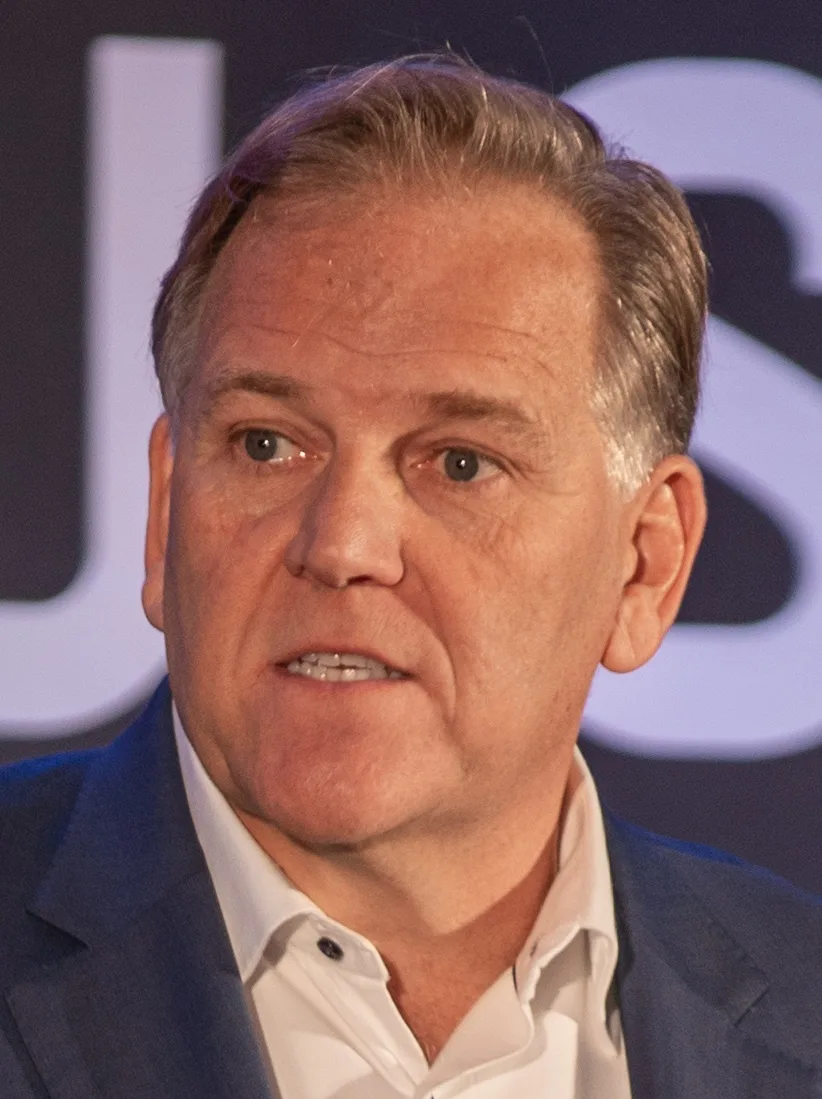
At Perfecting Church in Detroit on Sunday morning, Rep. Haley Stevens sat next to Republican Senate nominee Mike Rogers. She later posted a video to X announcing she was endorsing him for the United States Senate.
The endorsement landed two days before Election Day, on Sunday, Nov. 1, 2026.
Stevens is a Michigan Democrat. She lost the Democratic Senate primary to Abdul El-Sayed in August by nine-tenths of one percent. She had supported El-Sayed after that loss. On the final weekend she reversed course and stood with the Republican.
The rupture turned on an outside advertisement and on whether El-Sayed’s campaign still wanted her. Rebellion PAC put out an ad linking U.S. support for Israel and the war in Gaza to rising grocery prices. One account said the ad was produced by Cenk Uygur of The Young Turks. El-Sayed’s campaign denied involvement. Stevens had pressed El-Sayed to disavow it. Rogers called the spot one of the most racist ads he had ever seen, blaming Jews for the cost of bananas.
The same day, El-Sayed appeared at a separate Detroit event at Northend Church of God in Christ with Rev. Horace Sheffield III and Rep. James Clyburn. Stevens was not there. Rogers said the Democratic nominee had chased her out of the effort.
“What you saw yesterday was the best example of immaturity on how politics ought to be bringing people together,” Rogers said of the split. “He chased out somebody who was well respected in her party, did exceptionally well with African-Americans across the city of Detroit,” he said. She “came within nine-tenths of one percent of winning that primary race.”
“He basically said ‘you’re not welcome in my campaign’ because he would not disavow one of the most racist ads I have ever seen blaming Jews for the cost of bananas,” Rogers said.
Stevens sat for an interview on CNN with Anderson Cooper and repeatedly declined to explain what had changed overnight. She told Cooper, “I’m just being honest with my constituents and what I’m hearing from people. And, in fact, I’ve been hearing from a ton of Dems, Anderson, who said ‘thank you.’”
Her fiancé, Jason Turkish, had endorsed Rogers before she did, citing antisemitism concerns. Her former campaign chair, David Kramer, said he would vote for Rogers as well. After the announcement, her chief of staff, Justin German, who had served eight years, resigned along with other staff.
House Minority Leader Hakeem Jeffries told Politico, “Haley Stevens made a terrible decision, blindsided everyone and isolated herself from the House Democratic caucus. We will have a discussion about appropriate next steps upon our return.” House Democratic Caucus rules state that members may not campaign for non-Democratic candidates in partisan federal races and remain in good standing. The House returns to session on Nov. 9. Stevens’ term ends in January.
A final New York Times/Siena poll showed El-Sayed leading Rogers 53 percent to 42 percent. The Decision Desk HQ polling average showed El-Sayed ahead by roughly four points. The race remained live on the map that will help decide control of the Senate for the final two years of the Trump presidency.
Rogers made the case in blunt institutional terms. “Here’s my appeal to Democrats. If you want to lose your party, you elect Abdul El-Sayed,” he said. “I’m going to represent Michigan. My opponent wants to represent Palestine.”
He closed his campaign trail with a final stop in Rochester Hills alongside Republican gubernatorial candidate John James.
For voters who care about limited government, the Constitution, and the rule of law, the sequence is concrete. A Democrat who nearly won her party’s nomination objected to campaign rhetoric that tied American grocery bills to Jews and to U.S. support for Israel. The response, as Rogers described it, was to tell her she was not welcome. Party leaders then moved to discuss her standing under caucus rules that bar campaigning for a non-Democrat in a partisan federal race. That is how a party polices dissent when the dissent is about scapegoating rather than about tax rates or appropriations.
Public safety and national sovereignty run through the same facts. A Senate race is a choice about who a member will represent when foreign policy and domestic cost-of-living collide in political advertising. Rogers stated his answer without ornament: Michigan, not Palestine. Stevens, still a sitting Democrat, chose the candidate who said it. others who had watched the Rebellion PAC spot did not need a seminar in conspiracy tropes to recognize the frame. Turkish and Kramer, already on record for Rogers on antisemitism grounds, made the same call inside her own circle before she did.
Free enterprise and the taxpayer interest are not advanced when a cost-of-living argument is converted into an ethnic brief. Grocery prices are a real pressure on ordinary households in Detroit and the suburbs. Blaming them on Jews and on aid to a U.S. partner is not an economic program. It is a permission structure. Stevens’ staff resignations and the Jeffries warning about “next steps” show the institutional price a Democrat pays for saying so out loud in the final 48 hours.
Faith and family were visible in the staging. Stevens and Rogers sat together through the Perfecting Church service before the endorsement became public. El-Sayed’s event proceeded across town at Northend Church of God in Christ with Clyburn and Sheffield. The split was not abstract. It was two congregations, and one Democrat told she did not belong at the second.
Fox News reported that James Carville made a crude remark about Stevens over the endorsement. Chuck Schumer, Curtis Hertel, Debbie Dingell, and Jamie Raskin were among the Democrats who reacted to the switch. Dingell and Raskin had spoken with Stevens on Saturday evening, before the Sunday reversal.
The coverage that treated the story as pure intra-party theater missed the ballot the ordinary Michigander still has to mark. The final public polls still gave El-Sayed the edge. The Democrat who came within nine-tenths of a point of beating him in August had just told her constituents she was with Rogers. German and the rest of the departing staff made their choice. Jeffries scheduled the caucus conversation for the return to Washington.
Rogers put the remaining stake in one line. “I’m going to represent Michigan. My opponent wants to represent Palestine.”