



Study Finds Dogs Distinguish Human Facial Emotions
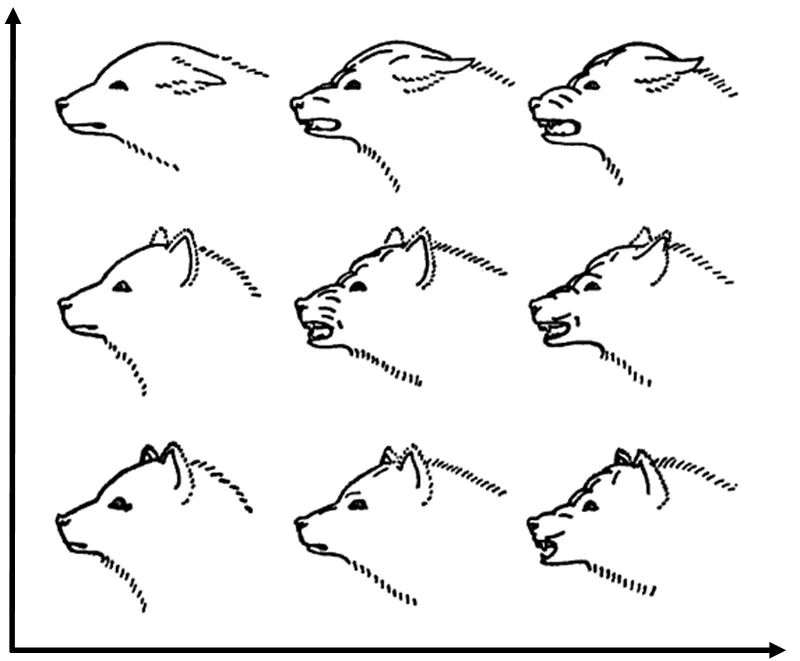
Dogs closely monitor human behavior and often respond to patterns involving facial expressions, voices, routines and body language, though their reactions do not necessarily reflect human-like judgments. Research using fMRI scans found that dogs’ brains respond differently to happy, angry, fearful and sad human faces, with smiling faces activating regions linked to social processing and reward. Dogs may therefore learn that a relaxed expression, cheerful voice or smile predicts play, treats or affection without understanding happiness as an abstract concept. Everyday behaviors such as head tilting, waiting by the door or sighing after a walk may reflect attention, learned routines or disappointment rather than criticism. By contrast, sudden stillness during a tense encounter can be an important warning sign of fear, uncertainty or stress and may precede retreat, lunging or snapping.