



Study Links Climate Shocks to Industrial-Era Vitamin Deficiency
7 sourcesUpdated Nov 8, 20261 min read
Sponsored
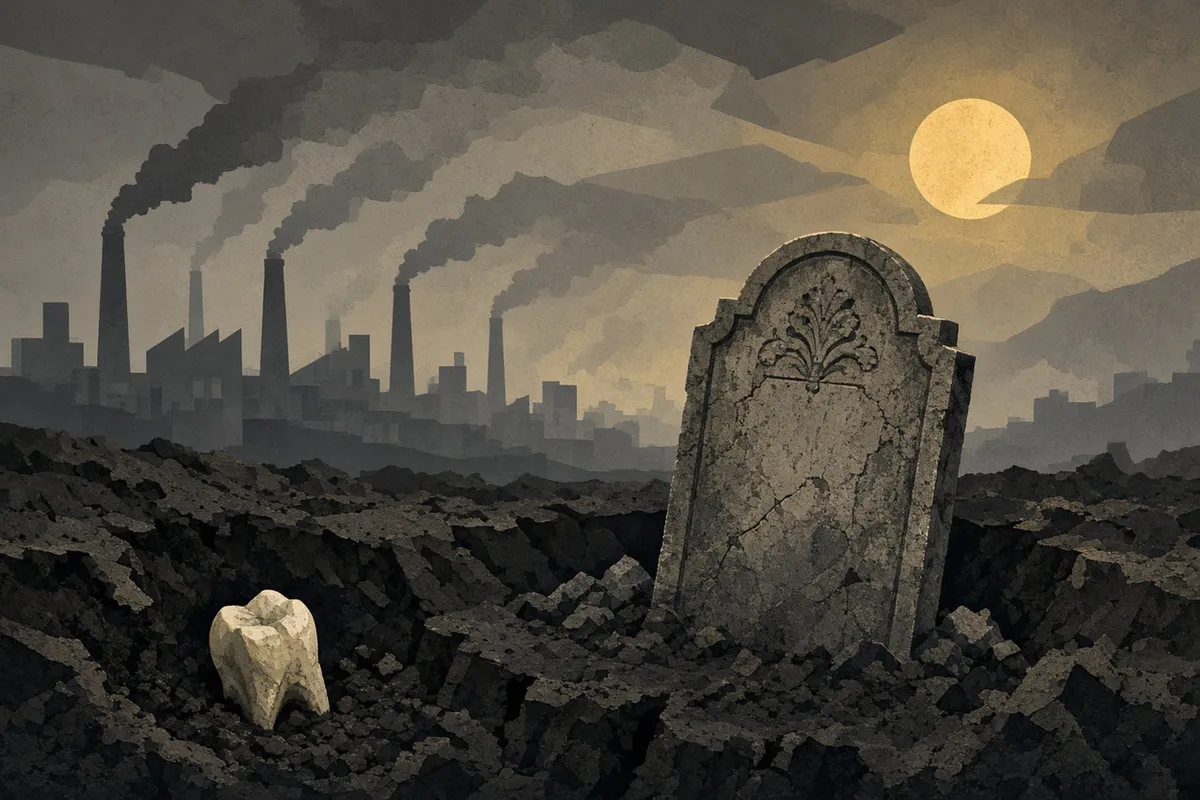
Researchers analyzing teeth and burial records from the Coach Lane Quaker cemetery in North Shields found evidence that climate conditions may have contributed to childhood vitamin D deficiency and rickets during the Industrial Revolution. Tooth defects indicating possible vitamin D disruption were considered alongside birth estimates and periods of volcanic and reduced solar activity, which could have lowered sunlight exposure. The findings add climate shocks during the Little Ice Age to established risk factors such as pollution, poor housing, poverty and harsh working conditions, though the evidence suggests a contributing factor rather than a sole cause.
Sponsored