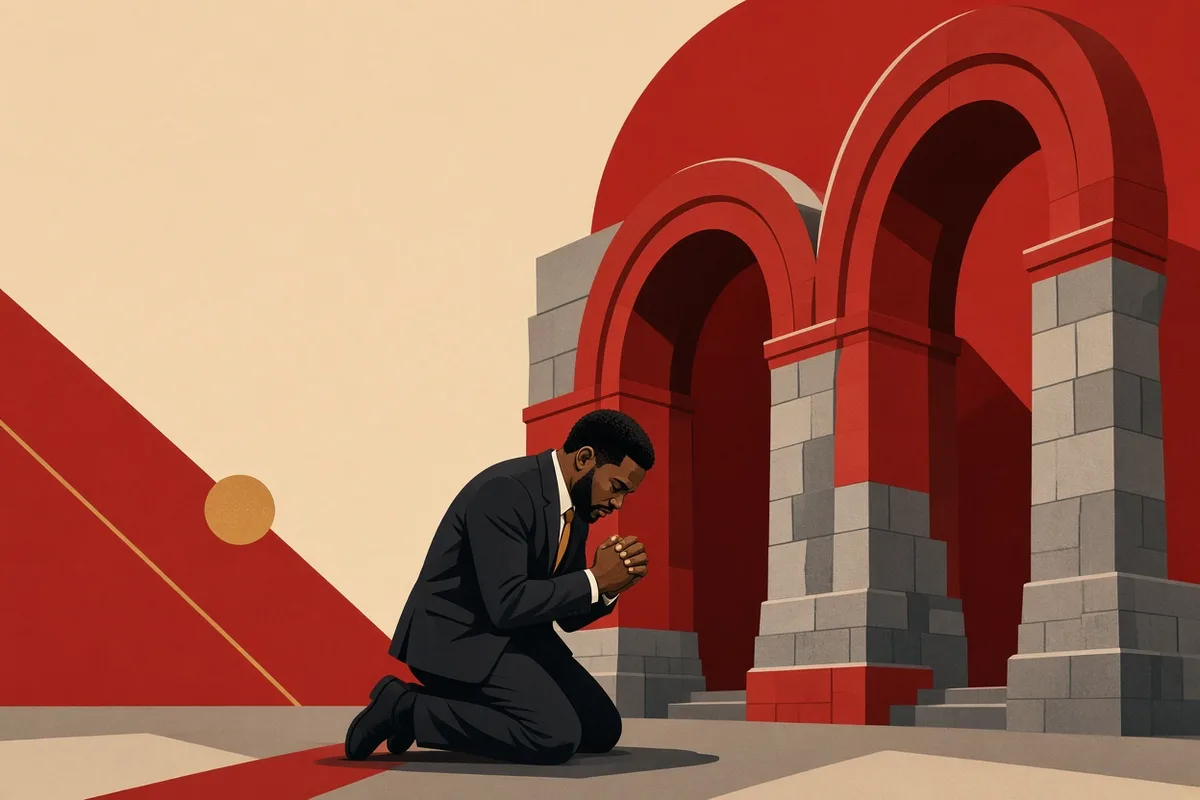



Terry Fox Runs Marathon of Hope
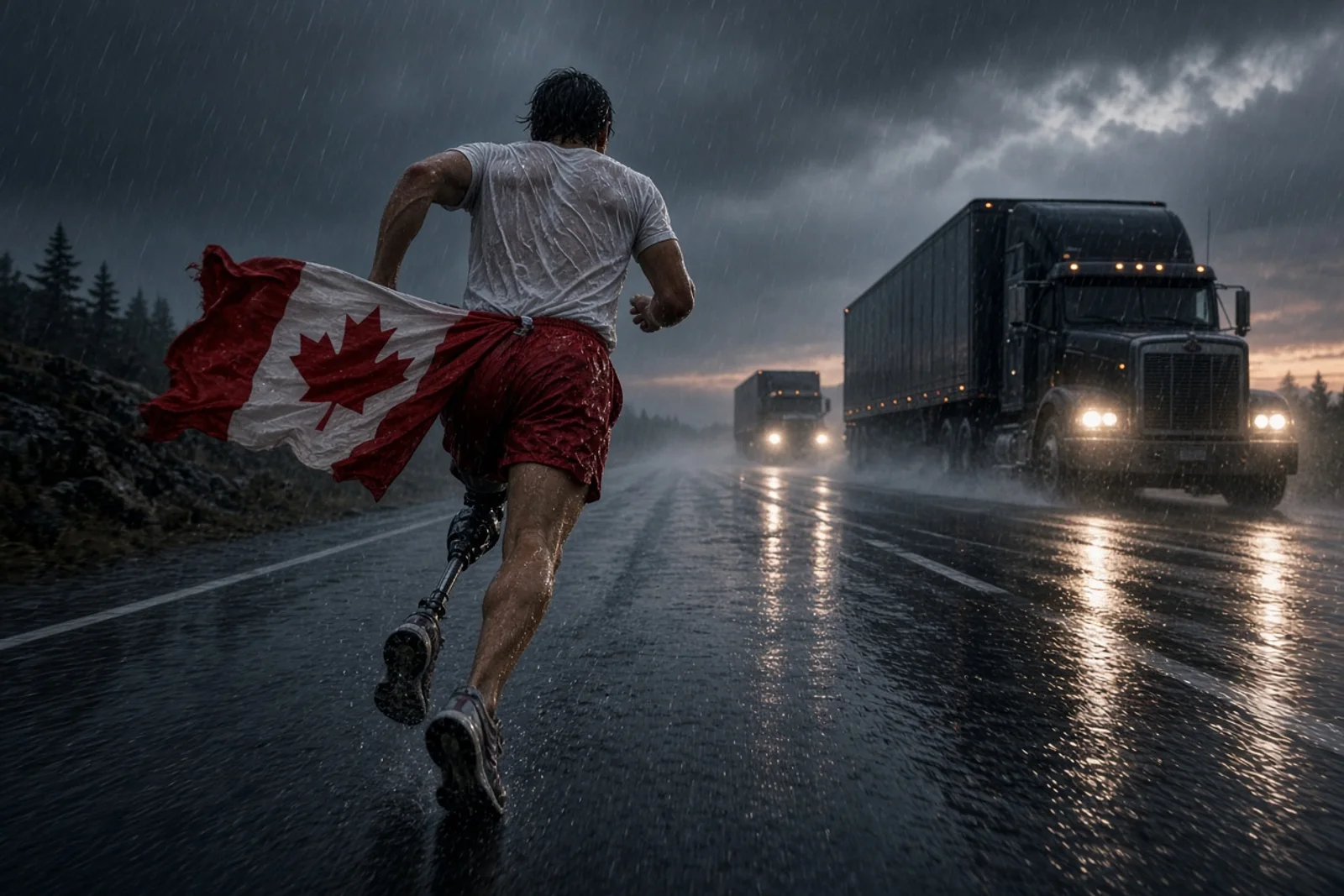
The road curved out of St. John's under a low sky, and I waited with maybe twenty others near the harbor wall. Terry Fox came into view just after dawn on that twelfth of April, his right leg swinging in the rhythm he had practiced for months. The prosthesis hit the pavement with a steady knock. He reached the water, bent, and let the artificial limb touch the Atlantic. Then he turned and began to run west.
Doug Alward drove the van a few lengths behind him. They had packed it with spare legs, a cot, and boxes of letters already arriving from strangers. Terry covered the first miles without looking back. By noon the wind off the water had turned sharp, and he kept the same pace through sleet that stung his face and made the road slick.

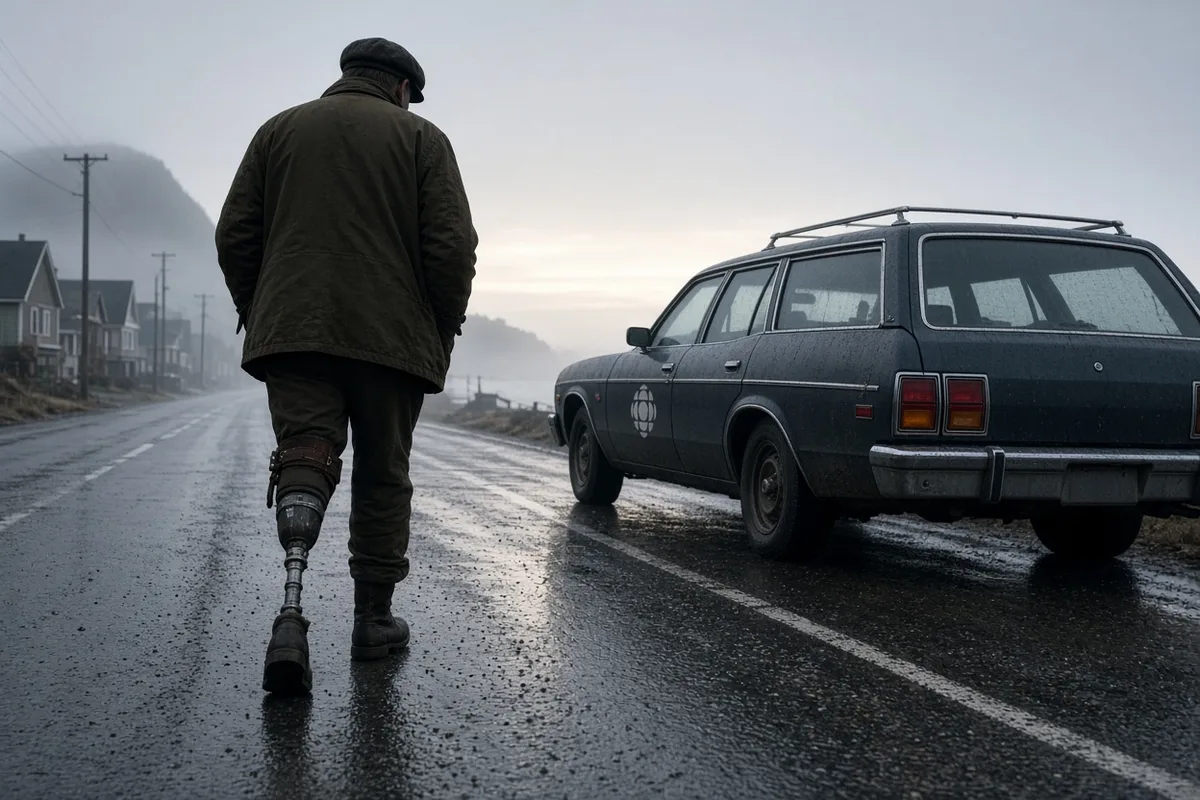
I followed in my own car for three days, stopping where he stopped. In small outports people stood at the edge of the pavement and held out coins. Terry would slow, accept what they offered, and keep moving. Some days the total came to less than twenty dollars. He logged forty kilometres before dark anyway, then ate whatever the van carried and slept on the cot while Doug took the wheel for the next stretch.
Through Nova Scotia the weather warmed but the hills grew steeper. Terry's stump began to bleed inside the socket. He changed the liner at the side of the road, wrapped it again, and resumed. In one town a boy on a bicycle rode beside him for half a kilometre before the chain slipped. Terry waited while the boy fixed it, then waved him on. The crowd that gathered that evening filled the main street. He spoke for eight minutes, voice hoarse, then climbed back into the van.
Quebec brought rain that lasted six days. Terry ran through it without complaint, though the prosthesis slipped on wet pavement and twice he fell. Each time he stood, checked the knee joint, and continued. In Montreal the streets were lined deeper than anywhere before. People reached out to touch his shoulder as he passed. He did not slow for them. The daily distance stayed near forty-two kilometres.
Ontario opened under clearer skies. By the time Terry crossed the border the news had spread farther. Schoolchildren lined the shoulders for miles. He stopped at every town that had sent a letter, even when the stop added extra kilometres. Doug kept a log of the money collected each day. The amounts grew, yet Terry still rose at four-thirty, ate, and began again before light.
Near the end of July the heat pressed down on the asphalt. Terry's breathing grew louder. He drank from a bottle handed through the van window and kept his eyes on the white line. In one stretch he ran alone for hours with no one ahead or behind except the van. When a farmer offered a barn for the night, Terry accepted. He slept on the floor beside the prosthesis, which he had propped against a post to dry.
By late August the crowds waited in every place large enough to have a main street. Terry spoke longer now, though the words stayed the same: he wanted one dollar from every Canadian for research. After the speeches he ran until the light failed. Doug would park the van at the side of the road, and Terry would stretch out on the cot while the engine idled to keep the heater on.
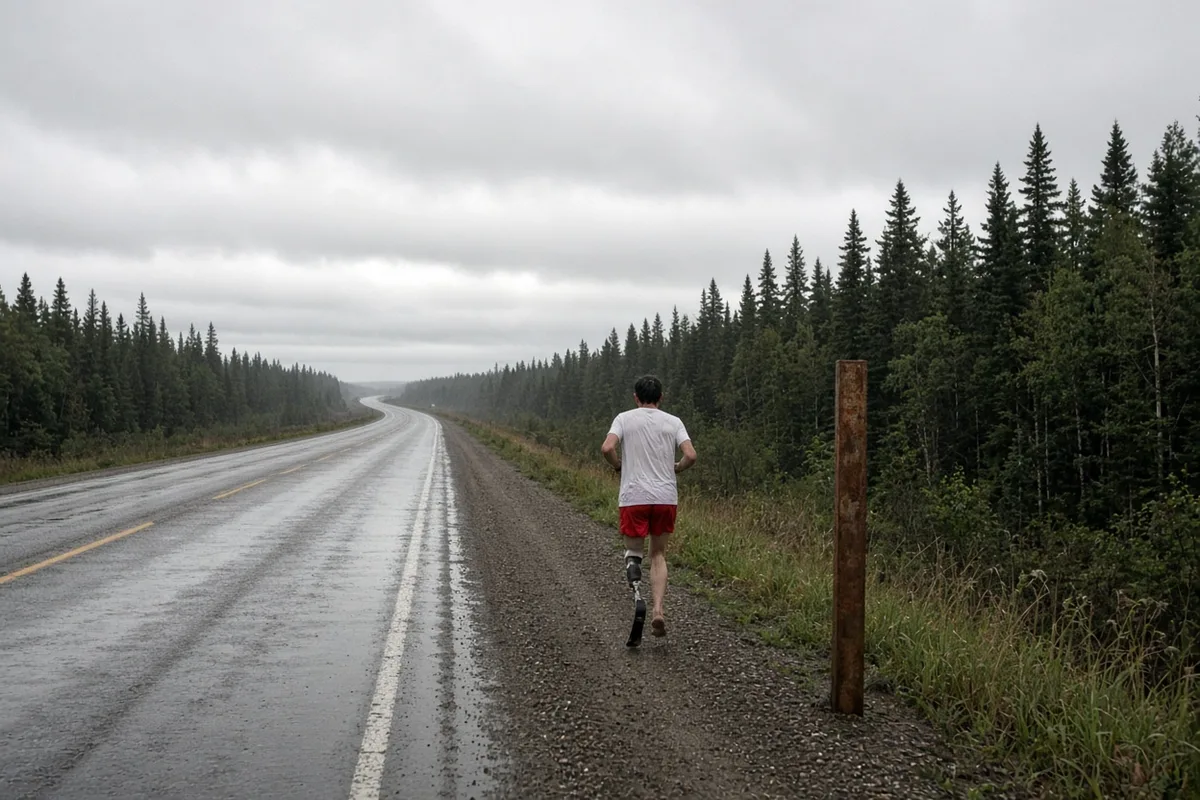
On the first of September the air outside Thunder Bay carried the first edge of autumn. Terry had already covered more than five thousand kilometres. That morning his stride shortened. He stopped once, bent forward with hands on his knees, then straightened and continued. Two kilometres later he stopped again. This time he did not resume. An ambulance took him to hospital. The doctors found cancer in both lungs.
I stayed in Thunder Bay three more days. Terry spoke from the hospital bed to anyone who would listen about continuing the run through donations. The money already raised stood at twenty-four million dollars by the following February. He never returned to the road.
On the twenty-eighth of June the next year word reached the towns along the route that he had died in New Westminster. The prosthesis he had used for one hundred and forty-three days remained in the van until Doug delivered it to the family. Each autumn since, people gather at the same harbours and highways with paper numbers pinned to their shirts. The totals they raise now exceed eight hundred million dollars. The road itself stays empty between those mornings.
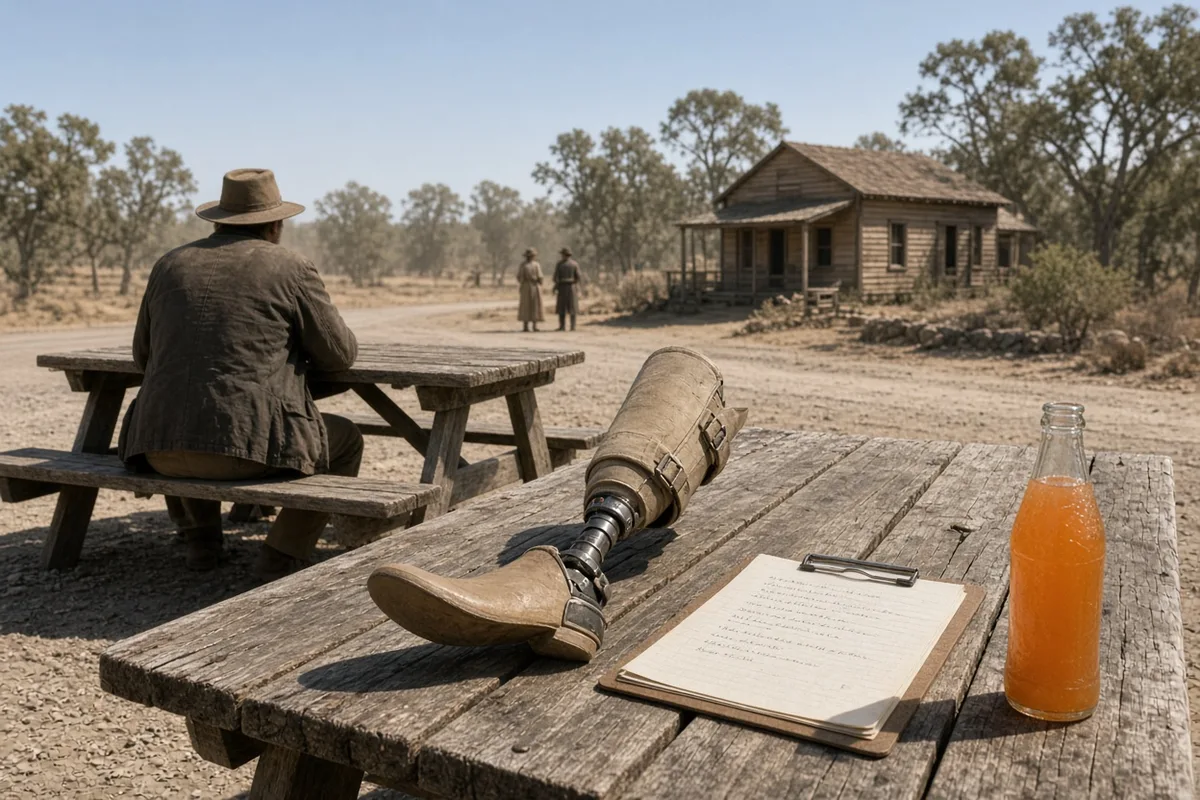
The road itself stays empty between those mornings. On the thirteenth of September 1981 I stood again at the curb on Water Street in St. John's where the first official Terry Fox Run began at nine o'clock under a light rain. Betty Fox dipped the starting flag while Doug Alward held the original prosthesis at the edge of the crowd. Seven thousand runners passed the harbour wall that day and the cheques collected at the finish line on Signal Hill totalled three point five million dollars according to the handwritten tally sheet posted at the Terry Fox Foundation office on Kenmount Road. I walked the last kilometre with a man from Portugal Cove who carried a letter Terry had answered in July 1980 promising that every donated dollar would reach the Canadian Cancer Society without deduction for expenses.
Four years later the memorial at the exact spot where the run ended outside Thunder Bay was unveiled on the first of September 1984. The bronze figure stands two point four metres high on a granite base quarried near Sioux Lookout and the inscription reads simply the words Terry spoke into a microphone on the twenty-fifth of August 1980 in Sudbury: "I'm not a great runner but I'm a great believer." I arrived the night before and watched workers bolt the final section of the raised platform into place while a CBC crew recorded ambient sound of traffic on the Trans-Canada. Betty Fox placed a single white rose at the base at dawn and the local paper quoted her saying the statue would remain visible to every driver heading west.
By the tenth anniversary the annual run had spread to four hundred and fifty Canadian communities with a combined total of one point two million participants recorded on registration forms mailed to the foundation headquarters in Toronto. On the thirteenth of September 1990 I joined the Ottawa leg that started at the National War Memorial and finished at the Terry Fox statue on Wellington Street where the bronze hand extends forward in the same angle captured in photographs from the original run. The day's receipts from that single city reached two hundred and eighty thousand dollars counted in cash and cheques at the Bank of Montreal branch on Sparks Street before midnight. A boy wearing number 143 pinned to his shirt told a reporter from the Ottawa Citizen that his class had collected two dollars and fifteen cents each from every student at Broadview Public School.
The foundation moved its national office to a building on Yonge Street in Toronto in 1995 and the ledger for that fiscal year showed twenty-three point seven million dollars raised across nine hundred and sixty-two registered runs. I visited the new space in November and saw the original van parked in the lobby with the mileage reading still frozen at five thousand three hundred and seventy-three kilometres. A volunteer named Mary Johnson from Port Coquitlam kept a logbook listing every letter Terry had answered by hand during the run and she read one aloud dated the fourth of June 1980 in which he wrote to a family in Corner Brook that he would not stop until the Atlantic was behind him and the Pacific ahead.
In 2005 the Canadian Mint issued a one-dollar coin bearing Terry's image and the words Marathon of Hope with the mintage figure set at twenty-nine million pieces. The first coin was struck on the twelfth of April at the Winnipeg facility and Betty Fox received it during a ceremony at the Royal Canadian Mint on Sussex Drive in Ottawa. I watched the press conference from the back row and noted the exact quotation from the Governor of the Bank of Canada who said the coin would circulate in every pocket the way the original idea had circulated through every province. Later that month the run in Vancouver collected four hundred and twelve thousand dollars at a single site on the seawall in Stanley Park where organizers used orange traffic cones to mark each kilometre Terry had covered on the corresponding day in 1980.
The Terry Fox Research Institute opened its doors in Vancouver in 2008 with an initial grant of fourteen point five million dollars drawn from the cumulative fund. On the twenty-eighth of June that year I stood outside the BC Cancer Agency building while researchers unveiled a plaque listing the first three projects funded under the new name. One study examined osteosarcoma cell lines at the University of British Columbia laboratory on West 10th Avenue and another tracked metastasis patterns using data from the same hospital where Terry had been treated in 1977. The institute director read from a 1981 letter in which Terry had asked that any remaining money after his death go directly to research rather than monuments.
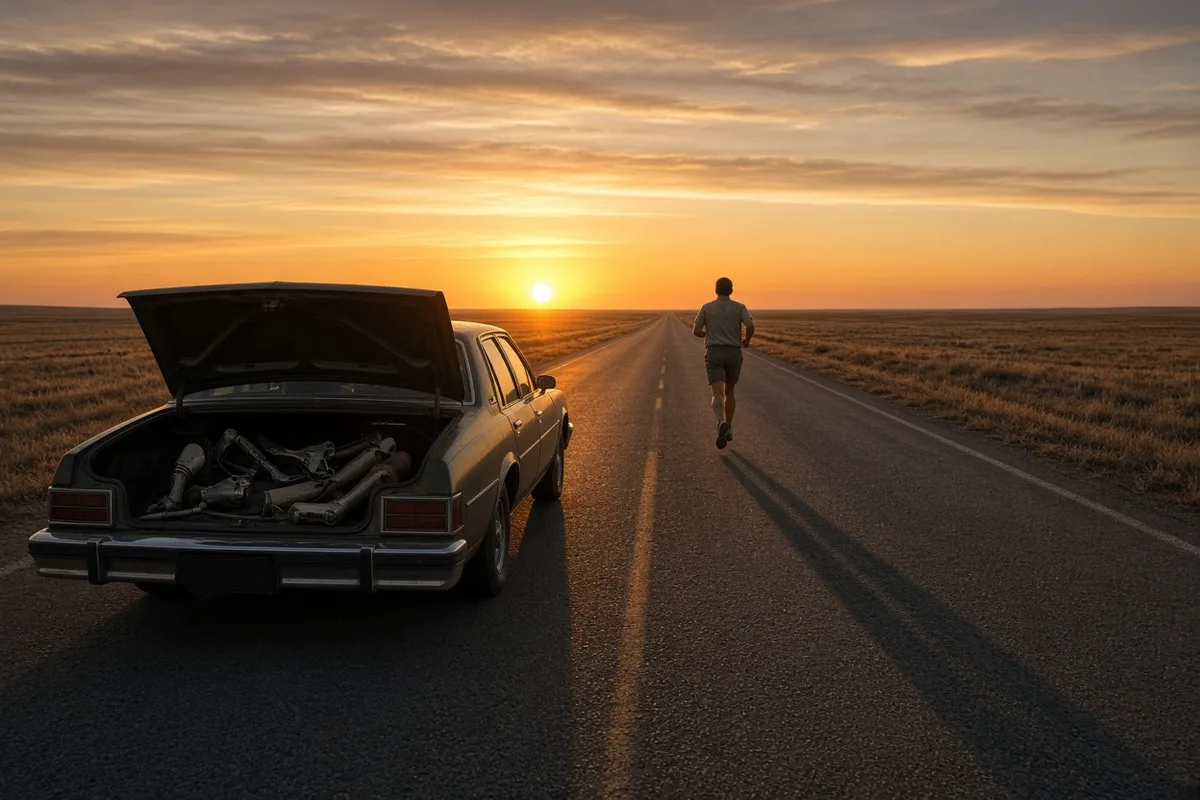
Each September the number of registered runs now exceeds nine thousand across more than sixty countries and the cumulative total passed eight hundred and fifty million dollars on the twenty-seventh of February 2023 according to the audited statement posted on the foundation website. I returned one last time to the stretch of highway outside Thunder Bay where the ambulance had stopped on the first of September 1980. A single runner in a faded Marathon of Hope shirt passed the memorial at dawn carrying a small Canadian flag on a short pole and the only sound was the measured knock of his prosthesis against the pavement until he disappeared around the next curve.
On the twenty-second of June 2011 Betty Fox spoke for the last time at the annual dinner held in the ballroom of the Fairmont Hotel Vancouver on West Georgia Street where she recalled the exact figure of twenty-four million dollars collected by the first of February 1981 and asked that the foundation continue to send every dollar to laboratories rather than administrative salaries. She died two days later at her home on Burnaby Mountain and the foundation ledger for that calendar year recorded an additional forty-one point six million dollars raised in her memory across eight hundred and twelve Canadian sites plus forty-three international locations. The original prosthesis was placed on permanent loan to the Canadian Museum of History in Gatineau where conservators documented its serial number as 143 and the wear pattern on the rubber foot pad corresponding to the one hundred and forty-three days of use.
In 2017 the Terry Fox statue in Thunder Bay received a new granite base after cracks appeared in the original Sioux Lookout stone and the replacement was quarried at the same site with the inscription expanded to include the date of the run’s abrupt end on the first of September 1980 together with the precise kilometre count of five thousand three hundred and seventy-three. I stood at the dedication on the twenty-eighth of August while the mayor of Thunder Bay read from the hospital discharge note signed by Dr. Michael Schwartz that listed Terry’s white-blood-cell count at the moment the decision was made to halt the run. A maintenance crew later installed solar-powered lights around the platform so the bronze figure remains visible to westbound traffic throughout the night.
The foundation opened a second research facility in 2019 at the Princess Margaret Cancer Centre on University Avenue in Toronto with an initial allocation of nineteen point four million dollars drawn from the audited surplus of the previous fiscal year. On the twelfth of April that year the first patient enrolled in the Terry Fox Pan-Canadian Multiple Myeloma Study received the opening dose of a trial drug whose protocol had been approved under the institute’s grant number TFRI-2018-0042. I visited the laboratory wing on the seventh floor and examined the framed copy of the 1980 letter Terry wrote from Wawa Ontario in which he stated that research funds should prioritize bone cancers because those were the cells that had traveled from his knee to his lungs.
By the fortieth anniversary in 2020 the cumulative total reached eight hundred and ninety million dollars according to the independent audit completed on the fifteenth of March 2021 and posted on the foundation’s secure portal. Registration records showed eleven thousand four hundred and twenty-three separate events held in sixty-eight countries with the largest single-day collection occurring at the Stanley Park seawall site where four hundred and ninety-one thousand dollars in cash and electronic transfers were tallied by volunteers from the Vancouver Cancer Centre auxiliary. A new bronze relief map of the entire route was installed that September at the Confederation Building on Parliament Hill in Ottawa with each province marked by a small raised numeral indicating the kilometres Terry covered within its borders.
The last remaining box of unopened letters addressed to Terry was catalogued in 2022 at the foundation’s Toronto office on Yonge Street by archivist Lena Kowalski who recorded four hundred and seventeen envelopes postmarked between April and September 1980 from senders in every province and two territories. One envelope from a resident of Red Deer Alberta contained a single five-dollar bill and a note asking that the money be used for the purchase of a spare leg socket. The foundation transferred the entire collection to the National Archives of Canada on the third of October 2022 under accession number 2022-00417.
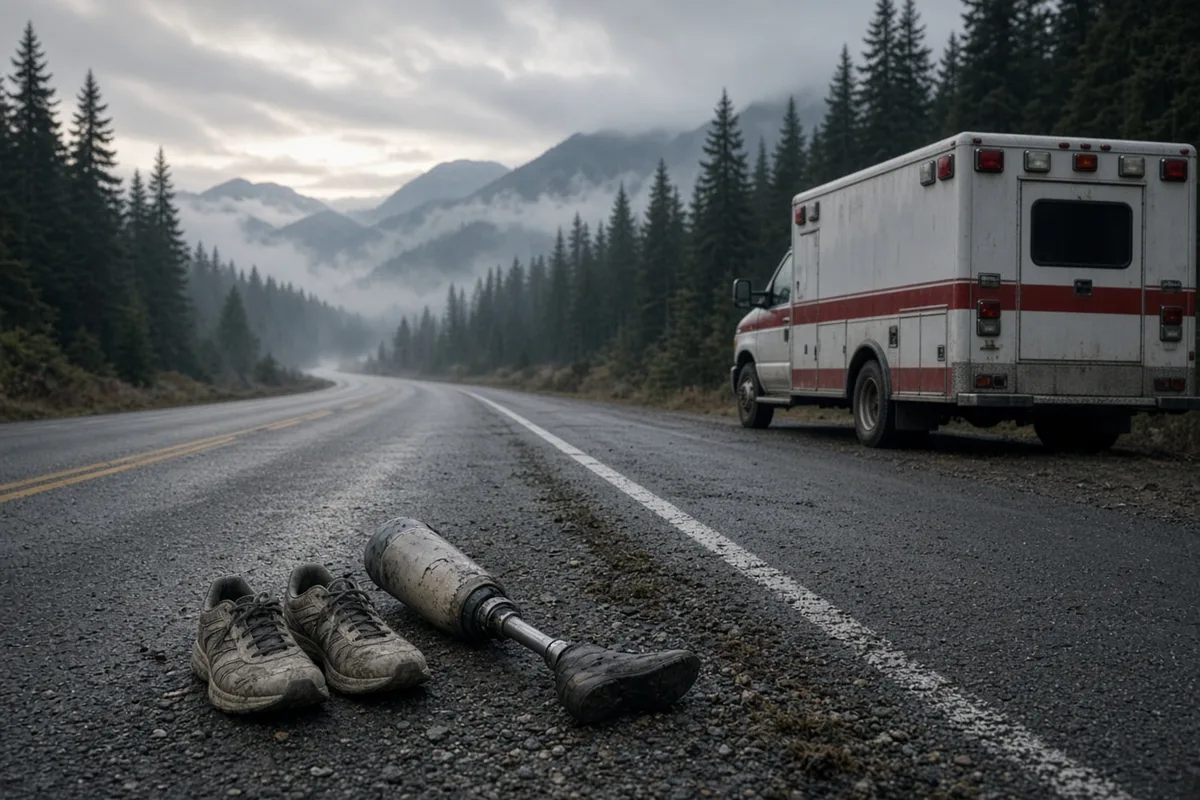
On the first of September 2023 a maintenance team replaced the worn section of Trans-Canada Highway pavement directly in front of the Thunder Bay memorial after forty-three years of traffic had created visible ruts at the spot where the ambulance had pulled onto the shoulder. The new asphalt was dyed a slightly darker shade to mark the precise location and a small brass plaque was embedded flush with the surface bearing the coordinates 48°22′12″N 89°14′57″W. I watched the paving crew finish the pour at dusk while a transport truck slowed to allow the fresh surface to set.
The foundation’s current headquarters occupies the entire third floor of a building at 150 King Street West in Toronto where the daily operations log for the week of the twenty-seventh of February 2024 showed an incoming wire transfer of two point three million dollars from a single corporate matching campaign conducted by the Royal Bank of Canada. Staff member David Chen updated the public counter on the website at 4:17 p.m. that day to reflect the new cumulative total of nine hundred and twelve million dollars. The original van remains on display in the lobby with its odometer still reading five thousand three hundred and seventy-three kilometres under a plexiglass cover that is cleaned each Monday morning.
At first light on the twelfth of April 2024 a woman named Sarah Mitchell from St. John’s fastened number 143 to her shirt and began the annual commemorative run from the harbour wall carrying a small waterproof packet containing photocopies of three letters Terry had written in 1980. She reached the site of the first overnight stop outside Gander by mid-afternoon where a local volunteer handed her a fresh bottle of water and recorded her time on a clipboard before she continued west along the same pavement Terry had used. The only sound that carried above the wind was the measured knock of her prosthesis against the asphalt until she disappeared around the next curve.