


The 21 of Libya and the Forgiveness That Followed
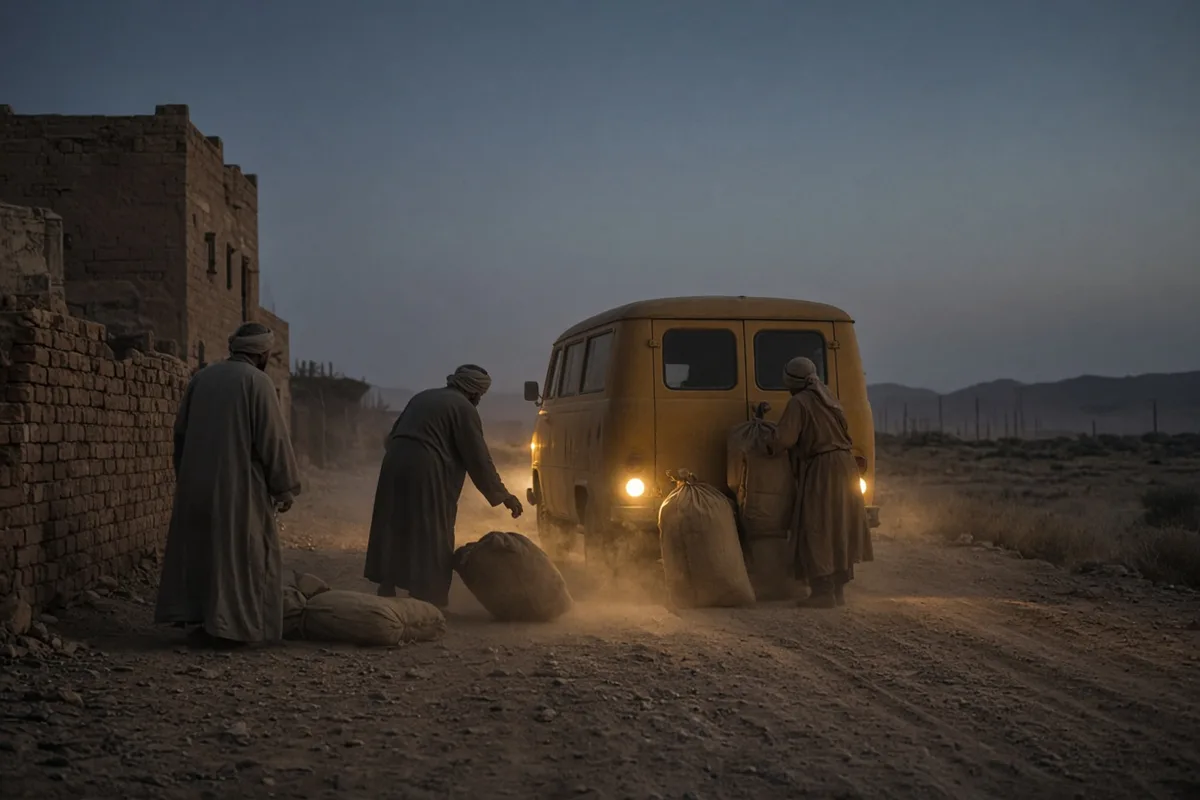
The dust never really settles on our roads in Upper Egypt, not even at night, and I remember it hanging gold in the headlights the morning the minibus pulled away toward the coast road, toward Libya, carrying men I had grown up beside. Some of them I had held ladders for. Some of them had held mine. We were bricklayers, plasterers, men who went where the work was, and for years that had meant crossing the border into a country that had once been calm enough to hire us and pay us in dinars we could send home in envelopes folded into thirds.
I had gone myself, two years before, laid block in Sirte through one long summer, slept on a mattress on a concrete floor with six other men, and come home when the money ran short and the roads started to feel wrong under my feet. I did not have the words for it then. Militias had taken the checkpoints. Flags I did not recognize flew over buildings that used to have nothing on them at all. I told the men who were still going that something in the air there had changed, and they nodded the way men nod when they have already decided, because a family needs bread whether or not the air feels wrong.
Through the end of 2014 the disappearances came in twos and threes, the way bad news does when it wants to be mistaken for coincidence. A man from Samalut, wanted home for a wedding, did not call. A cousin of a cousin from El-Aour stopped answering his phone on a Tuesday and by Thursday his brother was standing in our square asking if anyone had heard anything, anything at all. We told him no. We told each other it would resolve itself, because that is what we always told each other, until the morning it did not.

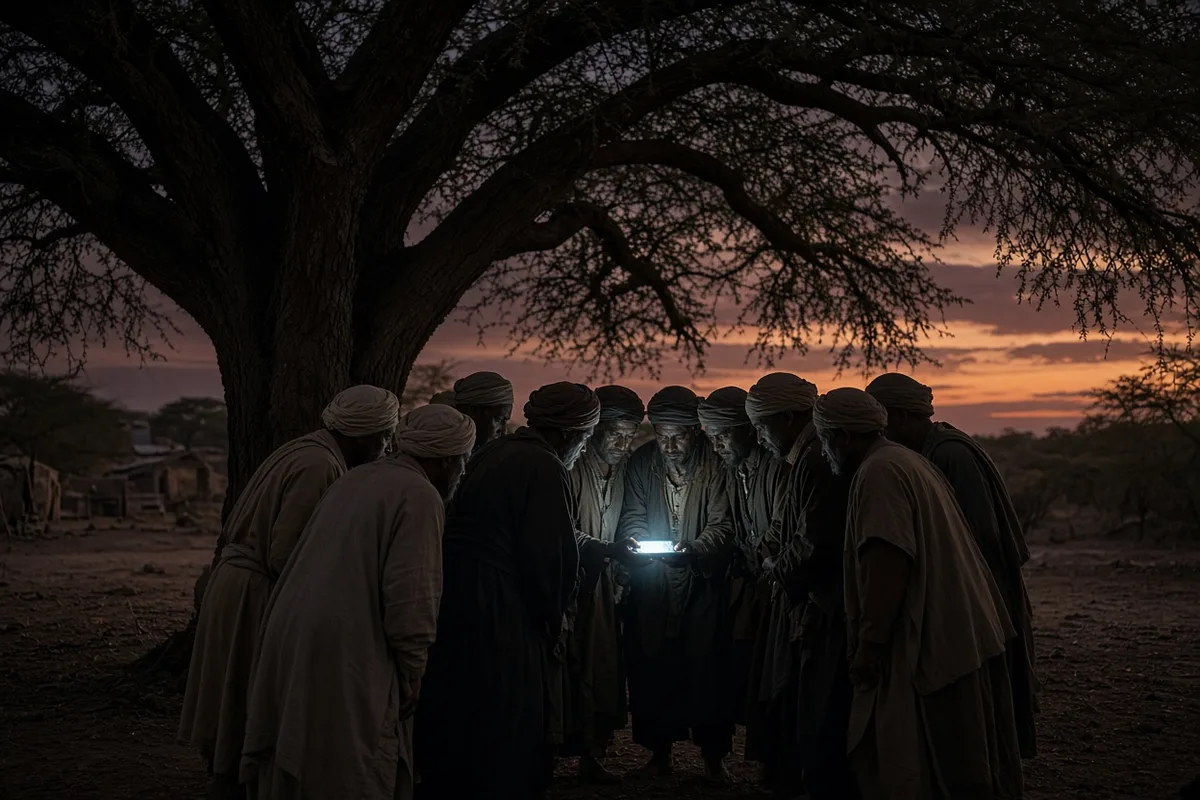
On the fifteenth of February, in 2015, a video reached the village on a phone screen small enough to fit in a palm, passed hand to hand under the acacia tree where the men gather in the evenings. I watched the light of it move across faces before I ever saw the footage myself. Militants dressed in black, masks pulled tight, moving twenty-one men in orange jumpsuits along a beach somewhere on the Libyan coast, the water flat and pale behind them, almost gentle, almost wrong for what was happening in front of it.
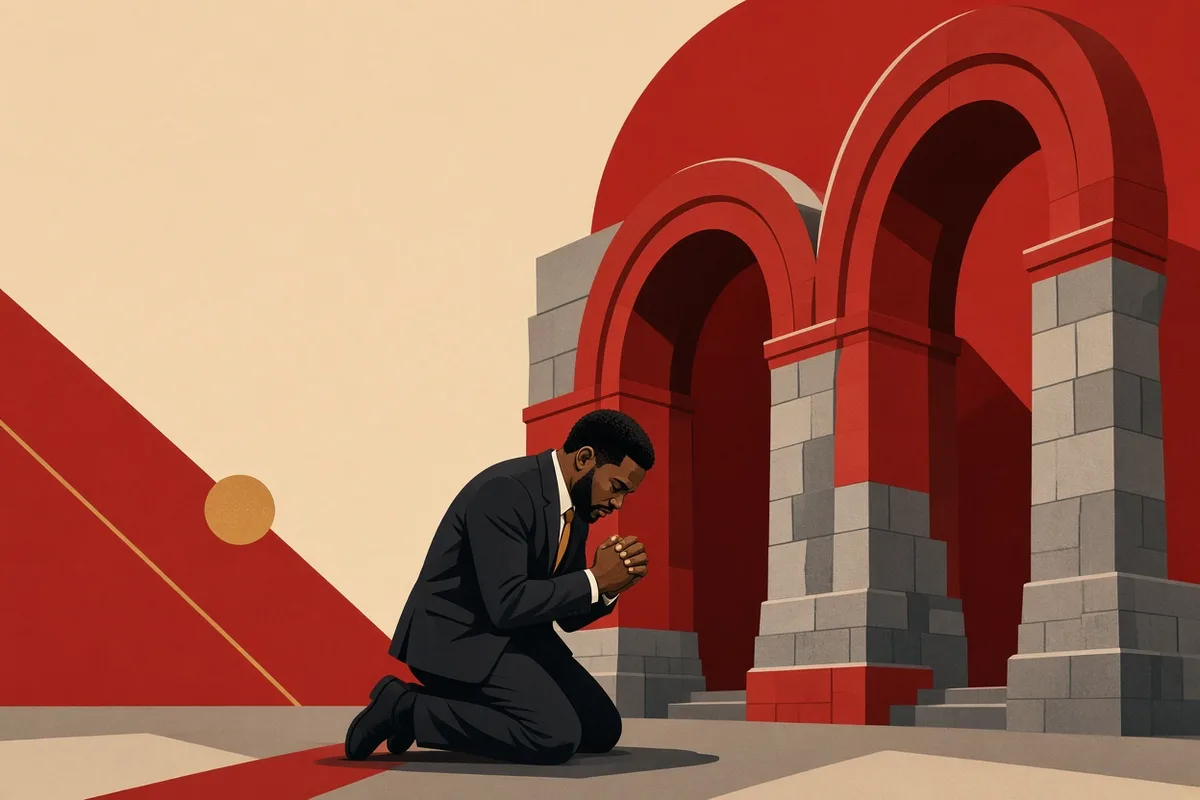
They made the men kneel in the sand. Each had a man in black standing directly behind him. I have tried since then to describe the particular silence of that video and I cannot, except to say it was not the silence of nothing happening. It was the silence of everyone already knowing what came next and no one being able to stop the motion of it.
Then it happened, in the space of a breath, twenty-one times over, and the water did not even change color.

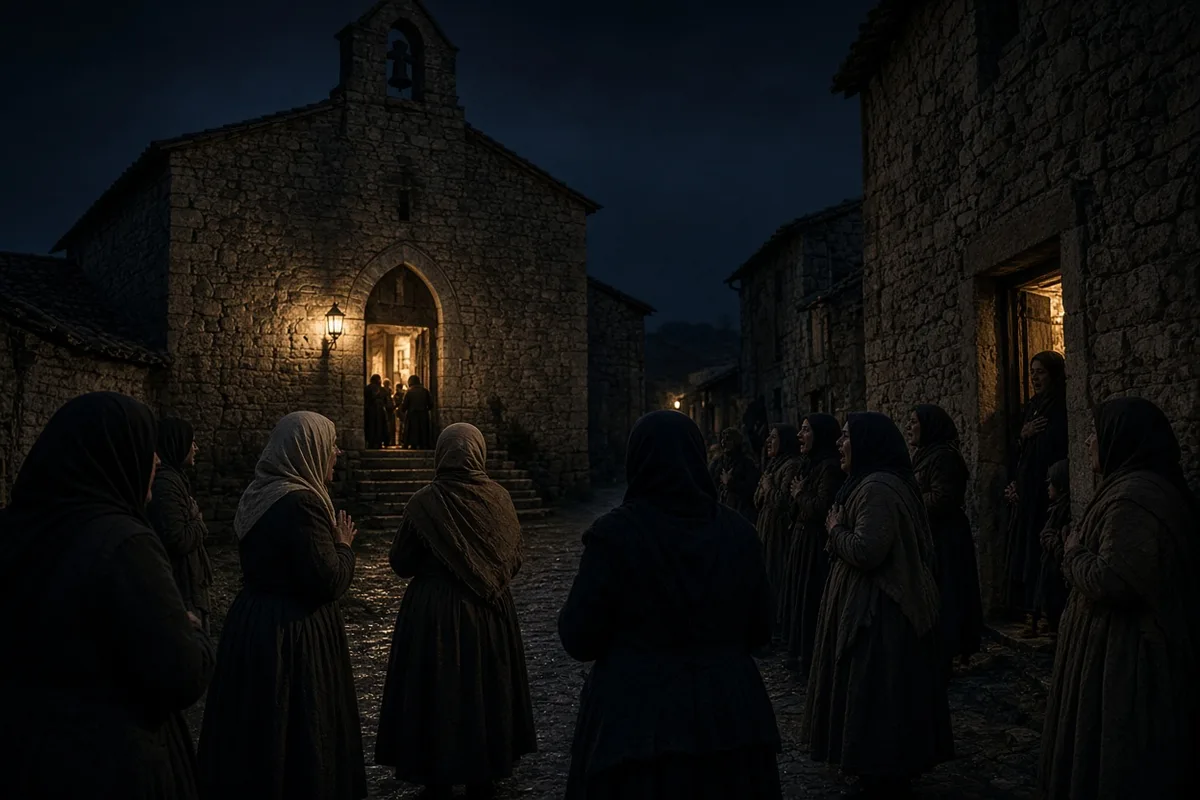
The wailing started before I even understood whose sons had been named. It moved through the houses like something with its own legs, mother to mother, brother to brother, until the whole street outside the church was full of women with their hands pressed flat against their chests as if they could hold something in that had already gone out of them.
Confirmation came the way confirmation always seemed to come in those years, through the Church rather than through any government office, and within hours Bishop Angaelos, who led the Coptic community in Britain and had been receiving word through the same channels we all had, put out a message onto the wider world with two words fixed to the end of it like a nail driven through wood: Father forgive.
I did not understand, that first night, how a hashtag could matter against a beach and a knife, but in the weeks that followed I watched it become the shape of everything we said to each other. Bishop Angaelos would tell interviewers later that the video, built as a tool to spread fear and division, had instead become a stage on which the whole world could see the strength underneath the men's faith, and from where I stood in that village, watching my neighbors bury grief instead of raising fists, I believed him.
There was no talk of revenge in our streets. I want to be honest about that, because it would be easy, writing this now, to make it sound like a simple thing, a virtue arrived at without cost. It was not simple. Men who had lost sons wanted to put their hands around something and did not have anything to put them around. And still, when reporters came asking, what they carried away from us was not anger. It was pride, spoken through tears, pride that their fathers, their brothers, their sons had knelt in that sand and not renounced what they believed, even with a blade behind them.
Bishop Angaelos said it plainly when asked how forgiveness could sit beside a crime that size. We don't forgive the act, he said, because the act is heinous. But we do forgive the killers from the depths of our hearts. Otherwise, he said, we would become consumed by anger and hatred, a spiral of violence with no place in this world. I heard those words secondhand, translated and passed along the way everything reached us in the village, and I remember thinking that I did not know if I had that kind of strength in me, and being ashamed that I had to wonder.
Egypt did not answer with forgiveness alone. Within a day of the confirmation, fighter jets went out from our own country and struck Islamic State positions inside Libya, and I remember standing outside listening to the men argue about it under the acacia tree, some relieved that someone had hit back, others saying that a bombing raid could not put a single one of those twenty-one men back in the ground the right way, in the ground at home, among us. Both things were true at once, and neither one made the nights any easier.
There were others still out there. Even as we buried the memory of the twenty-one, because there were no bodies to bury, only prayers, four more Coptic men were being held somewhere in that same country, and their families stood in front of cameras pleading with anyone who might listen to bring them home alive. I knew one of those families a little, by the way you know people two villages over, through a wedding you both attended once. I remember praying with a specificity I had not managed for the twenty-one, because these four still had a chance, and it felt like the praying itself might hold a door open somewhere.
Word came back to us, slower than the video had traveled but just as real, that Copts far from Egypt were gathering too. In Washington, a young man named Mina Abdelmalak, who had left Egypt only three years before and settled in that city, organized a vigil outside the White House, candles held up against a February evening in a country that had never seen our fields or our church bells. He told a reporter that forgiveness sat easier with him as a matter of faith than as a matter of politics, that watching the numbers of his community shrink made him feel like an easy target rather than a forgiving one, and I understood that too, the way a single word can mean two different weights depending on which hand is holding it.
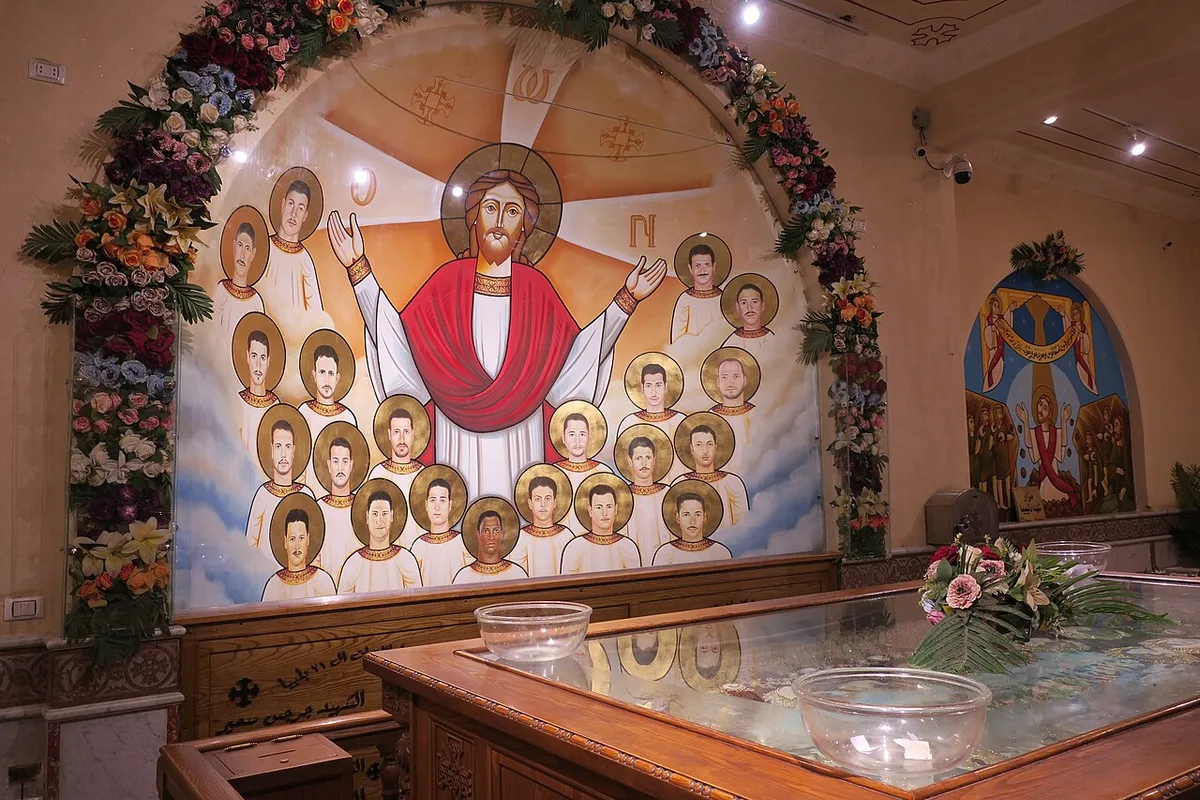
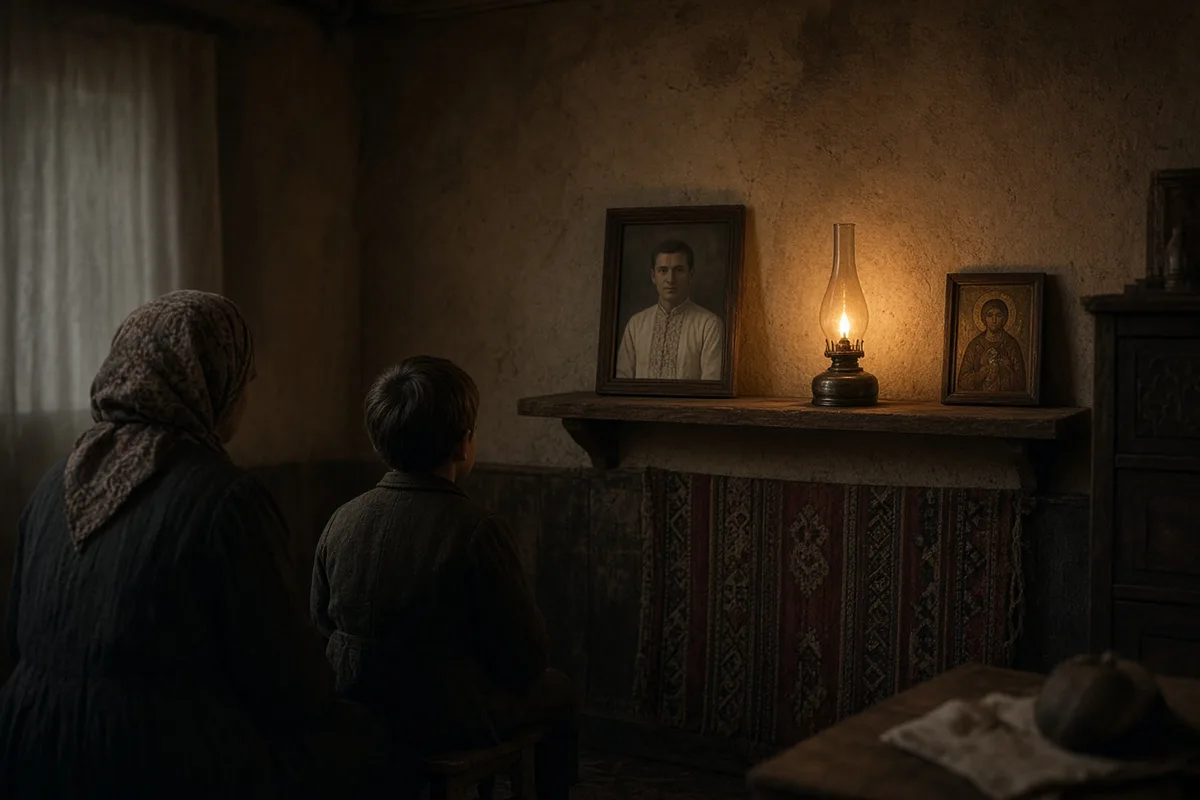
In the village, the men were not spoken of as victims for very long, not among us. Within weeks they were being spoken of differently, the way you speak of someone who has gone ahead of you rather than someone who has simply been taken. Their names began to be said in the church, added to the roll of those the Coptic Church holds as martyrs, and the framed photographs I had seen in family sitting rooms, ordinary photographs, a man standing stiffly in a good shirt for a wedding, started to appear instead beside icons, with small votive lamps under them that never seemed to go out.
Years on, a pope who had never met any of them stood in Rome and spoke their deaths back into the world in a way that reached even our newspapers. Pope Francis said that these men bore witness to Jesus Christ, that with their throats cut by the brutality of the Islamic State they died confessing the name of the Lord, and though I am Coptic and he is not our patriarch, I felt something loosen in my chest reading that a stranger so far away had understood, without needing translation, exactly what the sand and the sea had witnessed that day.
A German writer came looking for them too, years after the video had stopped being news anywhere but in our own memories. Martin Mosebach traveled to Egypt and sat with the families, and what he told interviewers afterward stayed with me longer than almost anything else said about that day, because he said what I had felt and never managed to put into words myself: that these were modest men, illiterate in the way poverty makes a man illiterate, sons of poor peasants and poor farmers, men nobody outside our fields would ever have troubled to learn the names of, if not for what had been done to them on that beach.
He wrote a book giving each of them a face, a name, a mother, and when he sat with those mothers and widows he found something that surprised him, he said. They were not consumed by the injustice of the murder. They were not fixed on the crime itself, or even, in the way he expected, on grief alone. What moved through their houses instead was something closer to pride, a pride in having someone now standing before God on their behalf, an intercessor risen out of their own poor fields, a son who had become more than a son.
Mosebach said something else that I turned over for a long time afterward, sitting outside my own house in the evening with the same acacia tree throwing the same long shadow it always had. He said that martyrdom was not a scandal for the Church, not a wound to be hidden, but something essential to it, that the willingness of ordinary men to die rather than deny their faith was the very thing that had kept the Church alive across centuries when everything else about it seemed fragile. As long as people are ready to die for the faith, he said, the Church will be safe.
I do not know if I could kneel the way those twenty-one men knelt. I have asked myself that question more times than I can count, usually late, usually when the house is quiet and there is nothing else to occupy the mind but the old memory of a phone screen glowing under a tree. I laid brick beside some of these men once. I do not have their courage confirmed in me the way theirs was confirmed on that beach, and I hope I never have to find out one way or the other.
What I know is that when I go back to the village now, the photographs are still there in the front rooms, the lamps still burning under them, and the mothers who I once watched wailing in the street now speak of their sons the way you speak of someone who went ahead to prepare a place, not someone stolen from you before their time. Whatever else that video was built to do, whatever fear it was engineered to plant in us, it did not manage to make us into people who hate. It gave us, instead, twenty men and one child of a household who would not say a word to save themselves, kneeling in sand that has since been walked over by tides that do not remember any of it, though we do, every year, on the same February day, with the same names, said out loud, together, in the church that still smells of incense and dust exactly the way it always has.