


The Doctor Who Stayed in Ebola-Stricken Village
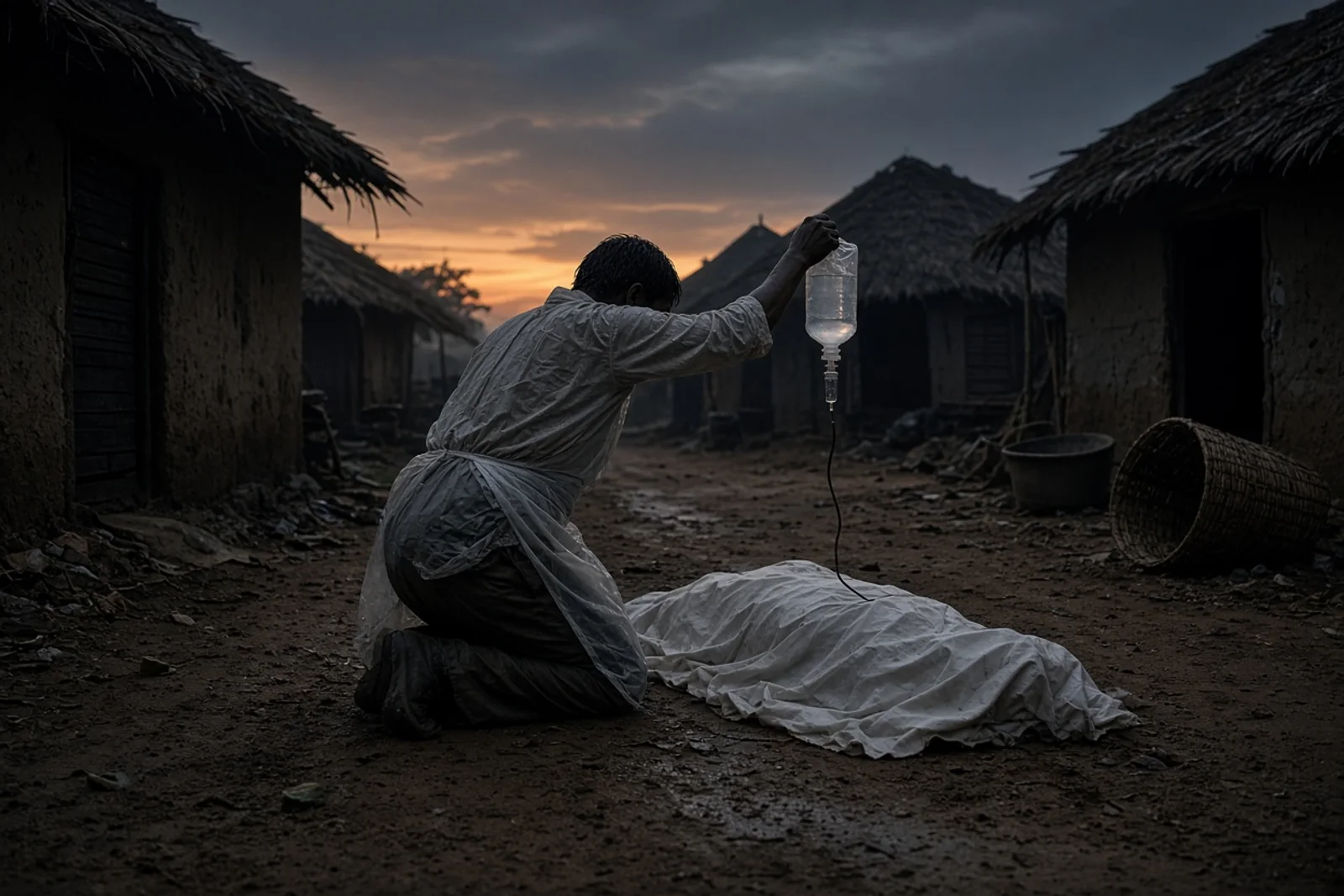
The ambulance doors gave way under the weight and the man tumbled out onto the red dirt, already stiff. I caught his shoulder before his head hit the ground. Javid was there a second later, gloved hands steadying the legs, his face mask fogged from the heat. We had been at the center three weeks by then and the routine was the same each time: lift, carry, lay the body on the plastic sheet under the mango tree until the burial team came. No one said the name. We never did until the sheet was pulled over.
Javid had arrived the week before me. He moved like someone who had already decided he would not leave until the wards were half empty again. The local nurses watched him at first, the way they watched every foreign doctor, waiting to see if he would count the hours until his flight. He did not. He took the long shifts, the ones that started before the mist lifted off the hills and ended when the generator coughed out.

The three young men came in on the same morning. Mohamed could still walk when they brought him. Ahmed needed two people to hold him up. Alfred kept asking for water though his throat was raw. Javid checked them one after another, voice low through the mask, writing the numbers on the plastic sleeve he wore over his forearm. By afternoon Mohamed was on the ground outside his tent, knees drawn up, calling for his mother. He lasted until the next evening. Alfred died calling for his father, who was two tents over and too weak to answer. Ahmed was gone before the sun came up the following day.
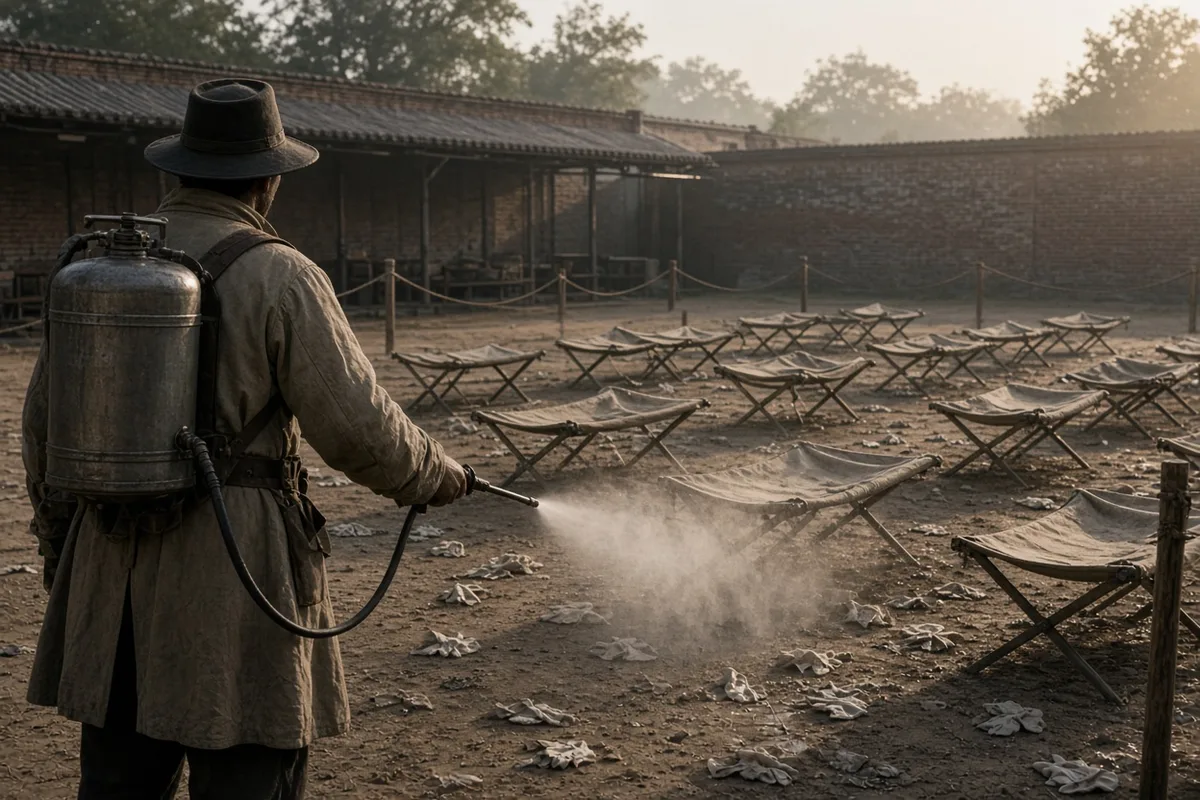
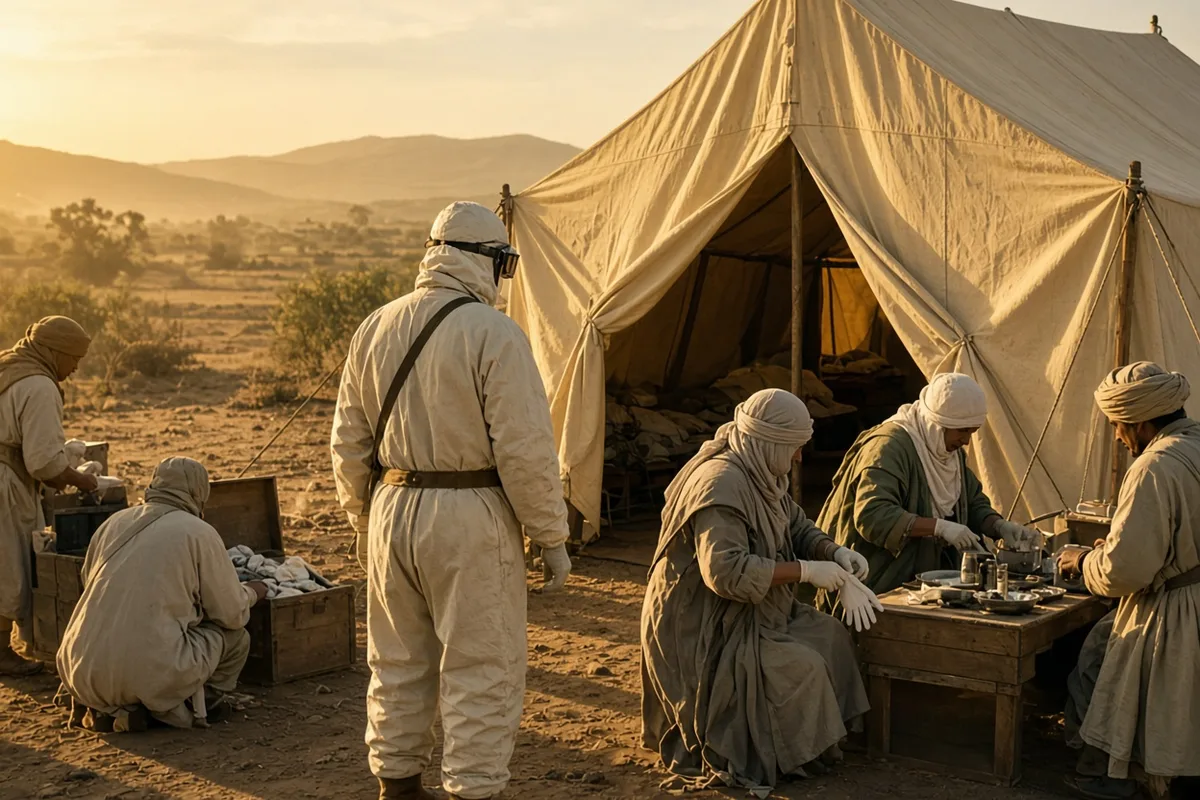
I stayed with Javid while the bodies were wrapped. He did not speak until the last one was carried past the fence. Then he said only that the beds needed to be scrubbed again before the next ambulance. We worked side by side in the chlorine smell until our gloves were white with it.
The two boys, Michael and Ambu, were already inside when we reached their tent that morning. They stood at the fence and called Javid’s name the way children call for a relative who brings sweets. Their voices carried across the open ground between the confirmed ward and the suspect ward. Javid answered them each time, asking about the night, about whether they had kept the rehydration down. They told him they were brothers. Later we learned they were not, only that every child without parents called the next one brother.
Michaela and Mariama arrived two days after. The older girl, Mariama, carried her sister on her back until the nurses took her. Both tested positive the same hour. Javid visited them every round. He brought extra packets of oral rehydration salts and showed Mariama how to mix them herself so she could help the smaller one. They smiled when they saw him, even on the days the fever made their eyes heavy. Five of their siblings had already died in another village. Their father was in the men’s tent and did not survive the week.
Alpha and Warrah were the infants. Abdul, six years old, fed them when the nurses were stretched thin. He changed the cloths, wiped their faces, and slept between their mats at night. Javid found him there on the first morning after the babies came. He crouched outside the fence and spoke to Abdul the way he spoke to the older boys, asking what the little ones had taken and whether either had cried. Abdul answered without looking up, his hands busy with the feeding cup.
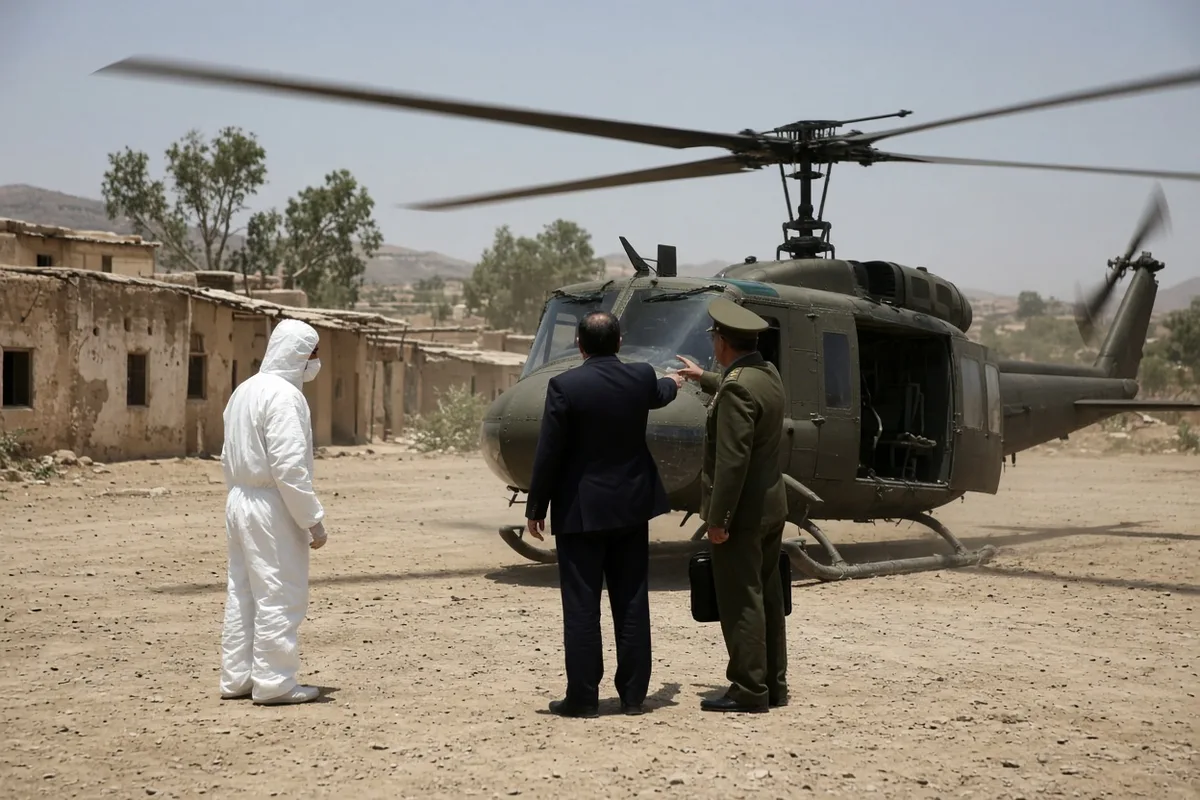
The day the three young men died, Javid stayed past the shift change. He walked the length of the fence twice, stopping at each tent where someone still moved. When he reached the children’s section he stood a long time without speaking. Michael and Ambu were still calling to him. He answered once, then turned and walked back toward the changing area. His suit was soaked through. The sprayer team hosed him down twice before he stepped out of the boots.
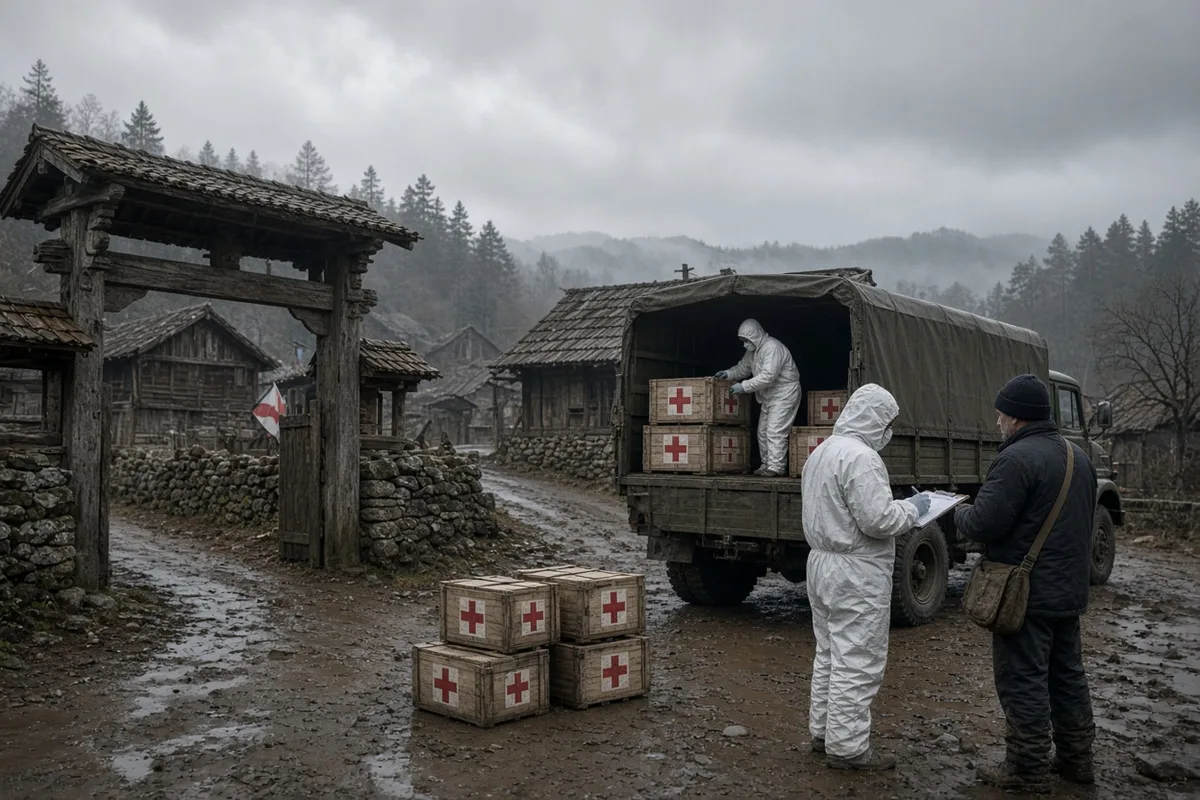
I found him later near the supply tent, checking the stock of gloves. He said the next shipment would not arrive for four days and asked if I knew anyone in the next chiefdom who still had spare boxes. I told him what I knew. He nodded and wrote the name on the same plastic sleeve.
When the discharge day came for the surviving children, Javid drove the truck himself. Michael and Ambu sat in the back with the two girls. Abdul held Warrah on his lap while Alpha slept against his shoulder. The road to the orphanage was rutted from the rains. Javid drove slowly so the children would not slide. At the gate he helped them down one by one, then stood with the director while the papers were signed. The children did not cry. They waved once before they were taken inside.
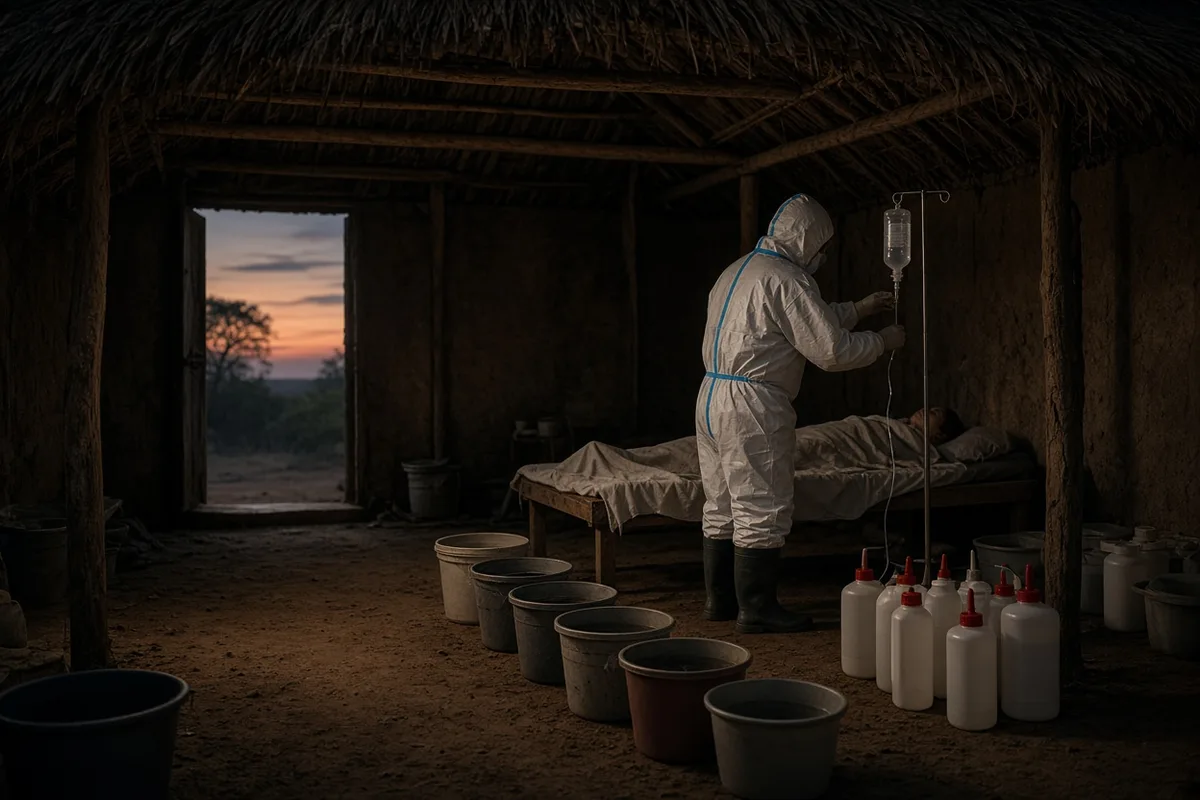
Javid returned to the center the same afternoon. The wards were quieter. Two new patients had come in while he was gone. He changed into the suit again without resting and walked the fence line before dark. I stayed with him until the lamps were lit. He checked each tent, counted the breaths he could hear, and marked the numbers on his sleeve.
Three weeks later the last confirmed case left the center alive. Javid waited at the gate until the ambulance turned onto the main road. Then he packed his own bag. Before he boarded the plane he stood at the edge of the runway and watched the hills for a long time. The temperature checks continued for twenty-one days after he reached home. Each morning he wrote the number in the same small notebook he had carried in Sierra Leone. The pages filled with dates and single digits until the final entry showed nothing above normal.
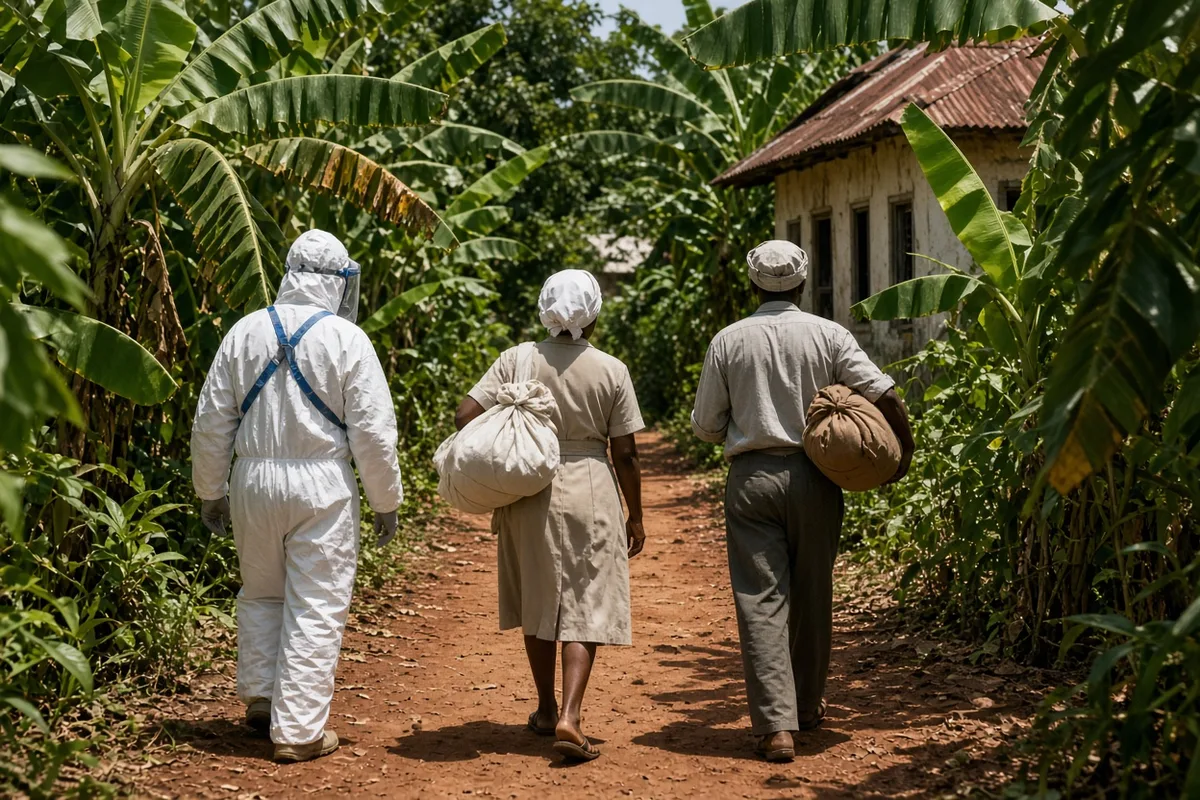
Javid wrote from Toronto on the twenty-second day after his return, the letter postmarked 18 November 2014 and addressed to the center’s coordinator in Kailahun. He listed the glove shipment that had finally arrived two days after he left, naming the supplier in Freetown who delivered forty boxes of size medium on the back of a motorbike, and he asked whether the sprayer team had enough chlorine powder left for the remaining suspect cases. The coordinator read the letter aloud at the evening meeting under the mango tree; the date on the sleeve matched the last temperature entry in Javid’s notebook, 36.8. Two weeks after that letter the generator failed again and the nurses switched to kerosene lamps for the night rounds, recording each patient’s fluid intake on paper forms because the tablet batteries had run out.
The children reached the orphanage on 9 December 2014. Michael, then eleven, and Ambu, nine, shared a room with six other boys; the director logged their weights at arrival as 31 kilograms and 24 kilograms respectively. Mariama, twelve, kept the packet of rehydration salts Javid had given her and mixed it for her sister Michaela each morning before school; the orphanage logbook for January 2015 shows Michaela gained 1.4 kilograms that month. Abdul, six, continued feeding Alpha and Warrah until the infants were placed with a foster family in the same chiefdom; the transfer papers dated 14 February 2015 list the foster mother’s name as Fatmata Sesay and note that both infants tested negative on discharge swabs taken at the Kenema laboratory on 3 February.
The center admitted its final patient on 27 January 2015, a thirty-four-year-old woman from a village twelve kilometres west whose name the nurses recorded as Hawa Conteh. She survived and left on 18 February after two negative tests spaced forty-eight hours apart. On 2 March the district health team sealed the last tent and the burial team burned the remaining plastic sheets; the coordinator counted forty-seven empty beds and wrote the number in the same ledger Javid had used. The mango tree still stood, its lower branches now free of the sheets that had hung there for months.
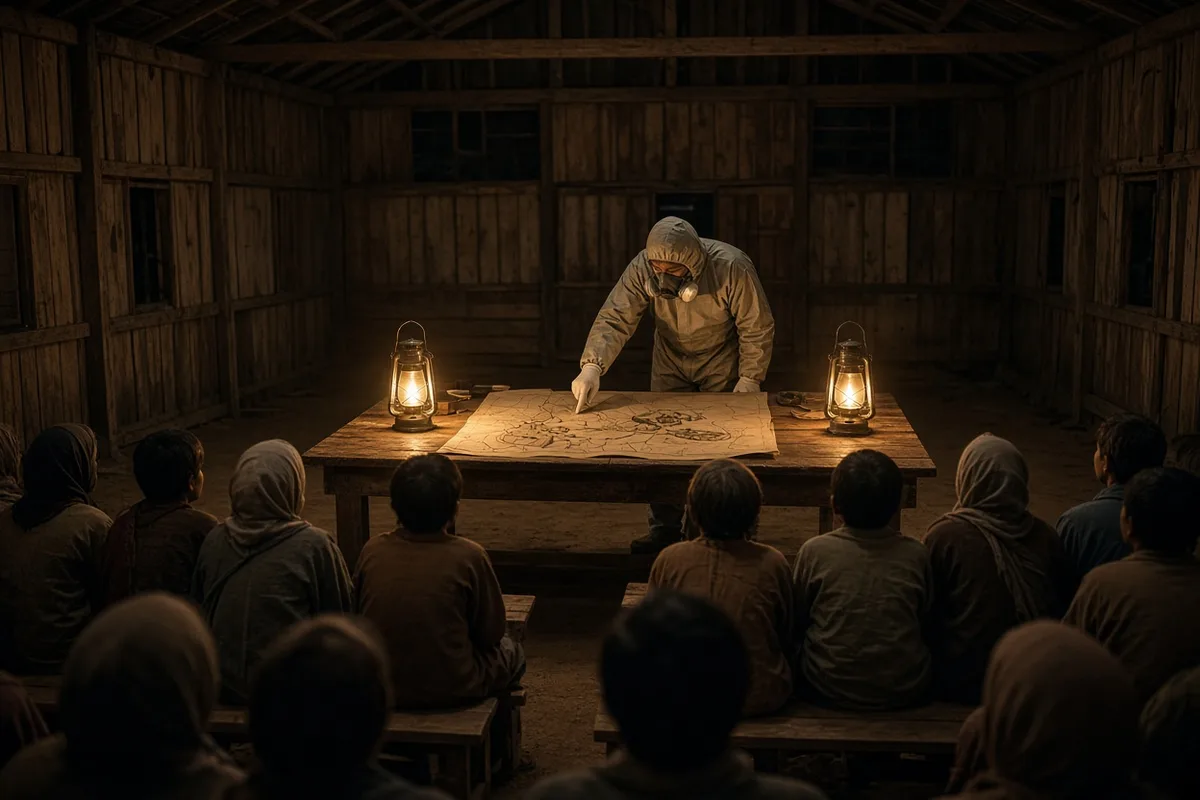
I returned to the site in June 2015 with a Ministry of Health team conducting a survivor survey. We found the fence still standing and the changing area reduced to a concrete slab where the generator had once sat. Hawa Conteh met us at the gate and gave her name and her weight at discharge, 48 kilograms, which matched the ledger entry. She said the nurses had given her extra packets of oral rehydration salts on the day she walked out; she still kept one in her house. The survey recorded 312 survivors from the district that month, with 214 of them reporting they had returned to farming within eight weeks of discharge.
Javid sent a second letter in March 2016 after the World Health Organization declared Sierra Leone Ebola-free. He asked whether the orphanage still received the monthly food shipment from the World Food Programme and whether the children’s school fees had been covered by the district education fund. The coordinator answered by email from the new clinic built on the same ground, listing the names of the twenty-three children still living at the orphanage and noting that Michael had begun secondary school in Kenema in September 2016. Javid replied that he had joined a Toronto hospital team tracking post-Ebola uveitis and asked for any reports of eye pain among the survivors.
In 2018 the district converted the old center site into a primary health post. The concrete slab became the floor of the consultation room; the mango tree remained outside the new fence. A plaque bolted to the wall lists the dates the center operated, 15 September 2014 to 2 March 2015, and the number of patients treated, 184. On 12 April 2019 Mariama, then seventeen, visited the post with her younger sister to collect malaria tablets; the nurse on duty recorded their names and noted that both girls had completed secondary school the previous year. Mariama asked whether any letters had arrived from the foreign doctor who had driven them to the orphanage; the nurse answered that none had come since 2016.
The last image I carry is from a photograph taken on the day the health post opened. Javid stands at the edge of the new fence with Abdul, now eleven, beside him. Abdul holds a feeding cup the way he once held it for the infants; Javid’s hand rests on the boy’s shoulder. Behind them the mango tree casts the same shadow it cast when the sheets were spread beneath it. The photograph is dated 4 June 2019 and was sent by the district health officer with a note that Javid had returned for the opening ceremony and stayed three days before flying back to Toronto.
On 4 June 2019 the district health officer, Dr. Samuel Koroma, recorded in the post’s opening ledger that Javid examined eight children that morning for residual eye inflammation and noted two cases of uveitis requiring referral to Kenema eye clinic. Abdul, listed as eleven years and four months, weighed 29 kilograms on the new digital scale installed beside the consultation room; he told the visiting nurse that he still mixed rehydration salts for any child who complained of thirst, the same way he had done for Alpha and Warrah. Javid left a box of 200 single-use eye shields and a handwritten note dated the same day instructing the staff to check every survivor’s vision at six-month intervals.
In September 2020 Mariama, then eighteen, wrote to the post from her secondary-school boarding house in Kenema that she had passed the West African Examinations Council certificate with aggregate 28 and intended to train as a community health worker. The letter, postmarked 12 September and addressed to the coordinator, mentioned that Michaela, now fifteen, had joined the same school and carried the original rehydration packet in her satchel. The post’s reply, sent 3 October, listed the names of twelve other survivors from the 2014 cohort who had also completed secondary schooling that year.
Alpha and Warrah, placed with Fatmata Sesay in February 2015, received their final negative Ebola swab results at the Kenema laboratory on 3 February 2015; by 2021 both attended the primary health post’s annual survivor clinic, where the nurse logged Alpha’s height as 112 centimetres and Warrah’s weight as 19 kilograms. Fatmata Sesay told the visiting Ministry team on 11 March 2021 that the children still asked about the foreign doctor who had driven them from the center, and she kept the transfer papers dated 14 February 2015 in a plastic folder on the family’s shelf.
Javid’s third letter arrived at the post on 7 May 2022, forwarded from the Toronto hospital where he worked on the uveitis tracking programme. He asked specifically whether any of the twenty-three children named in the 2016 email had reported eye pain in the preceding twelve months and enclosed a cheque for 1,200 Canadian dollars to cover school fees for Michael and Ambu, who had entered senior secondary in Kenema. The coordinator replied by email on 19 May, confirming that Michael, then nineteen, had begun Form Four and that no new eye complaints had been recorded since the 2019 opening.
On 2 March 2023 the district health team marked the eighth anniversary of the center’s closure by painting the concrete slab floor of the consultation room and replacing the faded plaque with a new one that repeated the original dates, 15 September 2014 to 2 March 2015, and added the updated survivor count of 312 from the 2015 survey. Hawa Conteh, now forty-two, attended the ceremony and told the assembled nurses that she still kept one unused packet of oral rehydration salts in her kitchen, the same packet given to her on discharge 18 February 2015.
The final photograph sent by the district health officer shows Javid standing again at the fence line on 4 June 2019, this time with Abdul, now eleven, holding the feeding cup at chest height while Javid’s gloved hand rests on the boy’s shoulder; behind them the mango tree’s shadow falls across the new consultation-room wall exactly as it fell across the plastic sheets eight years earlier, and the date stamp in the lower right corner reads 4 June 2019, 14:37.